
Low-Maintenance Succulents: A Houseplant Guide
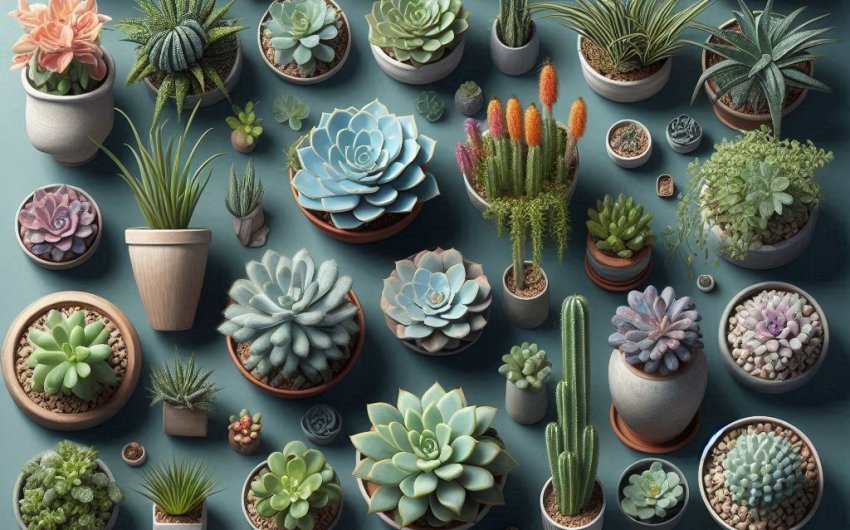
Succulents have captured the hearts of plant lovers worldwide, and for good reason. With their unique shapes, vibrant colors, and fascinating textures, they add a touch of modern elegance and natural artistry to any indoor space. What makes them even more appealing, especially for busy individuals or novice plant parents, is their reputation as ultimate low-maintenance houseplants. These resilient beauties are masters of survival, adapted to arid environments by storing water in their fleshy leaves, stems, or roots.
While their "set it and forget it" reputation is largely true, understanding the few simple rules that govern their care is crucial for helping them truly thrive. This guide will delve into the world of easy-care succulents, unveiling the secrets to their success indoors. From selecting the perfect plant for your lifestyle to mastering their minimal watering needs, prepare to discover how to cultivate a stunning and thriving collection of these charming and undemanding botanical treasures.
What Makes Succulents Low-Maintenance?
The very characteristics that define succulents are what make them so easy to care for, especially indoors. Understanding their adaptations is key to their successful cultivation.
How Do Succulents Store Water?
The most defining feature of succulents is their remarkable ability to store water, which is why they have their characteristic fleshy appearance.
- Fleshy Leaves: Most commonly, succulents store water in their thick, fleshy leaves. These leaves act like natural reservoirs, swelling up to hold moisture during periods of rain and then slowly releasing it during dry spells. This adaptation allows them to endure long periods without water. Examples include Echeveria, Sedum, and Aloe.
- Thick Stems: Some succulents, like certain euphorbias or cacti (which are a type of succulent), store water primarily in their stems. These stems can be columnar or rounded, acting as living water towers.
- Enlarged Roots: Less common for typical houseplants, but some succulents store water in specialized enlarged roots or underground tubers.
- Reduced Evaporation: Beyond water storage, succulents have developed other strategies to reduce water loss:
- Thick Cuticle: A waxy outer layer on their leaves helps seal in moisture.
- Fuzzy or Hairy Leaves: Some succulents have fine hairs (pubescence) that trap humid air, reducing water evaporation from the leaf surface.
- Compact Growth: Many succulents grow in tight rosettes or clumps, minimizing exposed surface area.
- CAM Photosynthesis: Many succulents use Crassulacean Acid Metabolism (CAM) photosynthesis, which allows them to open their stomata (pores) at night to absorb carbon dioxide, minimizing water loss during the hot, dry day.
This incredible ability to store and conserve water is why succulents can go for long periods without needing a drink, making them ideal drought-tolerant houseplants.
Why is Infrequent Watering Key to Succulent Care?
Due to their water-storing capabilities, the biggest mistake new succulent owners make is overwatering.
- Root Rot is the Enemy: When succulents are watered too frequently, their roots sit in constantly wet soil. This suffocates the roots (they need oxygen) and creates an ideal environment for harmful fungi to cause root rot. Once root rot sets in, it can quickly kill the plant.
- "Soak and Dry" Method: The proper way to water succulents is the "soak and dry" method:
- Soak Thoroughly: When you do water, soak the soil completely until water drains from the bottom of the pot. This encourages the roots to grow deep and strong.
- Let it Dry Completely: Then, allow the soil to dry out entirely before watering again. Stick your finger 2-3 inches into the soil; if it feels even slightly damp, wait. For smaller pots, you can lift the pot; it will feel significantly lighter when dry. A soil moisture meter can also help.
- Frequency Varies: There's no set schedule ("water every two weeks"). The actual frequency depends on:
- Light: Plants in brighter light will dry out faster.
- Temperature: Warmer temperatures lead to faster evaporation.
- Humidity: Higher humidity slows drying.
- Potting Mix: Grittier, fast-draining mixes dry faster.
- Pot Material: Terracotta pots wick away moisture faster than plastic.
- Season: Succulents are often dormant or semi-dormant in winter and need very little water, sometimes only once a month or less.
- Signs of Thirst: Leaves may appear slightly wrinkled, thin, or shriveled. They might also feel softer than usual. They will usually plump up after watering.
- Signs of Overwatering: Leaves turn yellow, mushy, translucent, or black, often starting at the base of the plant. They may drop off easily.
Mastering the infrequent watering technique is the most important skill for low-maintenance succulent care.
What Soil and Drainage Do Succulents Need?
The right soil and drainage are just as critical as proper watering to prevent root rot.
- Fast-Draining Soil Mix: Standard potting soil retains too much moisture for succulents. You need a mix that drains water very quickly.
- Commercial Succulent Mix: The easiest option is to buy a pre-made succulent and cactus potting mix. These mixes typically contain ingredients like perlite, pumice, coarse sand, or grit to improve drainage.
- DIY Mix: You can create your own by mixing: 1 part regular potting soil, 1 part coarse sand (horticultural sand, not fine play sand), and 1 part perlite or pumice.
- Drainage Holes are Non-Negotiable: Your pot absolutely must have drainage holes at the bottom. Without them, water will sit in the bottom, inevitably leading to root rot.
- Pot Material:
- Terracotta/Unglazed Clay Pots: These are highly recommended for succulents. Their porous nature allows air and moisture to pass through the pot walls, helping the soil dry out faster. A terracotta pot with drainage is an ideal choice.
- Plastic/Glazed Ceramic Pots: These are non-porous and retain more moisture. If you use them, be extra careful with watering, as the soil will dry out slower.
- No Drainage Layer: Do not add a layer of gravel or rocks at the bottom of the pot. This actually makes drainage worse by creating a "perched water table" where water accumulates just above the gravel, precisely where the roots sit.
The correct succulent soil and a pot with drainage are essential for healthy succulent roots.
Which Succulents are Best for Beginners?
Some succulents are even more forgiving than others, making them perfect starting points for new plant enthusiasts.
What are the Most Resilient Succulent Varieties?
These succulents are known for their extreme hardiness and ability to tolerate less-than-perfect conditions.
- Snake Plant (Sansevieria trifasciata): While technically a succulent (stores water in its thick, upright leaves), it's often treated as a standard houseplant.
- Resilience: Extremely drought-tolerant and can survive in very low light conditions (though it prefers bright indirect light). Very difficult to kill.
- Varieties: Many cultivars with varied leaf patterns and heights, from tall 'Laurentii' to compact 'Hahnii'.
- Uses: Great for bedrooms, offices, or anywhere you need a tough, upright plant. A snake plant indoor adds modern style.
- ZZ Plant (Zamioculcas zamiifolia): Another incredibly tough, low-maintenance plant that stores water in its thick rhizomes (underground stems).
- Resilience: Tolerates low light and very infrequent watering. Highly drought-tolerant.
- Uses: Perfect for beginners, dark corners, or offices. A ZZ plant is a great set-it-and-forget-it plant.
- Aloe Vera (Aloe barbadensis miller): Famous for its medicinal gel, this succulent is also very easy to grow.
- Resilience: Tolerates neglect, though it prefers bright indirect light and infrequent deep watering.
- Uses: Functional and decorative. A potted aloe vera plant is a living first-aid kit.
- Jade Plant (Crassula ovata): A classic, tree-like succulent that can live for decades.
- Resilience: Very forgiving once established. Can tolerate some neglect.
- Uses: Great for adding height and structure. Can be pruned into bonsai shapes.
- Tips: Prefers bright indirect light, can tolerate some direct sun. Avoid overwatering.
These tough houseplants are excellent choices for anyone starting their succulent journey.
What are Popular Varieties for Containers and Groupings?
Many succulents are perfect for creating beautiful arrangements in shallow dishes or grouping together.
- Echeveria: Iconic succulents with beautiful rosette forms, often in shades of green, blue, pink, and purple.
- Aesthetics: Highly ornamental, with many varieties resembling flowers.
- Uses: Perfect for succulent arrangements, terrariums (open ones with good drainage!), or as single specimen plants. A collection of Echeveria succulents can create stunning displays.
- Tips: Need bright indirect to direct light to maintain their vibrant colors and compact rosettes.
- Sedum (Various indoor types like Sedum morganianum 'Burro's Tail'): Many Sedum varieties are fantastic, from upright forms to trailing ones.
- Aesthetics: Offers a wide range of leaf shapes, colors, and textures. 'Burro's Tail' is famous for its long, trailing stems covered in bead-like leaves.
- Uses: Trailing varieties are perfect for hanging baskets or spilling over the edge of pots.
- Sempervivum (Hens and Chicks): While primarily outdoor hardy, some varieties can be grown indoors, especially on a sunny windowsill.
- Aesthetics: Form tight rosettes and produce "chicks" (offsets) around the mother plant. Very charming.
- Uses: Great for small pots or tucking into rocky arrangements. A Sempervivum rosette is delightful.
- Haworthia: Small, slow-growing succulents known for their architectural forms, often with translucent "windows" on their leaves or bumpy textures.
- Ease of Growth: Very low maintenance and tolerant of slightly lower light than Echeveria.
- Uses: Excellent for terrariums, small pots, or mixed arrangements.
These attractive succulents add immense visual appeal to any indoor space, perfect for decorative groupings.
How Do You Ensure Proper Light, Temperature, and Air Circulation?
While watering and soil are paramount, these environmental factors also play a critical role in your succulent's health and vibrant coloration.
What are the Ideal Light Conditions for Succulents?
Light is what fuels a succulent's growth and brings out its best colors.
- Bright Indirect to Direct Light: Most succulents need bright light to truly thrive and maintain their compact, colorful forms. This often means placing them near a south, west, or east-facing window.
- South/West Windows: Ideal for most succulents, but monitor for signs of scorching (bleached spots, reddish tint) if direct afternoon sun is too intense through glass. You might need to move them back a few feet or use a sheer curtain.
- East Window: Provides gentle morning sun and bright indirect light throughout the day, often ideal.
- North Window: Usually not enough light for most succulents to thrive; they will likely become leggy and pale.
- Signs of Too Little Light (Etiolation):
- Leggy Growth: The plant stretches out, with long gaps between leaves, reaching desperately for light.
- Pale or Dull Color: Vibrant colors fade, and the plant appears sickly green or yellow.
- Leaves Point Downward: Instead of growing tightly, leaves may droop or spread out.
- Solution: Move to a brighter location. Consider a full spectrum grow light if natural light is insufficient, especially in winter.
- Signs of Too Much Sun:
- Reddish/Brownish Tints: Some succulents will take on beautiful stress colors (pinks, purples, oranges) with good light, which is healthy. However, if the color becomes dull red or brown, or if you see white/bleached patches, it might be too much direct sun.
- Crispy, Scorched Spots: Indicates sunburn.
- Solution: Move the plant slightly away from the window or provide filtered light.
Providing the right light is crucial for compact, colorful, and healthy succulents.
What Temperatures and Humidity Do Succulents Prefer?
Succulents are generally tolerant of typical indoor temperatures and low humidity.
- Temperature:
- Daytime: Thrive in average room temperatures, generally between 65°F and 80°F (18°C-27°C).
- Nighttime: Many succulents appreciate a slightly cooler drop in temperature at night, which can encourage better growth and coloring.
- Avoid Extremes: Keep them away from cold drafts (from open windows in winter, AC vents) and direct blasts of hot air from heating vents, which can stress them.
- Humidity:
- Low Humidity: Succulents prefer low to average household humidity. They are not like tropical plants that need high humidity; in fact, high humidity combined with poor airflow can encourage fungal issues.
- No Misting: Do not mist succulents. Water sitting on their leaves can lead to rot or unsightly spots, especially in their tight rosettes.
Stable temperatures within a comfortable range and low humidity are ideal for succulent care.
Why is Good Air Circulation Important?
Even though they're adapted to dry environments, succulents benefit from good airflow.
- Prevents Fungal Issues: Stagnant, humid air around succulents, especially if their leaves or crowns are wet, can encourage fungal growth like powdery mildew or rot.
- Dries Soil Faster: Good air circulation helps the soil dry out more quickly after watering, which is essential for preventing root rot.
- Placement: Avoid placing succulents in very tight, unventilated spaces. A gentle breeze from an open window or even a small fan (not directly on the plant, but creating ambient air movement) can be beneficial.
- Spacing in Arrangements: When creating succulent arrangements, ensure plants aren't crammed together. Give them a little space to breathe.
Good airflow for succulents contributes to their overall health and prevents common problems.
What About Fertilization, Repotting, and Propagation?
While succulents are low-maintenance, a few occasional tasks can help them thrive and multiply.
Do Succulents Need Fertilizer?
Succulents are not heavy feeders and generally require very little or no fertilizer.
- Infrequent Feeding: If your plant is healthy and growing, you might not need to fertilize at all. If you choose to, do so very sparingly, typically once a year in spring or early summer during their active growing season.
- Diluted Strength: Use a balanced liquid fertilizer (like a 10-10-10 or one specifically formulated for succulents/cacti) at half or even quarter strength. Over-fertilizing can burn their roots and lead to leggy, weak growth.
- No Winter Fertilizing: Do not fertilize during the fall or winter months when most succulents are dormant.
- Application: Always apply fertilizer to moist soil, never to dry soil, to prevent root burn.
A diluted succulent fertilizer is sufficient for encouraging robust growth without overwhelming the plant.
When Should You Repot Succulents?
Succulents prefer to be a bit root-bound, so they don't need frequent repotting.
- Signs of Needing Repotting:
- Roots Growing Out of Drainage Holes: A clear sign the plant has outgrown its pot.
- Stunted Growth: If the plant stops growing despite good care.
- Overcrowding: If the plant is producing many pups (offsets) and crowding the pot.
- How to Repot:
- Choose Slightly Larger Pot: Go up only one pot size (e.g., from a 4-inch to a 6-inch pot). A pot that's too large holds too much soil and moisture, increasing rot risk.
- Use Fresh Succulent Mix: Always use fresh, well-draining succulent potting mix.
- Gentle Handling: Carefully remove the plant, disturbing the roots as little as possible.
- Don't Water Immediately: Wait a few days to a week after repotting before watering. This allows any damaged roots to heal and reduces the risk of rot.
- Timing: Repot in spring or early summer when the plant is actively growing.
Infrequent succulent repotting prevents stress and maintains healthy roots.
How to Propagate Succulents?
One of the most rewarding aspects of low-maintenance succulents is how easily many can be propagated, allowing you to expand your collection for free!
- Leaf Cuttings: Many succulents (like Echeveria, Sedum, Kalanchoe) can be propagated from a single leaf.
- Detach Leaf: Gently twist or cut a healthy, plump leaf from the stem. Ensure the base of the leaf (where it connects to the stem) is intact, as this is where roots will form.
- Callus: This is crucial! Allow the leaf to dry in a bright, airy spot for 3-7 days until the cut end forms a dry "scab" (callus). This prevents rot.
- Lay on Soil: Place the callused leaf flat on top of a tray filled with well-draining succulent potting mix.
- Light Misting: Lightly mist the soil (not the leaf) every few days or once a week.
- Rooting: In weeks to months, tiny roots and a tiny baby succulent will emerge from the callused end.
- Pot Up: Once the baby plant is a decent size and the original leaf shrivels, carefully pot the new plant.
- Stem Cuttings: For plants with longer stems (e.g., elongated Echeveria, Sedum, Pothos, Jade).
- Cut Stem: Take a 2-4 inch cutting with a few leaves. Remove lower leaves that would be submerged.
- Callus: Allow the cut end to callus for 2-3 days.
- Plant in Soil: Insert the callused end into well-draining succulent potting mix.
- Don't Water Immediately: Wait a week or two before the first watering to allow roots to form.
- Offsets/Pups: Many succulents (like Aloe, Sempervivum, Haworthia, Sansevieria) produce small baby plants at their base.
- Separate: Gently twist or cut the pup away from the mother plant, ensuring it has some roots.
- Callus: Allow the pup's cut end to callus for a few days.
- Plant: Pot in fresh succulent mix.
- Wait to Water: Don't water for a week or two.
Succulent propagation is a fun and rewarding way to grow your collection. By understanding their simple needs and a few specialized techniques, you can truly unleash the beauty and ease of low-maintenance succulents in your home, enjoying their unique charm for years to come.