
Sun-Loving Houseplants: Thriving in Bright Light
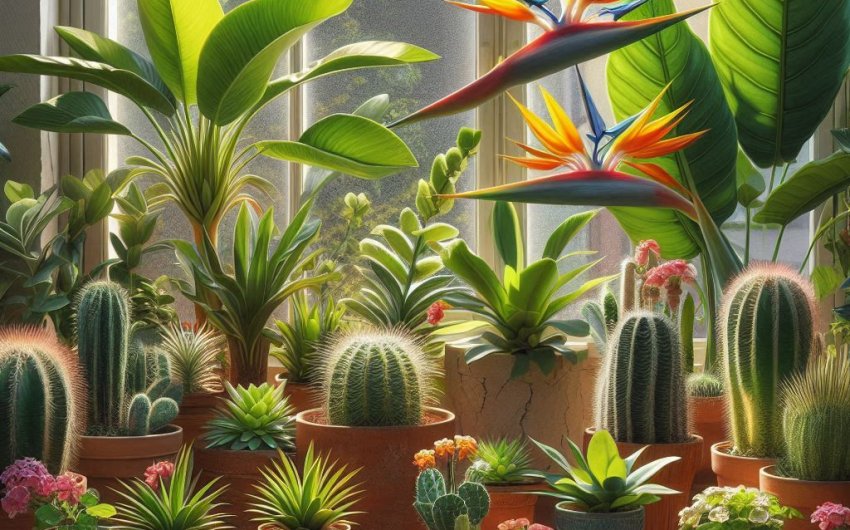
For those fortunate enough to have abundant natural light streaming into their homes, selecting the right greenery can truly transform a living space. While many common houseplants prefer indirect or low light, a vibrant category of sun-loving houseplants absolutely thrives in bright, direct sun exposure. These sun worshippers hail from deserts, open plains, and tropical areas where sunlight is intense and plentiful. Understanding their unique needs and choosing the appropriate species will ensure your sunny spots are filled with flourishing, eye-catching plants. This guide explores the best practices for cultivating these light-hungry beauties and introduces you to some of the most popular and resilient choices for your brightly lit indoor environment.
What Does "Bright Light" Mean for Houseplants?
Before diving into specific plants, it's important to understand what "bright light" truly means in the context of indoor gardening. Not all bright spots are created equal, and some plants prefer more direct, intense light than others.
What is Direct vs. Indirect Bright Light?
- Direct Bright Light: This refers to a spot where the sun's rays hit the plant directly for several hours a day, typically in front of a south-facing or unobstructed west-facing window. Plants in direct bright light will often cast a sharp, defined shadow. This is the most intense light an indoor plant can receive.
- Indirect Bright Light: This means the plant receives a lot of light, but the sun's rays don't directly hit its foliage. This can be near a large, bright window but a few feet back, or in a room with multiple windows that diffuse the light. The shadows cast by objects in indirect bright light are softer and less defined. While some "bright light" plants can tolerate this, most truly sun-loving houseplants prefer at least some direct exposure.
Which Window Directions Offer Bright Light?
The direction your windows face significantly impacts the type and intensity of light they receive:
- South-Facing Windows: These provide the most intense and consistent bright, direct light throughout the day, especially in the Northern Hemisphere. They are ideal for true sun lovers.
- West-Facing Windows: These offer bright, direct light in the afternoon and early evening. This can be very intense and hot, especially in summer. Plants here need to be able to handle strong afternoon sun.
- East-Facing Windows: While they provide bright light, it's gentler direct morning sun. Most truly sun-loving houseplants might find this insufficient unless supplemented. Many plants that prefer "indirect bright light" do well here.
- North-Facing Windows: These offer very little direct light, mostly consistent, low to medium indirect light. Not suitable for sun-loving houseplants.
Understanding your home's light exposure is the first step to successful plant placement.
What Are the Best Sun-Loving Houseplants?
Many plants flourish in sunny spots, bringing vibrancy and life to your bright windowsills and rooms. Here are some of the most popular and resilient choices for your brightly lit indoor environment.
Succulents and Cacti
These are perhaps the quintessential sun-loving houseplants. Native to arid regions, they are perfectly adapted to intense light and infrequent watering.
- Echeveria: Known for their beautiful rosette shapes and pastel colors. They need lots of direct sun to maintain their compact form and vibrant hues.
- Aloe Vera: Not just a pretty face, this plant also offers medicinal benefits. It loves bright, direct sun and well-draining soil.
- Jade Plant (Crassula ovata): A classic, easy-care succulent with thick, shiny leaves. It thrives in bright light and can grow quite large over time.
- Cactus Varieties: From the sculptural Opuntia to the fuzzy Mammillaria, there's a cactus for every taste. All cacti require significant direct sun exposure.
- String of Pearls (Senecio rowleyanus): This unique trailing succulent needs very bright, direct light to prevent its "pearls" from shriveling.
For succulents and cacti, ensure they are in pots with excellent drainage and use a cactus and succulent potting mix.
Flowering Sun Lovers
These plants not only tolerate bright light but use it to produce stunning blooms, adding a pop of color to your home.
- Bougainvillea: While often grown outdoors, dwarf varieties can be trained as houseplants. They need exceptionally bright, direct sun to flower profusely.
- Hibiscus: Known for their large, tropical flowers, hibiscus plants thrive in direct sun and consistently moist soil. They can be brought indoors for winter in colder climates.
- Jasmine: Many jasmine varieties are fragrant and enjoy bright, direct light, especially the non-vining types often sold as houseplants.
- Geraniums (Pelargonium): These classic patio plants can make excellent houseplants with enough bright, direct sun. They offer continuous blooms in various colors.
- African Violet (Saintpaulia): While they don't need direct harsh sun, they do need consistent bright, indirect light to bloom. Too much direct sun can scorch their leaves, but too little will result in no flowers. A grow light can help if natural light isn't enough.
Large and Leafy Sun Seekers
Not all sun-loving houseplants are small or succulent. Many larger, foliage-focused plants also demand abundant light.
- Bird of Paradise (Strelitzia reginae): With its iconic large, banana-like leaves, this tropical beauty needs plenty of direct sun to thrive and potentially bloom indoors.
- Fiddle Leaf Fig (Ficus lyrata): While often seen struggling in less-than-ideal conditions, fiddle leaf figs truly flourish with bright, direct light. They can become leggy and drop leaves if light is insufficient.
- Rubber Plant (Ficus elastica): Another Ficus relative, the rubber plant enjoys bright, indirect to direct light. Its glossy leaves stand out beautifully.
- Pony Tail Palm (Beaucarnea recurvata): A unique, slow-growing plant with a swollen base and long, arching leaves. It's incredibly drought-tolerant and needs lots of bright sun.
- Yucca Elephantipes: A dramatic, tree-like plant with sword-shaped leaves. It's very hardy and prefers bright, direct sun, tolerating some neglect.
Unique and Trailing Sun Lovers
These offer interesting textures and forms, often performing best when given a spot in the sun.
- Burro's Tail (Sedum morganianum): A trailing succulent with plump, teardrop-shaped leaves that look like donkey tails. It needs bright, direct sun to prevent leaf drop and maintain its compact form. Ideal for hanging baskets.
- Croton (Codiaeum variegatum): Known for its incredibly vibrant, multi-colored foliage, the croton needs consistently bright, direct light to maintain its striking colors. Without enough light, the colors will fade.
- Christmas Cactus (Schlumbergera): While it prefers bright indirect light for most of the year, a short period of direct sun in late fall can help stimulate its holiday blooms.
- Oleander (Nerium oleander): A beautiful shrub often grown outdoors, dwarf varieties can be brought indoors. They are true sun worshippers and require bright, direct light to flower, but beware, all parts of the plant are poisonous.
How Do You Care for Sun-Loving Houseplants?
While light is their primary need, sun-loving houseplants still require attention to watering, soil, and other environmental factors to truly thrive.
How Much Water Do Sun-Loving Houseplants Need?
The increased light exposure for these plants often means they will need more frequent watering than their low-light counterparts. The intense sun can dry out their soil more quickly.
- Check Soil Moisture: Always feel the soil before watering. For most sun-loving plants, allow the top inch or two of soil to dry out completely before watering thoroughly.
- Succulents/Cacti: These are the exception; allow their soil to dry out almost completely between waterings, soaking them well when you do water. Overwatering is the quickest way to kill them.
- Watering Technique: Water until water drains from the bottom of the pot. This ensures the entire root ball is moistened. Empty any standing water in the saucer to prevent root rot.
A moisture meter can be a helpful tool for beginners to gauge soil moisture accurately.
What is the Best Potting Mix for Sun Lovers?
Most sun-loving houseplants prefer a well-draining potting mix. Good drainage is crucial to prevent root rot, especially since these plants might be watered more frequently.
- General Purpose Mix: A standard indoor potting mix amended with extra perlite or pumice (about 20-30% of the total volume) often works well to increase drainage.
- Specialty Mixes: For succulents and cacti, use a specific cactus and succulent potting mix which is formulated to drain very quickly.
- Avoid Garden Soil: Never use garden soil in pots, as it compacts easily and doesn't drain well indoors.
Do Sun-Loving Houseplants Need Fertilizer?
Yes, sun-loving houseplants generally benefit from regular fertilization during their active growing season (spring and summer). Their rapid growth in bright light means they use up nutrients more quickly.
- Type of Fertilizer: Use a balanced liquid houseplant fertilizer or a specialized fertilizer for flowering plants if you want to encourage blooms.
- Dilution: Always dilute the fertilizer to half or quarter strength as recommended on the label to avoid over-fertilization, which can burn roots.
- Frequency: Fertilize every 2-4 weeks during the growing season. Reduce or stop fertilizing in fall and winter when light levels are lower and growth slows. A liquid houseplant fertilizer can be a great addition to your plant care routine.
What About Humidity and Temperature for Sun Lovers?
While sun-loving houseplants tolerate bright light, their needs for humidity and temperature can vary.
- Temperature: Most prefer average to warm room temperatures (65-80°F or 18-27°C). Avoid placing them directly near cold drafts or heat vents.
- Humidity: Desert-dwelling succulents and cacti are fine with low indoor humidity. However, many tropical sun-loving plants like Bird of Paradise or Fiddle Leaf Fig appreciate higher humidity. If your home is very dry, consider using a plant humidifier, grouping plants, or placing pebble trays filled with water nearby.
When Should You Repot Sun-Loving Houseplants?
Repotting is necessary when a plant outgrows its current container.
- Signs of Repotting: Roots growing out of drainage holes, water running straight through the pot, or stunted growth.
- Timing: The best time to repot is in spring or early summer, at the beginning of the active growing season.
- Pot Size: Choose a pot only 1-2 inches larger in diameter than the current one. Going too big can lead to excess soil staying wet, causing root rot.
How Do You Acclimate a Houseplant to Bright Light?
Moving a plant directly from a lower-light environment to intense, direct sun can cause sunburn or shock. Just like you wouldn't sunbathe for hours on the first day of summer, plants need time to adjust.
What is Sunburn on Plants?
Sunburn on plants appears as bleached, crispy, or brown patches on the leaves. It's essentially tissue damage caused by too much intense light too quickly. It's more common when moving plants from indirect light to direct sun, or bringing them outdoors for summer without proper acclimation.
How to Acclimate a Houseplant to Brighter Light?
This process is called hardening off or gradual acclimation.
- Start with Indirect Bright Light: Begin by placing the plant in a spot that receives bright, indirect light for a few days.
- Morning Sun Exposure: After a few days, move it to a spot that receives direct morning sun (east-facing window) for an hour or two.
- Gradual Increase: Over the next week or two, slowly increase the amount of direct sun exposure, gradually moving it closer to your desired sunny spot or exposing it to afternoon sun for longer periods.
- Monitor Closely: Watch the leaves for any signs of distress (yellowing, browning, or bleaching). If you see signs of sunburn, pull the plant back to a slightly less intense spot. This slow introduction helps the plant develop a thicker cuticle (protective waxy layer) on its leaves, allowing it to withstand the more intense light.
What Are Common Problems with Sun-Loving Houseplants?
Even sun-loving houseplants can face issues if their specific needs aren't met or if environmental conditions shift.
Yellowing Leaves
- Overwatering: The most common cause. If the yellow leaves are soft or mushy, and the soil is consistently wet, it's likely overwatering. Allow the soil to dry out more between waterings.
- Underwatering: Less common for yellowing, but can happen. If the leaves are yellowing and crispy, and the soil is bone dry, it's likely underwatering.
- Nutrient Deficiency: If older leaves yellow uniformly, it could be a lack of nitrogen. If new growth is yellowing with green veins, it could be an iron deficiency. A soil test (for outdoor plants) or a balanced liquid fertilizer can help.
- Natural Aging: It's normal for a few older, lower leaves to yellow and drop as the plant grows.
Brown and Crispy Leaves
- Sunburn: If exposed to too much intense direct light too quickly, especially after being in lower light. The brown patches will look scorched. Move the plant to a slightly less intense spot.
- Underwatering: If the leaves are dry, crispy, and the soil is parched, the plant needs water.
- Low Humidity: For tropical sun-loving plants, dry air can cause leaf tips and edges to turn brown and crispy. Increase humidity with a plant humidifier or pebble tray.
Leggy Growth or Fading Color
- Insufficient Light: This is a classic sign that your "sun-loving" plant isn't getting enough sun, even if it's in a bright room. Leggy growth (long stems with sparse leaves) and a loss of vibrant color (especially in Crotons or Echeverias) indicate a need for more direct light. Move the plant closer to the window or add a grow light.
Pest Infestations
Even healthy plants can attract pests.
- Common Pests: Spider mites, mealybugs, and scale insects are common houseplant pests.
- Symptoms: Small webs, sticky residue, tiny white cottony masses, or raised bumps on stems and leaves.
- Control: Isolate the affected plant. Wipe off pests with a cotton swab dipped in rubbing alcohol. For more severe infestations, use an insecticidal soap or neem oil. A good neem oil spray is an organic solution. Regular inspection is the best defense against pests.
Dropping Leaves
- Stress: Sudden changes in temperature, light, or watering can cause a plant to drop leaves.
- Overwatering/Underwatering: Both extremes can lead to leaf drop.
- Insufficient Light: Especially for plants like Fiddle Leaf Figs, lack of enough bright light is a common reason for lower leaf drop.
How Do You Maximize Light Exposure Indoors?
Sometimes, even in a sunny home, you might want to optimize the light your sun-loving houseplants receive.
Clean Windows and Plant Leaves
- Window Cleaning: Dust and grime on windows can significantly block sunlight. Regularly clean your windows, especially those facing south or west.
- Leaf Cleaning: Dust accumulates on plant leaves, blocking light from reaching the chlorophyll and hindering photosynthesis. Gently wipe leaves with a damp cloth every few weeks.
Use Reflective Surfaces
Strategic placement of reflective surfaces can bounce light back onto your plants.
- Mirrors: Place a large mirror opposite a sunny window to reflect light into the room and onto your plants.
- Light-Colored Walls: Light-colored walls and decor will reflect more light than dark ones.
Add Artificial Grow Lights
If your natural light isn't enough, or if you want to grow sun-loving plants in a less ideal spot, artificial grow lights are a great solution.
- Types: LED grow lights are energy-efficient and effective. Full-spectrum lights mimic natural sunlight.
- Placement: Position the grow light a few inches to a foot above your plants, depending on the light's intensity.
- Duration: Use a timer to provide 12-16 hours of light per day, mimicking natural daylight cycles.
Rotate Your Plants
Even in a very sunny spot, one side of the plant will receive more light. Regularly rotating your plants (every week or two) helps ensure even growth and prevents them from leaning towards the light.
Consider Outdoor Summers
If you have a very sunny spot outdoors, many sun-loving houseplants (especially succulents, cacti, hibiscus, and bougainvillea) thrive when moved outside for the summer months.
- Gradual Acclimation: Remember to gradually acclimate them to the intense outdoor sun to prevent sunburn.
- Pest Check: Always check for pests before bringing them back indoors in the fall.
What is the Difference Between "Sun-Loving" and "Full Sun"?
While the terms are often used interchangeably, in indoor gardening, there's a subtle but important distinction between a plant that is sun-loving and one that needs full sun.
Sun-Loving Houseplants (Indoor Context)
When we say a houseplant is sun-loving, it generally means it requires the brightest possible indoor light. This often translates to:
- Several hours of direct sunlight (e.g., in a south or west-facing window).
- Or extremely bright, unobstructed indirect light for plants that can't handle the most intense direct rays (like some African Violets or certain types of Palms).
These plants crave light and will suffer (leggy growth, fading color, no blooms) if they don't get it.
Full Sun (Outdoor Context)
When a plant label says "full sun" for an outdoor plant, it typically means it needs at least 6-8 hours of direct, unfiltered sunlight per day. This is a much higher intensity of light than even the brightest indoor window can provide, especially for plants grown in temperate climates. The sun outdoors is far more powerful due to UV light and lack of window glass filtration.
The Indoor Limitation
Because window glass filters out some of the intensity and UV rays of natural sunlight, indoor environments, no matter how bright, can rarely replicate true "full sun" conditions. This is why some plants that need "full sun" outdoors (like most edible vegetables or many flowering garden annuals) struggle to thrive indoors, even in the sunniest windows, unless supplemented with powerful grow lights.
Therefore, when choosing sun-loving houseplants, look for varieties that are known to do well indoors with strong light, rather than trying to force an outdoor "full sun" plant into an indoor setting without artificial light. Understanding this nuance will prevent disappointment and help you select the right plant for the right spot.