
Start Your Own Houseplants: Growing from Seeds
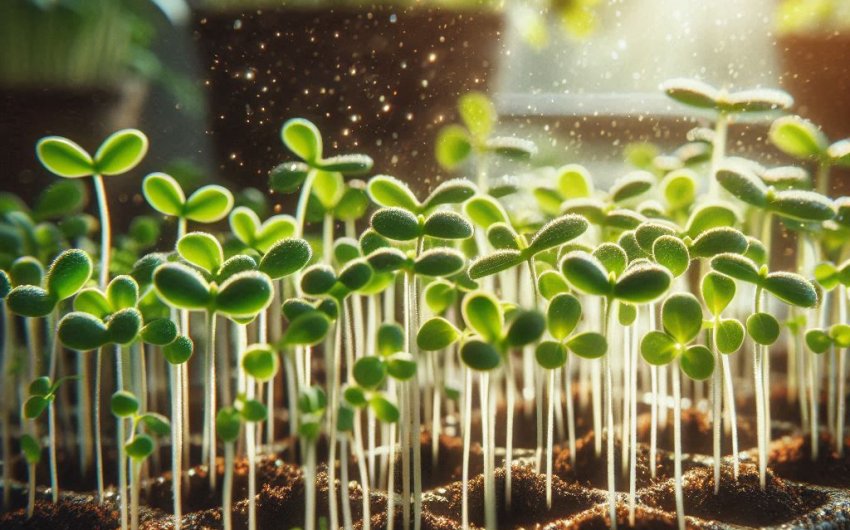
There's a unique satisfaction in nurturing a living thing from its very inception, watching a tiny speck of possibility unfurl into a vibrant, growing plant. While buying mature specimens is convenient, the journey of growing houseplants from seeds offers a deeply rewarding experience, a true testament to nature's magic right in your own home. It opens up a wider world of plant varieties, allows for cost-effective expansion of your indoor jungle, and provides a fascinating connection to the life cycle of your green companions.
Why Grow Houseplants from Seeds?
The idea of growing houseplants from seeds might seem a bit daunting when you can simply buy a mature plant. However, this method offers several compelling advantages, from expanding your plant horizons to deepening your connection with the natural world, making it a truly rewarding endeavor for any plant enthusiast.
Expanding Your Variety and Exploring Rare Species
One of the most exciting reasons to embark on growing houseplants from seeds is the incredible opportunity it provides for expanding your variety and exploring rare species. When you shop for houseplants at a local nursery or garden center, you're often limited to the most common and commercially viable types.
- Wider Selection: Seed catalogs and online seed retailers offer a vast array of species that are rarely available as potted plants. This opens up a world of fascinating foliage plants, unusual flowering specimens, and unique succulent varieties that you simply won't find anywhere else. Imagine growing a rare foliage houseplant seed that no one else in your neighborhood has!
- Unusual Forms and Colors: Even for common plant types, growing from seed can offer access to specific cultivars with unique leaf patterns, variegation, flower colors, or growth habits that aren't widely propagated vegetatively.
- Cost-Effective Experimentation: Seeds are significantly cheaper than established plants. This allows you to experiment with many different varieties without a large financial investment. If a particular species doesn't thrive in your home environment, the financial loss is minimal.
- Genetic Diversity: Plants grown from seed often have greater genetic diversity than those propagated vegetatively (from cuttings), which can sometimes lead to stronger, more adaptable plants.
- The Thrill of Discovery: There's a unique thrill in watching a tiny, often unrecognizable seed sprout and develop into a recognizable plant. It's a journey of discovery that's highly satisfying.
By venturing into growing houseplants from seeds, you break free from the limitations of retail availability and unlock a universe of botanical possibilities, enriching your indoor plant collection with truly unique and diverse specimens.
Cost-Effectiveness and the Joy of Nurturing
Beyond variety, growing houseplants from seeds offers tangible benefits related to cost-effectiveness and the profound joy of nurturing life from its very inception. These aspects make the journey incredibly rewarding.
- Significant Cost Savings: Established houseplants, especially larger or rarer specimens, can be quite expensive. Seeds, on the other hand, are remarkably affordable. For the cost of one small potted plant, you can often buy a packet of seeds that could yield dozens of plants. If you're looking to fill your home with many green companions or create indoor plant gifts, starting from seed is by far the most economical option. This makes it possible to build a substantial indoor garden on a budget.
- The Deep Satisfaction of Nurturing: There's a unique emotional connection and satisfaction that comes from watching a plant grow from a tiny seed into a thriving specimen under your care. You witness every stage of its development, from the first root emerging to the unfurling of its true leaves. This nurturing process fosters a deeper appreciation for the plant's life cycle and your role as its caretaker. It's an active form of mindfulness and connection to nature, even indoors.
- Learning Opportunity: The process teaches you invaluable lessons about plant needs, environmental factors, and patience. You learn firsthand about germination, light requirements, watering cycles, and how to troubleshoot early problems. This knowledge empowers you to become a more skilled and confident plant parent.
- Customization: You can decide on the number of plants you want to grow, ensuring you have enough to fill specific spaces or give as gifts. You can also influence their early growth by providing optimal conditions from day one.
- Sense of Accomplishment: Successfully growing a plant from seed, especially a species known to be challenging, provides an immense sense of accomplishment and pride.
Ultimately, growing houseplants from seeds is more than just a horticultural technique; it's a journey that combines practicality with a profound sense of achievement and a deeper connection to the living world around you.
How Do You Select the Right Seeds and Supplies?
Embarking on the journey of growing houseplants from seeds begins with careful selection. Choosing the right seeds for your environment and gathering the essential supplies are critical first steps that lay the groundwork for successful germination and healthy seedling development.
Choosing Houseplant Seeds: Common Varieties and Considerations
When choosing houseplant seeds, you'll quickly realize that not all plants are equally easy to start from seed. Some are straightforward, while others require specific conditions. Here are some common varieties suitable for beginners and key considerations.
- Good Beginner Houseplant Seeds: Start with varieties known for relatively easy germination and robust seedlings.
- Coleus (Plectranthus scutellarioides): Fantastic for vibrant foliage. Many varieties available from seed, offering incredible color patterns. Grow quickly. You can find a Coleus seed mix for indoor growing.
- Polka Dot Plant (Hypoestes phyllostachya): Tiny, charming plants with speckled leaves (pink, white, red). Easy to germinate.
- Impatiens (Impatiens walleriana - traditional): While often grown outdoors, they make lovely, colorful houseplants in bright, indirect light.
- Asparagus Fern (Asparagus setaceus or densiflorus): Delicate, airy foliage. Can be a bit slow but generally reliable.
- Cactus/Succulent Mixes: Many easy-to-grow cacti and succulent seeds are available in mixes, offering a fun variety (though often slow-growing).
- Spider Plant (Chlorophytum comosum): While usually propagated from "plantlets," you can also grow them from seed, though it's less common.
- Considerations When Choosing Seeds:
- Germination Time: Some seeds sprout in a few days (e.g., Coleus), others can take weeks or even months (e.g., some cacti, palms, or rare tropicals). Be prepared for the waiting period.
- Light Requirements for Germination: Some seeds need light to germinate (surface sow), others need darkness (cover with soil), and some don't care. The seed packet will tell you.
- Specific Dormancy Requirements (Stratification/Scarification): Some seeds, especially from temperate climates or certain tropical species, have a natural dormancy that needs to be broken before they'll sprout.
- Stratification: Cold, moist period to mimic winter (e.g., for some hardy outdoor plants, but occasionally for certain houseplant types).
- Scarification: Nicking or abrading the hard seed coat to allow water to penetrate. This is common for seeds with very hard shells. Check the seed packet for any special instructions.
- Mature Size: Consider how large the houseplant will eventually become. A tiny seed might grow into a very large plant that needs significant space.
- Reputable Seed Suppliers: Always buy from trusted seed companies. This ensures you get viable seeds of the correct species and variety, and often comes with helpful instructions.
By starting with easier varieties and understanding the basic needs of your chosen seeds, you'll greatly increase your chances of success in growing houseplants from seeds.
Essential Supplies for Seed Starting Success
Having the right essential supplies on hand is crucial for setting up your houseplant seed starting operation for success. These tools help create the optimal environment for germination and early seedling growth.
- Seed Starting Mix: This is paramount. Do NOT use garden soil or regular potting mix.
- Why: Garden soil is too dense, often contains weed seeds, and, crucially, carries pathogens (like those that cause damping off). Regular potting mix can be too heavy and retain too much moisture for delicate seedlings.
- What to use: A specialized, sterile, lightweight, and well-draining seed starting mix. These are typically peat-based (or coco coir-based) with added perlite or vermiculite for aeration. Look for a bag labeled sterile seed starting mix.
- Seed Starting Trays/Pots:
- Flats: Shallow trays without individual cells, good for sowing many seeds that will be transplanted later.
- Cell Packs: Trays with individual cells, which are great for reducing root disturbance during transplanting.
- Small Pots: Peat pots, coco coir pots, or small plastic pots (2-3 inches).
- Important: Whatever you use, ensure they have drainage holes. Clean and sterilize any reused containers.
- Humidity Domes/Covers: A clear plastic dome or even clear plastic wrap placed over your seed trays helps create a mini-greenhouse effect, maintaining high humidity essential for germination. Many seed starting kits with humidity dome include these.
- Heat Mat (Optional but Recommended): Many seeds, especially tropical houseplants, germinate best with consistent bottom heat. A seedling heat mat placed under your trays provides this.
- Light Source:
- Bright Window: A south-facing window (Northern Hemisphere) is ideal, but even then, it might not be enough light once seedlings emerge.
- Grow Lights: Highly recommended for robust, non-leggy seedlings. Simple fluorescent shop lights (T5 or T8) or LED grow lights are efficient choices. Position them just a few inches above the seedlings. A LED plant grow light is energy-efficient.
- Watering Can/Spray Bottle: A small watering can with a fine rose or a gentle spray bottle is essential for watering delicate seedlings without disturbing them or over-saturating the soil.
- Labels and Permanent Marker: Crucial for remembering what you planted where!
- Small Tools: Tweezers (for handling tiny seeds), small snips (for thinning), and a dibber (for making holes).
Gathering these essential supplies before you begin ensures you have everything needed to provide the optimal environment for your houseplant seeds to sprout and thrive.
How Do You Plant and Germinate Houseplant Seeds?
The moment of truth arrives with planting and nurturing your houseplant seeds through germination. This stage requires patience, precision, and the right environmental conditions to coax life from those tiny kernels of potential.
Sowing Seeds: Depth, Spacing, and Moisture
Sowing seeds correctly is a foundational step in growing houseplants from seeds. Attention to depth, spacing, and initial moisture will significantly impact your germination rates and the health of your future seedlings.
- Prepare the Seed Starting Mix:
- Place your sterile seed starting mix in a clean container.
- Gradually add warm water, mixing it thoroughly until the mix is uniformly moist, like a wrung-out sponge. It should clump slightly when squeezed but no water should drip out.
- Fill Trays/Pots: Fill your chosen seed trays or pots with the prepared moist mix, gently tamping it down to remove large air pockets, but don't compact it heavily. Leave about 1/2 inch of space from the top of the container.
- Sowing Depth: This is critical and varies by seed:
- General Rule: A common guideline is to sow seeds at a depth equal to about 2-3 times their diameter. For example, a seed that is 1/8 inch wide should be planted 1/4 to 3/8 inches deep.
- Light Requiring Seeds: Some tiny seeds (e.g., Coleus, Impatiens) require light to germinate. These should be surface sown – simply pressed lightly onto the surface of the moist soil and not covered, or covered with a very thin dusting of fine vermiculite to help maintain moisture. The seed packet will specify if light is needed.
- Dark Requiring Seeds: Most seeds prefer darkness to germinate. After placing them at the correct depth, gently cover them with the appropriate amount of seed starting mix.
- Spacing:
- Individual Cells: Sow 1-2 seeds per cell. If both germinate, thin to the strongest seedling later.
- Open Flats: Space seeds evenly, usually 1-2 inches apart, to allow for individual growth before transplanting. Overcrowding leads to weak, leggy seedlings prone to damping off.
- Initial Moisture: After sowing, mist the surface gently with a spray bottle to ensure good seed-to-soil contact and to moisten any dry spots created by covering.
- Labeling: Immediately label each tray or pot with the plant name and sowing date. This prevents confusion later.
By meticulously following these steps for sowing seeds, you provide your houseplant seeds with the optimal environment to begin their journey towards germination and healthy growth.
Providing Ideal Germination Conditions: Heat and Humidity
Once seeds are sown, creating the ideal germination conditions – primarily consistent heat and humidity – is paramount to encouraging them to sprout.
- Consistent Warmth (Heat Mat): Many houseplant seeds, especially those from tropical regions, require warm soil temperatures to germinate efficiently.
- Seedling Heat Mat: The most effective way to provide this is by placing your seed trays on a seedling heat mat with thermostat. Set the thermostat to the recommended temperature for your specific seeds (often between 70-85°F or 21-29°C).
- Warm Location: If you don't have a heat mat, place trays in the warmest spot in your home – on top of a refrigerator, near a heater (but not directly on it), or in a warm south-facing window (though natural temperature fluctuations can be less ideal than a mat).
- High Humidity (Humidity Dome): Seeds need consistent moisture to soften their seed coats and trigger germination.
- Humidity Dome: Cover your seed trays with a clear plastic humidity dome. This creates a mini-greenhouse effect, trapping moisture and maintaining high humidity around the seeds.
- Plastic Wrap: If you don't have a dome, you can use clear plastic wrap stretched tightly over the top of the tray, secured with a rubber band.
- Monitoring Moisture: Check daily to ensure the seed starting mix remains consistently moist. If it starts to dry out, mist gently with a spray bottle. The dome helps prevent rapid drying.
- Light for Germination (Depends on Seed):
- Darkness: Most seeds prefer darkness to germinate. Keep covered if this is the case.
- Light: If your seeds need light to germinate (as indicated on the packet), ensure they are uncovered (or very lightly covered with vermiculite) and placed under a gentle light source (a grow light or very bright indirect natural light) from day one.
- Patience: Germination times vary wildly depending on the species. Some seeds sprout in a few days, others take weeks, and some rare tropical seeds can take months or even a year! Don't give up too quickly unless there's no sign of life long past the expected germination window.
By diligently providing these ideal germination conditions, you significantly increase your chances of witnessing those exciting first sprouts as you cultivate your houseplants from seeds.
What Happens After Germination: Nurturing Seedlings?
Witnessing the first tiny green sprouts emerge is incredibly exciting, but the journey of growing houseplants from seeds is far from over. The seedling stage is critical, requiring careful nurturing to ensure your young plants develop into strong, healthy specimens.
Providing Adequate Light and Air Circulation
Once your houseplant seeds have germinated, the next crucial steps are to provide adequate light and good air circulation. These factors are paramount for healthy seedling development and to prevent common problems like damping off.
- Immediate Light for Sprouts: As soon as you see the first tiny green sprouts emerge (often just "cotyledons" or seed leaves), they need light immediately.
- Remove Humidity Dome: Take off the humidity dome as soon as most of your seeds have germinated. Maintaining high humidity after sprouting encourages damping off and other fungal diseases.
- Bright Light Source: Place your seedlings under a dedicated grow light (fluorescent shop lights or LEDs) or in the brightest possible window (south-facing, unobstructed). The grow light should be positioned just a few inches above the seedlings (e.g., 2-4 inches for fluorescent/LED tubes, adjusting for intensity with stronger LEDs).
- Why Light is Crucial: Seedlings that don't get enough light will become "leggy" – long, spindly, and weak stems stretching for light, with tiny leaves. They will be prone to toppling over and are more susceptible to disease. Proper light encourages compact, sturdy growth.
- Duration: Keep lights on for 12-16 hours per day. Use a light timer for plants for consistency.
- Good Air Circulation: Stagnant air around seedlings is a breeding ground for fungal diseases like damping off.
- Small Fan: Place a small oscillating fan nearby to provide a gentle breeze. This helps strengthen stems and dries the surface of the soil and leaves, discouraging fungal growth. Ensure the fan is on a low setting so it doesn't dry out seedlings too quickly or blow them over.
- Spacing: Ensure there's adequate space between seedling trays or individual cells to allow air to flow freely.
- Ventilation: If growing in a mini-greenhouse or enclosed space, ensure there's good ventilation.
By actively managing light and air circulation, you create an environment that promotes robust growth and prevents common pitfalls for your precious young houseplants grown from seeds.
Watering and Fertilizing Young Seedlings
Proper watering and careful fertilizing are essential for nurturing young houseplant seedlings. Their needs are different from mature plants, requiring a gentle and consistent approach to encourage strong, healthy development.
- Watering Young Seedlings: This remains critical for preventing damping off and ensuring proper hydration.
- Bottom Watering (Preferred): Continue to water from the bottom by placing trays in a shallow pan of water. Allow the soil mix to soak up water until the top surface appears moist, then remove from the water. This keeps the delicate stems and leaves dry, reducing fungal risk.
- Gentle Top Watering: If watering from the top, use a very fine mist spray bottle or a small watering can with a diffuser to avoid disturbing the seedlings or over-saturating the soil.
- Allow Slight Drying: Do not keep the seed starting mix constantly soggy. Allow the very top layer to feel slightly dry to the touch before watering again. This allows oxygen to reach the roots and discourages fungi.
- Fertilizing Young Seedlings:
- Initial Stage: For the first few weeks after germination, seedlings get enough nutrients from the seed itself and the sterile seed starting mix (which usually contains a very light nutrient charge). Do not fertilize immediately after germination.
- First True Leaves: Once your seedlings have developed their first set of true leaves (the leaves that appear after the initial "cotyledon" or seed leaves), they are ready for their first gentle feeding.
- Diluted Liquid Fertilizer: Use a liquid fertilizer specifically formulated for seedlings or a regular balanced houseplant fertilizer diluted to 1/4 or 1/2 strength. Start very cautiously.
- Frequency: Apply this diluted fertilizer once every 1-2 weeks, or according to product instructions for seedlings. Do not over-fertilize, as this can burn delicate roots. A liquid houseplant fertilizer for seedlings is best.
By carefully managing watering and fertilizing, you provide your young houseplant seedlings with the precise nourishment they need, supporting their journey from fragile sprouts to robust young plants.
When and How Do You Transplant Houseplant Seedlings?
The next significant milestone in growing houseplants from seeds is transplanting your seedlings. This process, often called "pricking out" or "potting up," moves seedlings from their crowded germination tray into individual homes where they have more space and nutrients to grow.
Recognizing Ready-to-Transplant Seedlings
Knowing when your houseplant seedlings are ready to transplant is crucial. Moving them too early can shock them, but waiting too long can lead to rootbound, weak plants. Look for these key indicators:
- First Set of "True Leaves": This is the most important sign. Your seedlings will first emerge with "cotyledons" or "seed leaves," which are embryonic leaves. After these, the first pair of leaves that look like miniature versions of the mature plant's leaves are called true leaves. Once your seedlings have developed at least two sets of true leaves, they are generally strong enough to handle transplanting.
- Size and Sturdiness: The seedlings should be sturdy enough to handle. They should be relatively compact, not extremely leggy (though some legginess can be managed with deeper planting during transplant).
- Root Development: While you don't want to disturb the roots too much before transplanting, if you gently tap a cell pack or a small clump of seedlings out, you should see a healthy network of white roots, indicating they are well-established enough to move. If roots are starting to circle around the bottom of the cell or flat, it's definitely time to transplant.
- Crowding: If you sowed seeds densely in an open flat and they are now crowded, it's time to transplant to give each seedling individual space and resources.
By waiting for your houseplant seedlings to develop their first true leaves and show signs of robust growth, you ensure they are strong enough to successfully navigate the move to their new, larger pots.
The Transplanting Process: Gentle Hands and New Homes
The transplanting process for houseplant seedlings requires gentle hands and a bit of care to minimize shock. Providing them with a suitable new home is vital for their continued growth.
- Prepare New Pots and Potting Mix:
- New Pots: Choose pots that are only slightly larger than the seedling's current root ball – typically 2-4 inches in diameter for the first transplant. Too large a pot holds too much moisture and can lead to root rot. Ensure pots have drainage holes.
- Potting Mix: Use a fresh, high-quality, well-draining indoor potting mix. This is different from sterile seed starting mix; it should be richer in nutrients but still well-aerated. You can use a general houseplant potting soil or a blend specific to your plant type (e.g., a cacti/succulent mix for succulent seedlings). Moisten the potting mix before use so it's evenly damp.
- Gentle Extraction:
- If using cell packs, gently push up from the bottom of the cell to loosen the seedling.
- If in an open flat, use a dull knife, popsicle stick, or a seedling transplant tool to carefully pry up individual seedlings, making sure to get as much of the root ball as possible. Avoid pulling the seedling by its stem or leaves.
- Handle seedlings by their leaves or root ball, never by the delicate stem, as it can easily break or get damaged.
- Planting in New Pot:
- Fill the new pot about halfway with moist potting mix.
- Create a small hole in the center with your finger or a dibber.
- Carefully place the seedling into the hole. If the seedling is a bit leggy, you can plant it a little deeper than it was originally, burying part of the stem to encourage stronger root development. However, avoid burying the first set of true leaves.
- Gently backfill around the root ball with more potting mix, lightly tamping to remove large air pockets.
- Watering After Transplant: Water the newly transplanted seedling immediately and thoroughly. This helps settle the soil around the roots and reduces transplant shock. Discard any excess water from the saucer.
- Post-Transplant Care:
- Indirect Light: Place freshly transplanted seedlings in a slightly shadier or bright indirect light location for the first few days to help them recover from transplant shock. Gradually move them back to their optimal light conditions.
- Monitor Moisture: Continue to water as needed, allowing the top inch or two of soil to dry out between waterings.
- No Fertilizer Immediately: Avoid fertilizing for the first week or two after transplanting, allowing the plant to acclimate to its new home.
By following these careful steps, you can successfully transplant your houseplant seedlings, giving them the space and nutrients they need to grow into robust and beautiful adult houseplants grown from seeds.