
Houseplants with Medicinal Properties: A Crossword Puzzle
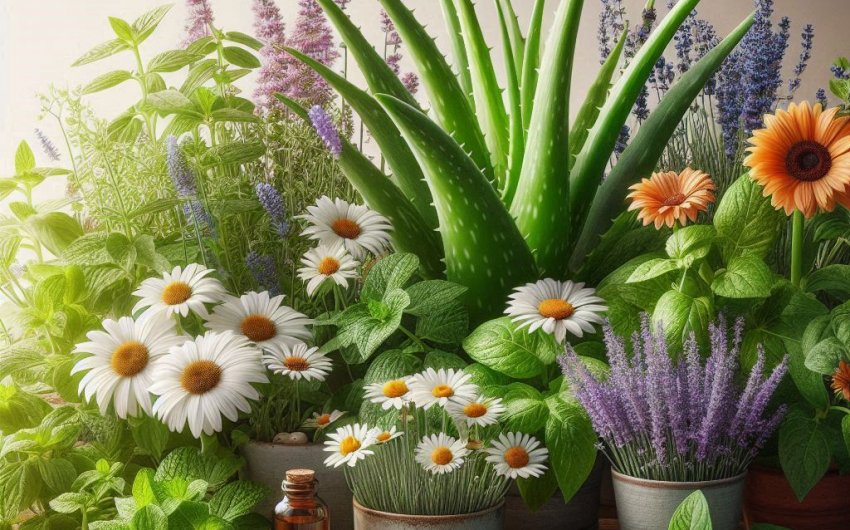
Bringing nature indoors does more than just add beauty to our spaces; it can also bring surprising benefits to our well-being. Many people enjoy houseplants for their aesthetic appeal and air-purifying qualities. What some might not realize is that certain common indoor plants also come with a fascinating history of medicinal uses. For centuries, cultures around the world have turned to plants for remedies, and some of these botanical wonders can still be found thriving right in our living rooms or kitchens.
Exploring the medicinal properties of houseplants offers a unique blend of historical knowledge and practical application. While it’s crucial to remember that this information is for educational purposes and not a substitute for professional medical advice, understanding these properties can deepen our appreciation for the natural world. From soothing skin to boosting overall health, these green companions have more to offer than just good looks. Let's dive into the exciting world of healing houseplants and test our knowledge with a fun challenge!
What Houseplants Are Known for Their Healing Powers?
Many plants we commonly grow indoors have a secret life as traditional remedies. It's fascinating to learn about their historical uses and the compounds they contain.
Aloe Vera: The Soothing Succulent
Aloe Vera is probably the most famous medicinal houseplant, and for good reason. Its thick, fleshy leaves contain a clear gel that's been used for thousands of years.
- Skin Soother: The gel from an Aloe Vera leaf is legendary for treating burns, especially minor sunburns. It can also help soothe cuts, scrapes, and skin irritations. It has cooling and anti-inflammatory properties.
- Wound Healing: Studies suggest Aloe Vera can speed up wound healing. It helps to keep the area moist and may reduce scarring.
- Moisturizer: Many people use Aloe Vera gel as a natural moisturizer. It's light, non-greasy, and hydrating, making it great for sensitive skin. You can easily find Aloe Vera plants to grow at home.
- Digestive Aid: While more controversial and less common for home use, the latex (yellow sap) of Aloe Vera, found just under the skin, has laxative properties. However, internal use should be approached with extreme caution and under professional guidance due to potential side effects.
Snake Plant: The Air Purifier and More
The Snake Plant (Sansevieria trifasciata), also known as Mother-in-Law's Tongue, is renowned for its ability to purify indoor air. But its medicinal history is also interesting.
- Air Purification: It's one of the best plants for removing toxins like formaldehyde, benzene, xylene, and trichloroethylene from the air, especially at night. This can contribute to better indoor air quality and overall well-being.
- Anti-inflammatory: In traditional African medicine, parts of the Snake Plant were used to reduce inflammation and pain.
- Wound Healing: Some cultures used poultices made from Snake Plant leaves for minor wounds and sprains.
- Headache Relief: There are historical accounts of its use for headache relief, though specifics are often anecdotal. While its air-purifying benefits are widely accepted, its direct medicinal applications require more research and are best left to traditional practices. Nevertheless, having a Snake Plant at home is definitely a boost for your indoor environment.
Spider Plant: The Humble Healer
The Spider Plant (Chlorophytum comosum) is another common and easy-to-grow houseplant, famous for its air-purifying abilities. It's less known for direct medicinal use but contributes to health in other ways.
- Air Cleansing: Like the Snake Plant, it's highly effective at removing common indoor air pollutants such as formaldehyde and xylene. Cleaner air means fewer respiratory irritants.
- Stress Reduction: Simply having plants around, like a Spider Plant, has been shown to reduce stress and improve mood, indirectly contributing to well-being.
- Wound Treatment (Traditional): In some traditional medicine systems, extracts were used for treating minor cuts and scrapes, although this is not widely practiced or studied in modern contexts. Its primary health benefit remains its excellent air purification.
Mint: A Culinary and Medicinal Delight
While often grown outdoors, Mint varieties like Peppermint (Mentha piperita) and Spearmint (Mentha spicata) can thrive indoors in a sunny spot. These aromatic herbs are powerful medicinal plants.
- Digestive Aid: Mint tea is a classic remedy for upset stomachs, indigestion, and nausea. Peppermint, in particular, is known to relax the muscles of the digestive tract.
- Headache Relief: The menthol in peppermint can help relieve tension headaches. Applying diluted peppermint oil to the temples can offer relief. You can grow your own Mint plant from seed or buy a small one.
- Respiratory Support: Inhaling the vapor from mint leaves or oil can help clear congested nasal passages and provide relief from colds and coughs.
- Anti-inflammatory: Mint contains compounds with anti-inflammatory properties, making it useful for soothing irritated tissues.
Lavender: The Calming Aromatic
Lavender (Lavandula angustifolia) is renowned for its beautiful flowers and delightful scent, often grown in gardens but can also be cultivated indoors with enough sunlight.
- Stress and Anxiety Relief: The scent of lavender is famous for its calming effects. It's widely used in aromatherapy to reduce stress, anxiety, and promote relaxation. Many people use lavender essential oil in diffusers.
- Sleep Aid: Its calming properties make it an excellent natural sleep aid. A sachet of dried lavender under your pillow or a few drops of lavender essential oil can help improve sleep quality.
- Antiseptic: Lavender has mild antiseptic properties and can be used on minor cuts and scrapes to prevent infection.
- Headache Relief: The soothing aroma can also help alleviate tension headaches. Having a Lavender plant indoors can continuously provide its calming aroma.
Rosemary: The Herb of Remembrance
Rosemary (Rosmarinus officinalis) is another fragrant herb that thrives indoors with plenty of light. It's a culinary staple but also has a rich medicinal history.
- Memory Booster: Rosemary has been traditionally associated with memory and focus. Studies suggest its aroma can improve alertness and cognitive performance.
- Antioxidant and Anti-inflammatory: It's packed with antioxidants and compounds that reduce inflammation, which are beneficial for overall health.
- Digestive Support: Rosemary tea can help soothe digestive upsets and indigestion.
- Pain Relief: Historically, rosemary oil was used topically for muscle and joint pain due to its anti-inflammatory properties. Growing a Rosemary plant can offer both fresh herbs and its invigorating aroma.
Thyme: More Than Just a Spice
Thyme (Thymus vulgaris) is a small, versatile herb that can be grown indoors. It's not just for cooking; it has significant medicinal uses.
- Antiseptic and Antibacterial: Thyme is known for its strong antiseptic and antibacterial properties, thanks to compounds like thymol. It's often used in natural cleaning products and mouthwashes.
- Cough and Cold Remedy: Thyme tea or syrup is a traditional remedy for coughs, sore throats, and bronchitis. It helps to loosen mucus and soothe the respiratory tract.
- Digestive Aid: It can help with indigestion and gas.
- Immune Support: Thyme is rich in vitamins and minerals, supporting overall immune health. Having a Thyme plant on your windowsill is a practical choice.
Basil: The "Royal" Herb
Basil (Ocimum basilicum) is a beloved culinary herb that's also easy to grow indoors. Beyond its delicious taste, it has several traditional medicinal applications.
- Anti-inflammatory: Basil contains compounds like eugenol that have anti-inflammatory effects.
- Stress Reduction: In Ayurveda, Holy Basil (Tulsi) is particularly revered as an adaptogen, helping the body cope with stress. Common sweet basil also has some calming properties.
- Antioxidant: Basil is a good source of antioxidants, protecting cells from damage.
- Digestive Support: It can help relieve indigestion and bloating. Growing your own Basil seeds is a rewarding experience.
Lemon Balm: The Calming Citrusy Herb
Lemon Balm (Melissa officinalis) is a delightful herb in the mint family with a distinct lemony scent. It grows well indoors with enough light.
- Anxiety and Sleep Aid: Lemon Balm is a gentle calming herb, often used to reduce anxiety, restlessness, and promote sleep. It's a common ingredient in herbal teas for relaxation.
- Digestive Aid: It can help soothe digestive upsets, including gas and bloating.
- Antiviral: Historically, it was used topically for cold sores due to its antiviral properties.
- Mood Uplifter: Its fresh, citrusy aroma can have a positive effect on mood. A Lemon Balm plant can be a lovely addition to your kitchen garden.
Stevia: The Natural Sweetener
While mainly known as a natural sweetener, the Stevia plant (Stevia rebaudiana) itself has some traditional medicinal uses, though its primary benefit is as a sugar substitute for health reasons. It can be grown indoors with proper care.
- Blood Sugar Regulation: Stevia has been used traditionally to help manage blood sugar levels, making it beneficial for diabetics or those looking to reduce sugar intake.
- Blood Pressure: Some studies suggest it might have a role in reducing high blood pressure, though more research is needed.
- Oral Health: It's non-cariogenic, meaning it doesn't contribute to tooth decay, unlike sugar. Growing your own Stevia seeds can be quite rewarding.
Air Plant (Tillandsia): The Surprising Healer?
While not traditionally medicinal, Air Plants (Tillandsia) contribute to a healthy environment in unique ways. Their ability to absorb nutrients from the air means they are efficient at helping to improve air quality, much like other green plants, albeit on a smaller scale. Good air quality is foundational for good health, so having these beautiful, low-maintenance plants around indirectly supports well-being. They can be found in a variety of shapes and sizes, like this Assorted Air Plants pack.
Peace Lily: The Detoxifier
The Peace Lily (Spathiphyllum) is a popular houseplant known for its elegant white blooms and excellent air-purifying capabilities.
- Toxin Removal: It excels at removing common indoor air pollutants such as benzene, formaldehyde, trichloroethylene, xylene, and ammonia. By cleaning the air, it contributes to a healthier living environment, reducing respiratory irritants and potential health issues linked to poor air quality.
- Humidity Booster: Peace Lilies also release moisture into the air, helping to increase indoor humidity. This can be beneficial in dry climates or during winter months when heaters dry out the air, potentially easing respiratory discomfort. While it doesn't have direct medicinal uses in the traditional sense, its impact on indoor air quality makes it a significant contributor to overall home health. Be aware that Peace Lilies are toxic if ingested by pets or humans, due to calcium oxalate crystals. Always keep a Peace Lily out of reach of curious hands and paws.
How Can You Safely Use Medicinal Houseplants?
While fascinating, it's crucial to approach the medicinal use of houseplants with caution and knowledge. Always remember that this information is for educational purposes only.
Always Research and Be Cautious
Before using any plant for medicinal purposes, always do thorough research. Identify the plant correctly. Many plants look similar but have different properties, and some can be toxic. Never assume a plant is safe just because it's commonly grown indoors.
- Identification is Key: Use reliable plant identification guides or apps. If you're unsure, don't use it.
- Source Your Plants: Ensure your plants haven't been treated with pesticides or harmful chemicals if you plan to use them internally or topically. Growing from organic seeds or reputable growers is best.
- Start Small: If trying a new herbal remedy, start with very small amounts to test for any allergic reactions or sensitivities.
Consult a Professional
This is perhaps the most important rule: never self-diagnose or treat serious conditions with houseplants.
- Medical Advice: For any health concerns, always consult a doctor or a qualified healthcare professional.
- Herbalists: If you are interested in herbal remedies, seek advice from a trained and certified herbalist who can provide personalized guidance.
- Interactions: Be aware that even natural remedies can interact with medications or existing health conditions. Inform your doctor about any herbal supplements or remedies you are using.
Preparation and Dosage
The way a plant is prepared and the dosage used are vital.
- Topical vs. Internal: Some plants are safe for topical use (on the skin) but not for internal consumption (eating or drinking). For instance, Aloe Vera gel is great on skin, but consuming its latex can have strong laxative effects and is not for everyone.
- Proper Preparation: Learn the correct way to prepare plant parts for use (e.g., making teas, infusions, poultices). Incorrect preparation can be ineffective or even harmful.
- Dosage: There is no standard dosage for most homemade herbal remedies. This is why professional guidance is so important.
Toxicity Concerns
Many houseplants, even those with medicinal properties, can be toxic if ingested.
- Keep Out of Reach: If you have children or pets, ensure any potentially toxic plants (like Peace Lilies or Snake Plants) are kept out of their reach.
- Symptoms: Familiarize yourself with the symptoms of plant poisoning for the plants you own.
- Emergency: In case of suspected poisoning, immediately contact poison control or your veterinarian.
When in Doubt, Don't Use It
When it comes to using plants for medicine, it's always better to err on the side of caution. If you have any doubts about a plant's identity, safety, or proper use, it's best not to use it. Enjoy your houseplants for their beauty and air-purifying qualities, and let medical professionals guide your health journey.
Can Houseplants Really Clean Your Air?
The idea that houseplants can clean your air became popular after a NASA study in the late 1980s. While plants do absorb certain pollutants, the effect in a typical home setting might be less dramatic than often believed.
The NASA Clean Air Study
The original NASA Clean Air Study in 1989 showed that certain plants could remove common indoor air toxins like formaldehyde, benzene, and trichloroethylene. This study was done in sealed chambers, which are very different from a leaky home with open windows and doors.
- Formaldehyde: Found in building materials, furniture, and glues.
- Benzene: Found in plastics, fabrics, pesticides, and cigarette smoke.
- Trichloroethylene: Found in cleaning products, printing inks, and paints.
How Do Plants Clean Air?
Plants clean the air through their leaves and roots:
- Leaves: The leaves absorb gases, including carbon dioxide and pollutants, through tiny pores called stomata.
- Roots and Soil Microbes: The roots play a significant role. Microbes (tiny organisms) living in the soil also break down pollutants.
Realistic Expectations for Home Air Quality
While plants do contribute to cleaner air, relying on them as your sole air purification system in a large, unsealed space might not be enough. You would need a very large number of plants to significantly impact the air quality of an entire house.
- Better Ventilation: Opening windows and doors, or using an exhaust fan, is generally more effective for removing indoor air pollutants.
- Air Purifiers: For serious air quality concerns, a mechanical HEPA air purifier is much more efficient.
- Indirect Benefits: Even if the direct air-cleaning effect is modest, plants offer other benefits: they increase humidity, reduce stress, and simply make spaces more pleasant. These factors indirectly contribute to health and well-being. So, while they might not replace an air purifier, they are still a great addition to a healthy home.