
Healing Houseplants: Medicinal Uses and Benefits
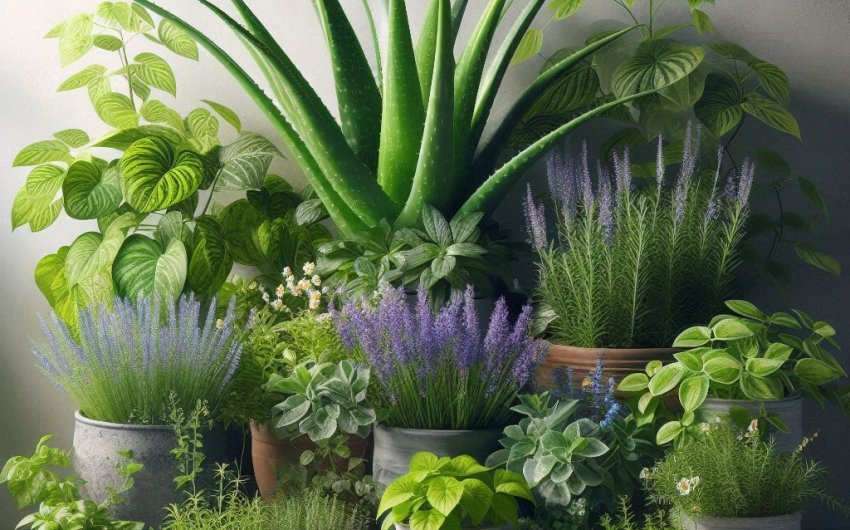
Houseplants do more than just make our homes look beautiful. Many of them hold surprising secrets in their leaves, stems, and roots. For centuries, people around the world have used plants not just for food and decoration, but for their healing powers. This ancient knowledge is still relevant today, as we seek natural ways to support our health and well-being. Bringing healing houseplants into your home can offer a deeper connection to nature's remedies.
Imagine a living first-aid kit, right on your windowsill! From soothing skin irritations to purifying the air we breathe, these green companions provide a gentle, natural approach to wellness. This guide explores some popular houseplants that offer significant medicinal uses and benefits. Discover how these botanical treasures can contribute to a healthier, happier living space.
What Are the General Benefits of Having Houseplants?
Before diving into specific medicinal uses, it's important to recognize the broad benefits of simply having plants indoors. These advantages contribute to overall health, creating a more positive environment for healing.
How Do Houseplants Improve Air Quality?
One of the most well-known benefits of houseplants is their ability to improve indoor air quality. Our homes can contain various chemicals released from furniture, cleaning products, and building materials. These are called Volatile Organic Compounds (VOCs).
- Absorbing Toxins: Plants act as natural air purifiers. Their leaves absorb common VOCs like formaldehyde, benzene, and trichloroethylene through tiny pores. The toxins are then transported to the plant's root system, where microorganisms break them down.
- Releasing Oxygen: During photosynthesis, plants take in carbon dioxide and release oxygen, which is essential for our breathing and overall vitality. While the amount of oxygen released by a few houseplants might be small, it contributes to a fresher indoor atmosphere.
Some of the best air-purifying houseplants include Snake Plant (Sansevieria trifasciata), Spider Plant (Chlorophytum comosum), and Peace Lily (Spathiphyllum spp.). A snake plant is known for being very easy to care for and highly effective at air purification, even at night.
How Do Houseplants Boost Mental Well-being?
Beyond air quality, plants have a profound impact on our mental and emotional health.
- Stress Reduction: Studies have shown that interacting with plants or even just having them in our line of sight can lower stress levels, reduce anxiety, and promote feelings of calm. The act of caring for a plant can be very meditative.
- Mood Enhancement: The presence of greenery and nature connects us to the outdoors, even when we're inside. This connection can boost mood, reduce feelings of sadness, and even improve concentration and productivity.
- Improved Sleep: Some plants like the Snake Plant release oxygen at night, which can contribute to a more restful sleep environment. The calming presence of plants can also help create a serene bedroom.
- Increased Creativity and Focus: Green spaces are known to inspire creativity and improve cognitive function. A desk plant can help you stay focused during work or study.
What Other General Health Benefits Do They Offer?
- Humidity Boost: Plants release moisture into the air through a process called transpiration. This can naturally increase indoor humidity levels, which is especially beneficial in dry climates or during winter months when indoor heating dries out the air. Adequate humidity can help alleviate dry skin, irritated throats, and respiratory issues.
- Reduced Dust and Allergens: Plants can help trap dust particles and other airborne allergens on their leaves, preventing them from circulating in the air. Regularly wiping down plant leaves keeps them clean and effective.
- Faster Recovery: Research suggests that patients recovering from surgery or illness tend to heal faster and report less pain when they have plants in their rooms or a view of nature.
What Specific Houseplants Have Medicinal Uses?
Many common houseplants have a rich history of medicinal use in various cultures. While it's always important to consult a healthcare professional for serious conditions, these plants offer gentle support for everyday ailments.
Aloe Vera: The Soothing Healer
The Aloe Vera plant (Aloe barbadensis miller) is perhaps the most famous and widely used medicinal houseplant. Its thick, fleshy leaves contain a clear gel packed with vitamins, enzymes, minerals, and amino acids. A small Aloe Vera plant is an essential for any healing home garden.
- Topical Uses:
- Burns and Sunburns: The most common use. Aloe gel has cooling, anti-inflammatory properties that soothe pain and help speed up healing of minor burns.
- Cuts and Scrapes: It acts as a mild antiseptic, helping to clean wounds and reduce the risk of infection. It also promotes skin regeneration.
- Skin Irritations: Soothes insect bites, rashes, eczema, and psoriasis due to its anti-inflammatory effects.
- Moisturizer: It's an excellent natural moisturizer, hydrating the skin without leaving a greasy residue.
- Internal Uses (Use with Caution):
- Digestive Aid: Small amounts of fresh inner gel (avoiding the yellow latex layer just under the skin, which is a strong laxative) can be consumed for digestive issues, heartburn, or constipation. However, always consult a doctor before ingesting Aloe Vera, especially the latex, as it can have strong purgative effects and interact with medications.
How to Use: Snip off a lower leaf, cut it lengthwise, and scoop out the clear gel. Apply directly to the skin.
Spider Plant: Air Purifier and Stress Reducer
While not used internally or topically, the Spider Plant (Chlorophytum comosum) provides significant medicinal benefits through its powerful air-purifying abilities and its positive impact on mental health. A simple spider plant offers continuous benefits.
- Air Purification: Highly effective at removing formaldehyde, xylene, and carbon monoxide from indoor air. These common toxins can cause headaches, dizziness, and respiratory problems. Cleaner air means fewer allergy symptoms and better overall respiratory health.
- Mental Well-being: Its easy care and graceful appearance make it a calming presence. Watching new "spiderettes" grow can be a simple, joyful activity that reduces stress.
Benefits: Cleaner air helps with better breathing, reduced allergy symptoms, and can even contribute to better sleep. The presence of the plant itself fosters a more serene living environment.
Snake Plant (Mother-in-Law's Tongue): Nighttime Oxygenator
The Snake Plant (Sansevieria trifasciata) is incredibly hardy and another champion of air purification. Its unique ability to convert CO2 to oxygen at night makes it ideal for bedrooms. An indoor snake plant requires minimal care.
- Nighttime Air Purification: Unlike most plants that photosynthesize during the day, the Snake Plant performs a type of photosynthesis called Crassulacean Acid Metabolism (CAM). This allows it to absorb carbon dioxide and release oxygen at night, improving bedroom air quality while you sleep.
- Toxin Removal: Excellent at removing formaldehyde, benzene, trichloroethylene, xylene, and toluene.
- Low Maintenance: Its ease of care reduces any stress associated with plant parenting, making it a truly "healing" presence.
Benefits: Better quality sleep due to increased oxygen, reduced exposure to airborne toxins, and a beautiful, calming presence in the room.
Peace Lily: Humidity Booster and Allergy Reducer
The Peace Lily (Spathiphyllum spp.) is known for its elegant white "flowers" (which are actually modified leaves called spathes) and its impressive ability to clean the air and boost humidity. A thriving peace lily plant is a visual delight.
- Air Purification: Very effective at removing a wide range of toxins, including ammonia, benzene, formaldehyde, and trichloroethylene.
- Humidity Enhancement: Peace Lilies release a significant amount of moisture into the air through transpiration. This increased humidity can be beneficial for:
- Respiratory Health: Soothing dry throats, easing coughs, and helping with conditions like asthma or bronchitis.
- Skin Health: Preventing dry, itchy skin.
- Allergy Relief: Increased humidity can sometimes help settle dust and alleviate dry nasal passages common with allergies.
Note: Peace lilies contain calcium oxalate crystals, which can cause irritation if ingested. Keep them away from curious pets and children.
Lavender: The Aromatic Stress Reliever (Potted)
While often grown outdoors, certain varieties of Lavender (Lavandula angustifolia) can be successfully grown indoors in bright, sunny spots. Its aromatic properties are well-known. A small potted lavender plant can bring delightful fragrance indoors.
- Aromatherapy: The scent of lavender is renowned for its calming and relaxing effects.
- Stress and Anxiety Reduction: Inhaling the scent can help reduce feelings of stress, anxiety, and even mild depression.
- Sleep Aid: Often used to promote restful sleep. Placing a lavender plant in the bedroom or near your bed can help create a relaxing atmosphere.
- Headache Relief: The soothing aroma can sometimes alleviate tension headaches.
How to Use: Gently brush your hand over the leaves to release the fragrance. You can also snip small sprigs and place them in a sachet near your pillow.
Peppermint: Digestive Aid and Invigorator (Potted)
Peppermint (Mentha x piperita) is a vigorous herb that can be grown indoors in a pot, especially in a sunny window. Its leaves are incredibly versatile for medicinal use. A simple peppermint plant can provide fresh leaves year-round.
- Digestive Support:
- Indigestion and Nausea: Peppermint tea is a classic remedy for an upset stomach, indigestion, gas, and bloating. It helps relax the muscles of the digestive tract.
- Irritable Bowel Syndrome (IBS): Some find relief from IBS symptoms with peppermint due to its antispasmodic properties.
- Headache Relief: The menthol in peppermint has a cooling, numbing effect that can help soothe tension headaches. You can apply diluted peppermint oil (or crushed leaves) to the temples.
- Respiratory Support: The menthol vapors can help clear congested airways during colds or allergies. Inhale steam from a bowl of hot water with fresh peppermint leaves.
How to Use: Steep fresh leaves in hot water for 5-10 minutes to make a soothing tea. Chew on a fresh leaf for instant breath freshening and mild digestive aid.
Rosemary: Focus and Memory Enhancer (Potted)
Rosemary (Rosmarinus officinalis) is another aromatic herb that thrives indoors with enough light. Beyond its culinary uses, it's valued for its cognitive and antioxidant properties. A small rosemary plant brings a refreshing scent to any room.
- Cognitive Enhancement: The scent of rosemary has been linked to improved memory and concentration. Inhaling its aroma may help you stay focused during tasks.
- Stress Reduction: The herbaceous scent can also have a calming effect, reducing stress and anxiety.
- Antioxidant Properties: Rosemary is rich in antioxidants, which protect cells from damage. While this is primarily from consuming it, having the plant around reinforces its healthy image.
How to Use: Simply brush your hand over the leaves to release the invigorating aroma. You can also make rosemary tea (steep fresh sprigs in hot water) for internal benefits.
Kalanchoe: Traditional Anti-Inflammatory (Specific Species)
Certain species of Kalanchoe, particularly Kalanchoe pinnata (also known as "Miracle Leaf" or "Leaf of Life"), have a long history in traditional medicine, particularly for their anti-inflammatory properties. Note that not all Kalanchoe varieties have the same medicinal properties, and some ornamental ones are toxic if ingested. Always identify your plant carefully. A true Kalanchoe pinnata plant is known for its distinctive leaf propagation.
- Anti-inflammatory: Traditionally used topically for swelling, bruises, and certain skin conditions.
- Wound Healing: Some cultures use crushed leaves or juice on minor cuts and abrasions to aid healing.
Use with Extreme Caution: Kalanchoe can be toxic if ingested in large quantities, especially by pets. Its traditional internal uses are complex and require expert guidance. For houseplant purposes, its topical use (if correctly identified and applied cautiously) is the primary focus.
How Do I Incorporate Healing Houseplants into My Home?
Bringing these beneficial plants into your living space isn't just about placing them randomly. Strategic placement can maximize their healing potential.
Where Should I Place My Healing Houseplants?
- Bedroom: Snake Plants and Lavender are excellent choices for the bedroom due to their nighttime oxygen release and calming aromas, promoting better sleep.
- Living Room: Larger plants like Peace Lilies and Spider Plants can make a significant impact on air quality in common living areas where family members spend a lot of time.
- Kitchen: Peppermint and Rosemary are perfect for a sunny kitchen window, providing fresh herbs for cooking and easy access for medicinal uses.
- Bathroom: Peace Lilies thrive in humid bathroom environments, boosting moisture levels.
- Desk/Workspace: A small Rosemary or Spider Plant can enhance focus, reduce stress, and purify the air in your personal workspace.
- First-Aid Nook: Keep an Aloe Vera plant easily accessible in a sunny spot, ready for minor burns or cuts.
What Are Best Practices for Caring for Them?
To ensure your healing houseplants thrive and provide their benefits, consistent care is essential.
- Light: Understand each plant's specific light needs. Most common houseplants prefer bright, indirect light.
- Watering: Don't overwater! Allow the top inch or two of soil to dry out before watering again. Use a soil moisture meter if unsure.
- Humidity: If you live in a dry environment, consider misting plants that love humidity (like Peace Lilies) or using a pebble tray.
- Soil and Potting: Use well-draining potting mix. Ensure pots have drainage holes. A good indoor potting mix is crucial.
- Cleanliness: Regularly wipe dust off leaves to help plants absorb light and purify air more efficiently.
- Pest Control: Inspect plants regularly for pests and treat them organically (e.g., with diluted neem oil or insecticidal soap) if necessary. An organic neem oil spray is a great tool.
Are There Any Safety Precautions I Should Take?
Yes, absolutely! While many healing houseplants offer benefits, it's vital to be aware of potential risks.
- Toxicity: Always research the toxicity of any plant before bringing it into your home, especially if you have pets or small children. Some plants (like Peace Lilies and Kalanchoe) can cause irritation if ingested. Keep potentially toxic plants out of reach.
- Allergies: While plants can reduce allergens, some individuals might be sensitive to specific plant pollens or compounds. If you develop symptoms, identify the culprit.
- Consult a Professional: Never use plants as a substitute for professional medical advice or treatment, especially for serious conditions. Always consult a doctor or qualified herbalist before using plants for internal medicinal purposes, particularly if you are pregnant, breastfeeding, or taking medications. Drug-plant interactions are possible.
- Identification: Ensure you correctly identify your plant. Many plants look similar but have different (or even harmful) properties.
- Organic Practice: If you plan to use plant parts for medicinal purposes, ensure you grow them organically, without synthetic pesticides or chemical fertilizers.
Embracing healing houseplants is a journey towards a more natural and connected lifestyle. These living green allies not only beautify our homes but also offer tangible benefits for our physical and mental well-being, proving that nature's pharmacy is often found right outside – or inside – our doors.