
Why Are My Houseplants Drooping? Causes and Quick Fixes
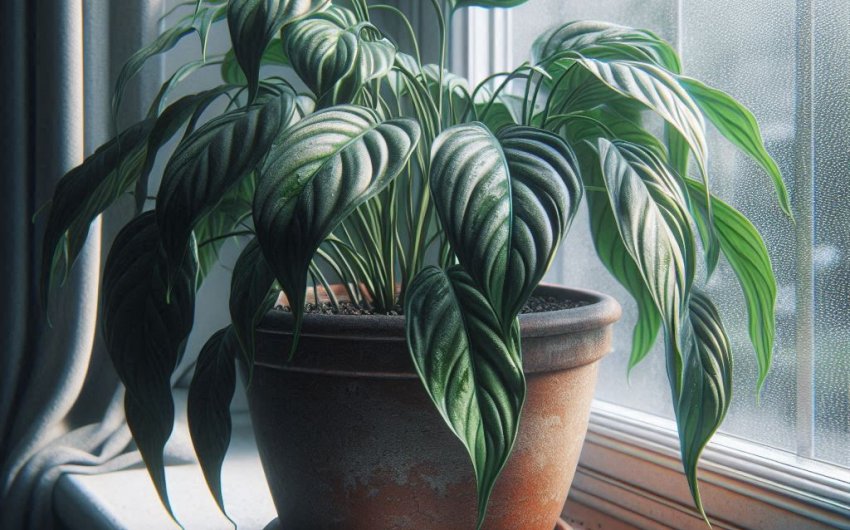
Few sights are more disheartening for a plant parent than seeing their once perky houseplants drooping, their vibrant leaves hanging limply instead of standing tall. Drooping leaves are your plant's way of sending an urgent distress signal, indicating that something in its environment isn't quite right. While it can be alarming, a droopy plant often has a straightforward explanation, and with a little detective work, you can usually identify the cause and bring your green companion back to life. This guide will walk you through the most common reasons why your houseplants might be losing their vigor, offering clear symptoms to look for and immediate, practical solutions to revive them, helping you restore their lush beauty.
Why Are My Houseplants Drooping? The Main Culprits
When your houseplant starts to droop, it's usually related to its water intake or environmental stress. Pinpointing the exact cause is key to a quick and effective recovery.
1. Underwatering: The Thirsty Plant
This is one of the most common reasons for drooping leaves, especially if you tend to be forgetful with your watering schedule.
- Symptoms:
- Limp, lifeless leaves: The plant looks sad and deflated, but the leaves aren't necessarily yellow or brown yet.
- Dry, brittle soil: The potting mix feels bone dry to the touch, often pulling away from the sides of the pot.
- Lightweight pot: The pot feels noticeably lighter than usual.
- Crispy leaf edges/tips: In advanced stages, leaves may start to brown and become crispy.
- Why it Happens: Plants draw water up through their roots to maintain turgor pressure – the internal water pressure that keeps plant cells rigid and firm. When there's not enough water, turgor pressure drops, and the plant essentially "collapses."
- Quick Fix:
- Give it a Good Drink: The best way to water a severely underwatered plant is to give it a thorough soak.
- Method 1 (Top Watering): Slowly pour water over the soil until it drains out of the bottom drainage holes. Let it sit in the drained water for 15-30 minutes to allow the soil to fully rehydrate, then discard any excess water.
- Method 2 (Bottom Watering): Place the potted plant (with drainage holes!) in a basin of water for 30 minutes to an hour, allowing it to soak up water from the bottom. Remove and let it drain completely. This is especially good for very dry soil that might repel water from the top.
- Observation: Your plant should perk up within a few hours to a day. If the leaves were crispy brown, they won't recover, but new growth should be healthy.
- Prevention:
- Check Soil Regularly: Get into the habit of checking the top inch or two of soil before watering. Use your finger or a moisture meter for plants.
- Consistency: Water when the plant needs it, not on a strict schedule, as needs vary with seasons and environment.
2. Overwatering: The Suffocated Plant
While seemingly opposite to underwatering, overwatering can also cause drooping leaves and is a more dangerous culprit, often leading to root rot.
- Symptoms:
- Limp, yellowing leaves: Leaves often turn yellow, especially lower ones, and may feel soft or mushy.
- Wet, soggy soil: The potting mix feels constantly wet, heavy, and might have a stale or foul odor.
- Stunted growth: The plant stops growing.
- Fungus gnats: Small black flies hovering around the soil surface are a common sign of perpetually wet soil.
- Why it Happens: Roots need oxygen to "breathe" and function. When the soil is constantly saturated with water, air pockets are eliminated, and roots essentially suffocate and begin to rot. Damaged roots can't absorb water effectively, leading to the same wilting appearance as underwatering, even though the soil is wet.
- Quick Fix:
- Stop Watering Immediately: Do not water again until the soil significantly dries out.
- Improve Drainage:
- Check Drainage Holes: Ensure your pot has working drainage holes. If it doesn't, repot immediately into a pot with drainage.
- Aeration: Gently poke holes in the top few inches of the soil with a chopstick or pencil to allow more air to reach the roots.
- Unpot and Inspect (for Root Rot): This is the most crucial step if you suspect root rot.
- Gently remove the plant from its pot.
- Brush away as much wet soil as possible.
- Inspect the roots: Healthy roots are firm and typically white or light tan. Rotted roots will be black, brown, mushy, slimy, or stringy and may smell foul.
- Prune Rotted Roots: Using clean, sharp scissors, cut away all diseased or mushy roots until you reach healthy, firm root tissue.
- Repot: Repot the plant into a clean pot (or one sterilized with a 10% bleach solution) with fresh, well-draining indoor potting mix. You might need to use a slightly smaller pot if you removed a lot of roots.
- Don't Water Immediately: Wait a few days after repotting to allow the plant to recover from the stress and any minor root wounds to heal. Then, water sparingly.
- Prevention:
- Proper Soil Mix: Use a well-draining potting mix. Add perlite or orchid bark to improve drainage if your soil is too dense.
- Drainage Holes are a Must: Never use a pot without drainage holes unless you are an expert at controlling water levels.
- Empty Saucers: Always empty excess water from saucers after watering.
3. Temperature Stress: Too Hot or Too Cold
Sudden or extreme temperature changes can shock your houseplants and cause them to droop.
- Symptoms:
- Limp, often yellowing leaves: The plant generally looks unhealthy.
- Crispy edges/spots (heat stress): Extreme heat can cause leaf burn.
- Shedding leaves: Plants may drop leaves to conserve energy.
- Why it Happens:
- Cold Shock: Cold temperatures can damage plant cells, reduce water uptake, and cause wilting. Plants don't like being near drafty windows, cold exterior walls, or air conditioning vents.
- Heat Stress: Excessive heat causes plants to lose water rapidly through transpiration (evaporation from leaves) faster than their roots can absorb it, leading to wilting.
- Quick Fix:
- Move the Plant: Relocate your plant away from cold drafts (windows, doors, AC vents) or excessive heat sources (radiators, heat vents, direct intense sunlight).
- Stabilize Temperature: Aim for consistent room temperatures between 65-75°F (18-24°C) for most houseplants.
- Prevention:
- Location, Location, Location: Place plants in stable environments.
- Winter Protection: In winter, ensure plants near windows are not touching cold glass.
4. Low Humidity: The Drying Plant
Many houseplants are tropical by nature and thrive in high humidity. Dry indoor air, especially in winter, can lead to drooping.
- Symptoms:
- Limp leaves, often with brown, crispy tips or edges: The browning is a key indicator, distinct from underwatering where the whole leaf often shrivels.
- Slow growth.
- Why it Happens: In dry air, plants lose water through their leaves (transpiration) too quickly. They can't replace the lost moisture fast enough, leading to a loss of turgor pressure.
- Quick Fix:
- Increase Humidity:
- Humidifier: The most effective method is to use a plant humidifier near your plants.
- Pebble Tray: Place the pot on a tray filled with pebbles and a bit of water. Ensure the bottom of the pot doesn't sit directly in the water. As the water evaporates, it increases local humidity.
- Group Plants: Placing plants close together creates a more humid microclimate through collective transpiration.
- Misting (Limited Effect): While popular, misting provides only a very temporary boost in humidity. It's not a long-term solution.
- Increase Humidity:
- Prevention:
- Humidifier in Dry Seasons: Run a humidifier, especially in winter when heating systems dry out the air.
- Strategic Placement: Avoid placing humidity-loving plants near heat vents.
5. Repotting Shock: The Stressed Transplant
Moving a plant to a new pot can cause temporary drooping as it adjusts to its new environment and its roots recover from disturbance.
- Symptoms:
- Sudden drooping after repotting: Leaves go limp shortly after the transplant.
- No other signs of distress: Soil moisture is appropriate, and temperatures are stable.
- Why it Happens: During repotting, some roots are inevitably damaged, making it harder for the plant to absorb water efficiently. It takes time for the roots to recover and establish in the new soil.
- Quick Fix:
- Be Patient: Most plants recover from repotting shock within a few days to a week.
- Provide Stable Conditions: Place the repotted plant in a spot with stable temperatures, bright but indirect light, and good humidity.
- Avoid Overwatering: Do not overwater during this period; slightly moist soil is better than soggy.
- No Fertilizer: Do not fertilize a stressed, newly repotted plant.
- Prevention:
- Repot Gently: Handle the root ball carefully.
- Water Before Repotting: Water the plant a day or two before repotting to reduce stress.
- Choose the Right Pot Size: Don't pot into a pot that is too large.
6. Nutrient Deficiency or Over-Fertilization
While less common as a direct cause of immediate drooping, severe nutrient issues can lead to overall plant weakness and contribute to limpness.
- Symptoms:
- Nutrient Deficiency: Pale or yellowing leaves (overall or specific patterns), stunted growth, general weakness. Drooping might be secondary to the overall lack of vigor.
- Over-Fertilization (Fertilizer Burn): Brown, crispy leaf tips or edges, stunted growth, sometimes overall limpness as roots are damaged.
- Why it Happens:
- Deficiency: Lack of essential nutrients prevents the plant from producing energy and maintaining cell structure.
- Over-Fertilization: Excess salts in the soil draw water out of the roots (osmosis), effectively dehydrating the plant and burning the roots.
- Quick Fix:
- Deficiency: Apply a balanced, diluted liquid houseplant fertilizer during the growing season.
- Over-Fertilization: Flush the soil thoroughly with plain, distilled, or filtered water until water runs freely from the drainage holes for several minutes. This helps wash away excess salts. Repeat in an hour or so.
- Prevention:
- Fertilize Sparingly: Most houseplants don't need frequent heavy feeding. Fertilize only during the active growing season (spring/summer) at half or quarter strength, typically every 2-4 weeks.
- Avoid Fertilizing Stressed Plants: Never fertilize a plant that is already struggling.
7. Pests: The Sap-Sucking Threat
Certain pests, especially those that suck sap from plant cells, can weaken a plant to the point of drooping.
- Symptoms:
- Drooping leaves: General limpness or weakness.
- Visible pests: Small insects (aphids, spider mites, mealybugs) on leaves, stems, or undersides.
- Sticky residue (honeydew): Often produced by aphids or mealybugs.
- Webbing: A sign of spider mites.
- Discolored spots or stippling: Tiny dots on leaves from pest feeding.
- Why it Happens: Pests extract vital plant sap, depriving the plant of the nutrients and water it needs, leading to a loss of vigor and turgor.
- Quick Fix:
- Isolate the Plant: Move the affected plant away from other houseplants to prevent spread.
- Physical Removal: For light infestations, wipe pests off with a damp cloth or cotton swab dipped in rubbing alcohol.
- Shower/Spray: For tougher pests, rinse the plant thoroughly in a shower or sink.
- Insecticidal Soap/Neem Oil: Apply an insecticidal soap or a diluted neem oil solution according to product instructions. Repeat applications are usually necessary to break the pest life cycle.
- Prevention:
- Regular Inspection: Inspect your plants regularly for early signs of pests.
- Quarantine New Plants: Isolate new houseplants for a few weeks before introducing them to your collection.
What Should I Do First When My Houseplant is Drooping?
When you notice your plant drooping, don't panic! Follow these diagnostic steps to quickly identify the problem.
The Droopy Plant Diagnostic Checklist:
- Check the Soil Moisture: This is the absolute first step. Stick your finger 2-3 inches deep into the soil.
- Bone Dry: Likely underwatering. Proceed with thorough watering.
- Soggy/Wet: Likely overwatering/root rot. Unpot and inspect roots.
- Perfectly Moist: If the soil moisture seems correct, move to the next step.
- Examine the Leaves and Stems:
- Are they just limp, or are they yellowing, crispy, or mushy?
- Are there any visible pests (webs, sticky residue, tiny bugs)?
- Is there browning on tips or edges (humidity issue)?
- Consider Recent Changes:
- Did you just repot the plant?
- Has there been a sudden temperature change (draft, heat wave)?
- Have you moved the plant to a new location with different light?
- When was the last time you fertilized?
- Check Drainage: Does the pot have drainage holes? Is the saucer full of water?
By systematically going through these steps, you can usually narrow down the cause of your plant's distress and apply the appropriate quick fix. Most houseplants are quite resilient and will bounce back with the right care and a little patience.