
Dealing with Mold in Houseplant Soil: What to Do and How to Prevent It
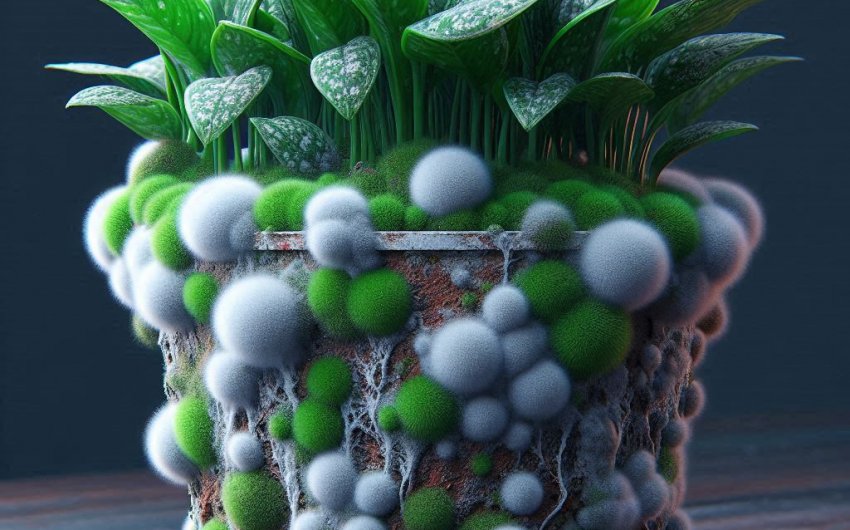
Discovering mold in houseplant soil can be unsettling for any plant parent. While often harmless to the plant itself, this fuzzy growth signals underlying issues with your plant care routine and can attract pests or indicate a less-than-ideal growing environment. Understanding what causes this fungal growth and how to effectively manage it is key to maintaining healthy, thriving houseplants.
What is That White, Fuzzy Stuff in My Houseplant Soil?
When you spot that suspicious white, fuzzy, or sometimes even yellowish growth on the surface of your houseplant soil, it's usually one of two things: actual mold or harmless mineral deposits. Knowing the difference is the first step in dealing with mold in houseplant soil.
Saprophytic Fungi (The "Mold"):
- Description: This is the most common type of growth resembling mold. It appears as a white, fuzzy, cotton-like, or sometimes yellowish, greenish, or brownish growth on the soil surface. It can sometimes form a thin crust.
- Nature: These are saprophytic fungi, meaning they feed on decaying organic matter in the soil. They are nature's recyclers, breaking down bark, peat moss, and other organic components in your potting mix. They are typically harmless to the plant itself because they don't attack living plant tissue; they're just feeding on dead stuff.
- Why it Appears: It thrives in conditions of high humidity, poor air circulation, and consistently moist or wet soil. It often appears after overwatering or in pots without good drainage.
- Smell: Usually has an earthy, mushroomy smell, or no strong odor at all. It rarely smells foul.
- Are they harmful? Generally, no, not directly to the plant. However, their presence is a strong indicator of conditions (overwatering, poor drainage) that can harm your plant. In rare cases, for highly sensitive individuals, mold spores could trigger allergies, though this is less common with soil mold than with household mold.
Mineral Deposits (Efflorescence):
- Description: This also appears as a white, sometimes crusty or powdery, substance on the soil surface or even on the outside of terracotta pots. It's often mistaken for mold.
- Nature: It's not a living organism. It's a buildup of salts and minerals that are left behind as water evaporates from the soil or through the porous walls of terracotta pots. These minerals are naturally present in tap water or can accumulate from fertilizers.
- Why it Appears: Most common with hard water or excessive fertilization. It's also very common with terracotta pots because they "breathe" and allow water to evaporate through their sides.
- Smell: No smell, or a faint salty smell.
- Are they harmful? Not immediately, but a severe buildup can indicate high salt levels in the soil, which can eventually lead to root burn or hinder water uptake for the plant. It's a sign that your plant might need leaching (flushing with water) or fresh soil.
Distinguishing Between Mold and Mineral Deposits:
| Feature | Saprophytic Fungi (Mold) | Mineral Deposits (Efflorescence) |
|---|---|---|
| Appearance | Fuzzy, cotton-like, thread-like, can be white, yellow, green, brown | Powdery, chalky, gritty, crusty, always white or off-white |
| Texture | Soft, spongy, often feels damp | Hard, dry, crumbly |
| Location | Mostly on soil surface, can grow over plant debris | On soil surface, pot rim, and outer walls of terracotta pots |
| Smell | Earthy, mushroomy, sometimes none | No smell, or slightly salty |
| Effect | Indicates overwatering/poor airflow conditions | Indicates hard water/excess fertilizer/salt buildup |
Once you've identified whether it's harmless mold or mineral buildup, you can take appropriate action to address dealing with mold in houseplant soil effectively.
What Causes Mold to Grow in Houseplant Soil?
Understanding the underlying reasons for mold in houseplant soil is crucial for both removal and, more importantly, prevention. Mold thrives on specific conditions, and by altering these, you can control its growth.
Overwatering:
- Explanation: This is the single biggest culprit. When you water your plant too frequently or too much at once, the soil stays constantly wet. Mold spores, which are always present in the air, need consistent moisture to germinate and grow.
- Impact: Perpetually damp soil creates the perfect breeding ground for mold. It also leads to other problems like root rot, which can kill your plant, even if the surface mold is harmless.
- Signs: Soil that feels constantly soggy, water sitting in the saucer for extended periods.
Poor Drainage:
- Explanation: Even if you water appropriately, a pot without drainage holes or potting mix that is too dense will trap excess water.
- Impact: This leads to stagnant, waterlogged conditions that encourage mold growth and, more seriously, root rot.
- Signs: Water sitting on the soil surface for a long time, soil that never seems to dry out.
Lack of Air Circulation:
- Explanation: Stagnant, humid air around the plant and soil surface is a prime environment for mold spores to settle and flourish.
- Impact: Placing plants too close together, in a tight corner, or in a room with poor ventilation (like a closed-off bathroom without an exhaust fan) traps moisture and humidity, favoring mold.
- Signs: No noticeable breeze around the plant, condensation on nearby surfaces.
High Humidity:
- Explanation: While many houseplants (like ferns) enjoy higher humidity, excessively high humidity levels, especially when combined with consistently moist soil and poor airflow, create an ideal environment for mold.
- Impact: The air is so saturated with moisture that water doesn't evaporate readily from the soil surface, leading to prolonged dampness.
- Signs: Humid climates, indoor humidifiers running too high, plants grouped too densely.
Rich Organic Potting Mix:
- Explanation: Potting mixes that are very rich in organic matter (like peat moss, bark chips, coir, or compost) provide an abundant food source for saprophytic mold.
- Impact: While these components are good for plant growth, they are exactly what the mold feeds on as they decompose. This is not necessarily a bad thing, but it's why mold appears.
- Signs: New potting soil, especially those with a lot of chunky organic material, is more prone to surface mold in its initial stages.
Low Light Conditions:
- Explanation: Plants in low light use less water, meaning the soil stays wet for longer periods. Additionally, direct sunlight can help to dry out the soil surface and inhibit some mold growth.
- Impact: A plant that needs bright light but is placed in a dim corner will be prone to overwatering and, subsequently, mold.
- Signs: Leggy plant growth, pale leaves in addition to mold.
By identifying which of these factors are at play, you can effectively address and prevent mold in houseplant soil, ensuring your plants thrive in healthier conditions.
How Do You Remove Mold from Houseplant Soil?
Once you've identified mold in houseplant soil, the immediate concern is how to get rid of it. While it's often harmless, removal is a good idea to prevent further issues and improve aesthetics.
1. The Simplest Solution: Scrape it Off
- Method: For light, superficial mold growth, simply use a spoon, trowel, or even your fingers (wearing gloves) to carefully scrape off the top layer of soil where the mold is growing.
- Discard Safely: Dispose of the moldy soil in the trash, not your compost pile, to prevent spreading spores.
- Follow-Up: Replace the removed soil with a thin layer of fresh, dry potting mix. This is a quick fix for small outbreaks.
2. Improve Air Circulation
- Fan: Place a small fan near your plants (not blowing directly on them at high speed, but gently circulating air) for a few hours a day. This helps dry out the soil surface and moves stagnant air. A small oscillating fan can work wonders.
- Spacing: Ensure plants are not crowded. Give them enough space for air to move freely around their pots and foliage.
- Location: Move plants out of tight corners or enclosed spaces.
3. Adjust Watering Habits
- Allow Soil to Dry: This is crucial. Before watering, allow the top 1-2 inches of soil (or more, depending on the plant's needs) to dry out completely. You can use a soil moisture meter for accuracy or simply feel with your finger.
- Water Deeply, Less Often: When you do water, water thoroughly until it drains from the bottom. Then, don't water again until the soil has dried to the appropriate depth.
- Empty Saucers: Never let your plant sit in standing water in its saucer for more than 20-30 minutes. Empty any excess water immediately.
4. Natural Treatments (for persistent mold)
- Cinnamon Powder:
- Method: Sprinkle a thin layer of cinnamon powder directly onto the moldy soil surface. Cinnamon acts as a natural fungicide.
- Benefits: Safe for plants and has a pleasant scent.
- Baking Soda Solution:
- Method: Mix 1 teaspoon of baking soda into 1 quart of water. Spray this solution directly onto the mold and the soil surface.
- Benefits: Creates an alkaline environment that discourages mold growth.
- Apple Cider Vinegar Solution:
- Method: Mix 1 part apple cider vinegar with 10 parts water. Spray lightly onto the affected soil.
- Benefits: Acidity can inhibit mold.
- Caution: Use sparingly and avoid soaking the soil, as too much acidity can affect soil pH for sensitive plants.
5. Repotting (for severe or recurring mold)
- When to Repot: If mold is a persistent problem, or if the soil seems consistently soggy and compact, repotting might be necessary.
- Process:
- Gently remove the plant from its current pot.
- Carefully brush or rinse off as much of the old, moldy soil from the roots as possible. Inspect roots for any signs of root rot (mushy, black, or smelly roots) and trim them away with sterilized shears.
- Repot the plant into a clean pot (sterilize old pots with a 10% bleach solution and rinse thoroughly) with fresh, well-draining potting mix.
- Ensure the new pot has adequate drainage holes.
- Avoid watering immediately after repotting for a day or two to allow the roots to settle.
- Potting Mix: Use a high-quality, airy, well-draining potting mix. For plants that prefer drier conditions, consider adding extra perlite or coarse sand for improved drainage. A bag of FoxFarm Ocean Forest Potting Soil is a good starting point.
By combining these removal techniques with proper care adjustments, you can effectively resolve issues with mold in houseplant soil and promote a healthier environment for your plants.
How Can You Prevent Mold from Growing in Houseplant Soil?
Prevention is always better than cure, and this holds true for mold in houseplant soil. By adopting good cultural practices, you can create an environment where mold is unlikely to thrive.
Optimize Watering Habits:
- The Golden Rule: Water only when your plant truly needs it. This means allowing the top layer of soil to dry out between waterings. The exact depth varies by plant type (e.g., 1 inch for ferns, 2-3 inches or more for succulents).
- Check Before You Water: Don't water on a schedule. Instead, check the soil moisture using your finger or a moisture meter.
- Thorough Drainage: Always ensure water drains out of the bottom of the pot. Never let your plant sit in a saucer of standing water.
Ensure Proper Drainage:
- Drainage Holes are a Must: Always use pots with drainage holes. If you prefer decorative pots without holes, use them as cachepots (a pot without holes that holds another pot with holes).
- Potting Mix Choice: Use a well-draining potting mix appropriate for your plant.
- For most houseplants: A standard all-purpose potting mix with peat moss, perlite, and coco coir works well.
- For succulents/cacti: Use a specialized cactus and succulent mix with more sand or grit.
- No Drainage Layer: Do not put rocks or broken pot pieces at the bottom of the pot. This actually hinders drainage by creating a "perched water table," trapping water above the layer.
Improve Air Circulation:
- Space Out Plants: Avoid overcrowding your plants. Give them enough room for air to flow freely around the foliage and soil surface.
- Ventilate Rooms: Regularly open windows, especially in areas where plants are kept, to allow fresh air in and stale, humid air out.
- Consider a Fan: In very humid or stagnant environments, a small, oscillating fan set on a low speed can help keep the air moving.
Optimal Light Conditions:
- Match Plant Needs: Place plants in locations that provide the appropriate light levels for their species. Plants in insufficient light will use less water, keeping the soil wet for longer, which promotes mold.
- Direct Sunlight (Surface Drying): For plants that tolerate it, a few hours of direct morning sun can help dry out the soil surface and inhibit mold. For shade-loving plants, ensure good ambient light.
Remove Organic Debris:
- Cleanliness: Regularly remove any fallen leaves, dead plant material, or food scraps from the soil surface. These provide an easy food source for mold.
- Mulch (Use Wisely): While decorative mulches like pebbles can look nice, a thick layer of organic mulch (like bark chips) on the soil surface can trap moisture and increase mold risk. Use sparingly or opt for inorganic options.
Avoid Over-Fertilizing:
- Excessive fertilizer salts can sometimes create a favorable environment for fungal growth, though less directly than overwatering. Stick to recommended fertilizer dosages and frequencies. A good slow-release houseplant fertilizer can reduce buildup.
Topdressing with Inorganic Material (Optional):
- If you find mold repeatedly appearing, you can add a thin layer (1/2 inch) of inorganic material like decorative pebbles, gravel, or horticultural sand on top of the soil. This creates a drier surface layer that mold struggles to grow on, while still allowing water to pass through.
By implementing these preventative measures, you can create a healthy, mold-resistant environment for your houseplants, effectively managing and avoiding mold in houseplant soil.
Is Mold in Houseplant Soil Dangerous?
When faced with mold in houseplant soil, a common concern is whether it poses a danger to your plants, your pets, or yourself. While its appearance can be alarming, the good news is that it's usually harmless.
Danger to Your Houseplant:
- Direct Harm: Generally, the white, fuzzy mold (saprophytic fungi) you see on houseplant soil is not directly harmful to your plant. It feeds on decaying organic matter in the potting mix, not on living plant tissue. It's part of the natural decomposition process, similar to what happens on a forest floor.
- Indirect Harm (Indicator): The presence of this mold is, however, a very strong indicator of underlying conditions that are harmful to your plant, primarily overwatering and poor drainage. If these conditions persist, your plant is at risk of:
- Root Rot: This is the real killer. Overly wet soil deprives roots of oxygen, causing them to rot. Rotten roots cannot absorb water or nutrients, leading to a decline in plant health and eventually death.
- Pest Infestations: Excessively wet soil and stagnant conditions can also attract fungus gnats, which are harmless to the plant but annoying. Their larvae feed on decomposing organic matter and sometimes delicate root hairs.
- Conclusion: The mold itself is benign, but its presence is a warning sign that your plant's environment needs attention.
Danger to Humans:
- Allergies/Asthma: For most people, direct exposure to the types of mold found in houseplant soil is unlikely to cause serious health issues. However, like any mold, it produces spores. In very sensitive individuals or those with severe allergies or asthma, inhaling a large concentration of spores could potentially trigger respiratory symptoms. This is typically more of a concern with household molds (like black mold) growing on walls or damp surfaces.
- Ingestion: While not recommended, accidentally touching the mold or getting a small amount on your hands and then ingesting it is highly unlikely to cause serious harm, as these are not typically pathogenic molds. Always wash your hands after handling plants and soil.
- Toxicity: The types of fungi that typically grow on houseplant soil are not considered toxic in the way that some poisonous wild mushrooms are. They do not produce harmful toxins that would transfer to the plant or air in significant amounts.
- Smell: A strong, foul, or fishy smell coming from the soil is more concerning and might indicate anaerobic conditions or severe root rot, which can produce unpleasant gases.
Danger to Pets:
- Mild Irritation: If a curious pet (dog or cat) licks or ingests a small amount of the moldy soil, it's generally unlikely to cause serious harm. At most, it might lead to mild stomach upset or vomiting.
- Toxic Plants: A greater concern is if your pet ingests parts of the plant itself if the plant species is known to be toxic to pets (e.g., Peace Lily, Sago Palm, Pothos). Always research plant toxicity for your pets.
- Fungus Gnat Larvae: While not directly harmful, pets might be interested in the moldy soil if there are a lot of fungus gnats, potentially consuming larvae.
- Best Practice: It's always best to deter pets from interacting with houseplant soil by keeping plants out of reach or covering the soil surface with decorative pebbles to reduce access.
In summary, while mold in houseplant soil looks unsightly and signals a need for care adjustments, it is generally harmless. The real danger lies in ignoring the underlying conditions (like overwatering) that the mold indicates, as these can severely impact your plant's health.