
Why Are My Houseplants Not Growing? Common Growth Issues Explained
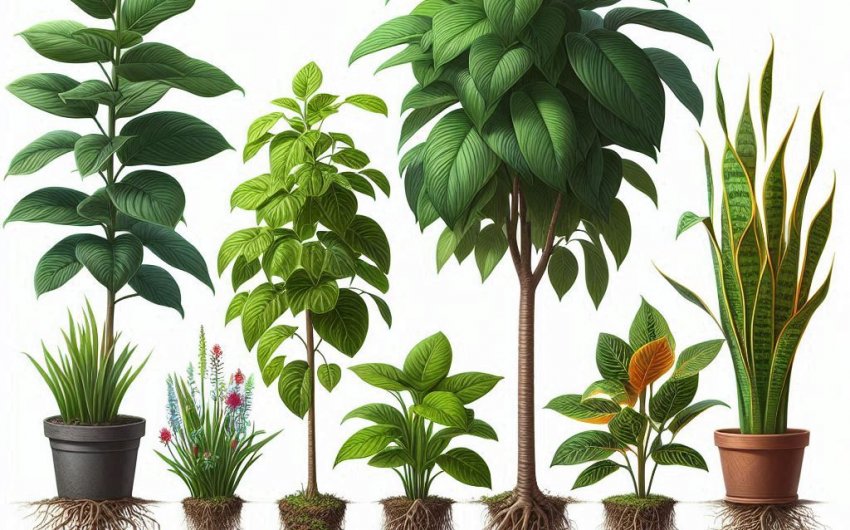
There's a quiet satisfaction that comes from nurturing a houseplant, watching new leaves unfurl and stems reach for the light. Yet, for many plant parents, there's also the familiar frustration of a plant that just... isn't doing anything. If you've ever wondered, "Why are my houseplants not growing?" you're not alone. Stagnant growth, yellowing leaves, or a general lack of vigor are common indicators that something is off in your plant's environment or care routine. This guide will explore the most frequent reasons for inhibited houseplant growth and offer practical solutions to help your green companions thrive.
What Are the Fundamental Needs for Houseplant Growth?
Before diving into common issues, it's helpful to remember the basic requirements all houseplants share for healthy growth. Think of these as the building blocks.
What are the Key Factors for Thriving Houseplants?
Just like any living organism, plants need a specific set of conditions to perform photosynthesis and develop.
- Light: The energy source for photosynthesis. Different plants have different light requirements, from bright direct sun to low indirect light.
- Water: Essential for nutrient transport, turgor (plant rigidity), and photosynthesis itself. Too much or too little is detrimental.
- Nutrients: Provided by the soil and supplemented by fertilizer, these are the chemical elements plants need to build new cells and tissues.
- Temperature: Most houseplants prefer a consistent temperature range, mimicking their native tropical or subtropical environments.
- Humidity: Many indoor plants originate from humid climates and suffer in dry indoor air.
- Air Circulation: Prevents stale air and helps deter fungal diseases.
- Pots and Potting Mix: The physical home for the roots, providing support, drainage, and nutrient retention.
When a plant isn't growing, it's usually because one or more of these fundamental needs aren't being met optimally.
Why Is Light So Important for Houseplant Growth?
Light is the fuel for plant growth. Without enough of it, or the right kind of it, plants simply cannot produce the energy needed to develop new leaves or stems.
How Does Insufficient Light Affect Growth?
This is one of the most common reasons for stunted houseplant growth.
- Slow or Stagnant Growth: With inadequate light, plants cannot perform efficient photosynthesis. They essentially starve for energy, leading to very little or no new growth.
- Leggy Growth (Etoliation): Stems become elongated and stretched out with widely spaced leaves as the plant desperately reaches for a light source. This growth is weak and spindly.
- Smaller Leaves: New leaves that do emerge are often significantly smaller than older leaves.
- Loss of Variegation: Variegated (multi-colored) plants may revert to solid green as they try to maximize chlorophyll production in low light.
- Dropping Lower Leaves: The plant may shed older, lower leaves to conserve energy.
- Solutions for Insufficient Light:
- Relocate: Move your plant to a brighter spot, closer to a window, or to a room with more natural light.
- Clean Windows: Dust and grime on windows can block significant amounts of light. Regularly clean them.
- Supplement with Grow Lights: For plants that need more light than your home can provide, especially during winter months, a grow light can make a huge difference. Choose full-spectrum LED grow lights for optimal results.
Can Too Much Light Be a Problem?
Yes, too much direct, intense light, especially for plants that prefer bright, indirect light, can also cause problems.
- Sunburn/Scorched Leaves: Brown, crispy spots or bleached-out areas on leaves, especially on the side facing the window.
- Fading Color: Overall dullness or fading of leaf color.
- Stressed Growth: Plants may become stunted or stop growing as they are constantly fighting stress.
- Solutions for Too Much Light:
- Move Further from Window: Relocate the plant to a spot further away from a south or west-facing window.
- Use Sheer Curtains: Place a sheer curtain over the window to diffuse intense light.
- Rotate: Regularly rotate your plant to ensure even light exposure and prevent one side from getting scorched.
How Does Watering Affect Houseplant Growth?
Water is vital, but getting the balance right is often the biggest challenge for new plant parents. Both overwatering and underwatering can halt growth and lead to plant decline.
What Are the Effects of Overwatering?
This is arguably the most common cause of houseplant demise and inhibited growth.
- Root Rot: Constantly soggy soil suffocates roots, leading to their decay. Damaged roots cannot absorb water or nutrients, effectively starving the plant.
- Yellowing Leaves: Often starting with lower leaves, turning yellow and mushy.
- Wilting (Paradoxically): Plants can wilt even when the soil is wet because the roots are rotted and can't absorb water.
- Stagnant Growth/Decline: Without functional roots, new growth stops, and the plant slowly declines.
- Foul Odor from Soil: A rotten or sour smell from the potting mix.
- Solutions for Overwatering:
- Improve Drainage: Always use pots with drainage holes. If your pot doesn't have them, repot immediately. Ensure your potting mix is well-draining.
- Water Less Frequently: Allow the top 1-2 inches (or more, depending on plant type) of soil to dry out completely before watering again. Use a moisture meter as a guide.
- Empty Saucers: Don't let plants sit in standing water in their saucers.
- Emergency Repotting: If root rot is suspected, unpot the plant, trim off any mushy, black roots, and repot in fresh, dry potting mix.
What Are the Effects of Underwatering?
While less immediately deadly than overwatering, consistent underwatering also stresses plants and stops growth.
- Stunted Growth: Plants slow or stop growing to conserve energy and moisture.
- Crispy, Brown Leaves: Leaves, especially at the edges or tips, turn dry and brittle.
- Drooping/Wilting: Leaves become limp and droop.
- Soil Shrinking: The potting mix may pull away from the sides of the pot.
- Solutions for Underwatering:
- Water Thoroughly: When you do water, water deeply until water drains from the bottom.
- Increase Frequency: Water more often if the soil dries out too quickly.
- Soak Method: For severely dry plants, place the entire pot in a basin of water for 30 minutes to an hour to allow the soil to rehydrate thoroughly.
Are Nutrient Deficiencies Stopping My Houseplant Growth?
Just like humans need a balanced diet, plants need essential nutrients for building blocks and metabolic processes.
How Does Lack of Fertilizer Affect Growth?
While fresh potting mix contains some nutrients, plants deplete these over time.
- Slow/Stunted Growth: The most direct symptom. The plant simply doesn't have the materials to produce new growth.
- Pale or Yellowing Leaves: Overall yellowing, or specific patterns of yellowing (e.g., between veins) can indicate specific nutrient deficiencies (e.g., nitrogen, iron).
- Small, Weak New Growth: If new leaves do appear, they are often tiny and less vigorous.
- Solutions for Nutrient Deficiency:
- Fertilize Regularly (During Growing Season): Use a balanced houseplant fertilizer according to product instructions, typically every 2-4 weeks during spring and summer.
- Dilution is Key: When in doubt, fertilize at half strength to avoid over-fertilization.
- Don't Fertilize in Winter: Most houseplants go dormant or semi-dormant in winter and don't need fertilizer.
Can Over-Fertilization Be Harmful?
Yes, too much fertilizer is worse than too little.
- Fertilizer Burn: Excess salts from fertilizer accumulate in the soil, "burning" roots and leading to brown, crispy leaf tips and edges.
- Stunted Growth: Roots become damaged, leading to nutrient uptake issues.
- White Crust on Soil Surface: A visible sign of salt buildup.
- Solutions for Over-Fertilization:
- Flush the Soil: Leaching involves pouring a large volume of clean water through the soil to wash out excess salts.
- Repotting: If severe, repotting into fresh soil is the best option.
- Reduce Frequency/Strength: Adjust your fertilization schedule and dilution.
How Do Potting Issues Affect Houseplant Growth?
The container and the medium it contains are critical for root health and overall plant vigor.
Why is Poor Drainage a Problem?
This relates directly to overwatering but is a structural issue.
- Root Rot: As discussed, lack of drainage leads to soggy soil and suffocated roots.
- Stunted Growth: Roots can't function, growth stops.
- Solutions for Poor Drainage:
- Pots with Drainage Holes: Non-negotiable for healthy houseplants. Always use them.
- Right Potting Mix: Use a well-draining potting mix specifically formulated for houseplants. Avoid heavy garden soil.
- Avoid Gravel at Bottom: Adding gravel to the bottom of a pot doesn't improve drainage; it often creates a perched water table, exacerbating problems.
When is a Plant Root-Bound?
A root-bound plant has outgrown its container, and its roots are circling tightly, leaving little room for soil, water, or nutrient uptake.
- Slowed Growth: New growth becomes minimal or stops entirely.
- Wilting Despite Watering: Roots are so dense they can't absorb enough water.
- Roots Growing Out of Drainage Holes: A clear sign the plant needs a bigger home.
- Solutions for Root-Bound Plants:
- Repotting: Move the plant to a pot that is only 1-2 inches larger in diameter. Gently loosen circling roots before repotting. Use a high-quality potting soil.
- Root Pruning (for large plants): For very large plants you don't want to size up, carefully prune back some of the outer roots and repot in the same size pot with fresh soil.
What if the Pot is Too Big?
A common mistake is putting a small plant in a much larger pot.
- Excess Moisture: A large pot holds too much soil and thus too much water, which can lead to soggy conditions around the roots of a small plant.
- Root Rot Risk: Increased risk of root rot due to prolonged wetness.
- Solutions for Oversized Pots:
- Repot to Smaller Size: Move the plant to a pot that is only slightly larger than its current root ball.
- Adjust Watering: Be extremely careful not to overwater a plant in an oversized pot.
Do Temperature and Humidity Levels Impact Houseplant Growth?
Yes, these atmospheric conditions play a significant role in a plant's overall health and ability to grow.
How Does Incorrect Temperature Affect Growth?
Most houseplants are tropical and prefer stable, warm temperatures.
- Too Cold:
- Stunted Growth: Metabolism slows down dramatically.
- Leaf Drop: Leaves may turn yellow or brown and fall off.
- Chill Damage: Brown spots, blackened leaves, or overall decline if exposed to cold drafts or temperatures below their tolerance.
- Too Hot:
- Wilting/Drooping: Plant struggles to transpire fast enough to keep up with moisture loss.
- Crispy Leaves: Especially tips and edges.
- Stressed Growth: Overall vigor declines.
- Solutions for Temperature Issues:
- Maintain Stable Temperatures: Keep most houseplants in rooms between 65-75°F (18-24°C).
- Avoid Drafts: Keep plants away from cold windows in winter or direct blasts from heating/AC vents.
- Protect from Extremes: Don't place plants directly near heat sources or in areas that experience large temperature swings.
Why is Humidity Important for Many Houseplants?
Indoor air, especially in winter with heating systems, can be very dry, which is a major stressor for many tropical plants.
- Crispy Leaf Edges/Tips: A classic sign of low humidity.
- Slowed Growth: Plants struggle to perform functions efficiently in dry air.
- Increased Pest Susceptibility: Dry air can make plants more vulnerable to pests like spider mites.
- Solutions for Low Humidity:
- Humidifier: The most effective solution for consistent humidity. A room humidifier can benefit both plants and people.
- Pebble Trays: Place pots on trays filled with pebbles and water (ensure the pot is not sitting in the water). As the water evaporates, it increases localized humidity.
- Grouping Plants: Plants release moisture through transpiration. Grouping them together creates a microclimate with higher humidity.
- Misting (Limited Effect): While visually appealing, misting offers only a temporary increase in humidity.
What Other Factors Can Cause Stunted Houseplant Growth?
Sometimes, the issues are less about basic needs and more about external stressors or hidden problems.
Could Pests Be the Problem?
Tiny insects can wreak havoc on plant health and stop growth.
- Sucking Sap: Pests like spider mites, mealybugs, aphids, and scale insects feed on plant sap, draining energy and nutrients.
- Stunted, Deformed Growth: New growth may appear twisted, distorted, or simply not emerge.
- Honeydew and Sooty Mold: Sticky residue (honeydew) and subsequent black, sooty mold indicate sap-sucking pests.
- Visible Pests: Look for tiny webbing (spider mites), white cottony masses (mealybugs), small green/black bugs (aphids), or bumps on stems (scale).
- Solutions for Pests:
- Inspect Regularly: Catch infestations early.
- Isolate Infected Plants: Prevent spread to other plants.
- Wipe Leaves: Use a damp cloth to physically remove pests.
- Insecticidal Soap: Apply insecticidal soap spray according to label directions.
- Neem Oil: A natural insecticide and fungicide, neem oil can deter and kill many common pests.
- Systemic Insecticides: For severe or persistent issues, a granular or liquid systemic insecticide can be considered (use with caution and only if safe for indoor use and for the specific plant).
What About Diseases?
Fungal or bacterial diseases can also inhibit growth.
- Leaf Spots: Brown, black, or yellow spots on leaves.
- Blight/Rot: Wilting, discoloration, and eventual decay of plant parts.
- Stunted Growth: Overall decline.
- Solutions for Diseases:
- Good Air Circulation: Prevents many fungal issues.
- Avoid Overwatering: Root rot is a common disease.
- Remove Infected Parts: Prune away diseased leaves or stems with sterilized shears.
- Fungicides (Rarely Needed Indoors): For severe cases, specific houseplant fungicides may be available, but good cultural practices are usually enough.
Could It Be Lack of Pruning?
Sometimes, plants simply need a little trim to encourage new growth.
- Leggy/Sparse Growth: Overgrown plants can put all their energy into extending existing stems rather than developing new ones or side shoots.
- Lack of Bushiness: If you want a fuller plant, pruning encourages branching.
- Solutions for Lack of Pruning:
- Pinch Back Growing Tips: For many plants, simply pinching off the newest growth at the tip of a stem encourages two new shoots to emerge from the node below.
- Prune Leggy Stems: Cut back long, leggy stems to a healthy node or a desired length. This can stimulate new growth from the base or along the stem. Use sharp, clean pruning shears.
Is Acclimation Shock a Factor?
Newly acquired plants often experience a period of slowed or no growth.
- Environmental Change: Moving a plant from a nursery (often high humidity, consistent light) to a new home environment is stressful.
- Temporary Stagnation: The plant is putting energy into adapting to its new surroundings, not necessarily into visible new growth.
- Solutions for Acclimation Shock:
- Patience: Give the plant time (several weeks to a month) to adjust before assuming a problem.
- Consistent Care: Provide stable, optimal conditions during this period. Avoid repotting immediately after purchase.
Understanding why your houseplants are not growing involves a bit of detective work, checking each aspect of their care and environment. By systematically assessing light, water, nutrients, and other factors, you can diagnose the issue and implement the right solutions, ensuring your green companions return to their thriving, vibrant selves.