
Root Rot in Houseplants: Signs, Prevention, and Treatment
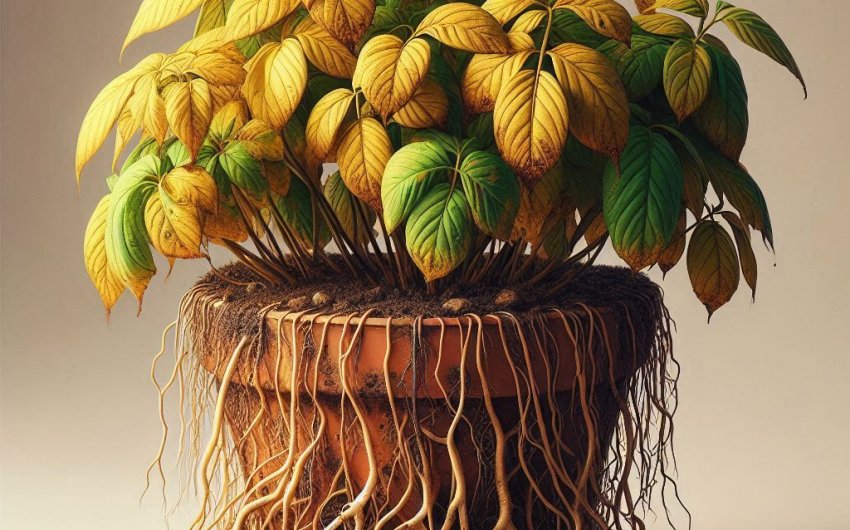
For any houseplant enthusiast, the phrase "root rot" sends a chill down the spine. This pervasive and often silent killer is a leading cause of houseplant demise, leaving many baffled by a plant that wilts despite seemingly adequate watering. Understanding the signs, prevention, and treatment of root rot in houseplants is arguably the most crucial skill a plant parent can master, as early detection and corrective action can mean the difference between a thriving green companion and a trip to the compost bin. This comprehensive guide will demystify root rot, empowering you to protect your plants and nurse them back to health.
What is Root Rot and How Does It Happen?
Root rot is a condition where a plant's roots begin to decay due to a lack of oxygen, typically caused by overwatering or poorly draining soil. It's a silent killer because the damage happens below the soil line, often manifesting as symptoms above ground that mimic underwatering.
How Does Overwatering Lead to Root Rot?
The common misconception is that too much water directly rots the roots. The real culprit is the lack of oxygen that standing water causes.
- Oxygen Deprivation: Plant roots, like all living tissues, need oxygen to function and absorb water and nutrients. When soil is constantly saturated with water, the air pockets are filled, depriving the roots of oxygen.
- Anaerobic Conditions: This lack of oxygen creates an anaerobic environment (without oxygen), which favors the growth of harmful anaerobic bacteria and fungi. These pathogens attack the weakened root cells, causing them to break down and rot.
- Damaged Roots: As roots rot, they become soft, mushy, black or brown, and can no longer effectively take up water or nutrients, leading to the symptoms seen above ground.
What are the Common Causes of Root Rot?
While overwatering is the primary cause, several factors contribute to creating the conditions ripe for root rot.
- Frequent Watering: Watering too often, without allowing the soil to dry out sufficiently between waterings.
- Poor Drainage:
- Pots without Drainage Holes: This is a major cause. Water accumulates at the bottom with nowhere to go.
- Heavy, Dense Potting Mix: Soil that is too dense (e.g., garden soil, cheap potting mix) can retain too much moisture and compact over time, reducing air pockets.
- Drainage Layer Myth: Adding gravel or broken pottery at the bottom of a pot without a drainage hole does not improve drainage; it often creates a "perched water table" where water accumulates just above the layer, making root rot worse.
- Oversized Pot: A pot that is too large for the plant's root ball will hold excess soil and, consequently, excess moisture that the plant cannot use before it becomes stagnant.
- Insufficient Light/Warmth: In low light or cool temperatures, plants use less water. If watering frequency isn't adjusted, the soil stays wet for too long.
- Compacted Soil: Over time, potting mix can become compacted, reducing airflow.
- Blocked Drainage Holes: Drainage holes can become clogged with soil or roots.
What are the Warning Signs of Root Rot in Houseplants?
Recognizing the symptoms of root rot can be tricky because many mimic underwatering. However, if you see these signs on a plant whose soil is consistently moist, it's a strong indicator of a problem beneath the surface.
What Symptoms Appear Above Ground?
These are the visual cues that alert you to a potential issue.
- Yellowing Leaves: Often starts with older, lower leaves turning yellow, then spreading upwards. Unlike underwatering (where leaves crisp), these yellow leaves might feel soft or mushy.
- Wilting/Drooping: This is the most confusing symptom. The plant will wilt and droop, just as it would if it were thirsty. However, if you check the soil and it's wet, then it's likely root rot. The plant is wilting because its damaged roots can't absorb water, even though water is plentiful.
- Stunted Growth: New growth will slow down significantly or stop entirely. Any new leaves that do emerge may be smaller or discolored.
- Brown/Black Leaves or Stems: As the rot progresses, leaves may turn dark brown or black, feel mushy, and eventually fall off. Stems near the soil line might also turn black and soft.
- Lack of Vibrancy: The plant will generally look dull, lifeless, and unhealthy.
How Can You Check the Roots Directly?
The most definitive way to diagnose root rot is to inspect the roots themselves.
- Gently Remove the Plant from its Pot: Tip the pot on its side, support the plant's base, and slide the root ball out.
- Examine the Roots:
- Healthy Roots: Should be firm, plump, and typically white or light tan in color, sometimes with fine root hairs. They will have a fresh, earthy smell.
- Rotted Roots: Will appear dark brown or black, feel soft and mushy (like cooked spaghetti), and often have a foul, rotten, or sulfurous odor. They may easily fall apart when touched.
- Inspect the Potting Mix: The soil itself might look excessively wet, matted, or have a sour smell.
How Can You Prevent Root Rot in Houseplants?
Prevention is the most effective strategy against root rot. By adopting good watering habits and ensuring proper environmental conditions, you can largely avoid this common problem.
What are the Best Watering Practices?
Correct watering is the cornerstone of root rot prevention.
- Water Only When Necessary: Do not water on a schedule. Instead, water based on the plant's needs and the dryness of the soil.
- Finger Test: Stick your finger 1-2 inches (or deeper for larger pots/plants) into the soil. If it feels dry, it's time to water. If it feels moist, wait.
- Moisture Meter: A soil moisture meter provides an accurate reading of soil moisture levels.
- Lift the Pot: Get used to the weight of your potted plant when it's dry versus when it's just been watered. A light pot usually means it's time to water.
- Water Thoroughly: When you do water, water deeply until water drains from the bottom of the pot. This ensures the entire root ball gets hydrated.
- Drainage is Key: Always use pots with drainage holes. If you love a decorative pot without holes, use it as a cachepot (a decorative outer pot) and keep your plant in a plastic nursery pot with drainage holes placed inside. Remove the inner pot for watering to allow it to fully drain.
- Empty Saucers: Never let your plant sit in standing water in its saucer. After watering, empty any excess water that collects.
- Adjust for Season/Conditions:
- Winter/Low Light: Plants use less water when light is low or temperatures are cooler, so reduce watering frequency.
- High Humidity/Cooler Temperatures: Soil will dry out slower.
- High Heat/Bright Light: Soil will dry out faster, requiring more frequent watering.
How Can You Choose the Right Potting Mix and Pot?
The right environment for the roots starts with the container and its contents.
- Pot with Drainage Holes: This cannot be stressed enough. It is fundamental.
- Well-Draining Potting Mix: Do not use garden soil in pots, as it's too dense and doesn't drain well. Use a high-quality indoor potting mix specifically formulated for houseplants. These mixes typically contain ingredients like perlite, vermiculite, or coco coir to improve drainage and aeration.
- Amend if Needed: For plants that particularly dislike wet feet (e.g., succulents, cacti, ZZs, Sansevierias), you can amend a standard potting mix with extra perlite or coarse sand to increase drainage further.
- Correct Pot Size: Choose a pot that is only slightly larger than the plant's current root ball (typically 1-2 inches wider in diameter than the old pot). An oversized pot holds too much excess moisture that the plant can't use, increasing root rot risk.
What About Air Circulation and Temperature?
These environmental factors influence how quickly the soil dries out.
- Good Air Circulation: Ensures the potting mix can dry out evenly and prevents stagnant conditions around the plant. Avoid placing plants in cramped spaces where air cannot move.
- Consistent Temperatures: Most houseplants prefer stable indoor temperatures (around 65-75°F / 18-24°C). Avoid placing plants near cold drafty windows in winter or directly next to heating/AC vents, as extreme temperature fluctuations can stress roots.
How Do You Treat Root Rot in Houseplants?
If you suspect or confirm root rot, swift action is crucial for saving your plant. The goal is to remove the affected roots and provide a healthy environment for recovery.
Step-by-Step Treatment for Root Rot:
- Act Quickly: The sooner you intervene, the higher the chances of recovery.
- Gently Unpot the Plant: Carefully remove the plant from its container. Try to keep the root ball as intact as possible initially.
- Inspect the Roots and Remove Old Soil:
- Gently brush away as much of the old, soggy potting mix as possible from the roots.
- Examine the roots thoroughly. Identify all the soft, mushy, black, or brown roots. These are the rotted parts.
- Prune Rotted Roots: Using sharp, sterilized pruning shears or scissors, carefully cut away all the diseased, mushy roots. Cut back to healthy, firm, white or tan tissue. Don't be afraid to remove a significant portion if necessary; it's better to remove all rot.
- Clean the Remaining Roots (Optional but Recommended): You can gently rinse the remaining healthy roots under lukewarm running water to remove any lingering fungus or bacteria.
- Prune Foliage (Optional but Recommended for Severe Cases): If a significant portion of the root system has been removed, it's wise to prune back some of the foliage (leaves and stems). This reduces the amount of plant material the compromised root system needs to support, allowing the plant to focus its energy on growing new roots. Aim to remove about the same proportion of foliage as you did roots.
- Repot with Fresh, Well-Draining Soil:
- Clean Pot: If reusing the old pot, wash it thoroughly with soap and water, and consider sterilizing it with a diluted bleach solution (1 part bleach to 9 parts water) to kill any remaining pathogens. Rinse well.
- New Potting Mix: Use fresh, sterile, well-draining potting mix. You can enhance drainage by adding more perlite or coarse sand if desired.
- Repot: Place a layer of new potting mix at the bottom of the pot, position the plant, and fill around the roots with more fresh mix, gently firming it down.
- Initial Watering and Post-Treatment Care:
- Lightly Water: After repotting, water lightly – just enough to settle the soil. Avoid saturating it.
- Bright, Indirect Light: Place the plant in a location with bright, indirect light. Avoid direct sun, which can further stress a recovering plant.
- Increase Humidity: High humidity can help stressed plants by reducing the workload on their roots. Consider a humidifier or a pebble tray.
- Avoid Fertilizer: Do not fertilize a recovering plant. Wait until you see new, healthy growth emerging before resuming a very dilute fertilization schedule.
- Patience: Recovery from root rot takes time. Be patient and consistent with proper watering. It can take weeks or even months for the plant to show significant signs of new growth.
Can You Use Fungicides for Root Rot?
Fungicides are generally not recommended for home treatment of root rot caused by overwatering.
- Cause is Key: The primary cause is lack of oxygen and the resulting anaerobic conditions, not solely a fungal infection that a fungicide would target effectively.
- Effectiveness: Fungicides might kill some opportunistic fungi, but they won't fix the underlying issue of poor drainage or overwatering.
- Toxicity: Many effective fungicides are not suitable for indoor use due to toxicity or specific application requirements.
- Best Approach: Focus on the cultural practices (pruning rotted roots, repotting in fresh, well-draining soil, and correct watering) as these are far more effective.
What if the Root Rot is Too Severe?
Sometimes, a plant is too far gone to save, especially if all or most of the root system has rotted.
- Take Cuttings: If there are still healthy stems and leaves, you can try to take cuttings from the healthy parts and propagate them in water or fresh, sterile potting mix. This is often your last chance to save the plant's genetics. Use clean shears to take cuttings just below a node. Dip the cut end in rooting hormone powder for better success.
By diligently understanding the signs, prevention, and treatment of root rot in houseplants, you gain the essential knowledge to keep your indoor garden thriving and confidently tackle this most common and challenging houseplant ailment.