
How to Revive a Dying Houseplant: Step-by-Step Instructions?
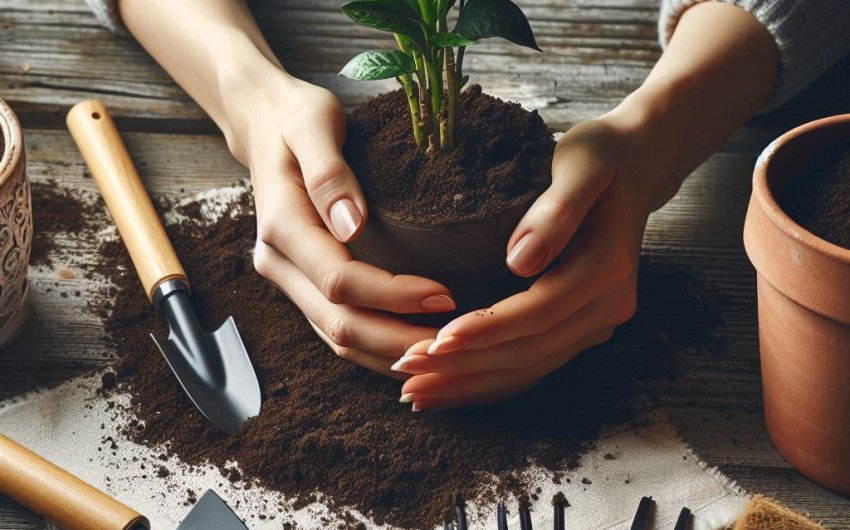
Watching your beloved houseplant decline can be disheartening, but often, it's not too late to turn things around. Learning how to revive a dying houseplant involves a systematic approach to identify the underlying problem and provide the specific care it needs to bounce back. Most houseplant issues stem from imbalances in light, water, temperature, or nutrients, and with a little detective work and timely intervention, you can bring your green friend back to life.
What Are the First Signs of a Dying Houseplant?
Recognizing the early warning signs that your houseplant is struggling is crucial for a successful rescue mission. The sooner you identify these symptoms, the easier it is to learn how to revive a dying houseplant.
1. Leaf Discoloration
Changes in leaf color are often the first and most obvious indicators of distress.
- Yellowing Leaves (Chlorosis):
- Overall Yellowing, especially Older/Lower Leaves: Often a sign of underwatering or nitrogen deficiency. If the soil is very dry, it's likely underwatering. If soil moisture is good, consider a nutrient issue.
- Yellowing between Veins (Green Veins, Yellow Blade): This is typically a sign of iron deficiency or other micronutrient issues, often related to soil pH that prevents nutrient uptake.
- Sudden Overall Yellowing: Can indicate overwatering (especially if accompanied by mushy stems), cold shock, or transplant shock.
- Browning Leaves:
- Crispy, Brown Edges/Tips: Almost always a sign of underwatering, low humidity, or salt buildup from over-fertilization. The whole leaf might eventually turn crispy.
- Mushy, Black/Dark Brown Spots: A clear indicator of overwatering leading to root rot or a fungal disease. The stems might also be soft and dark.
- Random Brown Spots: Can indicate a fungal infection or physical damage.
- Pale or Faded Green Leaves:
- Leaves losing their vibrant green and looking washed out can mean insufficient light. The plant might also appear stretched or "leggy."
- Can also be a sign of nutrient deficiency if light and watering are optimal.
2. Wilting or Drooping
Wilting means the leaves or stems are drooping or sagging.
- Drooping Leaves (Limp, but still green):
- Dry Soil: Most commonly, wilting is a classic sign of underwatering. The plant isn't getting enough water to keep its cells turgid.
- Soggy Soil: Counter-intuitively, wilting can also indicate overwatering. Roots that are waterlogged and rotting can't absorb water, causing the plant to "drown" even in wet soil. Check soil moisture carefully.
- Root Bound: A plant that's severely root-bound may struggle to get enough water and nutrients, leading to wilting.
- Extreme Temperatures: Too cold or too hot can cause wilting.
3. Stunted or Abnormal Growth
If your plant isn't growing as expected, or new growth looks odd, it's a sign of a problem.
- No New Growth: If your plant isn't growing at all during its active growing season, it's stressed. Could be lack of light, nutrients, or root problems.
- Small New Leaves: New leaves that are significantly smaller than older leaves can indicate lack of nutrients or insufficient light.
- Leggy Growth (Stretching): Long, spindly stems with widely spaced leaves indicate the plant is desperately reaching for more light.
- Distorted or Crinkled Leaves: Can be a sign of pest infestation (sucking insects), nutrient deficiency, or viral diseases.
4. Pest Infestation Signs
Look closely for tiny invaders.
- Visible Pests: Tiny white dots (mealybugs, whiteflies), sticky sap (aphids), fine webbing (spider mites), or small black specs.
- Sticky Residue (Honeydew): A clear, sticky substance on leaves or surfaces below the plant, often a sign of aphids, mealybugs, or scale.
- Sooty Mold: Black, powdery mold that grows on honeydew.
5. Mushy or Soft Stems/Bases
This is a serious sign of advanced distress.
- Dark, Mushy Stem: This almost always means root rot caused by severe overwatering. The stem tissue is decaying. This often precedes plant death.
By regularly inspecting your houseplant's leaves, stems, soil, and overall growth, you can catch these signs early and take corrective action to revive a dying houseplant before it's too late.
What is the First Step to Take When a Houseplant is Dying?
Before you do anything else, the absolute first step in learning how to revive a dying houseplant is to play detective. You need to identify the most likely culprit by carefully observing the plant and its environment.
Step 1: Assess the Situation - The Plant & Its Environment
Don't just randomly change things. Start by systematically checking key factors.
1.1 Check the Soil Moisture
This is the most common problem and the easiest to check.
- How to Check: Stick your finger about 2 inches (5 cm) deep into the soil. You can also use a Plant Moisture Meter for accuracy.
- What it Tells You:
- Bone Dry: If the soil is completely dry, you're likely underwatering. This is often the reason for crispy, browning leaves or overall wilting.
- Soaking Wet/Soggy: If the soil is constantly wet, especially if it smells foul or there are fungus gnats, you're likely overwatering. This leads to root rot, causing yellowing, mushy leaves, and wilting (because rotten roots can't absorb water).
- Just Right: Soil should feel moist but not soggy, or dry to the touch depending on the plant's needs.
1.2 Evaluate Light Conditions
Is the plant getting too much, too little, or the wrong kind of light?
- Symptoms of Too Little Light: Pale, leggy (stretched), small new leaves, lack of growth, dull color.
- Symptoms of Too Much Light (Sunburn): Brown or bleached spots on leaves, faded color, sometimes crispy edges, especially on plants known for lower light tolerance.
- Consider Natural Light: Is it near a bright window (south-facing for high light, north-facing for low light)? Is anything blocking the light (curtains, other plants)?
- Consider Artificial Light: Is it getting enough supplemental light if natural light is insufficient?
1.3 Inspect for Pests
Pests can weaken a plant and make it look unwell.
- Thorough Inspection: Look closely at the tops and undersides of leaves, stems, and in leaf axils (where the leaf meets the stem).
- Common Pests & Signs:
- Mealybugs: Small, white, cottony masses.
- Aphids: Tiny green, black, or brown bugs, often clustered on new growth, sticky residue (honeydew).
- Spider Mites: Tiny red or brown dots, fine webbing.
- Fungus Gnats: Small, black flies hovering around the soil (often indicates overwatering).
1.4 Check for Temperature and Humidity Issues
Extremes or sudden changes can stress plants.
- Drafts/Vents: Is the plant near a cold draft from a window or a hot/cold vent?
- Temperature Swings: Has the room temperature fluctuated wildly?
- Humidity: Is the air too dry (leading to crispy leaf tips) or too humid (favoring fungal issues)? Most houseplants prefer moderate humidity.
1.5 Examine the Pot and Drainage
Poor drainage is a major cause of root problems.
- Drainage Holes: Does the pot have at least one functional drainage hole at the bottom? Without it, water will pool and rot roots.
- Saucer: Is the plant sitting in standing water in its saucer? This leads to wet feet.
- Pot Size: Is the pot too small (root-bound, dries out too fast) or too large (soil stays wet too long)?
By going through these initial checks, you'll likely pinpoint the main issue causing your plant's distress. This diagnosis is the critical step to knowing how to revive a dying houseplant effectively.
How to Fix Underwatering and Overwatering Problems?
Watering issues are by far the most common reasons why houseplants struggle. Knowing how to revive a dying houseplant often starts with correcting your watering habits.
Problem: Underwatering (Symptoms: Crispy, brown leaves/tips, wilting, very dry soil)
Underwatering is usually easier to fix than overwatering, as the plant's roots are often still viable.
Step-by-Step Fix:
- Water Thoroughly:
- Small Pots: Place the pot in a sink or basin. Water slowly and deeply until water drains from the bottom. Let it sit in the drained water for about 15-30 minutes to allow the soil to re-absorb moisture from the bottom.
- Large Pots: Water slowly and deeply using a watering can or hose until water flows freely from the drainage holes. You might need to water in stages if the soil is severely dry and repellent (hydrophobic).
- Break Up Hydrophobic Soil (if needed): If water just runs off the surface without soaking in (hydrophobic soil), gently loosen the top inch or two of soil with a fork or chopstick. You can also mix in a small amount of Horticultural Wetting Agent to help water penetrate.
- Remove Damaged Leaves: Trim off any completely crispy, dead leaves or brown tips. While these won't recover, removing them helps the plant focus energy on new, healthy growth.
- Monitor Consistently: Establish a regular watering schedule based on your plant's needs and soil moisture checks. Don't let the soil get bone dry again.
Problem: Overwatering (Symptoms: Yellowing, mushy leaves, wilting despite wet soil, foul smell from soil, fungus gnats, soft stems)
Overwatering is more dangerous because it leads to root rot, which can quickly kill a plant. This requires swift action to revive a dying houseplant.
Step-by-Step Fix:
- Stop Watering Immediately: Do not give the plant any more water until the soil dries out significantly.
- Improve Drainage/Aeration:
- Drainage Hole Check: Ensure the pot has a drainage hole and that it's not blocked. Remove any standing water from the saucer.
- Elevate Pot: Elevate the pot slightly to allow air circulation underneath and around the drainage hole.
- Loosen Soil: Gently aerate the top few inches of soil with a chopstick or thin stick to help it dry out faster.
- Inspect and Treat for Root Rot (Crucial Step):
- Unpot the Plant: Gently remove the plant from its pot. Remove as much old, soggy soil as possible without damaging healthy roots.
- Examine Roots: Healthy roots are typically white or light-colored and firm. Roots affected by rot will be brown, black, soft, and mushy, often with a foul smell.
- Prune Rotted Roots: Using clean, sharp scissors or pruning shears, carefully cut away all diseased, mushy, or black roots. Cut back to healthy, firm root tissue.
- Fungicide (Optional): You can dip the remaining healthy roots in a diluted solution of hydrogen peroxide (1 part 3% hydrogen peroxide to 10 parts water) or a houseplant-specific fungicide to kill remaining fungal spores.
- Repot: Repot the plant into a clean pot (wash thoroughly with soap and water if reusing the old one, or use a new one) with fresh, well-draining potting mix. Choose a pot that is only slightly larger than the remaining healthy root ball.
- Trim Foliage: If a significant portion of roots were removed, prune back some of the foliage (leaves and stems) to reduce the stress on the remaining root system. Focus on yellow or damaged leaves.
- Withhold Water: Do NOT water the plant immediately after repotting. Wait a few days (e.g., 3-5 days) to allow the roots to settle and any trimmed areas to "scab over," reducing the risk of further rot.
- Resume Proper Watering: Once the soil has dried sufficiently, resume watering using the deep and infrequent method. Always check the soil moisture before watering.
By taking these decisive steps, you significantly increase your chances of successfully learning how to revive a dying houseplant from common watering woes.
How to Optimize Light and Temperature for a Struggling Houseplant?
Beyond watering, insufficient or excessive light and improper temperatures are major contributors to a plant's decline. Adjusting these environmental factors is key to how to revive a dying houseplant.
Problem: Insufficient Light (Symptoms: Leggy growth, pale/small leaves, no new growth, plant leaning towards light)
Most houseplants need more light than we realize.
Step-by-Step Fix:
- Relocate the Plant: Move the plant to a brighter location.
- Match Plant Needs: Research your specific plant's light requirements (e.g., direct, bright indirect, low light).
- Window Orientation:
- South-facing windows: Brightest, can provide direct sun. Good for sun-lovers (succulents, cacti, Ficus, citrus).
- East-facing windows: Bright morning sun, gentle. Good for many plants (Pothos, Philodendron, peace lily, ferns).
- West-facing windows: Warm afternoon sun. Can be intense for some.
- North-facing windows: Dimmest, indirect light. Only suitable for true low-light plants (ZZ plant, snake plant).
- Obstructions: Ensure nothing outside (trees, buildings) or inside (heavy curtains, other plants) is blocking light.
- Clean Leaves: Dust on leaves can block light. Gently wipe leaves with a damp cloth to allow for better photosynthesis.
- Supplement with Grow Lights: If natural light is truly limited, consider a LED Grow Light.
- Placement: Position the light 6-12 inches (15-30 cm) above the plant, adjusting based on light intensity and plant response.
- Duration: Provide 12-16 hours of artificial light per day, using a timer for consistency.
- Prune Leggy Growth: Once the plant is in better light, you can prune back the long, spindly stems. This encourages bushier, healthier new growth.
Problem: Too Much Light / Sunburn (Symptoms: Brown or bleached spots on leaves, faded color, crispy edges on sun-sensitive plants)
Some plants, especially those that naturally grow on the forest floor, can get sunburned.
Step-by-Step Fix:
- Relocate or Filter Light:
- Move to Shadier Spot: Shift the plant to an area with bright, indirect light, away from direct, intense sun.
- Use Sheer Curtains: If moving isn't an option, use sheer curtains or blinds to diffuse direct sunlight.
- Consider North or East Window: These typically offer gentler light.
- Remove Damaged Leaves: Prune off severely sunburned leaves. They won't recover.
Problem: Incorrect Temperatures (Symptoms: Wilting, leaf drop, stunted growth, brown spots)
Sudden temperature changes or extremes can shock houseplants.
Step-by-Step Fix:
- Maintain Consistent Temperatures: Most houseplants prefer consistent room temperatures between 65-75°F (18-24°C).
- Avoid Drafts: Move plants away from:
- Cold Drafts: Leaky windows, exterior doors, air conditioning vents. Cold drafts can cause leaf drop and shock.
- Hot Drafts: Heating vents, radiators, fireplaces. Excessive dry heat can cause leaves to crisp and brown.
- Protect from Extremes:
- Winter Windows: During cold winters, window panes can become very cold. Move plants slightly away from the glass.
- Summer Heat: Ensure plants aren't overheating on hot windowsills or in direct, intense sun without proper air circulation.
- Monitor Humidity (Related to Temperature): Low humidity often accompanies dry, hot air.
- Symptoms of Low Humidity: Crispy leaf tips, browning edges (even if well-watered).
- Solutions:
- Pebble Tray: Place the pot on a tray filled with pebbles and water (ensure the pot bottom is above the water level). As the water evaporates, it increases local humidity.
- Group Plants: Grouping plants together slightly increases humidity around them.
- Humidifier: For very dry environments, a small room humidifier can be beneficial.
- Misting (Use Caution): Some plants benefit from occasional misting, but ensure good air circulation to prevent fungal issues. Most plants prefer consistent humidity from a pebble tray or humidifier.
By systematically adjusting light and temperature, you'll provide a stable and suitable environment, greatly increasing your success in learning how to revive a dying houseplant.
How to Address Pest Infestations on a Dying Houseplant?
Pests can quickly weaken a houseplant, causing symptoms that mimic watering or nutrient issues. Learning how to revive a dying houseplant often involves diligently scouting for and eliminating these unwanted guests.
Step-by-Step Pest Eradication:
Isolate the Plant: Immediately move the infested plant away from other healthy houseplants to prevent the spread of pests.
Identify the Pest: Accurate identification helps you choose the most effective treatment. Use a magnifying glass if necessary.
- Mealybugs: White, cottony masses, often in leaf axils or under leaves.
- Aphids: Small, pear-shaped, green, black, or brown bugs on new growth. Sticky residue (honeydew).
- Spider Mites: Tiny red/brown dots, often fine webbing on undersides of leaves.
- Fungus Gnats: Small, black flies hovering around the soil. Larvae (tiny clear/white worms) in soil.
- Scale: Small, immobile, dome-shaped bumps on stems or leaves.
Physical Removal (First Line of Defense):
- Wipe Them Off: For mealybugs and scale, dab them directly with a cotton swab dipped in 70% isopropyl alcohol.
- Blast Them Off: For aphids and spider mites, use a strong spray of water from a sink sprayer or showerhead to dislodge them. Be gentle with delicate plants.
- Pick Them Off: For larger pests, simply pick them off by hand.
- Remove Heavily Infested Leaves: For severely infested leaves or stems, it's often best to prune them off and discard them (not in your compost).
Apply Targeted Treatments:
Insecticidal Soap: Effective against most soft-bodied pests (aphids, mealybugs, spider mites, thrips).
- Application: Mix according to label directions. Spray the entire plant, thoroughly coating tops and undersides of leaves and stems. Repeat every 5-7 days for several weeks to break the pest life cycle.
- A good option is Safer Brand Insect Killing Soap.
Neem Oil: A natural insecticide that disrupts pest feeding and reproduction. Effective against a wide range of pests.
- Application: Mix according to label directions. Spray thoroughly, coating all plant surfaces. Repeat every 7-10 days for several weeks.
- Apply in the evening to avoid burning leaves in direct sun and to protect beneficial insects.
For Fungus Gnats:
- Address Overwatering: This is key! Let the top 1-2 inches (2.5-5 cm) of soil dry out completely between waterings.
- Sticky Traps: Use yellow sticky traps to catch adult gnats.
- BTI (Bacillus thuringiensis israelensis): A biological control that targets gnat larvae in the soil. Add BTI dunks or granules to your watering can.
Systemic Insecticides (Use with Caution): For very persistent infestations, a systemic insecticide (absorbed by the plant, making it toxic to feeding pests) might be considered. Use only as a last resort and follow all label directions precisely, especially around pets and children. Avoid for edible plants.
Clean the Environment: Wipe down shelves, windowsills, and any surfaces near the infested plant to remove stray pests or eggs.
Monitor Consistently: Continue to inspect the plant regularly for several weeks, even after visible pests are gone. Pests can re-emerge from eggs or missed individuals. Repeat treatments as needed.
By being diligent and thorough in your pest control efforts, you can successfully eliminate these threats and help revive a dying houseplant.
How to Repot a Dying Houseplant (and When Not To)?
Repotting can be a crucial step in learning how to revive a dying houseplant, especially if the issue is root-related or due to poor soil. However, it can also add stress, so it's important to know when and how to do it correctly.
When to Repot (and Why):
- Root Rot: If you've diagnosed overwatering and root rot, repotting into fresh, well-draining soil is essential after pruning diseased roots.
- Root-Bound: If roots are circling the pot, growing out of drainage holes, or the plant dries out extremely quickly, it's root-bound.
- Compacted or Spent Soil: If the soil is hard, doesn't drain well, or has become depleted of nutrients.
- Wrong Pot Size: Pot is too big (soil stays wet too long) or too small (plant stressed).
- No Drainage Holes: If the current pot lacks drainage.
When NOT to Repot:
- Pest Infestation: Treat pests first. Repotting a pest-ridden plant can spread pests and add stress to an already weakened plant.
- Fungal Disease: Treat diseases first. Moving the plant can spread fungal spores.
- After Pruning/Stressed: Don't repot right after heavy pruning or if the plant is showing severe signs of stress (e.g., extreme wilting, major leaf drop) unless the problem IS the roots/soil. Give it time to recover first, if possible.
- Dormant Season: Avoid repotting during the plant's dormant period (usually winter for most houseplants), as it won't have the energy to establish new roots. Do it in spring or early summer during active growth.
Step-by-Step Repotting Process:
- Gather Supplies:
- New Pot: Choose a pot that is only 1-2 inches (2.5-5 cm) larger in diameter than the old one, unless the plant was severely root-bound, then go up a size or two. Ensure it has drainage holes! For root rot, sometimes downsizing to a pot that fits the healthy root ball is best.
- Fresh Potting Mix: Use a high-quality, well-draining potting mix suitable for your specific plant (e.g., standard indoor potting mix, succulent/cactus mix, orchid bark mix, etc.).
- Clean Tools: Use clean, sharp scissors or pruning shears.
- Gloves, Trowel, Watering Can.
- Prepare the Plant:
- Water Lightly (Day Before): If the plant isn't suffering from overwatering, a light watering the day before can make it easier to remove from the pot.
- Gently Remove: Turn the pot sideways or upside down while supporting the plant. Gently pull the plant from its pot. You might need to tap the bottom or sides of the pot.
- Inspect and Prune Roots:
- Remove Old Soil: Gently loosen and remove as much old soil from the root ball as possible.
- Inspect Roots: Look for healthy (white/light-colored, firm) and unhealthy (dark, mushy, soft, foul-smelling) roots.
- Prune: With clean shears, cut away all diseased, circling, or dead roots. Make clean cuts back to healthy tissue. If pruning a lot of roots, you may need to prune some foliage to balance it out.
- Add New Soil: Place a layer of fresh potting mix in the bottom of the new pot. Create a small mound if needed.
- Position the Plant: Center the plant in the new pot. The top of the root ball should be about 1 inch (2.5 cm) below the rim of the pot to allow for watering.
- Fill with Soil: Carefully fill around the root ball with more fresh potting mix, gently tamping it down to remove large air pockets. Do not pack it down too tightly; you want it well-aerated.
- Water (Later): Do NOT water immediately after repotting, especially if you trimmed roots. Wait 2-5 days to allow any cut roots to heal, which helps prevent rot. Then, water thoroughly until it drains from the bottom.
- Post-Repotting Care: Place the newly repotted plant in a spot with bright, indirect light. Avoid direct, harsh sun for a week or two, and hold off on fertilizing for at least 4-6 weeks to allow the plant to recover and establish new roots.
By following these steps, repotting can significantly aid in how to revive a dying houseplant by giving it a fresh start with healthy soil and proper space.
What is the Role of Pruning and Fertilizing in Houseplant Revival?
Pruning and fertilizing are like two sides of the same coin when learning how to revive a dying houseplant. They help redirect energy and provide essential nutrients, but must be done carefully to avoid further stress.
Pruning for Revival
Pruning is about removing damaged or dead parts to encourage new, healthy growth and reduce stress on the plant.
- Remove Dead or Damaged Parts:
- Brown, Crispy, or Mushy Leaves: Cut these off. They won't recover and only drain energy from the plant.
- Dead Stems: Snip off any stems that are completely brown, dry, and brittle, or soft and mushy (if root rot is the cause).
- Leggy Growth: If the plant has stretched significantly due to lack of light, prune back these long, spindly stems. This encourages bushier growth and directs energy to lower, more compact new shoots.
- Why Prune?
- Energy Conservation: The plant doesn't waste energy trying to sustain dying parts.
- Disease Prevention: Removes dead or decaying tissue that can harbor fungi or pests.
- Stimulates New Growth: Cutting back often encourages branching and a more compact, healthy shape.
- Improves Air Circulation: Thinning out dense growth can improve airflow, reducing disease risk.
- How to Prune:
- Always use clean, sharp scissors or pruning shears. You can sterilize them with rubbing alcohol before and after use.
- Make clean cuts just above a leaf node (where a leaf or stem branches off) or directly at the base of the plant for dead stems.
Fertilizing for Revival
Fertilizer provides essential nutrients, but timing and dosage are critical for a struggling plant.
- When to Fertilize a Dying Plant:
- DO NOT Fertilize a Severely Stressed Plant: If the plant is wilting from severe underwatering, suffering from root rot, or heavily infested with pests, fertilizing will only add more stress and potentially burn already damaged roots. Address the primary issue first.
- Fertilize ONLY After Initial Recovery: Once the plant shows signs of stabilizing and putting out new, healthy growth (e.g., a few weeks after correcting watering, repotting, or pest issues), then you can consider light fertilization.
- During Active Growth: Only fertilize during the plant's active growing season (typically spring and summer). Do not fertilize in fall or winter when most houseplants are dormant.
- What Kind of Fertilizer?
- Balanced Liquid Fertilizer: Use a balanced houseplant fertilizer (e.g., 10-10-10 or 20-20-20 NPK, or specialized for your plant type) formulated for houseplants.
- Dilute Heavily: This is the most important rule for a recovering plant. Dilute the fertilizer to 1/4 or 1/2 strength of the recommended dosage on the label. A weaker solution is safer.
- A good option is Miracle-Gro Indoor Plant Food.
- How to Fertilize:
- Water First: Always water the plant thoroughly with plain water before applying diluted fertilizer. Never fertilize dry soil, as this can cause root burn.
- Apply Lightly: Apply the diluted fertilizer solution around the base of the plant.
- Frequency: Start with once a month, or even less frequently, for a recovering plant. Observe how it responds.
By strategically using pruning and careful fertilization, you can give your plant the boost it needs to complete its revival journey and thrive again. Remember, patience is key when learning how to revive a dying houseplant.