
How Long Does Compost Take to Break Down Fully?
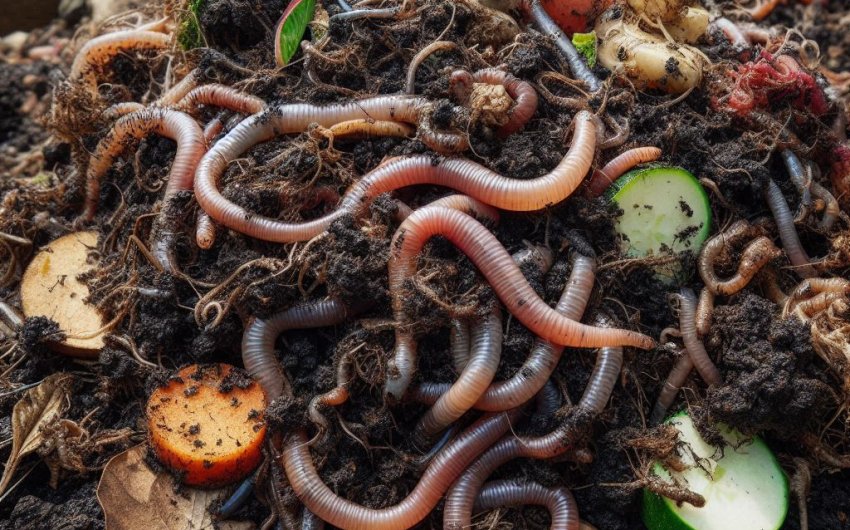
Understanding how long does compost take to break down fully is a fundamental question for any aspiring or experienced composter. The decomposition timeline isn't fixed; instead, it's a dynamic process influenced by numerous factors, from the materials you add to the methods you employ. Mastering these variables allows you to produce nutrient-rich compost efficiently for your garden.
What is Compost, and How Does it Work?
Before diving into timelines, let's establish a clear understanding of what compost is and the natural processes that transform organic waste into this valuable soil amendment.
Definition of Compost: Compost is the result of controlled decomposition of organic materials. It's a dark, crumbly, earthy-smelling substance that looks like rich topsoil. It's not just rotted garbage; it's a stable, nutrient-rich material that improves soil structure, water retention, and provides essential nutrients to plants.
The Role of Decomposers: Compost happens thanks to a vast army of living organisms, primarily:
- Microorganisms: These are the primary workers.
- Bacteria: The most numerous, they initiate the decomposition process, especially in the "hot" phase. They break down simpler compounds.
- Fungi: Essential for breaking down tougher materials like wood and cellulose. They colonize materials and extend their networks throughout the pile.
- Actinomycetes: A type of bacteria that looks like fungi, they give finished compost its earthy smell and break down stubborn materials.
- Macroorganisms: Larger creatures that aid the process.
- Earthworms: Ingest organic matter, mix and aerate the pile, and excrete nutrient-rich castings.
- Insects (e.g., ants, beetles, mites): Break down materials, move spores, and contribute to aeration.
- Other Invertebrates (e.g., slugs, millipedes): Break down larger pieces of organic matter into smaller fragments, making them more accessible to microorganisms.
- Microorganisms: These are the primary workers.
The Decomposition Process (Stages):
- Mesophilic Stage (Initial Phase):
- Temperature: Moderate (ambient to about (40^\circ C) or (104^\circ F)).
- Activity: Mesophilic (medium-temperature loving) microorganisms start the breakdown of easily digestible materials like sugars and starches. The pile begins to warm up.
- Thermophilic Stage (Hot Phase):
- Temperature: High ((40^\circ C) to (65^\circ C) or (104^\circ F) to (150^\circ F), sometimes higher).
- Activity: Thermophilic (heat-loving) microorganisms become dominant. They rapidly break down organic matter, generating significant heat. This phase is crucial for killing weed seeds, pathogens, and insect larvae. Requires proper carbon-to-nitrogen ratio, moisture, and aeration.
- Cooling and Curing (Maturation Phase):
- Temperature: Gradually drops back to ambient temperature.
- Activity: As easily digestible materials are consumed, thermophilic activity decreases. Mesophilic organisms, fungi, and larger invertebrates return and continue the slower breakdown of more resistant materials. This phase stabilizes the compost, making it safe and beneficial for plants. This "curing" process can take weeks to months.
- Mesophilic Stage (Initial Phase):
Key Ingredients for Composting: For decomposition to occur efficiently, the decomposers need the right conditions:
Advertisement- Carbon (Browns): Provides energy for microbes. Examples: dried leaves, straw, wood chips, shredded paper, cardboard.
- Nitrogen (Greens): Provides protein for microbe growth and reproduction. Examples: grass clippings, food scraps (fruit and vegetable peels), coffee grounds, fresh plant trimmings.
- Water (Moisture): Essential for microbial activity. The pile should feel like a wrung-out sponge.
- Air (Oxygen): Most decomposition is aerobic (requires oxygen). Turning the pile provides aeration, preventing foul odors and promoting efficient breakdown.
Understanding these basics sets the stage for manipulating the composting process to control how long does compost take to break down fully.
What Factors Influence Compost Breakdown Speed?
The time it takes for organic matter to turn into usable compost isn't just about waiting; it's heavily influenced by how you manage your compost pile. Mastering these factors is key to speeding up or slowing down the process.
Carbon-to-Nitrogen Ratio (C:N Ratio):
- Explanation: This is arguably the most important factor. Microorganisms need a balance of carbon (for energy) and nitrogen (for protein and reproduction). Too much carbon slows decomposition, while too much nitrogen can lead to a smelly, slimy pile.
- Ideal Ratio: Aim for roughly 25-30 parts carbon to 1 part nitrogen (25-30:1).
- How to Achieve: Generally, this means a roughly 50/50 mix by volume of "greens" (nitrogen-rich, like grass clippings, food scraps) and "browns" (carbon-rich, like dried leaves, shredded paper).
- Impact on Speed: A balanced C:N ratio encourages rapid microbial growth and activity, leading to faster breakdown. Imbalances slow the process significantly.
Particle Size:
- Explanation: The smaller the pieces of organic material, the greater the surface area available for microorganisms to colonize and break down.
- How to Achieve: Shred, chop, or cut larger materials before adding them to the pile. Use a wood chipper shredder for branches, or simply chop kitchen scraps with a knife.
- Impact on Speed: Smaller particles mean faster decomposition. Large, unshredded items (like whole branches or large fruit rinds) will take a very long time to break down.
Moisture Content:
- Explanation: Microorganisms need water to survive and thrive. A compost pile that is too dry will halt decomposition. A pile that is too wet will become anaerobic (lack oxygen), slow down, and likely smell bad.
- Ideal Consistency: The pile should feel like a wrung-out sponge – moist but not dripping.
- How to Achieve:
- Too Dry: Add water gradually while turning the pile. You might need to spray it with a hose or a watering can.
- Too Wet: Add more dry "brown" materials (like shredded newspaper or dry leaves) and turn the pile to introduce air.
- Impact on Speed: Optimal moisture ensures active microbial populations and efficient breakdown.
Aeration (Oxygen Levels):
- Explanation: Most efficient decomposition is aerobic, meaning it requires oxygen. When a pile becomes compacted or too wet, oxygen is depleted, and anaerobic decomposition (which is much slower and produces foul odors like rotten eggs) takes over.
- How to Achieve:
- Turning: Regularly turning the compost pile (e.g., every few days to once a week for fast composting) introduces oxygen. Use a compost aerator tool or a pitchfork.
- Structure: Incorporate bulky materials like wood chips or straw to create air pockets within the pile.
- Impact on Speed: Good aeration significantly speeds up decomposition by supporting the highly efficient aerobic microbes.
Temperature:
- Explanation: The internal temperature of the compost pile reflects the activity of thermophilic microorganisms. Hot temperatures ((40^\circ C) to (65^\circ C)) indicate rapid decomposition and kill pathogens and weed seeds.
- How to Achieve:
- Proper C:N Ratio and Moisture: These directly influence heat generation.
- Pile Size: A pile that is too small won't retain enough heat. Aim for at least 3x3x3 feet (1 cubic meter) for a hot pile.
- Insulation: Some compost bins offer better insulation.
- Impact on Speed: Consistent hot temperatures mean faster, more thorough decomposition. Using a compost thermometer helps monitor this.
Pile Size:
- Explanation: A compost pile needs to be large enough to generate and retain heat from microbial activity, but not so large that it becomes too compacted and lacks oxygen in the center.
- Ideal Size: For hot composting, a minimum size of approximately 3 feet x 3 feet x 3 feet (1 cubic meter) is often recommended.
- Impact on Speed: Too small, and it won't heat up; too large, and it may become anaerobic.
By actively managing these factors, you have considerable control over how long does compost take to break down fully, turning waste into garden gold much faster.
How Quickly Can You Make Compost (Hot Composting)?
If you're wondering how long does compost take to break down fully when you're actively working to speed up the process, "hot composting" is your answer. This method can produce usable compost in a matter of weeks, rather than months or years.
What is Hot Composting?
- Definition: Hot composting is an accelerated method that aims to create and maintain high temperatures within the compost pile ((40^\circ C) to (65^\circ C), or (104^\circ F) to (150^\circ F)).
- Mechanism: These high temperatures are generated by intense activity from thermophilic (heat-loving) microorganisms that rapidly break down organic matter.
- Benefits: Much faster decomposition, kills weed seeds and pathogens, produces nutrient-rich compost.
Key Requirements for Hot Composting:
- Batch Method: Hot composting works best when you add all your materials at once, rather than continuously adding new scraps. This allows the pile to heat up evenly.
- Correct C:N Ratio: This is paramount. Aim for a 30:1 carbon-to-nitrogen ratio. This usually translates to roughly two parts "brown" materials (dried leaves, shredded cardboard) to one part "green" materials (grass clippings, fresh food scraps) by volume.
- Proper Moisture: The pile must be consistently moist, like a wrung-out sponge. Too dry, and it won't heat; too wet, and it will become anaerobic and smelly.
- Adequate Aeration (Frequent Turning): This is what makes hot composting "fast." You need to turn the pile regularly to introduce oxygen and redistribute materials.
- Sufficient Pile Size: A minimum size of 3x3x3 feet (1 cubic meter) is generally needed to generate and retain enough heat.
Step-by-Step Hot Composting Process:
- Step 1: Gather Materials: Collect all your "greens" (nitrogen-rich: grass clippings, kitchen scraps, coffee grounds) and "browns" (carbon-rich: dried leaves, shredded paper, straw, wood chips). Aim for the 30:1 ratio.
- Step 2: Chop Materials: Shred or chop all materials into small pieces (no larger than 1-2 inches). This vastly increases surface area for microbes. Use a garden shredder for branches.
- Step 3: Layer or Mix Thoroughly: Build your pile by layering greens and browns, or ideally, thoroughly mix them all together before forming the pile.
- Step 4: Moisten: As you build the pile, water it down thoroughly until it reaches the wrung-out sponge consistency.
- Step 5: Monitor Temperature: Insert a compost thermometer into the center of the pile.
- Step 6: Turn Regularly:
- Day 1-3: The pile should start to heat up rapidly, reaching (40^\circ C) to (65^\circ C).
- Once it Cools (usually every 2-4 days): When the temperature drops significantly, it means the microbes have consumed the easily available oxygen. It's time to turn the pile. Use a pitchfork or a compost turning tool to thoroughly mix the outer, cooler materials into the hot core, and vice-versa. Re-moisten if needed.
- Repeat: Continue turning every few days as the temperature drops. Each turn will help the pile heat up again.
The Hot Composting Timeline:
- With diligent turning and ideal conditions, you can often get usable, unfinished compost (some recognizable pieces might remain) in 3-4 weeks.
- For fully finished, dark, crumbly compost (often called "cured" compost), it will still need a curing phase of another 2-4 weeks after the hot phase slows down. During curing, temperatures drop, and different organisms refine the compost.
- Overall: Expect finished compost in anywhere from 1 to 3 months using the hot composting method.
This intensive, hands-on method offers the fastest answer to how long does compost take to break down fully, ideal for gardeners who need a consistent supply of quality compost.
How Long Does Compost Take with Cold Composting (Passive Method)?
While hot composting offers speed, many people prefer the simpler, less hands-on approach of "cold composting." When considering how long does compost take to break down fully with this method, patience is key.
What is Cold Composting?
- Definition: Cold composting, also known as passive composting, is the simplest method. You simply collect organic materials in a pile or bin and let nature take its course with minimal intervention.
- Mechanism: Decomposition still occurs through microorganisms, but without the active management (frequent turning, precise layering) that generates high heat. Mesophilic organisms (those that prefer moderate temperatures) do most of the work.
- Benefits: Requires very little effort, good for continuous addition of kitchen scraps and yard waste, and ideal for casual gardeners or those with limited time.
- Drawbacks: Much slower, doesn't reliably kill weed seeds or pathogens, and can sometimes attract pests if not managed properly.
Key Elements of Cold Composting:
- Continuous Addition: You can continuously add new materials to the pile as they become available. This is a common method for kitchen scrap composting.
- Less Strict Ratio: While a balanced carbon-to-nitrogen ratio is still important for efficiency, it's not as critical or precisely managed as in hot composting. General mixing of greens and browns is usually sufficient.
- Minimal Turning: Turning is infrequent or non-existent. You might turn the pile once every few months or just when you add a large batch of new material.
- Moisture Management: Still important to keep the pile moist, but less critical than in hot composting. Rely on rainfall and occasional watering.
- Pile Size: Can be smaller than hot compost piles, but larger piles will still decompose somewhat faster due to better heat retention.
Step-by-Step Cold Composting Process:
- Step 1: Choose a Bin or Pile Location: Select a spot in your garden that is reasonably shaded (to prevent drying out) and has good drainage. A simple compost bin can help contain the pile.
- Step 2: Add Materials: Start adding your organic waste. Aim for a mix of greens (fruit and vegetable scraps, coffee grounds, grass clippings) and browns (dried leaves, shredded paper, straw). Layering is helpful, but thorough mixing isn't as critical. Avoid adding meat, dairy, oily foods, or diseased plants, as these can attract pests and cause odors in a cold pile.
- Step 3: Monitor Moisture: Ensure the pile stays consistently moist. If it looks dry, give it a sprinkle with the hose. Rainfall will help.
- Step 4: Occasional Turning (Optional): Turn the pile a few times a year if you feel inclined, just to aerate it and mix things up. This will help speed it up slightly.
- Step 5: Wait: This is the main instruction for cold composting!
The Cold Composting Timeline:
- This method is significantly slower. You should expect compost to take anywhere from 6 months to 2 years to fully break down.
- Partial Breakdown: You might have usable, but not fully finished, compost (with some recognizable large pieces) available sooner, perhaps after 3-6 months, from the bottom of the pile if using certain bin types.
- Finished Product: For dark, earthy, crumbly compost with no recognizable original materials, you'll need to wait longer.
- Factors: The exact time depends heavily on the initial particle size (smaller is always faster), the balance of materials, and how much moisture and occasional turning it receives.
While cold composting takes a considerably longer time to answer how long does compost take to break down fully, its low-effort nature makes it an attractive option for many home gardeners.
Can Worm Composting (Vermicomposting) Speed Up Breakdown?
When exploring how long does compost take to break down fully, vermicomposting offers a unique and often faster alternative, especially for kitchen scraps, by enlisting the help of specialized worms.
What is Vermicomposting?
- Definition: Vermicomposting is the process of using certain species of earthworms, primarily Red Wigglers (Eisenia fetida) or European Nightcrawlers, to break down organic materials into nutrient-rich castings (worm manure).
- Mechanism: The worms eat the organic waste, digest it, and excrete nutrient-dense castings, which are essentially finished compost. They also create tunnels, aerating the material and promoting microbial activity.
- Benefits:
- Faster Breakdown: Can be much faster than traditional cold composting for appropriate materials.
- Nutrient-Rich Product: Worm castings are extremely valuable, containing highly available nutrients for plants.
- Odorless (if managed correctly): A well-maintained worm bin should not smell.
- Suitable for Small Spaces: Ideal for apartments, balconies, or indoors.
- No Turning Required: Worms do the work!
Key Requirements for Vermicomposting:
- Worm Bin: A specialized worm composting bin (like a "Worm Factory") or a simple DIY container with drainage and air holes.
- Bedding: The worms live in bedding, which needs to be moist and airy. Good bedding materials include shredded newspaper, cardboard, coco coir, or aged leaves.
- Moisture: The bedding should be consistently moist, like a wrung-out sponge.
- Temperature: Worms are sensitive to temperature extremes. Ideal range is (13^\circ C) to (25^\circ C) ((55^\circ F) to (77^\circ F)). Keep bins indoors or in a sheltered spot if temperatures are outside this range.
- Food Scraps: Worms primarily consume kitchen scraps.
What Can Worms Eat?
- Yes (Greens): Fruit and vegetable scraps (non-citrus preferred, in moderation), coffee grounds, tea bags, eggshells (crushed), stale bread/cereal (in moderation).
- Yes (Browns/Bedding): Shredded newspaper (black ink only), shredded cardboard, coco coir, dried leaves.
- No (Avoid): Meat, dairy products, oily foods, citrus peels (in large quantities), diseased plants, pet waste, large amounts of woody material. These can attract pests, create odors, or harm the worms.
The Vermicomposting Process:
- Step 1: Set Up Bin and Bedding: Prepare your worm bin with moist bedding.
- Step 2: Introduce Worms: Add your Red Wigglers or other composting worms. Let them settle for a few days. You can buy composting worms online.
- Step 3: Feed Gradually: Start by burying small amounts of food scraps under the bedding. As the worms multiply and get established (which takes a few weeks), you can gradually increase the feeding amount.
- Step 4: Monitor and Maintain: Keep the bedding moist and fluffy. Bury food scraps in different locations each time.
- Step 5: Harvest Castings: Once the bin is mostly castings and very little recognizable bedding/food, it's time to harvest. This usually involves moving finished material to one side and adding new bedding/food to the other, encouraging worms to migrate.
Vermicomposting Timeline:
- Initial Breakdown: Depending on the amount of food scraps and the worm population, worms can process kitchen waste fairly quickly. Small amounts can disappear in days.
- Usable Castings: You can typically start harvesting usable worm castings in 2-6 months from setting up a bin, or whenever a section of your bin is visibly full of black, earthy castings.
- Continuous System: Once established, a worm bin is a continuous system, constantly producing castings as you add food. So, while the initial setup and full "breakdown" of a batch might take a few months, you'll have a continuous supply.
- Factors: The rate of breakdown depends heavily on the number of worms, the amount and type of food scraps added, and maintaining optimal conditions.
For those with a steady supply of kitchen waste and a desire for high-quality soil amendments, vermicomposting offers an efficient and fascinating answer to how long does compost take to break down fully for specific types of organic materials.
How Do You Know When Compost Is Fully Broken Down (Finished)?
Knowing how long does compost take to break down fully isn't just about a calendar; it's also about recognizing the signs of mature, finished compost. Using unfinished compost can actually harm your plants, so identifying when it's ready is crucial.
The "Look" Test:
- Color: Finished compost should be dark brown or black, resembling rich topsoil.
- Texture: It should be crumbly, loose, and uniform in texture.
- Absence of Original Materials: You should no longer be able to identify the original ingredients (e.g., banana peels, leaves, grass blades). There might be a few very small, woody pieces if you included them, but the majority should be unrecognizable.
The "Smell" Test:
- Earthy Aroma: Finished compost has a pleasant, earthy, forest-floor smell. It should smell like good soil.
- Absence of Unpleasant Odors: It should NOT smell like garbage, ammonia (rotting nitrogen), or rotten eggs (anaerobic conditions). If it does, it's not finished and needs more turning or adjustments to its moisture/ratio.
The "Temperature" Test:
- Ambient Temperature: A hot compost pile that is actively breaking down will be warm or hot to the touch. Once it's finished, the temperature will drop back down to ambient air temperature and remain stable.
- No Reheating: If you turn the pile and it doesn't heat up again, it's a good sign that the decomposition process is slowing down and the compost is entering its curing phase or is finished. A compost thermometer can confirm this.
The "Squeeze" Test (Moisture):
- Moist, Not Wet: Finished compost should be consistently moist, but if you squeeze a handful tightly, only a few drops of water should emerge, or ideally, none at all. It should not be soggy.
The "Germination" Test (Optional but Recommended):
- Purpose: This test confirms that the compost is stable and won't inhibit plant growth, and that any weed seeds have been killed.
- Method:
- Fill two small containers with equal amounts of compost.
- Sow 10-20 fast-germinating seeds (like radish or bean seeds) in one container.
- Sow the same number of seeds in the second container, using good quality potting soil as a control.
- Keep both containers equally moist and in similar conditions.
- Observation: Compare the germination rate and seedling growth in both containers over 3-7 days.
- Finished Compost: Seeds should germinate at a similar rate and grow as vigorously (or nearly as vigorously) in the compost as they do in the potting soil.
- Unfinished Compost (or "Immature"): If very few seeds germinate, or if seedlings appear stunted, yellow, or die quickly, the compost is still immature and needs more time to cure. This "phytotoxicity" (plant toxicity) is due to unstable compounds still present.
The "Age" Factor (Curing):
- Even after the hot phase of composting has stopped and the material looks largely decomposed, it often benefits from a "curing" period. This is a final maturation phase where the remaining tough organic matter slowly breaks down, and unstable compounds become stable.
- Why Cure: Curing ensures the compost is truly stable and won't "steal" nitrogen from your plants as it continues to break down in the soil.
- Duration: The curing phase can last from a few weeks to several months, depending on the initial hot phase and material.
By applying these tests, you can confidently determine whether your efforts in managing how long does compost take to break down fully have paid off, resulting in a perfect amendment for your garden.
What Can You Do with Finished Compost?
Once you've diligently waited and confirmed how long does compost take to break down fully, you'll have a batch of gardening gold ready to use. Finished compost is incredibly versatile and beneficial for almost every part of your garden.
Soil Amendment and Conditioner:
- Benefits: Compost is not a fertilizer in the traditional sense, but it's an exceptional soil conditioner. It improves:
- Soil Structure: Loosens heavy clay soils and improves water retention in sandy soils.
- Drainage: Prevents waterlogging.
- Aeration: Provides oxygen for roots.
- Nutrient Retention: Helps soil hold onto nutrients, preventing them from washing away.
- Microbial Life: Adds beneficial microorganisms to the soil.
- Application: Mix 1-4 inches of finished compost into the top 6-12 inches of your garden beds, vegetable patches, or raised beds before planting. A garden tiller can help incorporate it evenly.
- Benefits: Compost is not a fertilizer in the traditional sense, but it's an exceptional soil conditioner. It improves:
Topdressing for Lawns and Gardens:
- Benefits: Provides a slow release of nutrients, improves soil health beneath established plants, and can help suppress weeds.
- Application:
- Lawns: Spread a thin layer (1/4 to 1/2 inch) evenly over your lawn, then rake it into the grass or lightly water it in. Best done after aeration or overseeding.
- Flower Beds/Shrubs: Spread a 1-2 inch layer around the base of plants, keeping it a few inches away from stems or trunks to prevent rot. This acts as a slow-release feed and mulch.
- Trees: Spread a 1-3 inch layer around the drip line of trees, again, keeping it away from the trunk.
Potting Mix Component:
- Benefits: Enhances store-bought potting mixes by adding nutrients, improving water retention, and boosting beneficial microbial activity.
- Application: Mix 1 part finished compost with 2-3 parts of a high-quality potting mix (like FoxFarm Ocean Forest Potting Soil) for container plants. Do not use 100% compost in pots as it can be too rich or compact over time.
Seed Starting Mix (with caution):
- Benefits: Provides a gentle boost of nutrients for seedlings.
- Application: Use a very fine, well-sieved finished compost and mix it with perlite, vermiculite, and sometimes peat moss or coco coir. Ensure it's truly finished to avoid problems.
- Caution: Ensure the compost is fully mature and screened to remove large particles. Some gardeners prefer sterile seed-starting mixes for very delicate seeds.
Compost Tea:
- Benefits: A liquid fertilizer and microbial inoculant that can be applied to plant foliage or soil. It delivers beneficial microorganisms directly to plants.
- Preparation:
- Place a handful or two of finished compost into a permeable bag (like a mesh bag or old pantyhose).
- Submerge the bag in a bucket of non-chlorinated water (rainwater or tap water left out for 24 hours).
- Let it steep for 1-3 days, stirring occasionally. For "aerated" compost tea, use an aquarium air pump to bubble air through the mixture.
- Dilute the resulting "tea" to a light brown color before using.
- Application: Apply as a foliar spray or soil drench to your plants. Use within a few hours of brewing.
Mulch:
- Benefits: A layer of compost can act as an effective mulch, suppressing weeds, conserving soil moisture, and regulating soil temperature, all while slowly feeding the soil below.
- Application: Apply a 1-2 inch layer around plants, trees, and shrubs.
By understanding how versatile your hard-earned finished compost is, you can maximize the benefits of your composting efforts and truly enrich your garden's health, no matter how long does compost take to break down fully.