
How Do Slow-Release Fertilizers Work?
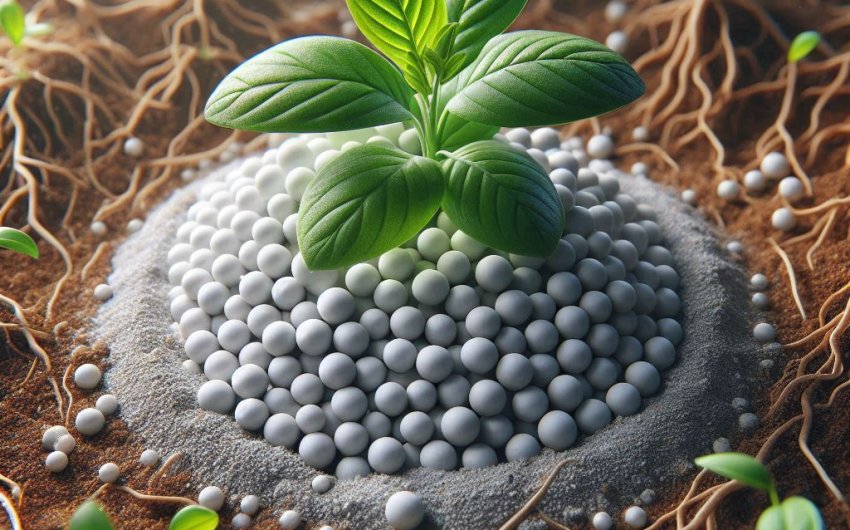
Fertilizers are like food for your plants, providing essential nutrients they need to grow strong and healthy. Most gardeners are familiar with liquid or granular fertilizers that you apply every few weeks. But there's another type of fertilizer that's gained a lot of popularity for its convenience and effectiveness: slow-release fertilizers. Instead of delivering a big burst of nutrients all at once, these clever products feed your plants gradually over a longer period. Understanding how slow-release fertilizers work can save you time, reduce waste, and lead to healthier, more consistent plant growth.
What's the Difference Between Quick-Release and Slow-Release Fertilizers?
To truly appreciate slow-release fertilizers, it's helpful to compare them to their faster-acting cousins.
What are Quick-Release Fertilizers?
Also known as soluble fertilizers, quick-release fertilizers are designed to deliver nutrients to plants almost immediately after application.
- Form: They are often granular, which dissolve rapidly when watered, or liquid concentrates that are mixed with water.
- How they work: The nutrients (like nitrogen, phosphorus, potassium, etc.) are in a form that plants can readily absorb through their roots. They are immediately available to the plant.
- Pros: Fast results (e.g., quick green-up for lawns), good for correcting immediate nutrient deficiencies.
- Cons:
- Short-lived: The effects don't last long, requiring frequent reapplication (every 2-4 weeks).
- Nutrient Leaching: A significant portion of the nutrients can be washed away by rain or irrigation before plants can absorb them, leading to waste and potential environmental pollution (nutrient runoff into waterways).
- "Burn" Risk: Over-application or applying to dry plants can lead to "fertilizer burn" where the high concentration of salts draws moisture out of the plant roots, causing damage.
- Growth Flushes: Can lead to rapid, sometimes leggy, growth followed by a decline as nutrients are depleted.
What are Slow-Release Fertilizers?
Slow-release fertilizers (also called controlled-release fertilizers or extended-release fertilizers) are engineered to release nutrients gradually over an extended period, often weeks or even months.
- Form: Typically granular, often appearing as tiny coated pellets.
- How they work: Their secret lies in how the nutrients are made available to the plant, which is usually through a coating, a specific chemical structure, or microbial activity.
- Pros:
- Consistent Feeding: Provides a steady supply of nutrients, leading to more uniform and healthy plant growth.
- Reduced Frequency: Requires fewer applications, saving time and effort.
- Less Nutrient Leaching: Nutrients are released as needed, significantly reducing the amount that washes away. This is better for the environment and your wallet.
- Reduced Burn Risk: The slow release of nutrients makes them much safer to use, with a very low risk of "fertilizer burn."
- Cons:
- Higher Initial Cost: Often more expensive per pound than quick-release fertilizers (though the long-term cost might be similar due to less frequent application).
- Slower Immediate Results: Not ideal for quickly correcting an acute nutrient deficiency.
- Less Control: Once applied, the release rate is somewhat predetermined by environmental factors, giving you less immediate control over nutrient delivery compared to liquid fertilizers.
How Do Slow-Release Fertilizers Release Nutrients?
The magic of slow-release fertilizers comes down to different technologies that control how quickly the nutrients become available to plants. There are generally three main mechanisms.
1. Coated Fertilizers (Polymer-Coated or Sulfur-Coated)
This is the most common and recognizable type of slow-release fertilizer.
- How they're made: Each individual fertilizer granule is coated with a semi-permeable material. This coating can be a polymer (plastic-like substance) or sulfur, or a combination of both.
- How they work:
- Water Diffusion: When you water the plant, water slowly penetrates the coating and dissolves some of the fertilizer inside.
- Osmosis: The dissolved nutrients then slowly diffuse out of the coated granule through tiny pores or imperfections in the coating.
- Temperature Influence: The rate of release is largely affected by temperature. Warmer temperatures (during the growing season) cause the coating to become more permeable, allowing nutrients to release faster. Colder temperatures slow down the release. This is ideal because plants need more nutrients when actively growing in warmer weather and less when dormant or in cool conditions.
- Coating Thickness: Manufacturers can control the release duration (e.g., 3-4 months, 6 months, 9 months) by varying the thickness and type of the coating. Thicker coatings mean slower release.
- Examples: Brands like Osmocote are popular examples of polymer-coated fertilizers. Many lawn fertilizers also use sulfur-coated urea for controlled nitrogen release.
- What you see: After the nutrients are released, you might notice the empty, clear or colored outer shells of the coating remaining in the soil. These are harmless and will eventually break down (though plastics can take a very long time).
2. Low-Solubility Compounds (Chemically Slow-Release)
These fertilizers are made from compounds that are inherently not very soluble in water. They release nutrients as they slowly break down chemically or are attacked by microbes.
- How they're made: These are often formed by reacting a nitrogen source (like urea) with an aldehyde (like formaldehyde) to create longer, more complex molecules. Examples include urea-formaldehyde (UF), isobutylidene diurea (IBDU), and methylene urea (MU).
- How they work:
- Hydrolysis: For some, water slowly breaks down the chemical bonds.
- Microbial Activity: For others, soil microbes gradually break down the complex molecules into simpler, plant-available forms. This means release rate is influenced by soil temperature, moisture, and microbial activity – all factors that are higher when plants are actively growing.
- Examples: Often used as components in granular lawn fertilizers to provide sustained nitrogen release.
- What you see: These look like typical granular fertilizers and will disappear into the soil.
3. Organic Fertilizers (Biologically Slow-Release)
While not "engineered" in the same way as coated or low-solubility compounds, organic fertilizers are naturally slow-release and work through biological processes.
- How they're made: Derived from natural sources like bone meal, blood meal, fish emulsion, compost, worm castings, and various plant-based meals.
- How they work: Microorganisms in the soil (bacteria, fungi, etc.) break down the complex organic materials into simpler, inorganic forms that plants can absorb. This process is called "mineralization."
- Release Mechanism: The release rate is entirely dependent on microbial activity, which in turn depends on soil temperature, moisture, and aeration. When conditions are warm and moist (perfect for plant growth), microbes are active, and nutrients are released. When it's cold and dry, microbial activity slows, and so does nutrient release. This natural timing is perfect for plants.
- Pros: Improves soil health, adds organic matter, supports beneficial microbes, very low risk of burn or runoff.
- Cons: Nutrient content is often lower and less precise than synthetic fertilizers. Can sometimes attract pests (e.g., blood meal attracting animals).
- Examples: Organic granular fertilizers are available for lawns, vegetables, and specific plant types.
Why Use Slow-Release Fertilizers? Benefits and Applications
Understanding the mechanisms of slow-release fertilizers highlights their numerous advantages for home gardeners and professionals alike.
1. Convenience: Fewer Applications
- Less Work: This is a major benefit for busy gardeners. Instead of fertilizing every few weeks, you might only need to apply slow-release fertilizer once every 3-6 months, or even just once per growing season.
- Set It and Forget It: For potted plants or hanging baskets, a single application at the beginning of the season can often provide all the nutrients they need.
2. Plant Health: Consistent Growth
- Avoids Growth Flushes: Instead of cycles of rapid growth (when quick-release nutrients are abundant) followed by nutrient deficiencies, slow-release fertilizers provide a steady, consistent supply. This leads to more balanced, stronger, and healthier plant development.
- Reduces Stress: Consistent nutrient availability means plants are under less stress, making them more resilient to pests, diseases, and environmental changes.
- Better Flowering and Fruiting: A steady nutrient supply supports continuous energy production, leading to more abundant and higher-quality blooms and harvests.
3. Environmental Benefits: Reduced Leaching and Runoff
- Nutrient Efficiency: Because nutrients are released slowly and over time, plants have more opportunity to absorb them. Less fertilizer is wasted by being washed away.
- Protecting Waterways: This reduced leaching means less nitrogen and phosphorus enter rivers, lakes, and oceans, where they can cause harmful algal blooms and disrupt aquatic ecosystems. This is a significant eco-friendly advantage.
4. Safety: Lower Risk of Fertilizer Burn
- Gentle on Roots: The low concentration of nutrients released at any one time makes it extremely difficult to "burn" plant roots, even if you accidentally apply slightly too much. This makes them very forgiving for beginner gardeners.
- Safe for Young Plants: Often recommended for young seedlings or sensitive plants due to their gentle nature.
5. Cost-Effectiveness (Long Term)
- Less Waste: While the initial price per bag might be higher, the reduced leaching and fewer applications mean you often use less product overall, making them competitive or even cheaper in the long run.
- Better Plant Performance: Healthier plants often mean better yields for vegetables and fruits, or more vibrant blooms for ornamentals, providing a better return on your gardening investment.
When to Use Slow-Release Fertilizers?
Slow-release fertilizers are versatile and can be used in many gardening scenarios.
For Potted Plants and Containers
- Ideal Choice: They are perfect for container gardening, including hanging baskets, window boxes, and houseplants.
- Application: Mix them into the potting mix when planting or repotting, or sprinkle them on the surface of existing pots. One application can last for several months. For example, slow-release fertilizer for indoor plants is very popular.
For Lawns
- Consistent Green: Many modern lawn fertilizers use slow-release nitrogen components to provide a sustained green color without rapid growth spurts that require more frequent mowing.
- Fewer Applications: You might only need to fertilize your lawn 1-2 times per year with a slow-release product, depending on your grass type and climate. Look for slow-release lawn fertilizer.
For Trees, Shrubs, and Perennial Beds
- Long-Term Feeding: These plants benefit from a consistent nutrient supply over their long growing seasons.
- Reduced Labor: Apply once or twice a year around the base of the plants.
For Vegetables and Fruit Trees
- Balanced Growth: While specific needs vary, slow-release fertilizers can provide a good base level of nutrients for sustained growth throughout the season. You might supplement with targeted quick-release fertilizers for specific boosts (e.g., higher phosphorus for blooming, higher potassium for fruiting).
Tips for Using Slow-Release Fertilizers Effectively
To get the most out of your slow-release fertilizers, keep these practical tips in mind.
1. Always Read the Label
- Application Rate: The label will tell you exactly how much to use for different plants or areas. Do not guess.
- Duration: It will state how long the fertilizer is designed to release nutrients (e.g., 3-4 months, 6 months). This helps you plan your application schedule.
- Application Method: Whether to mix into soil, sprinkle on top, or apply in specific holes.
2. Incorporate into Soil or Water In
- Mix in: For potted plants, mix the granules evenly into the potting mix before planting or repotting.
- Top Dress and Water: For established plants in beds or containers, sprinkle the recommended amount on the soil surface around the plant and then water it in thoroughly. This helps the coating activate and moves the granules closer to the root zone.
3. Consider Soil Temperature
- Coated Fertilizers: Remember that coated fertilizers are sensitive to temperature. Don't apply them when the soil is very cold, as release will be minimal, and nutrients won't be available when the plant starts growing. Apply when soil temperatures are warm enough for active plant growth.
- Organic Fertilizers: Organic release also depends on soil temperature and microbial activity.
4. Don't Over-Apply
- Less is More: While safer than quick-release, over-applying any fertilizer can still lead to nutrient imbalances or environmental issues. Stick to the label instructions.
5. Supplement if Needed
- Targeted Boosts: If your plants show specific nutrient deficiencies (e.g., yellowing leaves despite good overall growth indicating a nitrogen need), you might still use a dilute liquid quick-release fertilizer for a targeted boost, even if you use slow-release as your primary feeding method.
- Bloom Boosters: For heavy flowering or fruiting plants, you might use a high-phosphorus or high-potassium quick-release fertilizer during specific growth phases.
Slow-release fertilizers are a modern gardener's best friend. They offer convenience, promote consistent plant health, and are a more environmentally friendly option due to reduced nutrient runoff. By understanding how slow-release fertilizers work – whether through clever coatings, complex chemical structures, or the tireless work of soil microbes – you can choose the right products and apply them effectively, leading to a thriving, vibrant garden with less effort and worry.