
How to Build a Compost Bin Step-by-Step?
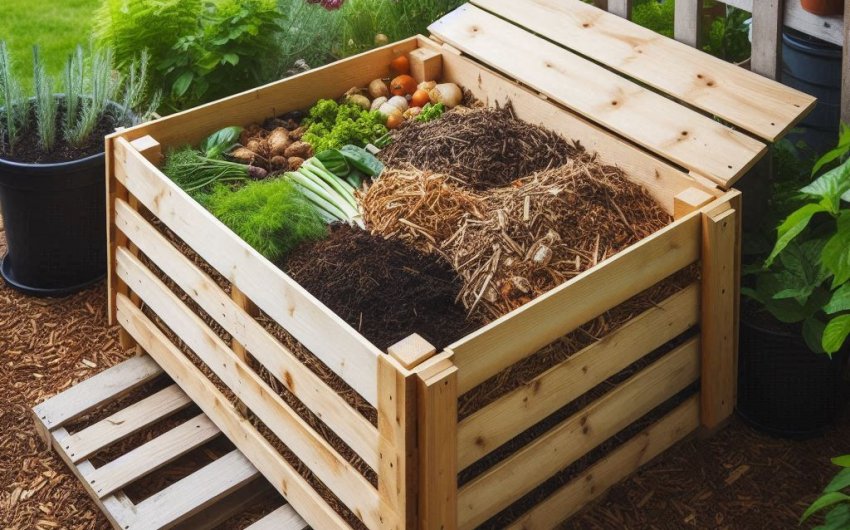
Are you looking for an easy and sustainable way to reduce waste and enrich your garden soil? Learning how to build a compost bin step-by-step is an incredibly rewarding project for any gardener or eco-conscious homeowner. Composting turns everyday organic waste like food scraps and yard trimmings into a valuable, nutrient-rich soil amendment often called "black gold." Not only does it improve your garden's health, but it also helps reduce landfill waste. Let's dive into creating your very own compost system.
Why Should You Build a Compost Bin?
Building your own compost bin offers a multitude of benefits, both for your garden and the environment. Here's why it's a worthwhile endeavor:
- Enriches Your Soil: Compost adds vital organic matter, improving soil structure, drainage, and water retention. It also provides essential nutrients for healthy plant growth.
- Reduces Waste: Diverting food scraps and yard waste from landfills significantly reduces methane emissions, a potent greenhouse gas.
- Saves Money: You won't need to buy expensive chemical fertilizers or soil amendments from the store. Your garden will thrive on homemade goodness.
- Sustainable Gardening: Composting is a cornerstone of sustainable and organic gardening practices, creating a closed-loop system where waste becomes a resource.
- Easy and Rewarding: Once you understand the basics, composting is surprisingly simple, and seeing your kitchen scraps transform into rich soil is incredibly satisfying.
- Customizable: Building your own bin allows you to choose the size, materials, and design that best fit your space and needs.
What is Composting?
At its core, composting is a natural process of decomposition. Microorganisms like bacteria, fungi, and insects break down organic materials into a stable, nutrient-rich substance. Think of it as nature's recycling program. To make this process happen efficiently in a compost bin, you need the right balance of a few key ingredients:
- Greens (Nitrogen-rich): These are fresh, moist materials like food scraps (fruit and vegetable peels, coffee grounds), fresh grass clippings, and plant trimmings.
- Browns (Carbon-rich): These are dry, woody materials like dried leaves, shredded paper, straw, wood chips, and small twigs.
- Water (Moisture): The compost pile needs to be consistently moist, like a wrung-out sponge, for the microorganisms to thrive.
- Air (Oxygen): Regular turning or aeration of the pile is crucial to provide oxygen for aerobic (oxygen-loving) microbes, which break down materials quickly and without odors.
Getting the right mix of these elements is key to a successful compost pile.
What Kinds of Compost Bins Can You Build?
There are several types of compost bins you can build, each with its own advantages. The best choice for you will depend on your budget, available materials, the amount of waste you produce, and your aesthetic preferences.
Simple Wire Mesh Bin
- Pros: Inexpensive, easy to build, excellent air circulation, lightweight, easy to move.
- Cons: Less contained (can look messy), critters might be able to access it more easily.
- Ideal for: Smaller gardens, those new to composting, or as a temporary solution.
Wooden Pallet Compost Bin
- Pros: Very cost-effective (often free pallets), sturdy, good air flow, relatively easy to build, can be expanded into multiple bays.
- Cons: Requires some tools and basic carpentry skills, wood can rot over time.
- Ideal for: Medium to large gardens, those wanting a more permanent and robust solution.
Cinder Block Compost Bin
- Pros: Extremely durable, long-lasting, sturdy, can be built without mortar for easy disassembly.
- Cons: Heavy materials, less aeration (requires more turning), can be a DIY challenge for some.
- Ideal for: Large gardens, those wanting a very permanent and low-maintenance structure.
Tumbler Compost Bin (Purchased)
While this article focuses on DIY bins, it's worth noting that compost tumblers are also popular. They are sealed containers that you manually spin to mix the compost.
- Pros: Faster composting, contained, critter-proof, no manual turning with a fork.
- Cons: More expensive, limited capacity.
- Ideal for: Small spaces, those wanting a less hands-on approach.
This guide will focus on the popular and versatile wooden pallet compost bin, as it offers a great balance of cost, ease of build, and effectiveness.
What Tools and Materials Do You Need to Build a Pallet Compost Bin?
Before you start, gather your materials and tools. Safety first! Wear gloves and eye protection when working with wood and tools.
Materials:
- 4-5 Wooden Pallets: Look for heat-treated (HT stamped) pallets, not chemically treated (MB for methyl bromide). You can often find them free at local businesses, construction sites, or by asking around. Aim for pallets of roughly the same size.
- Heavy-Duty Zip Ties or Wire: For securing the pallets together. Gardner Bender Cable Ties are a good choice.
- (Optional) Small Bag of Gravel or Wood Chips: For a drainage base.
- (Optional) Hardware for More Permanent Bin: If you want a more robust, long-lasting bin, consider:
- L-Brackets or Metal Brackets: For securing corners.
- Screws: Exterior-grade screws suitable for wood. Deck Screws work well.
- Wood Screws
- Hinges and a Latch: If you want to create a front opening door for easier access.
Tools:
- Work Gloves: To protect your hands from splinters and rough edges.
- Safety Glasses: Crucial for eye protection.
- Drill: For pre-drilling holes if using screws or for attaching hardware. BLACK+DECKER Cordless Drill is a versatile option.
- Measuring Tape: For accurate placement.
- Saw (Optional): If you need to cut pallets to size or create a removable front. A Stanley Hand Saw or a power saw like a circular saw would work.
- Wire Cutters (if using wire): For cutting the wire.
- Pliers (if using wire): For bending and twisting wire.
- Level (Optional): To ensure your bin is even.
Where is the Best Place to Put a Compost Bin?
Choosing the right location for your compost bin is just as important as building it. Here are some factors to consider:
- Proximity to Kitchen and Garden: Ideally, your bin should be easily accessible from both your kitchen (for food scraps) and your garden (for yard waste and for distributing finished compost).
- Shade: Place your compost bin in a partially shaded spot. Direct, intense sunlight can dry out the pile too quickly, slowing down decomposition. Too much shade, however, can make it too wet and cold. A spot under a deciduous tree is often ideal.
- Drainage: The area should have good drainage to prevent water from pooling around the base of the bin.
- Airflow: Choose a location with good air circulation to help aerate the pile and prevent odors.
- Away from Living Spaces: While a well-maintained compost bin shouldn't smell, it's wise to place it a reasonable distance from your house, patios, or your neighbors' windows.
- Level Ground: A level surface will ensure your bin is stable.
How to Build a Compost Bin Step-by-Step (Pallet Method)
Now for the fun part! Follow these instructions to construct your very own three-sided or four-sided pallet compost bin.
Method 1: Three-Sided Pallet Bin (Open Front)
This is a simple, quick method that allows for easy access to turn the compost.
- Prepare Your Site: Clear the chosen area of any debris, weeds, or grass. Ensure the ground is level. You might lay down a thin layer of gravel or wood chips to improve drainage and prevent weeds from growing up into the bin.
- Position the First Pallet: Stand one pallet upright. This will be the back wall of your compost bin.
- Attach the Side Pallets: Place a second pallet perpendicular to the first, forming one side. Use heavy-duty zip ties or strong wire to securely fasten the two pallets together at multiple points (top, middle, and bottom). Thread the zip ties or wire through the openings in the pallet wood and pull them tight with pliers.
- Tip: If using wire, twist the ends together tightly with pliers to secure.
- Attach the Second Side Pallet: Repeat the process with the third pallet, attaching it to the other side of the back pallet to form the third wall.
- Reinforce (Optional but Recommended): For added stability, especially if your pallets are not perfectly aligned, you can use L-brackets or small pieces of scrap wood and screws to further secure the corners from the inside. Pre-drill pilot holes before screwing to prevent wood splitting.
- Assess Stability: Give your bin a gentle push to ensure it's sturdy. If it wobbles, add more zip ties, wire, or brackets.
Your three-sided bin is now complete! The open front makes it easy to add materials and turn the pile.
Method 2: Four-Sided Pallet Bin (More Contained)
This method creates a fully enclosed bin. You can choose to have one side removable for easier access.
Prepare Your Site: As with the three-sided method, clear and level your chosen area, optionally adding a gravel or wood chip base.
Form the First Corner: Stand two pallets upright at a 90-degree angle to each other, forming a corner. Securely fasten them together using heavy-duty zip ties or wire at several points. For a more permanent solution, use L-brackets or screw directly through the pallet slats into the perpendicular pallet.
Add the Third Pallet: Position the third pallet to form the opposite side, parallel to the first side pallet. Attach it to the back pallet using zip ties, wire, or screws.
Add the Fourth Pallet (Front): This is where you have a choice:
- Fixed Front: Simply attach the fourth pallet to the open sides, securing all four corners as before. This creates a fully enclosed box. You will need to lift materials over the top and turn by reaching in or temporarily removing a side.
- Removable Front: This is often preferred for easier access. Instead of permanently attaching the front pallet, you can:
- Use Heavy-Duty Zip Ties/Wire (loose): Secure the front pallet with zip ties or wire that can be easily cut or untwisted when you need to access the compost.
- Hinged Door: Attach the front pallet to one of the side pallets using heavy-duty hinges at the bottom or side, creating a door that swings open. You can then add a latch at the top or opposite side to keep it closed. Stanley Hinges are good for this.
- Sliding Boards: If your pallets have gaps, you can remove some slats from the front pallet and slide in removable wooden boards or panels that can be pulled out for access. This might require some careful cutting of the pallets.
Reinforce and Check Stability: Once all pallets are in place, reinforce all corners for maximum stability. Push on the bin to ensure it's strong and doesn't wobble. Add more fasteners if needed.
What Materials Can You Compost?
Knowing what to add to your compost bin is crucial for successful decomposition and to avoid attracting pests or creating odors. Remember the "Greens and Browns" balance!
Good to Compost (Greens - Nitrogen Rich):
- Fruit and Vegetable Scraps: Peels, cores, uneaten produce, etc.
- Coffee Grounds and Filters: Excellent source of nitrogen.
- Tea Bags: (Remove staples if present).
- Grass Clippings (in moderation): Can become slimy and smelly if added in thick layers; mix with browns.
- Fresh Plant Trimmings: From garden plants, non-woody.
- Egg Shells: Crush them for faster breakdown.
- Used Napkins and Paper Towels (unbleached, not greasy).
Good to Compost (Browns - Carbon Rich):
- Dried Leaves: A fantastic source of carbon, especially in autumn.
- Shredded Paper: Newspaper (avoid glossy pages), paper bags, junk mail (remove plastic windows/labels).
- Cardboard (shredded): Cereal boxes, paper towel rolls.
- Straw or Hay: Great for adding bulk and carbon.
- Sawdust (from untreated wood).
- Small Twigs and Wood Chips: Break them into smaller pieces for faster decomposition.
Do NOT Compost:
- Meat, Bones, Fish, Dairy Products: Attract pests, smell bad, and can harbor harmful bacteria.
- Fats, Greases, Oils: Attract pests, slow down decomposition, and create odors.
- Diseased Plants: Can spread diseases to your garden.
- Weeds with Seeds: The compost might not get hot enough to kill the seeds, leading to a garden full of weeds.
- Pet Waste: Contains pathogens that can be harmful to humans.
- Chemically Treated Wood or Lumber: Contains harmful chemicals.
- Coal Ash or Charcoal Briquette Ash: Can contain harmful substances and heavy metals.
- Black Walnut Tree Parts: Contains juglone, a natural herbicide that can inhibit plant growth.
- Heavily Coated or Glossy Paper/Cardboard: Difficult to break down and may contain unwanted chemicals.
How Do You Start and Maintain Your Compost Pile?
Once your bin is built, it's time to start layering!
Starting Your Pile:
- Begin with a Brown Layer: Lay down a 4-6 inch layer of coarse brown materials (like small twigs, straw, or wood chips) at the bottom. This helps with drainage and aeration.
- Alternate Layers: Add "greens" on top of the browns, then another layer of "browns." Aim for roughly a 2:1 or 3:1 ratio of browns to greens by volume. Don't worry about being exact; a good mix is the goal.
- Chop Materials: The smaller the pieces, the faster they will decompose. Chop up large fruit and veggie scraps and shred paper/cardboard.
- Add Water: Lightly moisten each layer as you add it. The pile should feel like a wrung-out sponge – damp but not soggy.
- Introduce Soil/Existing Compost: Adding a shovelful of garden soil or finished compost can help "seed" your new pile with beneficial microorganisms.
Maintaining Your Pile:
- Turn Regularly: This is crucial for aeration and speeding up decomposition. Aim to turn your compost pile every 1-2 weeks with a pitchfork or compost aerator. A Compost Aerator Tool can make this task easier. If you don't turn it, decomposition will still happen, but it will be much slower.
- Monitor Moisture: Check the moisture level regularly. If it's too dry, add water. If it's too wet, add more dry "browns."
- Monitor Temperature (Optional): Active compost piles can heat up to 120-160°F (49-71°C), indicating healthy microbial activity. A Compost Thermometer can help you monitor this. High temperatures also help kill weed seeds and pathogens.
- Layer as You Go: Continue adding new green and brown materials in layers as they become available. Bury food scraps under a layer of browns to deter pests.
- Troubleshoot Odors:
- Rotten egg smell: Too much moisture or too many greens. Add more browns and turn the pile.
- Ammonia smell: Too much nitrogen (greens). Add more browns and turn.
- Sour smell: Not enough air. Turn the pile more frequently.
How Long Does Composting Take?
The time it takes for organic matter to turn into finished compost varies greatly depending on several factors:
- Size of Materials: Smaller pieces break down faster.
- Green-to-Brown Ratio: A balanced mix accelerates the process.
- Moisture Level: Consistently moist piles decompose quicker.
- Aeration (Turning): Frequent turning significantly speeds up decomposition. Hot composting, with frequent turning, can produce compost in a few weeks to months.
- Temperature: A hot, active pile decomposes much faster than a cold, slow pile.
Generally, you can expect compost to be ready in anywhere from 2 months to 1 year. A hot, well-managed pile can produce finished compost in a few months, while a more passive pile might take closer to a year.
How Do You Know When Compost is Ready?
Finished compost should have these characteristics:
- Dark Brown or Black Color: It should no longer resemble the original materials.
- Earthy Smell: It should smell like fresh soil, not rotten or sour.
- Crumbly Texture: It should be loose and crumbly, with no recognizable food scraps or leaves (unless they are very woody bits that take longer to break down).
- Cool Temperature: The pile should be cool to the touch, indicating that the active decomposition phase has ended.
How Do You Use Finished Compost in Your Garden?
Finished compost is a versatile and beneficial addition to almost any part of your garden.
- Soil Amendment: Mix 1-4 inches of compost into the top 6-8 inches of soil before planting new beds or preparing vegetable gardens.
- Top Dressing: Spread a 1-2 inch layer of compost around established plants, trees, and shrubs. This acts as a slow-release fertilizer and helps retain moisture.
- Potting Mix Component: Mix finished compost with potting soil, perlite, and vermiculite to create your own custom potting mixes for containers. Aim for 1/3 compost.
- Lawn Care: Spread a thin layer (1/2 inch) of compost over your lawn in spring or fall, then rake it into the grass. This improves soil health and helps the lawn absorb nutrients.
- Mulch: While not ideal as a weed-suppressing mulch on its own (it contains too many nutrients and might encourage weed growth), compost can be part of a mulch layer.
Troubleshooting Common Composting Problems
Even with a well-built bin, you might encounter some common issues. Here’s how to address them:
Problem: Odor (Rotten or Ammonia Smell)
- Cause: Too much nitrogen (greens), too much moisture, or not enough aeration.
- Solution: Add more dry "brown" materials (leaves, straw, shredded paper). Turn the pile more frequently to introduce air. If too wet, spread it out to dry slightly.
Problem: Pile Isn't Heating Up
- Cause: Lack of nitrogen, insufficient moisture, insufficient size, or not enough aeration.
- Solution: Add more green materials (grass clippings, food scraps). Moisten the pile if it's dry. Ensure the pile is at least 3x3x3 feet for good thermal mass. Turn it regularly.
Problem: Attracting Pests (Rodents, Flies)
- Cause: Composting prohibited items (meat, dairy, greasy foods), exposed food scraps, or a bin that is too open.
- Solution: Stop adding prohibited items. Always bury food scraps deeply under a layer of browns. If using an open bin, consider adding a wire mesh bottom or a lid. Ensure your bin is enclosed enough to deter unwanted visitors.
Problem: Pile is Dry and Dusty
- Cause: Not enough moisture.
- Solution: Water the pile thoroughly, turning it as you water to distribute the moisture evenly. The pile should feel like a damp sponge.
Problem: Pile is Slimy and Soggy
- Cause: Too much moisture and not enough air.
- Solution: Add plenty of dry "brown" materials. Turn the pile frequently to introduce oxygen and help it dry out.
Building your own compost bin is a rewarding project that offers immense benefits for your garden and the environment. By learning how to build a compost bin step-by-step using readily available materials like wooden pallets, you create a sustainable system for transforming organic waste into nutrient-rich "black gold." Regular attention to the right mix of materials, moisture, and aeration will ensure a thriving compost pile, providing you with a continuous supply of free, organic fertilizer for a healthier, more vibrant garden.