
How to Build a DIY Greenhouse on a Budget?
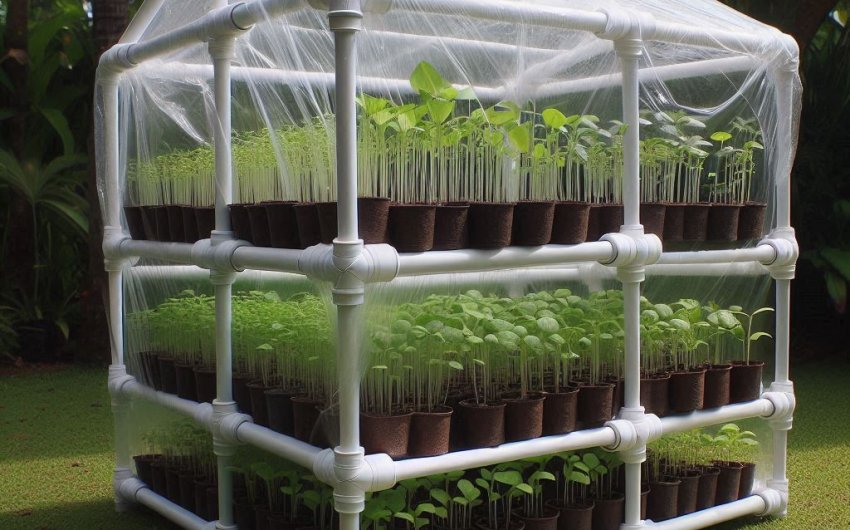
Dreaming of extending your growing season, starting seedlings earlier, or even growing exotic plants year-round? A greenhouse can make all those gardening aspirations a reality. However, commercially built greenhouses can be quite expensive. The good news is, you can absolutely learn how to build a DIY greenhouse on a budget! With some clever planning, affordable materials, and a bit of elbow grease, you can create a functional and effective greenhouse without breaking the bank. This guide will walk you through everything you need to know.
Why Build a DIY Greenhouse?
Building your own greenhouse offers a wealth of benefits that go far beyond just saving money. Here’s why a DIY approach might be perfect for you:
- Extended Growing Season: This is the primary advantage. A greenhouse allows you to start seeds earlier in spring, grow cool-season crops into winter, and continue harvesting warm-season vegetables later into the fall.
- Protection from Elements: Shield your plants from harsh weather conditions like frost, heavy rain, strong winds, and even excessive heat during summer.
- Pest and Disease Control: While not completely pest-proof, a greenhouse creates a more controlled environment, reducing exposure to many common garden pests and airborne diseases.
- Ideal for Seed Starting: Provides the perfect warm, humid environment for germinating seeds and nurturing young seedlings before transplanting them outdoors.
- Grow Exotic Plants: Create a microclimate suitable for growing plants that wouldn't normally thrive in your local climate, such such as citrus, orchids, or tropical fruits.
- Customization: When you build it yourself, you can design a greenhouse that perfectly fits your available space, specific gardening needs, and aesthetic preferences.
- Sustainability: Growing your own food and reducing reliance on store-bought produce contributes to a more sustainable lifestyle.
- Cost Savings (Long-Term): Beyond the initial build, a greenhouse can save you money on plant starts and provide fresh produce year-round.
What Kinds of DIY Greenhouses Can You Build on a Budget?
When it comes to budget-friendly DIY greenhouses, there are several popular and effective designs. Each has its pros and cons, and the best choice for you will depend on your skills, available materials, and how permanent you want the structure to be.
1. PVC Hoop House/Tunnel Greenhouse
- Description: This is one of the most common and easiest DIY greenhouse types. It uses flexible PVC pipes bent into arches to create a frame, which is then covered with greenhouse plastic.
- Pros: Very inexpensive, quick to build, lightweight, easy to expand, excellent light transmission.
- Cons: Less durable in very strong winds or heavy snow (may require reinforcement), can be less aesthetically pleasing than other options.
- Ideal For: Beginners, those on a very tight budget, temporary structures, or smaller gardens.
2. Pallet Greenhouse
- Description: Uses reclaimed wooden pallets for the frame or base, often combined with a clear roof or window panels.
- Pros: Extremely low cost (pallets are often free), sustainable, sturdy once built.
- Cons: Can be labor-intensive to disassemble and prepare pallets, may require more advanced carpentry skills, can be heavy.
- Ideal For: Those with access to free pallets, wanting a more rustic look, or a more permanent structure.
3. Old Window/Door Greenhouse
- Description: Utilizes reclaimed windows and doors to form the walls and sometimes the roof.
- Pros: Sustainable, unique aesthetic, good light transmission through glass, very low cost if windows are free.
- Cons: Can be challenging to build due to irregular window sizes, heavy, requires careful sealing to prevent drafts, glass can break.
- Ideal For: Those with access to old windows, seeking a charming and unique look, or smaller "cold frame" style greenhouses.
4. Cold Frame
- Description: Not a full walk-in greenhouse, but a miniature version, usually low to the ground, designed to protect plants during cooler weather. Can be made from old windows, lumber, or even hay bales.
- Pros: Very cheap, quick to build, uses minimal space, ideal for hardening off seedlings or extending the harvest of low-growing crops.
- Cons: Limited space, not suitable for year-round growing of all plants.
- Ideal For: Small spaces, beginners, or as an accessory to a larger garden.
This guide will focus on building a PVC Hoop House, as it offers the best balance of low cost, ease of construction, and effectiveness for most DIYers.
What Tools and Materials Do You Need to Build a PVC Hoop House?
Before you start construction, gather all your materials and tools. Safety first! Always wear safety glasses when cutting PVC or using power tools.
Materials:
- PVC Pipes (Schedule 40 or 80):
- Main Hoops: 1/2 inch to 1 inch diameter PVC, depending on desired size and strength. You'll need enough length to create your arches (e.g., 10-foot lengths for a 6-foot wide tunnel). Calculate based on your greenhouse length and desired spacing (e.g., one hoop every 2-4 feet).
- Base/Ridge Pole (Optional but Recommended): Longer, larger diameter PVC (e.g., 1 inch or 1.25 inch) for the base frame and a top ridge pole for added stability.
- Rebar or Metal Stakes: For anchoring the PVC hoops into the ground. Cut into 18-24 inch lengths.
- Greenhouse Plastic (UV-Resistant): Essential! Do NOT use regular clear plastic sheeting, as it will degrade quickly in sunlight. Look for 4-6 mil UV-treated polyethylene film specifically designed for greenhouses. Farm Plastic Supply Greenhouse Film is a good option. Get a size large enough to cover your entire frame with overlap for burying.
- Wood Lumber (2x4s or similar): For the base frame if you're building a more robust structure. Treated lumber is best for ground contact.
- Wood Screws or Deck Screws: For attaching wood components.
- PVC Cement and Primer: If you're creating a rigid PVC frame.
- U-Bolts or Strapping: To secure the PVC hoops to a wooden base.
- Heavy-Duty Staples or Batten Tape/Wiggle Wire: For attaching the plastic sheeting. Staple Gun and Staples.
- Duck Tape or Greenhouse Repair Tape: For patching any tears or reinforcing seams. Greenhouse Repair Tape is designed for this.
- (Optional) Rope or Tie-Down Straps: For securing the plastic in windy conditions.
- (Optional) Lumber for End Walls: If you're building more structured end walls.
- (Optional) Hinges and a Latch: For a simple door.
- (Optional) Shade Cloth: For hot summer days. Shade Cloth for Greenhouse
Tools:
- Measuring Tape: Essential for accurate measurements.
- PVC Cutter or Hand Saw: For cutting PVC pipes. A PVC Pipe Cutter is incredibly easy to use.
- Drill: For pre-drilling holes and driving screws. DEWALT Cordless Drill is a reliable choice.
- Hammer or Mallet: For driving rebar stakes into the ground.
- Utility Knife or Shears: For cutting greenhouse plastic.
- Staple Gun: For attaching plastic (if using a wooden base/end walls).
- Level: To ensure your base is even.
- Work Gloves: To protect your hands.
- Safety Glasses: Always wear them!
Where is the Best Place to Put a DIY Greenhouse?
Choosing the right location for your DIY greenhouse is crucial for its performance and the health of your plants.
- Sunlight: This is the most critical factor. Your greenhouse needs full sun exposure – ideally, at least 6-8 hours of direct sunlight daily, especially during the winter months. A south-facing location is often best in the Northern Hemisphere.
- Drainage: Ensure the site has good drainage. You don't want water pooling around the base of your greenhouse, which can lead to structural problems and unhealthy plant conditions.
- Wind Protection: Strong winds can be a major challenge for DIY greenhouses, especially lighter ones like hoop houses. Choose a spot that offers some natural windbreak (e.g., near a fence or building) but still gets good sun. If no natural protection, consider planting a windbreak or adding extra anchoring.
- Level Ground: A level site makes construction much easier and ensures the greenhouse frame is stable. If your site isn't perfectly level, you'll need to do some ground preparation.
- Accessibility: Consider proximity to a water source and electricity (if you plan to add heating or ventilation). Also, make sure it's easy to access with gardening tools and supplies.
- Away from Overhanging Branches: Avoid placing your greenhouse directly under large trees, as falling branches can damage the structure, and excessive shade will defeat its purpose.
How to Build a DIY Greenhouse (PVC Hoop House Method) Step-by-Step
This method creates a simple yet effective hoop house. We'll outline steps for a common size (e.g., 6 feet wide by 10 feet long), but you can adjust dimensions.
Step 1: Prepare the Site and Lay the Base
- Clear and Level: Clear the chosen area of any debris, weeds, or grass. Use a level and shovel to ensure the ground is as flat as possible.
- Lay the Wooden Base Frame (Optional but Recommended for Stability): While some hoop houses just push rebar into the ground, a wooden base provides a much more stable and permanent anchor.
- Cut two pieces of 2x4 lumber to your desired length (e.g., 10 feet) and two pieces for the width (e.g., 6 feet).
- Assemble these into a rectangular frame on your leveled ground. Use deck screws to secure the corners. Ensure it's square using a measuring tape (diagonal measurements should be equal).
- Level the frame if needed by shimming with small rocks or soil.
- Anchor the Base: You can anchor the wooden base to the ground using additional rebar stakes driven through the inside of the frame into the ground, or by digging a shallow trench and burying it slightly.
Step 2: Install the Rebar Stakes
- Mark Placement: Measure and mark where your PVC hoops will go. For a 10-foot long greenhouse, you might place hoops every 2.5 feet (total of 5 hoops). Mark both long sides of your base frame or ground.
- Drive Rebar: Drive 18-24 inch lengths of rebar into the ground at each marked point, leaving about 6-12 inches exposed. Ensure the exposed ends are straight and ready to accept the PVC pipe. Use a hammer or mallet. Be careful of underground utilities.
Step 3: Bend and Secure the PVC Hoops
- Cut PVC for Hoops: If your PVC pipes are longer than needed, cut them to the correct length. A good starting point for a 6-foot wide hoop house is 10-foot lengths of 1/2 inch or 3/4 inch PVC.
- Create Hoops: Carefully insert one end of a PVC pipe onto a rebar stake. Gently bend the pipe to form an arch, then fit the other end onto the corresponding rebar stake on the opposite side. PVC is flexible, but apply even pressure to avoid kinking.
- Secure Hoops to Base (if using wooden frame): If you built a wooden base, secure the PVC hoops to the inside of the wooden frame using U-bolts or metal strapping screwed into the wood. This prevents the hoops from lifting out in wind.
Step 4: Add the Ridge Pole and Cross Bracing (Optional but Recommended)
- Ridge Pole: Run a long piece of PVC pipe (or even a wooden dowel/scrap lumber) along the very top center of your hoops, creating a "ridge pole." This adds significant stability and helps shed snow and water. Attach it to each hoop using zip ties, duct tape, or small screws (pre-drill the PVC carefully).
- Cross Bracing: For even more stability, especially in windy areas, you can add horizontal or diagonal PVC pieces between the hoops using PVC fittings (Ts or crosses) and PVC cement. This creates a stronger cage-like structure.
Step 5: Build the End Walls (Optional but Recommended)
For better temperature control and a more secure structure, building framed end walls is a good idea.
- Measure and Cut Lumber: Using 2x4s, measure and cut pieces to create two rectangular frames for the ends of your greenhouse.
- Create a Door Frame: Within one of the end frames, build a smaller frame for a door opening.
- Attach to Hoops: Securely attach these wooden end frames to the first and last PVC hoops and to your wooden base using screws and U-bolts.
- Cover End Walls: You can cover these wooden end walls with leftover greenhouse plastic, or if you want a more permanent solution, use plywood or repurposed materials, cutting out openings for light if desired.
- Build a Simple Door: Cut a piece of greenhouse plastic (or use a lightweight wooden frame covered in plastic) to fit your door opening. Attach it with hinges to one side of the door frame and add a simple latch to the other.
Step 6: Cover the Frame with Greenhouse Plastic
This is the most crucial step for creating the greenhouse effect.
- Drape the Plastic: On a calm day (avoid windy conditions!), carefully drape your UV-resistant greenhouse plastic over the entire frame. Ensure there's ample overlap on all sides for securing.
- Center and Align: Take your time to center the plastic evenly over the frame, making sure it's taut but not overstretched.
- Secure the Sides:
- Trench Method (for ground-only base): Dig a shallow trench (6-12 inches deep) along both long sides of the greenhouse. Bury the excess plastic into this trench and backfill with soil or rocks. This is a very effective way to anchor the plastic and seal the greenhouse.
- Staple/Batten Method (for wooden base): Pull the plastic taut and use a heavy-duty staple gun to staple the plastic directly to the wooden base frame. For added durability and to prevent tears, you can place thin strips of wood called "batten tape" over the stapled edges before stapling again.
- Secure the Ends:
- If you built framed end walls, pull the plastic taut around the ends and staple it securely to the wooden frames. Trim excess plastic.
- If you didn't build end walls, gather the plastic at the ends, pull it taut, and you can either bury it in a trench or use ropes/straps to cinch it around the last hoop. A common method is to gather it like a "tail" and weigh it down with heavy rocks or sandbags.
- Seal and Inspect: Go around your entire greenhouse and check for any gaps or loose areas. Use greenhouse repair tape or strong duct tape to patch any small holes or to reinforce seams. A well-sealed greenhouse retains heat better.
How Do You Ventilate a DIY Greenhouse?
Ventilation is absolutely critical for the health of your plants. Without it, temperatures can soar on sunny days, cooking your plants, and humidity can build up, leading to fungal diseases.
- Roll-Up Sides: This is the easiest and most common method for a hoop house. When attaching the plastic, leave an extra foot or two of plastic on the bottom sides. Secure the very bottom edge with a batten or pipe. Then, you can roll up the bottom portion of the plastic on sunny days and secure it with clamps or clips to the hoops or ridge pole.
- End Vents/Doors: If you have framed end walls, ensure your door can be opened wide. You can also cut out openings for screened vents, or add small hinged windows.
- Fans: For larger or more advanced setups, small solar-powered fans or electric fans can help circulate air, especially on still, hot days.
- Manual Opening: The simplest (and cheapest) form of ventilation is just manually opening the ends or rolling up the sides when temperatures rise. This requires daily attention.
How Do You Heat a DIY Greenhouse on a Budget?
While the sun does most of the work, supplemental heat might be necessary during colder nights or deep winter, depending on what you're growing and your climate.
- Thermal Mass (Passive Heating): This is the most budget-friendly method.
- Water Barrels: Fill dark-colored barrels or jugs with water and place them inside the greenhouse. The water absorbs heat during the day and slowly releases it at night, moderating temperature swings.
- Rocks/Bricks: A stone or brick pathway or a pile of dark rocks can also absorb solar energy and radiate heat.
- Compost Pile: A small, actively composting pile inside the greenhouse can generate a surprising amount of heat. (Ensure good ventilation if doing this to manage moisture and odors).
- Electric Heaters (Use with Caution): Small electric space heaters can be used for supplemental heat, but they consume a lot of electricity. Choose heaters designed for greenhouses or with safety features like tip-over protection. Never use a propane or kerosene heater without proper ventilation due to carbon monoxide risks.
- Bubble Wrap Insulation: Line the inside of your greenhouse with bubble wrap (large bubbles work best) in winter. It traps air and acts as an insulator, reducing heat loss. Secure with tape or clips.
- Row Covers/Frost Blankets: Directly cover your plants with lightweight fabric row covers or frost blankets inside the greenhouse on extremely cold nights for an extra layer of protection. Garden Row Cover can protect plants from unexpected cold snaps.
What Can You Grow in a DIY Greenhouse?
Your new DIY greenhouse opens up a world of gardening possibilities!
- Seed Starting: This is one of the most common uses. Start vegetables, herbs, and flowers weeks or even months before you could outdoors.
- Early Season Crops: Get a head start on heat-loving plants like tomatoes, peppers, and cucumbers.
- Cool Season Crops: Extend the harvest of spinach, lettuce, kale, and other greens well into winter.
- Overwintering Plants: Protect tender perennials, herbs, and potted plants that aren't hardy in your zone.
- Exotic and Tropical Plants: Create a warm, humid environment for plants like citrus trees, orchids, or even small banana plants (depending on your climate and supplemental heating).
- Hydroponics/Aquaponics: A greenhouse provides an ideal controlled environment for these water-efficient growing systems.
Maintaining Your DIY Greenhouse
To ensure your DIY greenhouse lasts and serves its purpose effectively, regular maintenance is key.
- Inspect Plastic Regularly: Check for tears, holes, or loosening sections, especially after strong winds. Patch any damage promptly with greenhouse repair tape.
- Clean the Plastic: Periodically wash the outside of your plastic covering to remove dirt, dust, and algae buildup. This maximizes light transmission. Use mild soap and water.
- Check Frame Integrity: Inspect the PVC frame and any wooden components for signs of wear, loosening connections, or rot. Tighten screws, replace zip ties if brittle, and repair as needed.
- Ventilate Daily: Make it a habit to check the temperature inside your greenhouse daily and adjust ventilation as needed. Even on cloudy days, temperatures can rise quickly.
- Manage Moisture: Ensure good drainage and ventilation to prevent excessive humidity, which can lead to fungal diseases. Water plants directly at the base rather than overhead if possible.
- Pest Monitoring: Even in a greenhouse, pests can appear. Regularly inspect your plants for signs of spider mites, aphids, or other common greenhouse pests. Address issues early with organic pest control methods.
- Snow Load (if applicable): In areas with heavy snowfall, brush snow off the roof of your hoop house to prevent the frame from collapsing under the weight. Adding additional cross-bracing and a sturdy ridge pole is crucial in snowy regions.
- Seasonal Adjustments: In summer, you might need to use shade cloth to prevent overheating. In winter, ensure all vents are closed tightly at night to retain heat.
Building your own greenhouse, especially a budget-friendly one like a PVC hoop house, is an incredibly empowering project for any gardener. By understanding how to build a DIY greenhouse on a budget, you gain the ability to extend your gardening season, protect your plants, and experiment with a wider variety of crops. With careful planning, the right materials, and consistent maintenance, your homemade greenhouse will become a productive and invaluable asset in your gardening journey for years to come.