
How to Start a Vegetable Garden in a Small Backyard?
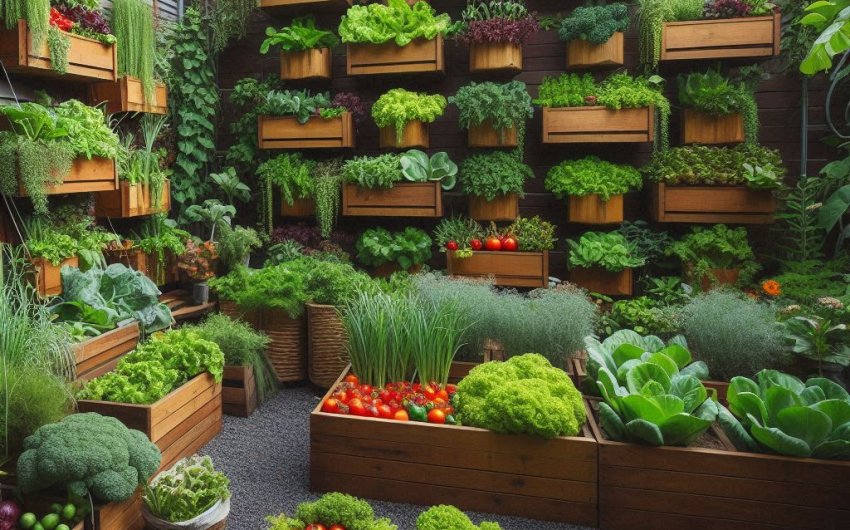
Do you dream of fresh, homegrown vegetables but think your limited outdoor space is holding you back? Think again! Learning how to start a vegetable garden in a small backyard is not only possible but incredibly rewarding. You don't need acres of land to enjoy the taste of your own produce. With clever planning, smart planting techniques, and a bit of creativity, even the tiniest patio or compact yard can become a bountiful food-producing oasis. This comprehensive guide will show you how to maximize every inch of your small space and embark on your gardening journey.
Why Garden in a Small Backyard?
Gardening in a small space offers unique advantages that make it appealing to many urban dwellers and homeowners with limited land.
- Freshness at Your Fingertips: Enjoy the unbeatable taste of just-picked vegetables and herbs, often mere steps from your kitchen.
- Cost Savings: Reduce your grocery bill by growing your own produce. Even a small harvest can make a noticeable difference.
- Reduced Food Waste: Harvest only what you need, when you need it, minimizing spoilage.
- Healthier Eating: Control exactly what goes into your food – no pesticides, no unknown chemicals.
- Therapeutic Hobby: Gardening is a wonderful stress reliever and a fantastic way to connect with nature, even in an urban setting.
- Maximizing Small Spaces: It proves that every inch of outdoor space can be beautiful and productive, transforming overlooked areas into vibrant green zones.
- Beginner-Friendly: Smaller gardens are often less overwhelming for new gardeners, making it easier to learn the ropes.
- Community Building: Share your excess harvest with neighbors or simply inspire others to start their own small gardens.
What Kinds of Small-Space Gardens Can You Build?
When space is limited, traditional in-ground rows might not be an option. Thankfully, there are many creative ways to grow vegetables in a small backyard.
1. Raised Beds
- Description: Enclosed garden beds built above the existing soil level, typically with wood, stone, or metal.
- Pros: Excellent drainage, warmer soil earlier in spring, better weed control, easier on the back (less bending), customizable size and shape, contained growing environment.
- Cons: Initial material cost, requires filling with good quality soil, can dry out faster than in-ground beds.
- Ideal for: Any small backyard, especially if your native soil is poor or compacted.
2. Container Gardening
- Description: Growing plants in pots, grow bags, buckets, or any suitable container.
- Pros: Extremely versatile, can be placed on patios, balconies, or paved areas, portable (move plants for sun/shade or protection), easy to control soil quality for individual plants.
- Cons: Requires more frequent watering and fertilizing, limited root space, pots can be expensive.
- Ideal for: Patios, balconies, very small yards, beginners, or those wanting maximum flexibility.
3. Vertical Gardening
- Description: Growing plants upward on trellises, walls, shelves, or specialized vertical planters.
- Pros: Maximizes space in tiny footprints, creates attractive living walls, improves air circulation for plants.
- Cons: Can dry out quickly (especially wall-mounted systems), initial setup cost for structures, might require specific plant choices.
- Ideal for: Any small space with a sunny wall or fence, complementing raised beds or containers.
4. Square Foot Gardening
- Description: A method developed by Mel Bartholomew that divides raised beds into 1-foot x 1-foot squares, each planted intensively with specific crops.
- Pros: Highly efficient use of space, reduces waste (no empty rows), easy to plan and manage, less weeding, excellent yields.
- Cons: Requires a raised bed structure, precise planting.
- Ideal for: Raised beds, anyone wanting to maximize yields in a small area.
5. In-Ground Beds (Modified)
- Description: Using existing soil, but modifying it to be more intensive than traditional rows.
- Pros: Lowest initial cost, connects plants directly to the earth.
- Cons: Depends entirely on existing soil quality, more susceptible to compaction, less accessible.
- Ideal for: Small yards with good existing soil, or those willing to invest time in soil improvement.
This guide will focus on a combination approach, heavily featuring raised beds and container gardening as the most practical and popular options for small backyard vegetable gardens.
What Tools and Materials Do You Need to Start?
Starting small means you don't need a huge arsenal of tools. Here's a basic list to get you going:
Essential Tools:
- Garden Trowel: For digging small holes, transplanting, and scooping soil. Fiskars Ergo Garden Trowel is durable and comfortable.
- Hand Pruners/Snips: For harvesting herbs, trimming small branches, and deadheading.
- Small Shovel or Spade: For moving larger amounts of soil or digging.
- Watering Can or Garden Hose with Nozzle: For consistent watering. A Gilmour Heavy Duty Garden Hose Nozzle offers multiple spray patterns.
- Gloves: Protect your hands from dirt, thorns, and blisters.
- Measuring Tape: For planning and spacing.
Materials (Choose based on your chosen garden type):
- For Raised Beds:
- Lumber: Untreated cedar, redwood, or Douglas fir are good choices. For a 4x8 foot bed, you'll need two 8-foot 2x6s and two 4-foot 2x6s. For a taller bed, double the height.
- Screws: Exterior-grade wood screws for assembly. Deck Screws are ideal.
- Drill: For assembling the raised bed frame.
- Garden Fabric/Landscape Fabric (Optional): To line the bottom of raised beds if you're worried about weeds from below, but often not necessary if building directly on soil.
- High-Quality Potting Mix/Raised Bed Mix: This is crucial! Do not use garden soil. Look for mixes specifically designed for containers or raised beds. A good mix like FoxFarm Ocean Forest Potting Soil is a great start, often mixed with compost.
- Compost: Essential for enriching soil. You can buy it or make your own.
- For Container Gardening:
- Variety of Pots/Containers: Terra cotta, plastic, fabric grow bags, repurposed buckets. Ensure they have drainage holes! VIVOSUN Fabric Grow Bags are excellent for vegetables.
- High-Quality Potting Mix: As above, specific for containers.
- For Vertical Gardening:
- Trellises/Stakes: For climbing plants like pole beans, cucumbers, peas. Garden Trellis for Climbing Plants
- Vertical Planters/Shelving Units: Specialized tiered planters, wall-mounted pouches, or DIY shelves.
Plants:
- Seeds or Seedlings: Start with what you want to grow! Purchase quality seeds or healthy young plants from a local nursery.
Where is the Best Place to Put Your Small Backyard Vegetable Garden?
Location, location, location! This is perhaps the single most important factor for success in any vegetable garden, especially a small one.
- Sunlight is Key: Most vegetables need at least 6-8 hours of direct sunlight per day to thrive and produce well. Observe your backyard throughout the day in different seasons. A spot that gets full morning sun and some afternoon shade can be ideal in hot climates.
- Water Access: Your garden will need regular watering. Choose a spot close to a water spigot or where a hose can easily reach.
- Protection: While sun is crucial, consider areas that offer some protection from strong winds (which can damage plants and dry out soil quickly) or extreme heat (if possible). A fence or wall can provide a good windbreak.
- Level Ground: While not strictly necessary for containers, a relatively level surface is best for raised beds to ensure even watering and stability.
- Convenience: Place your garden somewhere you'll see it often and can easily access. This encourages you to water, weed, and harvest regularly.
- Avoid Problem Areas: Stay away from areas with poor drainage, heavy foot traffic, or directly under large trees (which will compete for water and nutrients, and drop excessive shade).
How to Prepare Your Soil for a Small Vegetable Garden
Healthy soil is the foundation of a successful vegetable garden, whether in-ground, raised beds, or containers.
For In-Ground Beds:
- Clear the Area: Remove all weeds, grass, and debris from your chosen garden plot.
- Soil Test (Recommended): Consider getting a soil test through your local agricultural extension office. This will tell you your soil's pH and nutrient levels, guiding your amendments. A simple Soil Test Kit can give you a basic idea.
- Amend with Organic Matter: Even if your soil test indicates good nutrients, almost all garden soils benefit from significant amounts of organic matter.
- Spread a 4-6 inch layer of compost (finished compost from your own compost bin, or purchased) over the entire area.
- Add other organic materials like well-rotted manure, peat moss, or coco coir if needed.
- Incorporate: Use a garden fork or spade to gently turn the organic matter into the top 6-12 inches of your existing soil. Avoid excessive tilling, which can destroy soil structure.
- No-Dig/No-Till Method: Alternatively, you can layer organic materials directly on top of your cleared soil (e.g., cardboard, compost, straw) to gradually build up rich soil without digging. This is excellent for small spaces.
For Raised Beds:
- Line the Bottom (Optional): If you're building directly on grass or weedy areas, you can lay down a layer of cardboard or landscape fabric at the bottom to suppress weeds. However, if building on good soil, this isn't always necessary as plant roots can extend into the ground below.
- Fill with Quality Mix: Do not fill raised beds with just garden soil, which can compact. Use a blend specifically designed for raised beds or create your own:
- 50% High-Quality Potting Mix or Topsoil Blend: Look for a lightweight, well-draining mix.
- 50% Finished Compost: This provides essential nutrients and beneficial microbes.
- Mix thoroughly to ensure even distribution of nutrients and good aeration. A blend of Gardener's Best Organic Raised Bed Mix and a good compost would be ideal.
For Container Gardens:
- Use Potting Mix ONLY: Never use garden soil in containers; it's too heavy and will compact, suffocating roots. Use a high-quality potting mix specifically formulated for containers. These mixes are lighter, drain well, and retain moisture effectively.
- Ensure Drainage: All containers MUST have drainage holes at the bottom to prevent waterlogging and root rot.
- Add Compost (Optional): You can mix about 10-20% compost into your potting mix to give plants an initial boost of nutrients, but be careful not to make the mix too heavy.
How Do You Choose What to Grow in a Small Garden?
Smart plant selection is paramount when space is limited. Focus on high-yield, compact, or vertical-growing varieties.
High-Yield, Compact Plants:
- Leafy Greens: Lettuce, spinach, kale, Swiss chard. You can harvest outer leaves continuously.
- Radishes: Quick-growing, small root crop.
- Carrots: Look for "short and stout" varieties for containers or shallow beds.
- Bush Beans: Produce well without needing a trellis (unlike pole beans).
- Bush Cucumbers: Compact varieties or those bred for containers.
- Herbs: Basil, mint (grow in its own pot!), cilantro, parsley, thyme, oregano.
Vertical Growing Plants:
- Pole Beans: Excellent for trellises or stakes.
- Cucumbers: Many varieties readily climb a trellis.
- Squash: Some vining varieties can be trained up a sturdy trellis or cage. Look for "bush" types for smaller spaces.
- Peas: Require support but offer sweet, early harvests.
- Tomatoes: Determinate (bush) varieties are best for small spaces and containers. Indeterminate (vining) types can be grown but require strong support and aggressive pruning. Use a sturdy Tomato Cage.
- Small Melons: Some small-fruited melon varieties can be trellised.
What to Avoid (or Grow with Caution) in Small Spaces:
- Large Vining Squash/Pumpkins: Unless you have dedicated vertical space and a very robust trellis.
- Corn: Requires many plants for good pollination, usually too space-intensive.
- Potatoes (in large quantities): Can take up a lot of space, though "grow bags" can be used for smaller yields.
- Sprawling Plants: Like traditional zucchini or some sprawling melon varieties, unless you prune aggressively or have specific vertical plans.
How Do You Plan and Design Your Small Garden Layout?
Careful planning maximizes every square inch.
- Draw a Map: Sketch your backyard and mark the sunny areas. Measure the dimensions of your chosen garden spot.
- Consider Container Sizes: Think about how many and what size pots you'll use. Group pots together to create microclimates and make watering easier.
- Raised Bed Placement: If using raised beds, consider their size (e.g., 4x4 or 4x8 feet are common, allowing easy access from all sides without stepping into the bed). Leave enough walking room around them.
- Vertical Opportunities: Look for walls, fences, or even open spaces where you can add trellises, hanging baskets, or vertical planters.
- Intensive Planting: Instead of traditional rows, plant more closely together in a grid pattern (like square foot gardening) or interplant different crops (e.g., lettuce under taller tomatoes).
- Succession Planting: Plan to plant new crops as old ones are harvested. For example, after harvesting early radishes, plant lettuce or bush beans in the same spot.
- Crop Rotation (in beds): If using raised beds, try to rotate crops each year to prevent nutrient depletion and disease buildup.
- Companion Planting: Group plants that benefit each other (e.g., basil near tomatoes, marigolds to deter pests).
How Do You Plant Your Vegetable Garden?
Whether you're starting from seeds or seedlings, here's how to get your plants in the ground (or container!).
Starting from Seeds vs. Seedlings:
- Seeds:
- Pros: Cheaper, wider variety of choices, allows you to grow rare or specific varieties.
- Cons: Takes longer, requires indoor starting for some crops, requires more patience.
- Method: Follow packet instructions for depth and spacing. Keep soil consistently moist.
- Seedlings (Young Plants):
- Pros: Faster harvest, bypasses the tricky germination stage, easier for beginners.
- Cons: More expensive, limited variety at nurseries.
- Method:
- Harden Off: If purchasing seedlings, gradually introduce them to outdoor conditions over a week or two before planting.
- Dig a Hole: Dig a hole slightly larger than the seedling's root ball.
- Gently Remove: Carefully remove the seedling from its container, trying not to disturb the roots too much. If root-bound, gently loosen the bottom roots.
- Place and Backfill: Place the seedling in the hole so the top of the root ball is level with the surrounding soil. Backfill with your prepared soil, gently firming it around the base.
- Water In: Water thoroughly after planting to settle the soil and reduce transplant shock.
Spacing for Small Spaces:
Forget traditional row spacing. In small gardens, you'll be planting much more intensively.
- Square Foot Gardening: Follow the guidelines for how many plants of a particular type can go in each 1x1 foot square (e.g., 1 tomato plant per square, 4 lettuce, 9 spinach, 16 radishes).
- Container Specifics:
- Small Pots (6-8 inches): Single herbs, radishes, single lettuce plants.
- Medium Pots (10-12 inches): 1-2 bush beans, a single kale, small pepper plant.
- Large Pots (15-20 inches/5+ gallons): Single tomato, cucumber, bush squash.
- Grow Bags: Excellent for root crops like potatoes, or large plants like tomatoes due to good aeration and drainage.
- Vertical Support: Plant climbing plants at the base of their trellises or supports.
How Do You Care for Your Small Vegetable Garden?
Consistent care is vital for a productive garden, especially in small spaces where plants are growing intensively.
1. Watering:
- Frequency: Small gardens, especially containers and raised beds, dry out much faster than in-ground gardens. You might need to water daily, or even twice daily, during hot, dry weather. Check the soil moisture by sticking your finger an inch or two deep – if it feels dry, water.
- Deep Watering: Water deeply until water drains from the bottom of containers or saturates the raised bed. Shallow watering encourages shallow roots.
- Time of Day: Water in the morning to allow foliage to dry before nightfall, reducing fungal disease risk.
- Drip Irrigation/Soaker Hoses: Consider a small drip irrigation system or soaker hose for raised beds and multiple containers. It saves water and delivers it directly to the roots. Orbit Drip Irrigation Kit can be a great investment.
2. Fertilizing:
- Containers & Raised Beds: Plants in containers and raised beds deplete nutrients faster than in-ground plants.
- Liquid Fertilizer: Fertilize every 2-4 weeks with a balanced liquid organic fertilizer, like FoxFarm Grow Big Liquid Plant Food.
- Slow-Release Granular: Incorporate a slow-release organic granular fertilizer into your soil mix at the beginning of the season.
- In-Ground Beds: Top-dress with a layer of compost mid-season or if plants show signs of nutrient deficiency.
3. Weeding:
- Stay on Top of It: Weeds compete with your vegetables for water, nutrients, and sunlight – a critical problem in small spaces. Weed regularly by hand.
- Mulch: Apply a 1-2 inch layer of organic mulch (straw, shredded leaves, wood chips) around your plants. Mulch suppresses weeds, conserves moisture, and regulates soil temperature. Keep it away from plant stems.
4. Pest and Disease Management:
- Monitor Daily: Inspect your plants regularly for any signs of pests (holes in leaves, sticky residue) or diseases (spots, wilting). Early detection is key.
- Hand-Pick: For larger pests like slugs or hornworms, simply hand-pick and remove them.
- Organic Solutions: For smaller pests like aphids, a strong spray of water or an insecticidal soap can be effective. Garden Safe Insecticidal Soap is a good choice.
- Good Air Circulation: Space plants appropriately, even in small areas, and prune lower leaves to improve airflow, which helps prevent fungal diseases.
- Remove Diseased Parts: Promptly remove and discard any diseased leaves or plant parts to prevent spread.
5. Pruning and Support:
- Trellising: For all vining crops (tomatoes, cucumbers, pole beans), ensure sturdy supports are in place from the beginning. Train plants to climb as they grow.
- Tomato Pruning: If growing indeterminate tomatoes, judiciously prune suckers (small shoots that emerge between the main stem and a leaf branch) to direct energy into fruit production and improve air circulation.
How to Harvest Your Vegetables for Continuous Yields?
Harvesting at the right time not only gives you the best-tasting produce but also encourages plants to produce more.
- Leafy Greens: Harvest outer leaves as needed for salads, allowing the inner leaves to continue growing.
- Bush Beans/Peas: Pick frequently to encourage more pods to form. Don't let pods mature on the plant unless saving seeds.
- Cucumbers/Zucchini: Pick when small and tender. Overgrown cucumbers become seedy; overgrown zucchini becomes bland. Frequent picking encourages more fruit.
- Tomatoes: Harvest when fully colored and slightly soft to the touch.
- Herbs: Snip off leaves as needed. Regular harvesting encourages bushier growth.
What are Some Small Space Gardening Ideas?
Get creative with your small backyard!
- Vertical Pallet Garden: Turn an old wooden pallet on its side, line the pockets, and fill with soil for a ready-made vertical planter.
- Stackable Planters: Tiered planters allow you to grow multiple plants in a small footprint.
- Hanging Baskets: Ideal for cherry tomatoes, strawberries, cascading herbs, or leafy greens.
- Gutter Gardens: Attach rain gutters to a fence or wall, plug the ends, add drainage holes, and fill with soil for shallow-rooted crops like lettuce.
- Repurposed Containers: Anything can be a pot as long as it has drainage! Old tires (check for leaching concerns), galvanized tubs, laundry baskets (lined).
- Edible Landscaping: Integrate edibles directly into your existing ornamental flower beds. Purple basil, ornamental peppers, and kale can be very attractive.
- Mini Raised Beds: Instead of one large bed, have several smaller 2x2 or 2x4 foot raised beds.
Starting a vegetable garden in a small backyard is not a limitation but an opportunity for creativity and efficiency. By focusing on smart plant choices, optimizing your vertical and horizontal space, and consistently providing proper care, you can enjoy an abundant harvest right outside your door. Learning how to start a vegetable garden in a small backyard is a journey of discovery that will bring fresh flavors, beauty, and a deep connection to nature, no matter the size of your plot.