
How to Build a Garden Path Using Natural Materials?
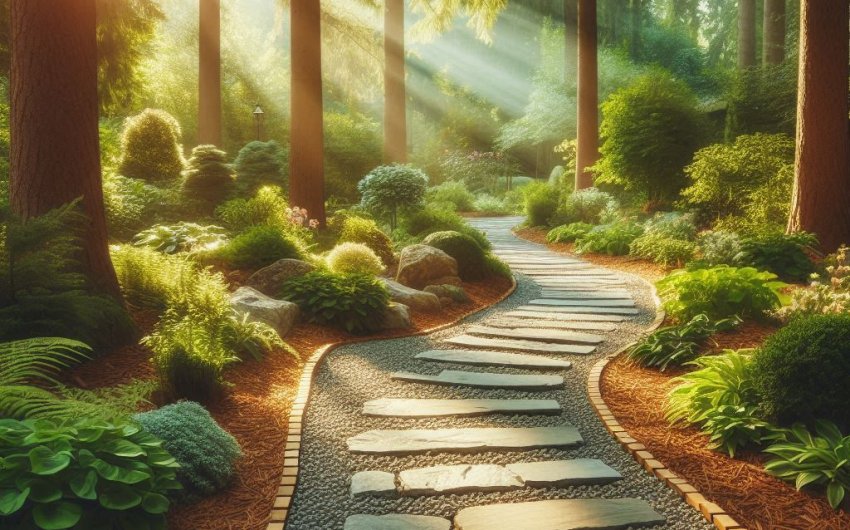
Have you ever walked through a garden and felt completely at peace? Often, it's the subtle details that make all the difference. When it comes to garden paths, natural materials offer a beauty and charm that man-made options just can't match. They blend seamlessly with your landscape, creating a harmonious and inviting space. Think about it: a path made of local stone or wood chips feels so much more organic and welcoming than one made of concrete or asphalt.
Choosing natural materials is also a very sustainable option. You're using what the earth provides, often reducing your carbon footprint. Plus, these materials tend to age gracefully, developing a lovely patina over time. They don't crack or fade like some manufactured products. So, if you're looking to create a garden path that’s both beautiful and eco-friendly, going natural is definitely the way to go. It's an investment in your garden's aesthetic and the environment.
What Natural Materials Can You Use for a Garden Path?
The world of natural materials for garden paths is surprisingly diverse! You have so many wonderful options, each with its own unique look and feel. Let's explore some of the most popular choices and what makes them special.
How Can Stone Enhance Your Garden Path?
Stone is a classic choice for a reason. It's incredibly durable, beautiful, and comes in many forms. When we talk about stone, we're often thinking about a few different types.
What are Flagstones and How Do They Work?
Flagstones are flat, irregularly shaped pieces of stone, often used to create a natural-looking paved path. Imagine stepping stones, but larger and often fitted together. They can be bluestone, sandstone, slate, or limestone, each offering different colors and textures.
To lay flagstones, you'll first prepare a base, often of crushed gravel and sand, to ensure good drainage and a stable surface. You then fit the flagstones together like a puzzle, leaving small gaps for moss, ground cover plants, or gravel. This creates a path with a rustic, organic feel. They are excellent for high-traffic areas and provide a very sturdy surface. A good heavy-duty landscape fabric will help prevent weeds from growing up between your flagstones.
How Can Pebbles and Gravel Create a Path?
Pebbles and gravel offer a completely different vibe – loose, crunchy, and very natural. They are fantastic for informal paths or areas where you want a softer look.
Pea gravel, with its small, rounded stones, is a very popular choice. It’s comfortable to walk on and creates a satisfying crunch underfoot. Decomposed granite (DG), a finely crushed granitic rock, packs down well, making a firmer surface. River rock, larger and smoother, can be used for decorative borders or in drier stream beds that double as paths.
When using pebbles or gravel, a good base is crucial. You'll want to dig down a few inches, lay down weed barrier fabric like the GardenMate landscape fabric, and then add a layer of crushed aggregate (like crushed limestone) for stability. Finally, spread your chosen gravel or pebbles. You might also want to use path edging to keep the material from spreading into your garden beds.
What About Stepping Stones?
Stepping stones are individual, often larger, pieces of natural stone (or sometimes concrete that mimics stone) placed at comfortable walking intervals. They create a charming, informal path that feels almost like a treasure hunt.
You can use various types of natural stone for stepping stones, from flat river stones to cut bluestone pavers. To install them, simply place them directly on the soil, ensuring they are level and stable. You might need to dig out a shallow area for each stone to make sure it sits flush with the ground and doesn't wobble. They are perfect for lighter traffic areas or to lead the eye through a particular part of your garden.
How Can Wood Materials Form a Path?
Wood brings warmth and an earthy feel to a garden path. It’s incredibly versatile and can be used in several interesting ways.
How Do Wood Chips or Mulch Make a Path?
Wood chips and mulch are perhaps the most accessible and budget-friendly natural materials for a garden path. They offer a soft, natural look and feel, and they are excellent for informal paths or in woodland settings.
You can use various types of wood chips, such as arborist chips (from local tree trimmings), cedar mulch, or bark nuggets. They break down over time, enriching the soil, which is a big plus for surrounding plants.
To create a wood chip path, define your path's edges, lay down a weed barrier like the Dewitt Pro 5 weed barrier, and then spread your chips about 3-6 inches deep. You’ll need to refresh them every year or two as they decompose. This type of path is wonderful for absorbing sound and providing a soft surface underfoot.
What About Wood Slices or Log Sections?
For a truly unique and rustic look, consider using wood slices or log sections as pavers. These are cross-sections cut from tree trunks or large branches. When laid out, they create an enchanting, almost fairy-tale path.
You'll want to use rot-resistant wood such as cedar, redwood, or black locust to ensure longevity. Treat the wood with a natural wood preservative to extend its life even further. To install, prepare a stable base of gravel and sand, then place the wood slices, leaving small gaps that can be filled with soil, moss, or small pebbles. They provide a very distinct visual appeal and a pleasant, firm walking surface.
Can Bricks Be Considered Natural Materials?
While not "found" in nature in their finished form, clay bricks are made from natural earth materials and have been used in gardens for centuries. They offer a more formal, yet still very natural, aesthetic.
How Do Reclaimed Bricks Work in a Garden Path?
Reclaimed bricks are bricks that have been salvaged from old buildings or pathways. They often have a beautiful, weathered look and unique imperfections that add character. Using reclaimed bricks is also a fantastic recycled option.
They can be laid in various patterns, such as basket weave, herringbone, or a simple running bond. To install, prepare a solid sub-base of compacted gravel and sand. Lay the bricks, tapping them into place with a rubber mallet to ensure they are level. You can fill the gaps with sand, mortar, or even soil for a softer, mossier look. Reclaimed bricks create a very sturdy and charming path that evokes a sense of history and permanence.
How Do You Plan Your Garden Path Layout?
Before you even think about digging, a little planning goes a long way. This is where you bring your vision to life on paper, or even better, right in your garden.
What is the Best Way to Map Out Your Path?
Start by walking your garden and thinking about where you naturally want to go. Do you need to connect your patio to a garden shed? Or perhaps create a meandering path through a flower bed?
Use a garden hose, rope, or even spray paint to lay out the path's proposed route. Walk along it. Does it feel natural? Is it wide enough? A good garden path should be at least 3 feet wide for comfortable walking, or wider if you anticipate two people walking side-by-side or using a wheelbarrow.
Consider the flow of your garden. A straight path can feel formal and direct, while a curved or winding path often feels more inviting and relaxed. Think about what views the path will reveal as you walk along it. This is your chance to get creative and design a path that truly complements your garden's design.
What Factors Influence Material Choice?
Once you have your path layout, it's time to think about the materials. This decision isn't just about what looks pretty; it's also about practicality.
Consider the amount of foot traffic the path will receive. A heavily used main path will benefit from more durable materials like flagstone or reclaimed bricks, while a less-used path to a secluded bench might be perfect for wood chips or stepping stones.
Think about the style of your garden. A formal, manicured garden might suit the neatness of bricks or cut stone pavers, while a cottage garden or a wilder space would look great with loose gravel or natural stepping stones.
Also, consider your budget and local availability of materials. Some natural stones can be expensive if they have to be shipped from far away. Local stone or arborist wood chips are often more affordable. Don't forget to factor in the cost of delivery and any tools you might need, like a good spade shovel or a wheelbarrow.
What Tools and Materials Do You Need?
Having the right tools makes the job much easier and more enjoyable. Most of these are basic gardening tools you might already own or can easily borrow or rent.
What Basic Tools Are Essential?
- Shovel or Spade: For digging out the path area. A pointed spade shovel is great for breaking new ground.
- Rake: For leveling the ground and spreading materials like gravel or wood chips.
- Wheelbarrow: Invaluable for moving soil, gravel, and other materials. A sturdy heavy-duty wheelbarrow will save your back.
- Tape Measure: For accurately marking your path's width and length.
- Level: To ensure your path is even and well-drained. A long carpenter's level is ideal for checking slopes.
- Rubber Mallet: For tapping pavers or stones into place.
- Hand Tamper or Plate Compactor: To compact the base materials for a firm foundation. A hand tamper is good for smaller jobs, while a plate compactor can be rented for larger paths.
- Work Gloves: To protect your hands from blisters and sharp objects.
- Safety Glasses: Especially when dealing with tools or dusty materials.
What Materials Beyond the Path Itself Are Needed?
- Landscape Fabric (Weed Barrier): Crucial for preventing weeds from growing through your path materials. Look for a durable woven landscape fabric.
- Edging Material: This is optional but highly recommended to keep loose materials like gravel or wood chips contained. Options include flexible plastic edging, metal edging, or natural stone borders. The Master Mark plastic landscape edging is a popular choice for easy installation.
- Base Material (Crushed Gravel/Aggregate): Provides drainage and a stable foundation for most types of paths. Crushed limestone or road base are common choices.
- Sand (Optional): Used as a leveling layer for pavers or as an infill for gaps between stones.
- Water Hose and Sprinkler: For dampening the soil or base material during compaction.
How Do You Prepare the Site for Your Path?
Proper site preparation is the most important step in building a long-lasting and beautiful garden path. Don't rush this part!
What Are the Steps for Clearing and Grading?
First, using your marked layout (hose or spray paint), begin by clearing the area of any existing grass, weeds, rocks, and debris. Dig down to the desired depth for your path. This depth will depend on your chosen materials. For example, a gravel path might need to be 4-6 inches deep, while flagstones or bricks might require a deeper excavation to accommodate the base layer.
Once you’ve dug out the area, you need to grade the path. This means making sure there's a slight slope (a fall of about 1-2 inches per 10 feet) to allow for water drainage. You don't want water puddling on your path. Use your level and a long straight board to check the slope. Remove any high spots and fill in any low spots, then compact the soil thoroughly using a hand tamper or plate compactor.
Why is Laying Down a Weed Barrier Important?
After grading, lay down your landscape fabric (also known as weed barrier). This material is designed to let water and air pass through while blocking weeds. Overlap seams by at least 6-12 inches to prevent weeds from sneaking through the gaps. You can secure the fabric with landscape fabric staples. This step is absolutely critical for minimizing future weed maintenance and keeping your path looking neat. Without it, you'll be constantly pulling weeds from between your stones or through your wood chips.
How Do You Add and Compact the Base Layer?
For most natural material paths (especially stone and brick), you'll need a base layer of crushed gravel or aggregate. This layer provides excellent drainage and a stable foundation, preventing your path from shifting or sinking over time.
Spread the crushed gravel evenly over the landscape fabric. The thickness of this layer will vary, but typically 3-4 inches is a good starting point. Dampen the gravel with water, then compact it thoroughly using a hand tamper or plate compactor. You want it to be as firm and dense as possible. This is the backbone of your path, so make sure it's done right! If your path is long, compact in layers (e.g., two 2-inch layers rather than one 4-inch layer) for better results.
How Do You Install Different Natural Path Materials?
Now for the fun part: laying down your chosen materials! The process varies slightly depending on what you've picked.
What are the Steps for Laying Stone Paths?
How Do You Lay Flagstones?
Once your compacted base layer of crushed gravel is in place, you'll add a 1-inch layer of sand over the top. Use a long straight board to level the sand evenly. Then, begin placing your flagstones. Start with the largest pieces and try to fit them together as tightly as possible, like a puzzle. Leave small, consistent gaps (about 1/2 to 1 inch) between the stones.
As you place each stone, gently tap it with a rubber mallet to seat it firmly into the sand. Use your level to ensure each stone is level with its neighbors and that the overall path maintains a slight slope for drainage. If a stone is too high, lift it, remove some sand, and re-tap. If it’s too low, add sand underneath. Once all stones are placed, sweep paver sand or polymeric sand into the gaps and water it lightly to lock the stones in place. For a more natural look, you can fill the gaps with topsoil and plant ground cover like creeping thyme.
How Do You Install Pebbles or Gravel Paths?
After your weed barrier and compacted crushed aggregate base are in place, it's time to add your pebbles or gravel. If you plan to use edging, install it now to contain the loose material.
Spread your chosen gravel or pebbles evenly over the base layer to a depth of 2-4 inches. Use a rake to smooth it out. If using decomposed granite, dampen it slightly and compact it with a plate compactor or hand tamper to create a firmer surface. For pea gravel or river rock, compaction isn't as critical, but smoothing it evenly is. You'll likely need to refresh your gravel path occasionally as the material settles or disperses.
How Do You Place Stepping Stones?
For stepping stones, the process is a bit simpler since you're dealing with individual pieces. Decide on the comfortable spacing between your stones – usually about 16-24 inches from center to center, depending on your stride.
For each stone, dig out a shallow area that is slightly larger than the stone and just deep enough so the top of the stone will be flush with (or slightly above) the surrounding ground. This prevents tripping hazards and helps them look like a natural part of the landscape. Place a thin layer of sand or fine gravel in the bottom of each hole, then set your stepping stone on top. Wiggle it and press it down firmly. Use your level to ensure it's flat and stable. If it wobbles, lift it, adjust the base material, and reset it until it's secure. Backfill around the edges of the stone with soil and tamp it down.
What are the Steps for Building Wood Paths?
How Do You Lay Wood Chips or Mulch Paths?
Once your path area is dug out and the weed barrier is laid down, simply dump and spread your wood chips or mulch. Aim for a depth of 3-6 inches. A thicker layer will suppress weeds more effectively and provide a softer cushion underfoot.
Use a rake to spread the chips evenly. If you have path edging installed, this will help keep the material neatly contained. This is one of the easiest and quickest paths to install. The only ongoing maintenance is replenishing the chips every 1-2 years as they break down.
How Do You Use Wood Slices or Log Sections?
For wood slices, dig out the path area to accommodate your base layer (usually 2-3 inches of crushed gravel and 1 inch of sand) plus the thickness of your wood slices. Once your base is prepared and compacted, set your wood slices in place.
Choose rot-resistant wood and consider treating the underside of the slices with a natural wood preservative before laying them. Place the largest slices first, fitting them together as best you can. Tap each slice with a rubber mallet to seat it firmly in the sand. Use your level to ensure they are all level with each other and that the path has proper drainage. You can fill the gaps between the wood slices with sand, small pebbles, or even moss or soil to encourage natural growth for a whimsical look.
How Do You Lay Bricks for a Path?
How Do You Use Reclaimed Bricks?
Similar to flagstones, reclaimed bricks require a solid base. After digging out the path area, lay down and compact 4-6 inches of crushed gravel. Then, add a 1-inch layer of sand leveled with a straight board.
Now, start laying your bricks in your chosen pattern (e.g., herringbone, basket weave, or running bond). Lay the bricks tightly together, tapping each one with a rubber mallet to set it firmly into the sand. Use a long level to ensure the bricks are even and maintain the slight slope for drainage. Cut bricks with a brick hammer or angle grinder if you need to fit them around curves or obstacles.
Once all bricks are laid, spread paver sand or polymeric sand over the surface and sweep it into all the joints. Use a broom to work the sand deep into the cracks. Lightly mist the path with water to help the sand settle and harden if using polymeric sand. This creates a very stable and beautiful brick path.