
Best Perennial Flowers for Low-Maintenance Gardens
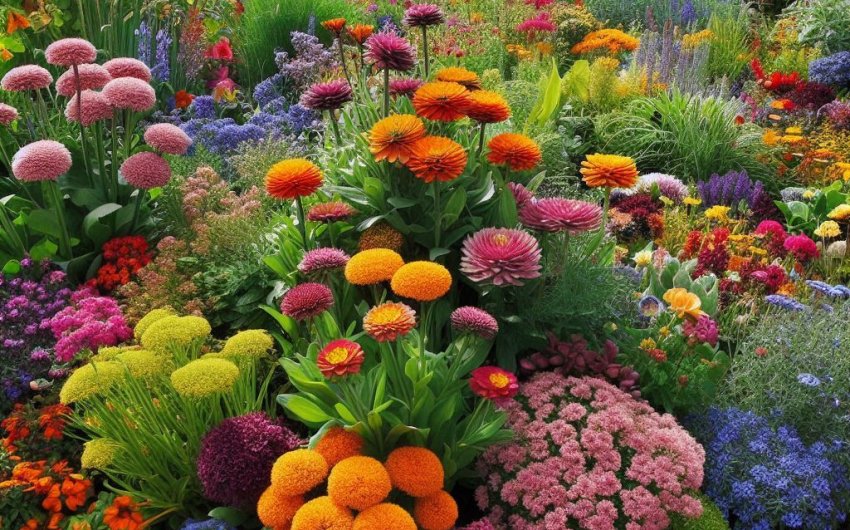
Do you dream of a beautiful garden bursting with color, but the thought of constant weeding, watering, and replanting makes you sigh? You're not alone! Many gardeners want stunning blooms without becoming slaves to their spades. The good news is, a vibrant and thriving garden that demands minimal effort is entirely possible with the right plant choices. The secret lies in filling your beds with low-maintenance perennial flowers.
Perennials are plants that return year after year, saving you the hassle and expense of replanting. When you choose varieties known for their hardiness, disease resistance, and minimal fuss, you're setting yourself up for a garden that practically takes care of itself. This guide will introduce you to some of the best perennial flowers for low-maintenance gardens, offering beauty and resilience without the constant demands. Get ready to enjoy more relaxation and less work in your blooming backyard!
Why choose low-maintenance perennials?
Opting for low-maintenance perennial flowers is a game-changer for gardeners of all experience levels. They offer significant advantages over their higher-maintenance counterparts.
What makes them ideal for busy gardeners?
- Return Year After Year: This is the ultimate time-saver! Unlike annuals that die after one growing season, perennials come back reliably each spring, often growing bigger and better over time. No more replanting from scratch!
- Reduced Workload: Less watering, less fertilizing, less pest control, and less deadheading (for many varieties). This frees up your time to simply enjoy your garden.
- Cost-Effective: While the initial cost of a perennial plant might be slightly higher than an annual, it's a one-time investment that pays off for years to come.
- Established Root Systems: Once established (typically after their first year), low-maintenance perennials develop deep root systems that make them more resilient to drought and temperature fluctuations.
- Naturalized Look: They tend to spread and fill in spaces, creating a more mature, natural, and effortless garden aesthetic.
- Attract Pollinators: Many of these hardy flowers are excellent sources of nectar and pollen, attracting beneficial insects like bees, butterflies, and hummingbirds to your garden, contributing to a healthier ecosystem.
What terms should I know?
- Perennial: A plant that lives for more than two years, typically returning each growing season from its rootstock.
- Annual: A plant that completes its entire life cycle (grows, flowers, sets seed, dies) within one growing season.
- Deadheading: The removal of spent or faded flowers to encourage more blooms and prevent seed formation. Many low-maintenance perennials don't strictly require this.
- Drought-Tolerant: A plant that can withstand periods of dry weather once established, requiring minimal supplemental watering.
- Disease-Resistant/Pest-Resistant: Plants that are naturally less susceptible to common garden ailments and insect infestations.
- Hardiness Zone: A geographic area where certain plants are able to grow based on the minimum winter temperatures. Knowing your USDA Plant Hardiness Zone is crucial for selecting plants that will survive in your climate.
What are the best low-maintenance perennials for sunny spots?
Sunny garden beds are perfect for many tough and beautiful perennials that thrive with minimal fuss. These plants love the sun and won't demand constant attention.
Coneflower (Echinacea purpurea)
- Bloom Time: Early summer to fall
- Colors: Classic purple, but also available in pink, white, yellow, orange, and red.
- Height: 2-4 feet
- Hardiness Zone: 3-9
- Why it's low-maintenance: Coneflowers are true garden champions. They are incredibly tough, very drought-tolerant once established, and generally pest and disease-free. They don't strictly need deadheading (though it can encourage more blooms), and their seed heads provide winter interest and food for birds. A must for a pollinator garden. You can find many kinds of Echinacea plants.
Salvia (Perennial Sage)
- Bloom Time: Late spring to fall (many varieties rebloom continuously)
- Colors: Deep blues, purples, pinks, reds, white.
- Height: 1-4 feet
- Hardiness Zone: 4-9 (varies by species)
- Why it's low-maintenance: There's a perennial salvia for almost every sunny spot, and many are exceptionally low-maintenance flowers. Varieties like 'May Night' or 'Caradonna' produce spikes of vibrant blue/purple flowers that are highly attractive to hummingbirds and butterflies. Most are drought-tolerant and deer-resistant. A quick shear after the first flush of blooms often brings on another wave. Salvia plants are super easy to grow.
Daylily (Hemerocallis)
- Bloom Time: Early summer to late summer/early fall (look for "reblooming" varieties)
- Colors: An astonishing array of colors, from soft pastels to vibrant reds, oranges, yellows, and purples (no true blue or pure white).
- Height: 1-3 feet
- Hardiness Zone: 3-9
- Why it's low-maintenance: Daylilies are legendary for their adaptability and resilience. They tolerate a wide range of soil conditions, heat, and some drought. While individual blooms only last a day, a mature plant produces a constant succession of new flower stalks, ensuring a long display. Look for "everblooming" or "reblooming" cultivars for the longest show. Great for mass plantings. You can find various daylily plants online.
Catmint (Nepeta)
- Bloom Time: Late spring to fall (especially with shearing)
- Colors: Soft lavender-blue to purple.
- Height: 1-3 feet
- Hardiness Zone: 3-8
- Why it's low-maintenance: Catmint is incredibly tough, deer-resistant, and highly drought-tolerant. Its airy spikes of lavender-blue flowers and silvery foliage create a beautiful, soft haze in the garden. It's a magnet for bees. Shear it back after the first major bloom for continuous flowering.
Yarrow (Achillea)
- Bloom Time: Early summer to fall
- Colors: Yellow, gold, red, pink, white, orange.
- Height: 1-3 feet
- Hardiness Zone: 3-9
- Why it's low-maintenance: Yarrow is a powerhouse for hot, dry areas and poor soils, making it excellent for drought-tolerant gardens. Its flat-topped flower clusters are great for attracting beneficial insects and make fantastic cut or dried flowers. Deadhead for more blooms.
Coreopsis (Tickseed)
- Bloom Time: Early summer to fall
- Colors: Bright yellows, golds, pinks, reds, and bi-colors.
- Height: 1-2 feet
- Hardiness Zone: 4-9
- Why it's low-maintenance: Coreopsis varieties, especially 'Moonbeam' and 'Zagreb', are celebrated for their continuous bloom and easy-going nature. They form cheerful daisy-like flowers and are very drought-tolerant. Regular deadheading encourages even more flowers.
Blanket Flower (Gaillardia)
- Bloom Time: Early summer to fall
- Colors: Fiery reds, oranges, and yellows, often with distinct bands of color.
- Height: 1-2 feet
- Hardiness Zone: 3-10
- Why it's low-maintenance: Blanket Flower is a robust choice for hot, sunny spots. It tolerates heat and drought very well and blooms tirelessly for months, attracting butterflies with its vibrant colors.
What are the best low-maintenance perennials for shady/partial shade spots?
Even if your garden has less direct sunlight, you can still enjoy beautiful, low-maintenance perennial flowers. These plants thrive with less sun and provide lush foliage and charming blooms.
Hosta
- Bloom Time: Mid-summer (flowers are secondary to foliage)
- Colors: Foliage in countless shades of green, blue, yellow, and variegation; flowers are typically lavender or white.
- Height: 6 inches to 3 feet (highly varied)
- Hardiness Zone: 3-9
- Why it's low-maintenance: While their flowers are often understated, Hostas are champions of shade gardens, offering incredible foliage variety in terms of size, shape, color, and texture. They are extremely hardy, require minimal care (mostly slug/snail patrol), and return reliably for decades. Perfect for a low-maintenance shade garden. Many Hosta plant varieties exist.
Bleeding Heart (Dicentra eximia 'Luxuriant' type)
- Bloom Time: Late spring through summer (some cultivars rebloom)
- Colors: Pink, red, white.
- Height: 1-2 feet
- Hardiness Zone: 3-9
- Why it's low-maintenance: While the classic old-fashioned bleeding heart (Dicentra spectabilis) tends to go dormant in summer, varieties of Fringed Bleeding Heart (Dicentra eximia and its cultivars like 'Luxuriant') are true long blooming perennials that flower for months, especially in cool, moist, partial shade. They require little care beyond consistent moisture.
Astilbe
- Bloom Time: Early summer to late summer (depending on variety)
- Colors: Feathery plumes in shades of pink, red, white, and purple.
- Height: 1-4 feet
- Hardiness Zone: 3-8
- Why it's low-maintenance: Astilbe brings beautiful feathery flower plumes and attractive, fern-like foliage to shady spots. While individual varieties might not bloom for months, planting a mix of early, mid, and late-season bloomers can give you a continuous display through the summer. They are relatively disease-free and simply need consistent moisture.
Coral Bells (Heuchera)
- Bloom Time: Late spring to late summer (flowers are subtle, foliage is primary appeal)
- Colors: Foliage in a dazzling array of shades including green, purple, bronze, red, orange, silver, and variegation; small flowers are white, pink, or red.
- Height: 1-2 feet
- Hardiness Zone: 4-9
- Why it's low-maintenance: Coral Bells are fantastic for providing long-lasting color through their incredibly diverse and vibrant foliage. They form neat clumps, make great groundcovers or border edgers in partial shade, and require minimal attention beyond occasional grooming of old leaves. Their small flowers attract hummingbirds. Many Heuchera plant varieties are available.
Foamflower (Tiarella cordifolia)
- Bloom Time: Spring to early summer, often reblooming sporadically.
- Colors: Delicate, foamy white or light pink flower spikes.
- Height: 6-12 inches
- Hardiness Zone: 4-9
- Why it's low-maintenance: Foamflower is a charming native perennial with delicate, airy blooms and attractive, often deeply lobed foliage that can be evergreen in warmer climates. It's an excellent groundcover for shady spots, tolerates dry shade once established, and requires very little care.
General tips for a truly low-maintenance garden
Beyond choosing the right plants, a few overarching strategies will further reduce your garden workload.
1. Good Soil Preparation
- Drainage: Most perennials prefer well-draining soil. If you have heavy clay, amend it with plenty of compost and organic matter to improve drainage. This is a one-time effort that pays dividends for years.
- Nutrients: Healthy soil means healthy plants that are more resistant to pests and diseases.
2. Mulch, Mulch, Mulch!
- Weed Suppression: A thick layer (2-4 inches) of organic mulch (like wood chips, shredded bark, or straw) around your plants is your best friend for weed control. It blocks sunlight, preventing most weeds from germinating. You can use cedar bark mulch for a natural look.
- Moisture Retention: Mulch dramatically reduces water evaporation from the soil, meaning you'll water much less often.
- Temperature Regulation: It helps keep soil temperatures more stable, protecting roots from extreme heat or cold.
- Nutrient Addition: As organic mulch breaks down, it slowly adds valuable nutrients to the soil.
3. Right Plant, Right Place
- Hardiness Zone: As mentioned, always select plants that are hardy in your specific climate zone.
- Sunlight Needs: Match the plant's light requirements (full sun, partial sun, full shade) to the conditions in your garden bed.
- Mature Size: Know how big a plant will get at maturity and give it enough space. This prevents overcrowding and the need for frequent pruning.
4. Group by Water Needs
- Water-Wise Zones: Group plants with similar watering needs together. Place drought-tolerant plants in drier areas and moisture-loving plants in areas that retain more water. This makes irrigation more efficient.
5. Consider Native Plants
- Natural Adaptation: Native perennials are perfectly adapted to your local climate, soil, and rainfall patterns. This makes them incredibly low maintenance, naturally disease and pest-resistant, and they provide crucial support for local pollinators and wildlife. Your local botanical garden or native plant society can recommend excellent native options.
By filling your garden with the best perennial flowers for low-maintenance gardens and implementing these smart design and care strategies, you can enjoy a season-long display of beautiful blooms without sacrificing your precious free time. It's time to create a garden that works for you, not the other way around!