
How to Grow Plants in Clay Soil Successfully?
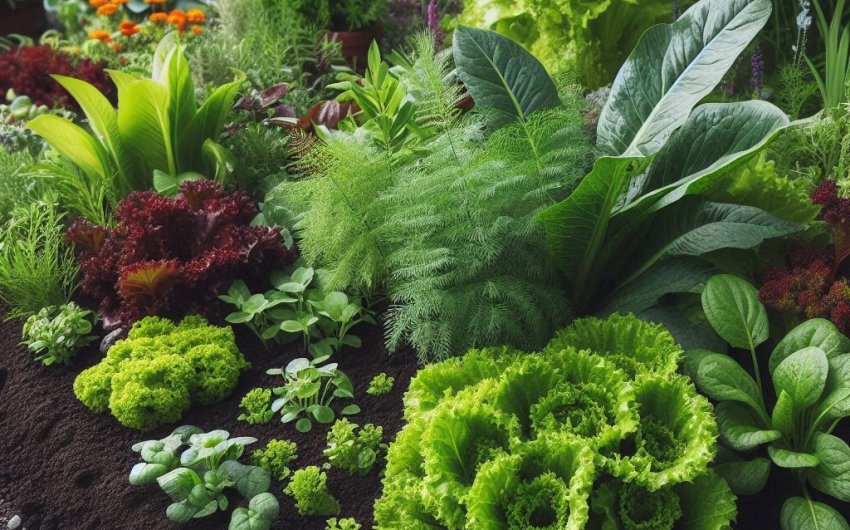
To grow plants in clay soil successfully, the primary focus should be on improving soil structure to enhance drainage, aeration, and workability. This is best achieved by generously incorporating organic matter, which breaks up the dense clay particles and creates a more hospitable environment for plant roots.
What Exactly is Clay Soil?
Clay soil is a type of soil composed of very fine mineral particles. These particles are incredibly small and flat, packing tightly together. This unique structure gives clay soil its distinct characteristics, which can be both challenging and beneficial for gardening.
- Particle Size: Clay particles are less than 0.002 mm in diameter, the smallest of all soil particles (sand is largest, silt is in between).
- Structure: When wet, clay particles cling together, making the soil sticky and heavy. When dry, it becomes hard and compact, often cracking.
- Compaction: Easily becomes compacted, especially when walked on or worked when wet.
What Are the Challenges of Gardening in Clay Soil?
While clay soil has its advantages, it presents several common challenges for gardeners. Understanding these issues is the first step to successful cultivation.
- Poor Drainage: The tightly packed particles prevent water from draining quickly. This leads to waterlogging, depriving roots of oxygen and promoting root rot.
- Poor Aeration: Lack of air pockets means roots struggle to breathe and beneficial microorganisms don't thrive.
- Compaction: Clay soil compacts easily, making it hard for roots to penetrate and grow. This also hinders water and nutrient movement.
- Slow to Warm Up: Clay holds water, and wet soil takes longer to warm in spring, delaying planting.
- Hard to Work: When wet, it's sticky and heavy; when dry, it's rock-hard. This makes digging, tilling, and planting difficult.
- Nutrient Lock-Up: While clay holds nutrients well, poor aeration can sometimes make them less available to plants.
What Are the Benefits of Clay Soil?
Despite its challenges, clay soil has several redeeming qualities that make it a highly productive growing medium when properly managed.
- High Nutrient Retention: The small, negatively charged clay particles have a high cation exchange capacity (CEC), meaning they hold onto essential nutrients like calcium, potassium, and magnesium very well, preventing them from leaching away.
- High Water Retention: While poor drainage is a problem, clay's ability to hold water means it doesn't dry out as quickly as sandy soils. This can be an advantage during dry spells once drainage is improved.
- Foundation for Fertility: Once its structure is improved, clay soil is inherently more fertile than sandy soil because of its nutrient-holding capacity.
How Do You Improve Clay Soil Structure?
The single most important step to grow plants in clay soil successfully is to improve its structure. This primarily involves adding organic matter consistently.
1. Incorporate Organic Matter (The Golden Rule)
This is by far the most effective and long-term solution. Organic matter acts like tiny sponges and glue, separating clay particles and creating larger air and water pockets.
- Compost: Well-rotted compost is ideal. Spread a 2-4 inch layer over the garden bed and lightly dig it into the top 6-12 inches of soil. A Compost Bin is a gardener's best friend.
- Aged Manure: Adds nutrients and organic matter. Ensure it's well-composted to avoid burning plants.
- Leaf Mold: Decomposed leaves, excellent for improving soil structure.
- Shredded Bark or Wood Chips: Good for long-term improvement, but use sparingly directly mixed into planting beds, as they can temporarily deplete nitrogen during decomposition. Best as a mulch.
- Peat Moss: Can be used, but use sphagnum peat moss sustainably sourced. Avoid cheap, fibrous peat.
- Cover Crops/Green Manure: Planting cover crops (e.g., clover, vetch, rye) and tilling them into the soil before they flower adds organic matter and improves structure.
2. Double Digging (For Initial Improvement)
For new garden beds with very heavy clay, double digging can provide a significant initial boost to soil structure.
- Dig First Trench: Dig a trench about 1 foot deep and 1 foot wide at one end of the bed. Place the removed soil aside.
- Loosen Bottom: Loosen the soil at the bottom of the trench with a digging fork, working in compost or other organic matter.
- Dig Second Trench: Dig a second trench next to the first, placing this soil into the first trench.
- Repeat: Continue across the bed. Use the soil saved from the first trench to fill the last one. This is labor-intensive but creates an excellent aerated soil profile.
3. Avoid Working Clay Soil When Wet
- Compaction Risk: Working clay soil when it's wet (sticky and muddy) will destroy its structure, leading to severe compaction and making it even harder to manage.
- Patience: Wait until the soil is moist but crumbly. Squeeze a handful; if it forms a tight ball, it's too wet. If it crumbles easily, it's ready.
4. Mulch Annually
- Long-Term Organic Matter: Applying a 2-4 inch layer of organic mulch (shredded leaves, wood chips, straw) over your garden beds each year slowly breaks down, adding organic matter to the soil surface.
- Suppresses Weeds: Reduces competition for nutrients and water.
- Moderates Temperature: Keeps soil cooler in summer and warmer in winter.
- Retains Moisture: Reduces water evaporation.
5. Consider Gypsum (With Caution)
- Only for Sodic Clay: Gypsum (calcium sulfate) helps flocculate (clump together) clay particles in sodic clay soils (soils with high sodium levels).
- Soil Test First: Only apply gypsum if a soil test indicates high sodium. It won't significantly improve drainage in non-sodic clay and can even increase salinity if misused.
- Organic Matter is Superior: Organic matter is always the preferred and most universally effective amendment.
What Plants Thrive in Clay Soil?
While improving clay soil is crucial, some plants are naturally more tolerant or even prefer its conditions. Selecting the right plants dramatically increases your chances of success.
Trees and Shrubs
Many trees and shrubs with deeper root systems can tolerate clay once established, especially if the initial planting hole is amended.
- Trees:
- Oaks (Quercus spp.): Many native oaks tolerate heavy clay.
- Maples (Acer spp.): Some varieties.
- Elms (Ulmus spp.): Particularly native species.
- Serviceberry (Amelanchier spp.): Small tree, provides berries for birds.
- Shrubs:
- Dogwood (Cornus spp.): Many species tolerate clay.
- Viburnums: A large genus with many clay-tolerant options.
- Hydrangeas: Many varieties, especially Hydrangea arborescens (smooth hydrangea).
- Forsythia: Tough and vibrant.
- Ninebark (Physocarpus opulifolius): Hardy and adaptable.
Perennials
Many hardy perennials can thrive in clay once the soil's drainage is moderately improved.
- Hostas: Wide range of sizes and leaf colors, tolerant of moisture.
- Daylilies (Hemerocallis): Extremely tough and adaptable.
- Coneflowers (Echinacea): Drought-tolerant once established, but can handle clay.
- Astilbe: Prefers moist, shady clay.
- Bleeding Heart (Dicentra spectabilis): Likes rich, moist soil.
- Siberian Iris: Tolerates wet clay.
- Hellebores: Excellent for shady, clay areas.
- Sedum (Stonecrop): Surprisingly tolerant of heavier soils despite preferring well-drained.
- Ferns (various native species): Many types thrive in moist, shady clay.
Vegetables
Some vegetables with robust root systems can grow in clay, especially after soil amendments.
- Root Vegetables (with caution): Carrots, potatoes, and radishes need loose soil to develop properly. If your clay is significantly improved, some success is possible, but raised beds are often better for these.
- Leafy Greens: Lettuce, spinach, kale, Swiss chard often do well.
- Brassicas: Cabbage, broccoli, cauliflower.
- Beans and Peas: Their nitrogen-fixing properties can also benefit the soil.
- Corn: A heavy feeder that can handle clay.
- Tomatoes and Peppers: Can grow if drainage is good.
Consider Raised Beds for Vegetables
For most vegetables, especially root crops, raised garden beds filled with a custom mix of garden soil, compost, and other amendments are an excellent solution for clay soil. This completely bypasses the drainage issues. A Raised Garden Bed Kit offers an immediate solution.
What Are the Best Planting Techniques for Clay Soil?
Even with improved soil, specific planting techniques can give your plants the best start in clay soil.
1. Dig a Wide, Not Deep, Hole
- Root Girdling: Digging a deep, narrow hole in clay can create a "bathtub effect," where water collects and causes root rot.
- Proper Size: Dig the planting hole 2-3 times wider than the root ball, but only as deep as the root ball.
- Amend the Backfill: Mix plenty of compost or organic matter (at least 50% by volume) with the excavated clay soil that you'll use for backfill. This creates a transition zone.
2. Plant High
- Crown Drainage: For trees and shrubs, plant them so the top of the root ball is slightly above the surrounding soil level (1-2 inches). This helps prevent water from collecting around the crown, reducing rot.
- Mound Planting: For very poor drainage, consider planting on a slight mound.
3. Break Up Glazed Sides
- Compacted Walls: When digging in clay, the sides of the hole can become smooth and compacted ("glazed"). This acts as a barrier to root growth.
- Rough Up: Use a digging fork or shovel to rough up the sides of the hole, creating channels for roots to penetrate.
4. Don't Add Sand Alone
- Concrete Effect: Adding sand alone to clay soil is a common mistake. It won't improve drainage; instead, it can create a material similar to concrete when combined with clay.
- Always Add Organic Matter: If you add sand, it must be combined with significant amounts of organic matter (at least 50% sand and 50% organic matter by volume, ideally).
How Do You Water Plants in Clay Soil?
Watering in clay soil requires a different approach than in sandy or loamy soils due to its slower drainage.
- Infrequent, Deep Watering: Water less frequently but for longer periods. This encourages roots to grow deeper, seeking moisture, and allows the top layer of soil to dry out, improving aeration.
- Monitor Soil Moisture: Don't water on a schedule. Stick your finger 2-3 inches into the soil. If it feels moist, wait. If it feels dry, it's time to water.
- Avoid Compaction: Water gently to avoid compacting the soil surface. Drip irrigation or soaker hoses are ideal. A Soaker Hose delivers water slowly and directly.
- Watch for Pooling: If water pools on the surface for a long time, reduce the watering rate. This is a sign of poor infiltration.
How Do You Fertilize Plants in Clay Soil?
Clay's excellent nutrient retention means you might not need to fertilize as often as in sandy soils, but proper methods are still important.
- Soil Test: Begin with a soil test to understand existing nutrient levels and pH. This prevents over-fertilizing and unnecessary amendments. A Soil Test Kit is invaluable.
- Organic Fertilizers: These are generally better for clay soil. They slowly release nutrients and further contribute to organic matter, improving soil structure.
- Slow-Release Synthetics: If using synthetic fertilizers, choose slow-release granular formulations to prevent nutrient runoff and sudden bursts of growth.
- Top-Dressing with Compost: Instead of chemical fertilizers, a yearly top-dressing of 1-2 inches of compost provides a slow, steady supply of nutrients and continually improves soil structure.
Troubleshooting Common Problems with Clay Soil
Despite your best efforts, you might encounter specific issues when growing plants in clay soil.
Plants Wilting Despite Wet Soil
- Cause: This is a classic sign of overwatering and root rot. The roots are suffocating and cannot absorb water, even if the soil is wet.
- Solution: Improve drainage immediately. If a potted plant, repot into fresh, well-draining soil. For in-ground plants, ensure generous organic matter amendment, aeration, and adjusted watering.
Hard, Cracked Soil Surface
- Cause: Extreme drying out, often after heavy rain and subsequent baking sun. Indicates low organic matter and poor structure.
- Solution: Apply a thick layer of organic mulch. Continue incorporating organic matter into the soil below. Consider a gentle, deep watering when dry to prevent severe cracking.
Stunted Growth
- Cause: Poor aeration, nutrient unavailability due to compaction, or insufficient root penetration.
- Solution: Focus on consistent, long-term organic matter amendment. Aerate the soil carefully. Ensure proper planting depth and technique.
Standing Water After Rain
- Cause: Very poor drainage, high water table, or low spots in the garden.
- Solution: Seriously consider raised beds or berms (mounds) for planting. Extensive organic matter amendment and potentially subsurface drainage systems may be needed for severe cases.
Difficulty Digging or Planting
- Cause: Compaction and inherent stickiness of clay.
- Solution: Only work the soil when it's at the ideal moisture level (crumbly, not sticky or dusty). Use sturdy, sharp tools like a Heavy Duty Garden Fork or a Sharp Garden Spade.
The Patience and Reward of Growing in Clay Soil
While growing plants in clay soil successfully requires more effort initially, the long-term rewards are immense. Clay, when managed correctly, becomes a highly fertile and productive growing medium. The key is consistent application of organic matter, patience, and adapting your gardening practices to work with, rather than against, the unique properties of this powerful soil. Embrace the journey of transforming your challenging clay into a thriving garden foundation.