
How Do I Care for Winter Dormant Succulents?
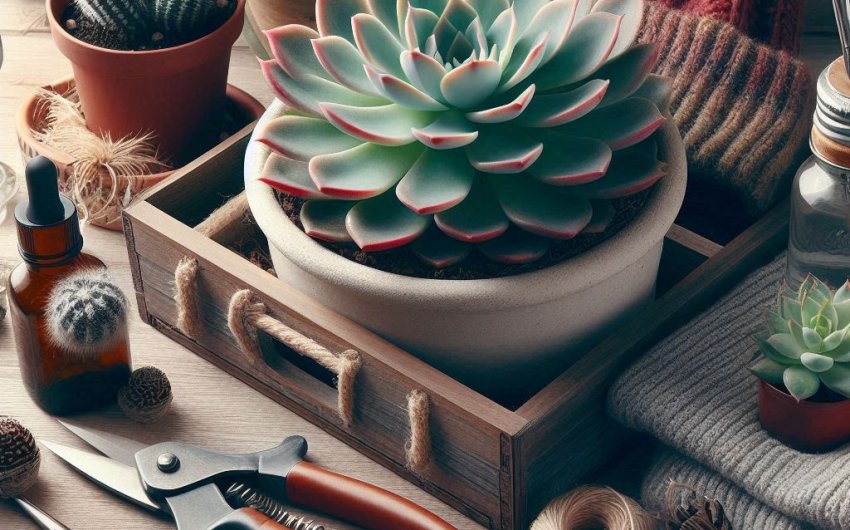
Succulents are beloved for their ability to store water in their fleshy leaves, making them resilient and low-maintenance plants. However, like many other plants, some succulents enter a period of dormancy during winter. Understanding how to care for winter dormant succulents is crucial to ensuring their survival and health during this restful phase. Winter dormancy is a natural process where succulents slow down their growth to conserve energy, and during this time, they require different care than in their active growing season.
In this guide, we’ll explore everything you need to know about caring for your winter dormant succulents, including watering schedules, light requirements, temperature control, and general maintenance tips. By following these guidelines, you can ensure your succulents remain healthy and vibrant throughout the colder months.
1. What Is Winter Dormancy in Succulents?
Winter dormancy refers to the period when certain types of succulents enter a state of rest, slowing their growth and reducing their metabolic activity. During this time, the plant's energy is focused on surviving the colder conditions rather than producing new growth or flowers.
Not all succulents go dormant in winter. Some, particularly those native to cooler regions, may enter dormancy in the summer instead. Understanding which type of succulent you have is crucial to providing the correct care during dormancy. Common winter dormant succulents include Echeveria, Aeonium, and Agave, among others.
Signs That Your Succulents Are Entering Dormancy
- Slower growth: You may notice that your succulents stop growing or grow much more slowly than during the spring and summer months.
- Fewer new leaves: Dormant succulents generally do not produce new leaves, and their current leaves may appear to stop developing.
- Lighter watering needs: Because succulents are conserving energy, they require less water than during their active growing phase.
Understanding these signs helps you adjust your care routine to accommodate your succulent's dormancy period.
2. Light Requirements for Winter Dormant Succulents
Although winter dormant succulents are not actively growing, they still need adequate light to maintain their health. During the winter months, natural sunlight is often less intense, and days are shorter. Succulents typically prefer bright, indirect light to thrive, even during dormancy.
Indoor Placement
For indoor succulents, it’s essential to place them near a bright south-facing window where they can receive several hours of light each day. If natural light is limited during the winter, you can supplement their light intake with grow lights. Grow lights provide the necessary spectrum of light that encourages healthy photosynthesis, even during periods of dormancy.
When using grow lights, place them about 6-12 inches above the succulents, and keep them on for around 8-12 hours each day to mimic the natural daylight cycle.
Outdoor Placement
If you live in a region where succulents can remain outdoors during the winter (e.g., USDA zones 9-11), it’s important to protect them from extreme temperature drops and frost. Placing them in a shaded area with bright, indirect light is ideal, as this prevents sunburn while still allowing the plants to receive sufficient light.
Using frost cloth during particularly cold nights can help protect outdoor succulents from freezing temperatures.
3. Watering Winter Dormant Succulents
One of the most important aspects of caring for winter dormant succulents is adjusting your watering routine. During dormancy, succulents need much less water than during their active growing season. Overwatering can lead to root rot, a common issue during the winter months when the plants are not actively absorbing water.
How to Water Dormant Succulents
- Reduce watering frequency: For winter dormant succulents, you’ll want to reduce the frequency of watering. Depending on the humidity and temperature in your home, you may only need to water your succulents once every three to six weeks.
- Check the soil: Always check the soil before watering to ensure it is completely dry. Insert your finger about an inch into the soil or use a moisture meter to determine whether it’s time to water. If the soil feels damp, wait longer before watering again.
- Use the soak-and-dry method: When watering, use the soak-and-dry method, where you water thoroughly until it runs out of the drainage holes, then let the soil dry completely before watering again.
Signs of Overwatering
Overwatering during dormancy is a common mistake and can result in root rot. Signs of overwatering include:
- Yellowing or translucent leaves: This indicates that the plant’s tissues are waterlogged and can no longer function properly.
- Soft or mushy stems: If the stems or leaves of the succulent become soft to the touch, it may be suffering from overwatering.
- Foul odor from the soil: Rotting roots can produce a bad smell, which is a sign of root rot.
If you notice these signs, it’s important to stop watering immediately and consider repotting your succulent in fresh, dry soil.
4. Soil and Potting Considerations
The type of soil and the pot you use play an essential role in maintaining the health of your winter dormant succulents. Because succulents are sensitive to excess moisture, using the right soil and pot with proper drainage is critical.
Best Soil for Winter Dormant Succulents
Succulents need well-draining soil, especially during the winter when they are not actively growing. A cactus and succulent potting mix is ideal, as it is formulated to drain excess water quickly, preventing the roots from sitting in moisture for extended periods. You can also create your own mix by combining regular potting soil with perlite or sand to improve drainage.
Choosing the Right Pot
The pot you use for your succulent is just as important as the soil. Choose a pot with drainage holes to ensure excess water can escape after watering. Pots made of terracotta or clay are great options because their porous nature allows air to circulate around the roots, helping to prevent water buildup.
If your succulent is planted in a pot without drainage, it’s essential to repot it into one that has drainage holes before the dormant season begins.
5. Temperature and Humidity Control for Winter Dormant Succulents
Winter dormant succulents prefer cooler temperatures during their rest period, but they still need to be protected from freezing conditions. Understanding how to manage temperature and humidity is essential for keeping your succulents healthy throughout the winter months.
Ideal Temperature for Dormant Succulents
While actively growing succulents thrive in warmer temperatures, winter dormant succulents do best in cooler environments during dormancy. Keep your succulents in a location where temperatures range between 50°F and 60°F during the winter. Avoid placing them near drafts or heating vents, as these can cause fluctuations in temperature that may stress the plant.
If your succulents are kept outdoors in colder climates, it’s crucial to bring them indoors or cover them with frost blankets to protect them from frost and freezing temperatures.
Humidity Considerations
Succulents naturally thrive in dry conditions, and winter dormancy doesn’t change this. High humidity can promote rot and fungal growth, so it’s best to keep your succulents in a low-humidity environment during the winter.
If you live in a particularly humid area, consider using a dehumidifier to lower the humidity around your plants. Additionally, avoid misting your succulents during dormancy, as this can introduce excess moisture that the plant doesn’t need.
6. Pruning and Grooming Winter Dormant Succulents
During the winter dormancy period, succulents don’t require much pruning, but a little grooming can help keep them healthy. Regular maintenance ensures that the plant remains disease-free and aesthetically pleasing as it rests.
Removing Dead or Dying Leaves
Throughout the dormant season, some leaves may dry out or die. These should be removed to prevent rot or pest infestations. Use pruning shears or scissors to carefully trim off dead leaves at the base, being cautious not to damage the healthy parts of the plant.
Checking for Pests
Although pests are less active during the winter, they can still pose a threat to succulents, especially if the plant has been overwatered or if humidity levels are too high. Common pests include mealybugs, spider mites, and scale insects. Regularly inspect your plants for signs of infestation, such as webbing, white cotton-like masses, or discolored spots on the leaves.
If you spot any pests, treat the plant with insecticidal soap or neem oil, both of which are safe and effective treatments for succulent care.
7. Fertilizing Winter Dormant Succulents
During the winter dormancy period, succulents do not need as much, if any, fertilizer. Since the plant’s growth slows significantly during dormancy, over-fertilizing can lead to a buildup of nutrients that may damage the roots or cause the plant to grow unevenly.
When to Stop Fertilizing
Generally, you should stop fertilizing winter dormant succulents in late fall, before the plant fully enters its dormant phase. This helps the plant naturally transition into a period of rest. You can resume light fertilization in the spring when the succulent begins to show signs of active growth again.
If you do choose to fertilize during the winter, use a diluted succulent fertilizer at half-strength and apply it sparingly—no more than once a month.
8. Preparing for Spring: Transitioning Succulents Out of Dormancy
As winter comes to an end, succulents gradually come out of their dormant state and begin preparing for a new season of growth. Transitioning your succulents back into active growth requires careful attention to their changing needs.
Gradually Increasing Watering
As your succulent shows signs of new growth in the spring, such as brighter leaves or new shoots, you can begin increasing your watering schedule. Resume the soak-and-dry method, but continue to let the soil dry out between waterings to prevent overwatering.
Adjusting Light and Fertilizer
During dormancy, succulents may have received less light due to shorter days and weaker sunlight. As spring approaches, move your succulents back to a sunnier spot where they can receive ample light. If they have been under grow lights, gradually increase the light exposure by extending the hours they spend under the light each day.
Fertilize your succulents with a balanced succulent fertilizer as soon as they show signs of active growth. This will help replenish any nutrients they lost during dormancy and support their development during the growing season.
For more detailed succulent care tips, including seasonal adjustments and watering strategies, check out our Succulent Care Guide. By understanding the needs of your winter dormant succulents, you can ensure they remain healthy and ready to thrive when spring arrives.