
Can Boston Ferns Be Grown Outdoors?
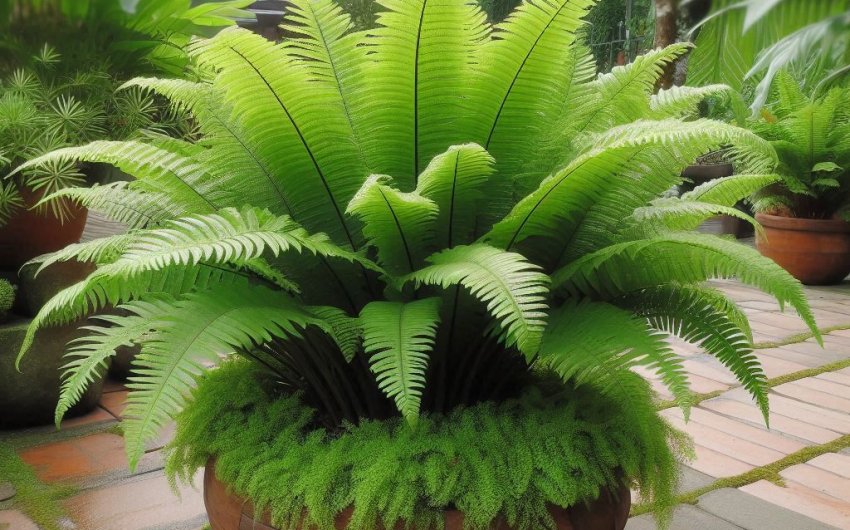
Boston ferns (Nephrolepis exaltata ‘Bostoniensis’) are beloved for their lush, arching fronds and feathery texture, making them one of the most popular ferns for indoor plant lovers. However, they can also thrive outdoors when provided with the right conditions. Many gardeners wonder whether Boston ferns can transition from an indoor setting to an outdoor environment, and the answer is a resounding yes. When grown outdoors, these ferns can reach their full potential, displaying a more robust and expansive growth.
This guide will cover how to grow Boston ferns outdoors, the best conditions for them to flourish, and how to care for them through different seasons.
1. Can Boston Ferns Grow Outdoors?
Yes, Boston ferns can grow outdoors, provided they are given the right conditions. Originally native to tropical and subtropical regions, Boston ferns thrive in environments that mimic their natural habitat—areas with plenty of humidity, filtered light, and consistent moisture. They can be grown in gardens, on porches, or in hanging baskets outdoors, making them versatile additions to any outdoor space.
While Boston ferns are adaptable to both indoor and outdoor environments, growing them outside comes with certain benefits:
- Larger Growth: Outdoor conditions can promote fuller, more vigorous growth than indoor settings, especially when the fern receives ample humidity and natural moisture.
- Increased Resilience: Exposure to natural air circulation and rainwater can make the fern more resilient and help prevent certain indoor plant issues like dust accumulation and poor airflow.
However, the outdoor environment also poses challenges, such as temperature fluctuations, pests, and changing moisture levels. Understanding how to mitigate these challenges is crucial to the successful cultivation of Boston ferns outdoors.
2. Best Climate Conditions for Outdoor Boston Ferns
USDA Hardiness Zones
One of the first things to consider when deciding to grow Boston ferns outdoors is your USDA hardiness zone. These ferns are best suited for zones 9-11, where temperatures remain mild year-round. In cooler climates, Boston ferns can still be placed outdoors during the warmer months (spring through fall), but they should be brought indoors or covered during the winter to avoid frost damage.
If you live in a colder zone, you can grow Boston ferns in containers or pots that can be moved inside when temperatures drop.
Temperature
Boston ferns thrive in temperatures between 60°F and 75°F. They prefer consistent warmth and humidity, much like their native tropical environments. While these ferns can tolerate slightly cooler temperatures for short periods, prolonged exposure to temperatures below 50°F can damage the plant. For colder nights, you may want to cover your Boston fern with frost cloth to protect it from the cold.
Humidity
High humidity is a must for Boston ferns to thrive outdoors. These plants flourish in environments where humidity levels are at least 50%. If you live in a drier area, you can increase humidity around your Boston ferns by misting the plant regularly with a spray bottle or placing a humidifier nearby in enclosed outdoor spaces like patios or greenhouses.
Another way to boost humidity is by placing the Boston fern on a tray of water with pebbles, ensuring that the pot is elevated above the water level to prevent the roots from sitting in water, which could lead to root rot.
3. Ideal Light Conditions for Outdoor Boston Ferns
When growing Boston ferns outdoors, it’s essential to find the right balance of sunlight. These ferns naturally grow in shaded or partially shaded areas beneath tree canopies in tropical forests, meaning they prefer indirect sunlight rather than harsh, direct rays.
Bright, Indirect Light
Boston ferns perform best in locations that receive bright, indirect light for most of the day. Placing your fern under a tree, on a covered porch, or in the shade of taller plants will help protect it from intense direct sunlight, which can scorch the leaves.
If you're unsure of the light levels in your outdoor space, you can use a light meter to measure the light exposure throughout the day.
Morning Sun, Afternoon Shade
In regions with strong sunlight, Boston ferns can handle a few hours of morning sun, but they should be shaded from direct sunlight in the afternoon. Morning sun provides just enough light to promote healthy growth without causing leaf burn. Using shade cloth can help control the amount of direct sun exposure if your outdoor space doesn't naturally provide enough shade.
For areas with lower light levels, such as dense gardens or shaded patios, Boston ferns are a great choice, as they adapt well to environments with limited sunlight, making them ideal for low light gardens.
4. Soil Requirements for Outdoor Boston Ferns
The type of soil you use plays a significant role in determining how well your Boston fern grows outdoors. In their natural habitat, Boston ferns grow in rich, well-draining, loamy soil that retains moisture but doesn’t become waterlogged.
Well-Draining Soil
The most important characteristic of soil for Boston ferns is good drainage. The soil must be able to hold enough moisture for the plant to thrive without becoming soggy. Poor drainage can lead to root rot, a common issue with Boston ferns if their roots sit in water for extended periods.
A high-quality potting mix with organic matter like peat moss or coconut coir is ideal for improving water retention while still allowing excess water to drain. You can also mix in perlite or vermiculite to further improve aeration and drainage.
pH Levels
Boston ferns prefer slightly acidic soil, with a pH between 5.0 and 6.5. If you're uncertain about your garden soil's pH, use a soil pH tester to measure it. If necessary, you can lower the soil's pH by adding sulfur or peat moss, or raise it by adding lime.
Amending your garden soil with compost not only provides essential nutrients but also helps maintain the correct pH and improve the soil structure.
5. Watering Requirements for Outdoor Boston Ferns
Consistent moisture is key to the health of outdoor Boston ferns. In the wild, these ferns grow in humid, moist environments where their roots never dry out completely. For this reason, you should aim to keep the soil around your Boston fern evenly moist but never soggy.
How to Water Boston Ferns Outdoors
When growing Boston ferns outdoors, the frequency of watering will depend on the weather and soil conditions. In warmer months, you may need to water the fern daily, especially if the plant is exposed to wind or direct sun. The top inch of soil should remain consistently moist, but avoid oversaturating the soil to prevent root rot.
If your fern is growing in a container or hanging basket, ensure the pot has adequate drainage holes to allow excess water to escape. Water the plant thoroughly, allowing water to flow out through the bottom, and then let it dry slightly before the next watering.
In cooler months or rainy seasons, reduce watering frequency, as the fern will not need as much moisture. Using a moisture meter can help you gauge when it's time to water.
Misting and Humidity
Outdoor Boston ferns benefit from regular misting, particularly in dry climates or on hot days. You can mist the leaves with a spray bottle once or twice a day to increase humidity and keep the plant looking fresh. Grouping multiple plants together can also help boost humidity around the Boston fern, as the moisture from nearby plants creates a more humid microclimate.
6. Fertilizing Boston Ferns Outdoors
Outdoor Boston ferns require regular feeding to maintain their lush, green foliage, especially during the growing season (spring and summer). Fertilizing helps the plant produce healthy fronds and ensures that it continues to grow vigorously.
Choosing the Right Fertilizer
A balanced liquid fertilizer or a slow-release fertilizer is ideal for Boston ferns. Look for a fertilizer with equal parts nitrogen, phosphorus, and potassium (e.g., 10-10-10) to encourage healthy foliage and strong roots. Apply the fertilizer every four to six weeks during the growing season.
Be careful not to over-fertilize, as too much fertilizer can cause the fern's delicate roots to burn. Dilute liquid fertilizers to half strength, and ensure that the plant is well-watered before applying.
Organic Fertilizer Options
For those who prefer organic gardening methods, compost tea or fish emulsion can be excellent choices for fertilizing outdoor Boston ferns. These organic options provide nutrients while also improving the soil structure and encouraging beneficial microbial activity.
7. Pests and Diseases in Outdoor Boston Ferns
While growing Boston ferns outdoors has its benefits, there are also challenges, particularly regarding pests and diseases. Keeping a close eye on your fern and taking preventive measures can help protect it from common outdoor threats.
Common Pests
Boston ferns can be susceptible to pests such as aphids, spider mites, and scale insects, especially when grown outdoors. Regularly inspect the undersides of the fronds and stems for signs of infestation.
If you notice pests, treat the fern with an insecticidal soap or a neem oil spray. These organic pest control options are effective and gentle on the plant.
Fungal Diseases
Outdoor Boston ferns may also be prone to fungal diseases, especially in overly damp conditions. Root rot, powdery mildew, and leaf spot are common issues caused by poor air circulation or waterlogged soil. To prevent fungal infections, ensure your Boston fern has plenty of airflow, avoid overwatering, and remove any dead or yellowing fronds promptly.
8. Pruning and Maintenance for Outdoor Boston Ferns
Outdoor Boston ferns require occasional pruning to remove dead or damaged fronds and promote healthy new growth. Regular maintenance not only improves the plant’s appearance but also encourages better airflow, which reduces the risk of disease.
How to Prune Boston Ferns
Use a pair of pruning shears to trim off any dead or yellowing fronds at the base. This allows the plant to direct its energy toward producing new, healthy fronds. If your fern has grown too large, you can also prune back some of the outer fronds to shape the plant and control its size.
For more in-depth care tips for your Boston fern, visit our Boston Fern Care Guide. Growing Boston ferns outdoors can be a rewarding experience, offering lush greenery and vibrant texture to your garden or patio when given the right care.