
Can Rubber Plants Thrive in Low Light Conditions?
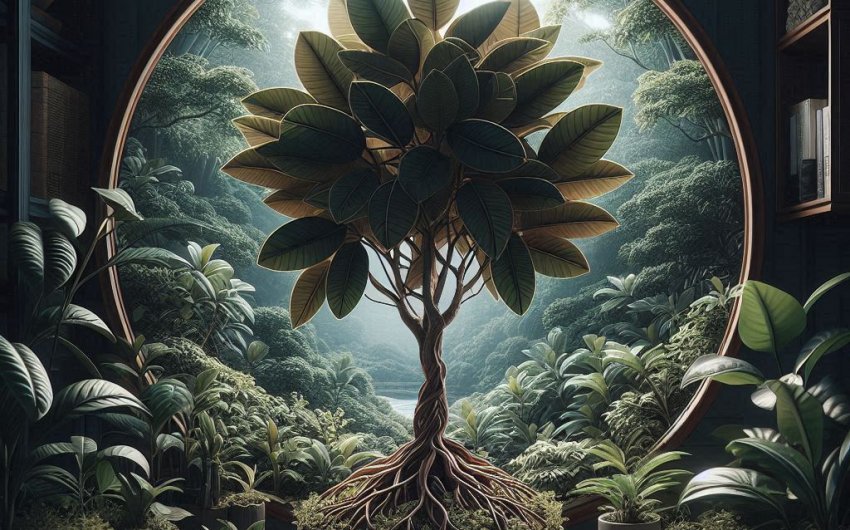
Rubber plants (Ficus elastica) are popular indoor houseplants, known for their striking, large glossy leaves and relatively easy maintenance. Native to Southeast Asia, they can grow impressively tall and serve as focal points in indoor spaces. One of the most common questions among plant lovers is whether rubber plants can thrive in low light conditions.
Understanding the rubber plant’s light requirements is essential to ensuring its health and longevity. While rubber plants are adaptable and resilient, their growth and appearance can be affected by the amount of light they receive. In this article, we’ll explore whether rubber plants can truly thrive in low light and how to care for them in such conditions.
1. What Does "Low Light" Mean for Houseplants?
Before diving into how rubber plants fare in low light, it’s important to clarify what we mean by "low light" in terms of indoor plants. Low light typically refers to areas in your home that don’t receive direct sunlight. These might include spots that are far from windows or corners where the sun is filtered by curtains, blinds, or objects blocking the light.
For most indoor plants, low light doesn’t mean total darkness. Plants still require some degree of natural or artificial light to photosynthesize. For rubber plants, understanding the balance between low light and complete shade is key to maintaining their health.
Characteristics of Low Light Areas:
- Indirect sunlight: The light is diffused or reflected but never directly hits the plant.
- Dim corners: These might be areas far from a window or in a room with only artificial lighting.
- Shaded spaces: Spaces where natural light may be present but is consistently obstructed by other objects like furniture or other plants.
For plants to thrive in these conditions, they must be capable of adapting to reduced light levels while still performing basic functions like growth and photosynthesis.
2. Rubber Plants’ Natural Habitat and Light Needs
Rubber plants are native to tropical forests, where they naturally grow under the canopy of larger trees. In this environment, they are used to receiving filtered sunlight, which suggests that they can tolerate lower light levels compared to plants that grow in full sun. However, the conditions in your home may not perfectly replicate the natural dappled light of a tropical forest.
Light Preferences
In ideal conditions, rubber plants prefer bright, indirect light. When placed in well-lit spaces, their growth is robust, their leaves are larger, and their coloration—particularly in variegated varieties like Ficus elastica ‘Tineke’—is more vibrant. However, rubber plants are relatively adaptable, and they can survive in low light conditions as long as their care routine is adjusted to meet their specific needs.
3. Can Rubber Plants Thrive in Low Light?
The short answer is yes—rubber plants can survive in low light conditions, but the key term here is "survive." While rubber plants can tolerate reduced light levels, they will not thrive in the same way they would in brighter environments.
Growth Impact
In low light, you may notice slower growth. Rubber plants require sufficient light to carry out photosynthesis, which fuels growth and new leaf production. In low light settings, their energy resources are reduced, leading to slower leaf development and a sparser appearance over time. This is especially true for larger rubber plants, which need more energy to sustain their mass.
Leaf Drop and Color Changes
One potential issue with low light conditions is leaf drop. Rubber plants may start shedding their lower leaves when they aren’t receiving enough light. This happens as the plant conserves energy by reducing the number of leaves it supports.
Additionally, the coloration of the leaves, particularly in variegated varieties like Ficus elastica ‘Ruby’, may fade in low light. The beautiful pinks and reds in variegated types often become less vibrant without sufficient sunlight.
Legginess and Stretching
Another common issue for rubber plants in low light conditions is legginess. When a rubber plant doesn’t get enough light, it may start to "stretch" towards the light source. This results in long, spindly stems with fewer leaves, creating an unbalanced or awkward look.
While rubber plants are relatively resilient and can survive under low light, their aesthetic appeal and structural integrity can suffer if left in dim areas for too long.
4. Best Practices for Growing Rubber Plants in Low Light Conditions
If you have a space with low light but still want to grow a rubber plant, there are several strategies you can employ to help your plant adapt to its environment. Below are some care tips for keeping rubber plants healthy in low light:
Rotate Your Plant
Since rubber plants will naturally grow toward the light, rotating the plant every few weeks can ensure that all sides receive equal exposure. This prevents uneven growth and helps maintain a balanced, upright shape.
You can use a plant turntable to make rotating your rubber plant easier.
Avoid Overwatering
In low light conditions, plants use less water because they are not photosynthesizing as actively. Overwatering can quickly become a problem for rubber plants in dim areas, as the soil may retain moisture for longer periods. Ensure that the top few inches of the soil are dry before watering again.
Using a moisture meter can help you determine when your plant needs water, preventing both over- and under-watering.
Use Artificial Grow Lights
If your rubber plant is struggling to thrive in a low light environment, consider supplementing natural light with grow lights. These lights provide the full spectrum of light needed for photosynthesis, and they can be especially helpful in rooms with minimal natural light, such as basements or offices.
Position the grow light about 12-18 inches above the plant and leave it on for 8-12 hours a day to mimic the natural light cycle. This will give your rubber plant the light it needs to grow healthily, even in spaces with limited sunlight.
Clean the Leaves
Dust can accumulate on the large leaves of rubber plants, especially in low light conditions. This dust can block light from reaching the leaves, further reducing the amount of energy the plant can produce through photosynthesis. Regularly cleaning the leaves with a soft cloth and water can help the plant absorb more light.
Adjust Fertilization
Because rubber plants grow more slowly in low light, they require fewer nutrients than plants in bright, indirect light. Reduce the frequency of fertilizing during periods of low light exposure, but don’t eliminate it altogether. Use a balanced houseplant fertilizer, applying it sparingly during the growing season to support overall health without encouraging excessive growth.
5. Best Placement for Rubber Plants in Low Light
While rubber plants can tolerate low light, choosing the right location in your home is essential for maximizing their growth potential. Even in lower light settings, placing your plant strategically can make a significant difference.
Low Light Areas That Work
Here are some examples of low light areas where rubber plants can still thrive:
- North-facing rooms: These spaces tend to have softer, indirect light throughout the day. While not as bright as east or south-facing rooms, the light is usually enough to sustain a rubber plant.
- Bathrooms with small windows: Bathrooms can be a good location for rubber plants, as the humidity from showers and baths benefits their large, glossy leaves. A small bathroom window providing diffused light may be enough for your plant.
- Hallways and corners: If these areas receive indirect light from nearby windows, they can be suitable spots for rubber plants. Just ensure that some light is consistently reaching the plant.
For those looking for more tips on rubber plant care, particularly in challenging lighting conditions, visit our Rubber Plant Care Guide for in-depth advice on keeping your plant healthy and thriving.
6. Troubleshooting Common Problems in Low Light
Growing a rubber plant in low light can present challenges, but understanding how to troubleshoot common problems will help ensure your plant stays healthy.
Yellowing Leaves
Yellow leaves can be a sign of overwatering, especially in low light conditions. When your plant receives less light, it requires less water. Always check the soil moisture before watering to avoid root rot. If the yellowing persists, consider relocating the plant to a slightly brighter area.
A watering can with a narrow spout can help you control the amount of water you give to your rubber plant.
Leggy Growth
If your rubber plant becomes leggy or spindly, it’s likely reaching for light. Moving the plant closer to a window or introducing grow lights can correct this issue. If the plant has already become too leggy, you can prune it to encourage bushier growth. Use pruning shears to remove the elongated stems, encouraging new growth to fill in the gaps.
Leaf Drop
Rubber plants may drop their leaves if they are stressed by inconsistent care or a lack of light. Ensure that you’re maintaining a steady care routine—consistent watering, regular light exposure, and proper fertilization—to avoid unnecessary leaf loss. If your plant continues to drop leaves, consider gradually increasing its exposure to light, either by moving it closer to a window or using artificial light sources.
By implementing these strategies, you can help your rubber plant adapt to low light conditions while ensuring it remains healthy and visually appealing. With the right care, your rubber plant can not only survive but thrive, even in less-than-ideal lighting situations.