
How do I repot a Philodendron plant?
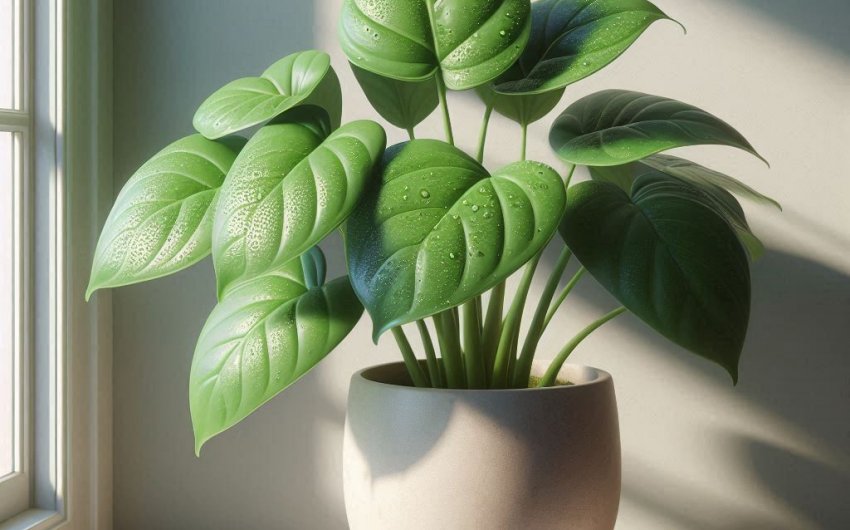
Repotting your Philodendron plant is an essential part of its care routine to ensure it remains healthy, vibrant, and continues to thrive. Over time, the roots of your Philodendron can outgrow its current pot, leading to root-bound conditions, where the roots begin to circle the pot and absorb fewer nutrients and water. By repotting, you give your plant a fresh start with new soil, better drainage, and more room to grow.
In this guide, we'll explore how to recognize when your Philodendron needs to be repotted, what materials you’ll need, and the step-by-step process to repot your plant successfully. Let’s dive in!
1. When to Repot a Philodendron Plant
Knowing when to repot your Philodendron is crucial for its health and growth. Typically, these plants should be repotted every 1-2 years, depending on their growth rate. However, there are some clear signs that indicate it’s time for a new pot:
- Roots growing through the drainage holes: If you notice roots pushing through the bottom of the pot, it’s a sign that your Philodendron has outgrown its current container.
- Slow growth: If your plant’s growth has slowed down despite proper care, it may be because the roots have become compacted and are struggling to find room to grow.
- Water retention issues: If water is sitting on top of the soil or draining too quickly, the plant’s current soil may be too compacted or depleted of nutrients, necessitating fresh soil.
- Yellowing leaves: While yellow leaves can indicate several problems, one possibility is that your plant’s roots are stressed due to being confined in a pot that’s too small.
By observing these signs, you’ll know when it’s time to give your Philodendron a new home with fresh soil and more room to stretch its roots.
2. Materials You Will Need for Repotting
Before repotting your Philodendron, gather the necessary materials to make the process smooth and successful. Having everything ready will help you repot efficiently and reduce stress on your plant.
Materials Checklist:
- New pot: Choose a pot that’s 1-2 inches larger in diameter than the current one. Ensure it has drainage holes.
Check out durable plant pots with drainage in the price range of $15-$40 for proper repotting.
Advertisement
- Potting mix: Use a high-quality, well-draining potting soil specifically designed for houseplants like Philodendrons. A mix containing peat, perlite, and pine bark works well.
Explore organic potting mixes for houseplants in the price range of $20-$50 for healthy soil.
- Gloves: Although not essential, wearing gloves can protect your hands from dirt and potential irritation caused by plant sap.
Discover comfortable gardening gloves in the price range of $10-$25 for easy handling.
- Trowel: A trowel helps scoop soil into the pot and makes the repotting process much cleaner and faster.
Check out handy gardening trowels in the price range of $10-$20 for easy planting.
- Watering can: After repotting, watering your Philodendron is necessary to help the plant adjust to its new soil.
Find useful watering cans in the price range of $15-$35 for accurate watering.
- Pruning shears: If your plant’s roots are circling around the pot (root-bound), pruning shears can help trim away the excess or damaged roots.
Explore sharp pruning shears in the price range of $15-$30 for easy root trimming.
3. How to Repot a Philodendron: Step-by-Step Guide
Step 1: Choose the Right Time for Repotting
The best time to repot your Philodendron is during the plant’s growing season, which is typically in spring or early summer. Repotting during this period allows the plant to recover more quickly and establish itself in the new soil.
Avoid repotting during the winter when the plant is dormant, as it will be less able to handle the stress of being moved.
Step 2: Prepare the New Pot
Choose a pot that is slightly larger than the current one. Ensure the new pot has adequate drainage holes to prevent water from collecting at the bottom, which can cause root rot. If your pot doesn’t have holes, you can place a layer of gravel or small rocks at the bottom to improve drainage.
Fill the bottom of the new pot with a small amount of fresh potting mix, creating a base layer. Don’t pack it down too tightly; the roots need room to spread and grow.
Step 3: Remove the Philodendron from Its Current Pot
To remove your Philodendron from its existing pot, water the plant lightly a day before repotting to soften the soil and reduce stress on the roots.
Gently hold the base of the plant and tip the pot upside down, tapping the sides and bottom of the pot to loosen the soil. If the plant doesn’t slide out easily, use a trowel to gently pry the plant free from the pot. Be careful not to pull the plant by its stems, as this can damage it.
Step 4: Examine and Trim the Roots
Once the Philodendron is free from its old pot, examine the roots. If they are root-bound, meaning they’ve started circling around the pot, it’s important to untangle them gently. You can use your fingers to loosen the roots or trim any that are damaged, dead, or excessively long using pruning shears.
Removing unhealthy roots will encourage new, healthy growth and help the plant thrive in its new container.
Step 5: Position the Plant in the New Pot
Place your Philodendron in the center of the new pot on top of the base layer of soil. Ensure that the plant is sitting at the same depth as it was in its previous pot. The top of the root ball should be about 1-2 inches below the rim of the new pot to allow space for watering.
Once the plant is positioned correctly, fill in the space around the roots with fresh potting mix, ensuring that all gaps are filled but avoiding compacting the soil too tightly. Lightly press the soil down to secure the plant, but be careful not to overpack it, as this can restrict root growth.
Step 6: Water Thoroughly
After repotting, water your Philodendron thoroughly to help settle the soil around the roots and ensure that the plant is hydrated. Allow the water to drain out from the bottom of the pot to avoid soggy soil.
Find convenient self-watering planters in the price range of $25-$60 for hassle-free watering.
Make sure that the potting mix is evenly moist, but not waterlogged. It’s important to monitor your plant’s water needs, as overwatering is a common cause of stress and disease in Philodendrons.
4. Aftercare for Repotted Philodendron Plants
Repotting can be stressful for your Philodendron, so proper aftercare is crucial to helping it adjust to its new environment. Here are a few tips for ensuring a smooth transition:
Light and Temperature
Place your repotted Philodendron in a spot that receives bright, indirect sunlight. Avoid placing the plant in direct sunlight, which can scorch its leaves, especially after repotting. Philodendrons thrive in temperatures between 65-80°F, so keep the plant in a warm, stable environment.
Watering Schedule
For the first few weeks after repotting, check the soil frequently to ensure it stays slightly moist. Philodendrons prefer humid conditions, so misting the leaves or using a humidifier can help maintain the right moisture levels.
Discover effective humidifiers for plants in the price range of $30-$100 to maintain optimal humidity.
Be cautious not to overwater. Allow the top inch of soil to dry out between waterings to prevent root rot. Over time, you can return to your normal watering routine, adjusting as needed depending on your plant’s environment.
Fertilization
Wait about a month after repotting before fertilizing your Philodendron. The fresh potting mix should have enough nutrients to sustain the plant in the immediate aftermath of repotting. Once it has settled into its new pot, you can begin feeding it with a balanced liquid fertilizer every 4-6 weeks during the growing season.
Check out nutrient-rich liquid fertilizers in the price range of $15-$40 for healthy plant growth.
5. Common Issues After Repotting and How to Address Them
Wilting or Drooping Leaves
After repotting, it’s normal for a Philodendron to experience some wilting or drooping leaves as it adjusts to its new environment. This is typically a temporary issue and should resolve in a few days. Ensure the plant is in the right light conditions and avoid overwatering, as this can prolong the stress on the plant.
Yellowing Leaves
If the leaves of your Philodendron start turning yellow after repotting, it could be a sign of overwatering or improper drainage. Check the soil moisture and drainage holes to ensure water isn’t pooling at the bottom of the pot. If needed, adjust your watering schedule or amend the potting mix with more perlite or sand to improve drainage.
Explore well-draining perlite for potting soil in the price range of $10-$25 to enhance soil aeration.
No New Growth
If your Philodendron isn’t showing new growth a few weeks after repotting, don’t panic. It may simply be adjusting to its new environment and focusing on root development. Ensure that your plant is receiving adequate light, water, and nutrients, and be patient—new growth should appear once the roots have fully settled.
For additional insights on how to care for Philodendrons and other similar plants, explore more in-depth tips on proper Philodendron care.
Find out more about Philodendron care tips.