
What to Do If My Spider Plant Is Not Producing 'Babies'?
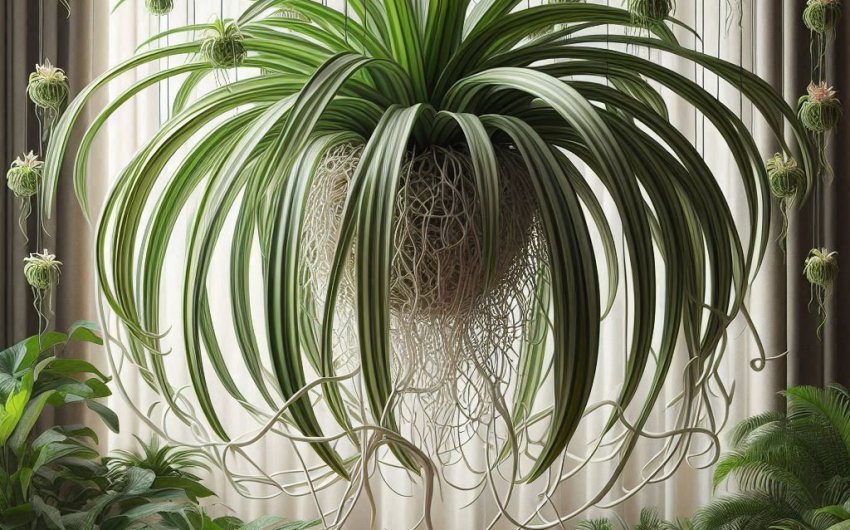
The Spider Plant (Chlorophytum comosum) is a popular and low-maintenance houseplant known for its long, arching leaves and ability to produce "babies" or plantlets. These babies, also known as spiderettes, grow on long stems and are miniature versions of the parent plant. While spider plants are generally prolific in producing plantlets, there are times when a spider plant fails to produce babies, which can be disappointing for plant enthusiasts who want to propagate new plants.
If you’re wondering why your spider plant isn't producing babies and what you can do to encourage it, there are several factors to consider. These include lighting, watering, feeding, and general care. In this article, we’ll discuss the possible reasons why your spider plant may not be producing babies and offer practical solutions to help your plant thrive.
Understanding Spider Plant Propagation
Before diving into the reasons why your spider plant is not producing babies, it’s essential to understand how the propagation process works. Spider plants produce babies when they mature and have the right environmental conditions. These plantlets grow on long, arching stems called runners, which emerge from the parent plant. Once the plantlets form roots, they can be cut off and planted as separate new spider plants.
If the plant is not in the ideal conditions, it may not produce these runners and, consequently, no babies. To get your spider plant to produce babies, you need to provide the optimal environment for growth.
1. Provide Adequate Lighting
One of the most common reasons why a spider plant may not produce babies is insufficient light. Spider plants thrive in bright, indirect light and can tolerate lower light conditions, but inadequate light may hinder their ability to produce plantlets.
How Much Light Does a Spider Plant Need?
For a spider plant to thrive and produce babies, it should be placed in a location where it receives bright, indirect light for at least 6-8 hours a day. If the plant is kept in a low-light environment for an extended period, it may not have enough energy to produce runners and plantlets.
Solutions for Providing Adequate Light
- Move the plant to a brighter location: Place your spider plant near a window where it can receive filtered sunlight. Avoid direct sunlight, as it can scorch the leaves.
- Use grow lights: If natural light is limited, consider using grow lights to supplement the light requirements. LED grow lights designed for indoor plants can help stimulate growth and encourage the production of babies.
For more tips on proper spider plant care, visit our spider plant easy care tips.
2. Adjust Watering Practices
Overwatering or underwatering can affect the health of a spider plant and its ability to produce babies. Proper watering practices are essential for encouraging growth and ensuring the plant remains healthy enough to produce runners.
Signs of Overwatering and Underwatering
- Overwatering: Yellowing leaves, mushy roots, and waterlogged soil indicate overwatering. It can lead to root rot, which may hinder the plant’s growth.
- Underwatering: Dry, crispy leaves and soil that feels dry to the touch for long periods suggest underwatering.
How to Water a Spider Plant Correctly
Water your spider plant when the top inch of soil feels dry. Ensure that the pot has drainage holes to allow excess water to escape. Use a watering can with a narrow spout for precise watering, and avoid letting the plant sit in water.
3. Fertilize Regularly
Lack of nutrients can be another reason why a spider plant is not producing babies. Although spider plants are not heavy feeders, they do benefit from occasional fertilization to replenish nutrients in the soil and stimulate growth.
What Type of Fertilizer to Use
Use a balanced houseplant fertilizer that contains equal parts nitrogen, phosphorus, and potassium (NPK). A liquid fertilizer diluted to half strength is recommended to avoid over-fertilization, which can cause leaf tips to brown.
How Often to Fertilize
- During the growing season (spring and summer): Fertilize once a month to provide the plant with enough nutrients to produce babies.
- During the dormant season (fall and winter): Reduce fertilization to once every two months or stop altogether, as the plant's growth slows down.
4. Provide the Right Temperature and Humidity
Spider plants prefer moderate temperatures and humidity levels. Extremes in temperature and humidity can stress the plant and affect its ability to produce babies.
Ideal Temperature Range
- Daytime temperature: Keep the plant in an environment with temperatures between 65-75°F (18-24°C).
- Nighttime temperature: Avoid temperatures below 55°F (13°C), as the plant may not tolerate cold conditions well.
Humidity Requirements
Spider plants prefer a moderate humidity level. If the indoor air is too dry, the plant may not produce plantlets. Use a humidifier to increase humidity during winter when the air is dry, or place the plant on a humidity tray filled with water and pebbles.
5. Repotting the Plant
If a spider plant has outgrown its pot, it may not produce babies due to root crowding. When the plant becomes root-bound, its growth may slow down, and it may struggle to produce runners and plantlets.
How to Tell If a Spider Plant Is Root-Bound
- Roots growing out of the drainage holes: This indicates that the roots have filled the pot and need more space.
- Water runs straight through the pot: When watering, if the water flows through very quickly, it may be a sign that the plant is root-bound.
- Slow growth: If the plant has not grown in size for several months, it may be time for a new pot.
How to Repot a Spider Plant
- Choose a new pot that is 1-2 inches larger in diameter than the current pot. Get a plant pot with drainage holes to ensure proper water drainage.
- Remove the plant from the old pot and gently loosen the roots.
- Place the plant in the new pot, fill with fresh potting mix, and water thoroughly.
Repotting can give the spider plant a boost and encourage the production of babies.
6. Pruning to Stimulate Growth
Regular pruning can help promote the growth of new runners and babies. By trimming off old or damaged leaves, you can redirect the plant's energy toward producing new growth.
How to Prune a Spider Plant
- Trim off any dead or yellow leaves: Use pruning shears to cut off any unhealthy foliage.
- Cut back long stems without babies: This can encourage the plant to produce new runners with plantlets.
Pruning helps keep the plant healthy and can stimulate the growth of new plantlets.
7. Stressing the Plant (Gently)
While it may sound counterintuitive, slightly stressing the spider plant can sometimes encourage the production of babies. Stressing the plant means making slight changes to its care routine to signal that it needs to reproduce.
How to Gently Stress a Spider Plant
- Reduce watering: Allow the plant to dry out a little more between waterings to mimic drought conditions.
- Increase light exposure: Move the plant closer to a window to increase the amount of light it receives.
- Allow the plant to become slightly root-bound: Delaying repotting can sometimes encourage a spider plant to produce runners and babies as a survival mechanism.
Be cautious not to stress the plant too much, as this could harm its overall health.
8. Propagation Through Division
If your spider plant is not producing babies through natural means, you can still propagate the plant by division. This method involves separating the root ball to create multiple new plants from the parent.
How to Propagate a Spider Plant by Division
- Remove the plant from its pot and gently separate the root ball into smaller sections, each with its own set of roots and leaves.
- Plant each division in a new pot with fresh potting mix. Use pots with drainage holes to avoid waterlogging.
- Water the new plants thoroughly and place them in a bright, indirect light location.
Division is an effective way to propagate spider plants even if they are not producing runners and babies.
9. Seasonal Factors Affecting Baby Production
The production of spider plant babies can also be influenced by seasonal changes. During the winter months, many houseplants, including spider plants, experience a period of dormancy where growth slows down, and they may not produce babies.
How Seasons Affect Spider Plant Growth
- Spring and summer: Spider plants are more likely to produce babies during the growing season when temperatures are warmer, and light levels are higher.
- Fall and winter: Growth may slow down, and the plant may not produce runners or babies until the following spring.
How to Encourage Baby Production During the Growing Season
- Increase fertilization: Feed the plant regularly during the spring and summer months to support growth.
- Provide consistent light: Keep the plant in a bright spot where it can receive ample indirect light throughout the day.
- Maintain optimal temperatures: Keep the indoor temperature within the ideal range for spider plant growth.
Understanding these seasonal factors can help you manage your expectations and plan for baby production at the right time.
10. Checking for Pests
Although spider plants are relatively resistant to pests, certain insect infestations can stress the plant and affect its ability to produce babies. Common pests that may affect spider plants include spider mites, mealybugs, and aphids.
How to Identify and Treat Pests
- Inspect the leaves regularly: Look for signs of pests, such as webbing, sticky residue, or small insects on the leaves.
- Treat infestations promptly: Use insecticidal soap or neem oil to treat any pest issues.
Keeping the plant pest-free ensures it remains healthy and capable of producing runners and plantlets.
By following these practical tips and addressing potential issues, you can help your spider plant thrive and increase its chances of producing beautiful babies. Proper care, adjustments to environmental conditions, and timely interventions can all contribute to a healthier plant that rewards you with plenty of new plantlets.