
How to Create a Pollinator-Friendly Garden: Your Guide to a Thriving Ecosystem
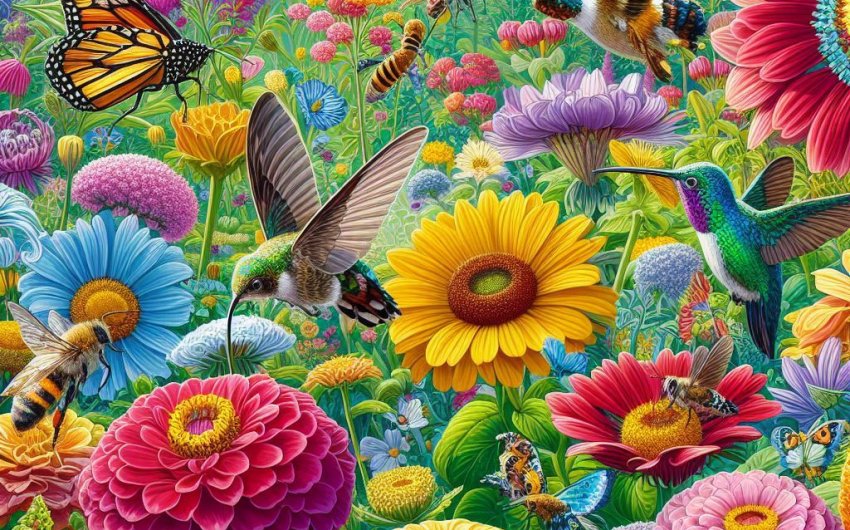
To create a pollinator-friendly garden, you need to provide a diverse, continuous source of nectar and pollen, along with essential habitat elements like water and shelter. This guide will walk you through the steps to design a thriving ecosystem that supports bees, butterflies, birds, and other vital pollinators.
Why Is a Pollinator-Friendly Garden Important?
Pollinator-friendly gardens play a critical role in supporting biodiversity and the health of our planet. Understanding their importance motivates us to create these vital spaces.
Supporting Biodiversity: A Web of Life
Pollinators are fundamental to nearly every ecosystem. They are responsible for the reproduction of over 85% of the world's flowering plants, including many food crops.
- Essential Links: Pollinators form crucial links in the food chain. Their decline impacts plants, animals, and ultimately, humans.
- Ecosystem Health: A diverse range of pollinators indicates a healthy, resilient ecosystem.
- Beyond Bees: While bees are vital, pollinators include butterflies, moths, beetles, flies, hummingbirds, and even some bats.
Food Security: What We Eat Relies on Them
Many of the fruits, vegetables, and nuts we consume daily depend directly on animal pollination.
- Crop Yields: Pollinators increase the yield and quality of many crops, from apples and blueberries to almonds and coffee.
- Economic Impact: The value of pollination services to agriculture is immense, estimated in billions of dollars globally.
- Your Plate: Without pollinators, your diet would be far less varied and nutritious.
Combating Pollinator Decline: A Growing Crisis
Pollinator populations are declining globally due to habitat loss, pesticide use, climate change, and disease. Our gardens can be part of the solution.
- Habitat Loss: Urbanization and industrial agriculture remove the diverse flowering plants and natural spaces pollinators need.
- Pesticide Use: Especially neonicotinoids, can directly harm or kill pollinators and contaminate their food sources.
- Climate Change: Affects plant bloom times and pollinator migration patterns.
- Garden Impact: Even small gardens, when combined, create vital corridors and stepping stones for pollinators.
Beauty and Enjoyment: A Living Landscape
A garden designed for pollinators is vibrant, active, and endlessly fascinating.
- Dynamic Beauty: The constant movement of bees and butterflies adds life and interest.
- Educational: A wonderful way to learn about local ecology with children and adults.
- Personal Connection: Fosters a deeper appreciation for nature and its intricate workings.
What Are the Key Elements of a Pollinator-Friendly Garden?
Creating a pollinator garden involves more than just planting flowers. It's about providing a complete habitat.
1. Diverse Food Sources: Nectar and Pollen All Season Long
This is the cornerstone of any pollinator-friendly garden. Different pollinators have different needs.
Native Plants: The Best Choice
Native plants are superior because they have co-evolved with local pollinators.
- Perfect Fit: Nectar and pollen are perfectly suited to the nutritional needs of local bees and butterflies.
- Familiarity: Local pollinators recognize and prefer native plants.
- Lower Maintenance: Often better adapted to local soil and climate conditions, requiring less water and fewer inputs.
Look for a Regional Native Plant Seed Mix for your area.
Continuous Blooms: A Pollinator Buffet
Aim for plants that bloom from early spring through late fall to provide a steady food supply.
- Early Spring: Pussy willow, crocus, hellebore, maples for emerging bees.
- Mid-Season: Coneflower, lavender, salvia, bee balm, butterfly bush.
- Late Season: Asters, goldenrod, sedum, sunflowers for migrating butterflies and late-season bees.
Example Bloom Times:
| Season | Plant Examples | Pollinators Attracted |
|---|---|---|
| Early Spring | Crocus, Snowdrop, Hellebore, Pussy Willow | Early emerging bees, queen bumblebees |
| Late Spring | Columbine, Lupine, Wild Geranium, Penstemon | Long-tongued bees, butterflies, hummingbirds |
| Summer | Coneflower, Bee Balm, Lavender, Milkweed, Phlox | All types of bees, butterflies, moths |
| Late Summer | Joe Pye Weed, Goldenrod, Ironweed, Sunflowers | Bees preparing for winter, migrating monarchs |
| Fall | Aster, Sedum, Mums (single varieties) | Late bees, migrating butterflies |
Grouping and Quantity: Bigger is Better
Plant flowers in drifts or clusters of at least 3-5 plants of the same species.
- Visibility: Large groupings are more easily spotted by foraging pollinators.
- Efficiency: Allows pollinators to collect more nectar/pollen in one visit, conserving energy.
Flower Shape and Color: Cater to All Tastes
Different pollinators prefer different flower shapes and colors.
- Bees: Prefer blue, purple, yellow, and white flowers; often have landing platforms.
- Butterflies: Attracted to red, orange, yellow, pink, and purple flowers; often have flat landing areas.
- Hummingbirds: Drawn to tubular, red, orange, and pink flowers; rich in nectar.
- Moths: Prefer white or pale flowers that open at night and have strong scents.
2. Water Source: A Life-Giving Oasis
Just like any living creature, pollinators need water.
- Bird Baths: Shallow bird baths are great. Add pebbles or stones for bees to perch on and drink without drowning.
- Mister/Dripping Water: A gentle mister or a slow drip can create tiny puddles that bees and butterflies love.
- Mud Puddles: Butterflies often need mineral-rich mud. Create a shallow muddy spot by occasionally watering a bare patch of soil.
A Shallow Bird Bath with Rocks is perfect.
3. Shelter and Nesting Sites: A Place to Call Home
Pollinators need places to rest, find shelter from bad weather, and raise their young.
Bare Ground and Leaf Litter: Simple Sanctuaries
Many native bees are ground nesters.
- Bare Soil: Leave some patches of bare, undisturbed soil for ground-nesting bees.
- Leaf Litter: Don't be too tidy! Leave some leaf litter and plant stems over winter. Many insects overwinter in these areas.
Brush Piles and Dead Wood: Rustic Retreats
A small brush pile or a log can provide valuable habitat.
- Shelter: Provides shelter from predators and weather.
- Nesting: Some bees nest in hollow stems or tunnels in dead wood.
- Decomposition: Contributes to soil health over time.
Consider a decorative Hollow Log for Garden Decor as an option.
Bee Houses and Insect Hotels: Manufactured Homes
While not a substitute for natural habitat, well-designed bee houses can supplement nesting sites for cavity-nesting bees.
- Materials: Should be made of durable, natural materials with varying tunnel sizes.
- Maintenance: Needs to be cleanable or replaceable annually to prevent disease buildup.
- Placement: Place in a sunny, protected location facing south or east.
A Native Bee House can be a great addition.
4. Avoid Pesticides: A Safe Haven
This is perhaps the most critical rule for a pollinator-friendly garden. Pesticides, even organic ones, can harm beneficial insects.
- Avoid Neonicotinoids: These systemic pesticides are especially harmful to bees and can be present in "nursery-treated" plants. Always ask before buying.
- Integrated Pest Management (IPM): Focus on prevention and non-chemical solutions first.
- Healthy Plants: Strong plants are less susceptible to pests.
- Manual Removal: Hand-pick larger pests.
- Beneficial Insects: Encourage natural predators (ladybugs, lacewings).
- Targeted Organic Sprays: If absolutely necessary, use least-toxic options like insecticidal soap or neem oil, and apply only to affected areas, never when pollinators are active.
- Read Labels: Always read pesticide labels carefully. Even "bee-friendly" products can have risks.
How Do You Design Your Pollinator-Friendly Garden Layout?
Designing your pollinator garden thoughtfully maximizes its impact and visual appeal.
Site Selection: Location, Location, Location
Choose the best spot in your yard or on your balcony.
- Sunlight: Most flowering plants need at least 6 hours of direct sunlight daily.
- Shelter: Protect from strong winds, which can make it hard for pollinators to forage.
- Visibility: Place it where you can easily observe and enjoy the pollinator activity.
Garden Beds: Think in Layers
Mimic natural ecosystems by creating layers of plants.
- Ground Cover: Low-growing plants at the front.
- Mid-Sized Shrubs/Perennials: The bulk of your planting, providing most of the blooms.
- Taller Plants/Small Trees: At the back, providing structure and additional habitat.
Grouping Plants: Mass Appeal
As mentioned earlier, planting in drifts or clusters makes your garden more attractive to pollinators.
- Visual Impact: Large swaths of color are more noticeable.
- Efficiency: Allows pollinators to forage more efficiently, spending less energy flying between individual plants.
Paths and Access: Enjoying Your Garden
Include pathways or stepping stones so you can easily access and maintain your garden without disturbing pollinator activity.
- Observation: Allows you to get closer to observe the insects.
- Maintenance: Makes weeding, watering, and pruning easier.
Incorporating Edibles: Dual Purpose Gardens
Many food crops rely on pollination, making them excellent additions to your pollinator garden.
- Herbs: Lavender, borage, hyssop, dill, fennel, thyme, mint are all pollinator favorites.
- Vegetables: Squash, cucumbers, beans, tomatoes, peppers all need pollinators.
- Fruits: Berries, fruit trees, and melons are highly dependent on bees.
What Are the Best Plants for a Pollinator-Friendly Garden?
Choosing the right plants is exciting! Focus on a mix of native species that offer diverse resources.
Top Native Plants for Pollinators (General Categories - check local natives!)
- Echinacea (Coneflower): Long bloom time, attracts bees and butterflies. Purple Coneflower Seeds
- Asclepias (Milkweed): Essential host plant for Monarch butterfly caterpillars, excellent nectar source. Common Milkweed Seeds
- Liatris (Blazing Star): Tall, striking flower spikes, beloved by Monarchs and other butterflies.
- Monarda (Bee Balm): Tubular flowers perfect for long-tongued bees and hummingbirds. Bee Balm Plant
- Solidago (Goldenrod): Crucial late-season nectar source for many bees and butterflies. Avoid invasive varieties.
- Symphyotrichum (Asters): Important late-season bloomers, providing food before winter.
- Penstemon (Beard Tongue): Tubular flowers attractive to long-tongued bees and hummingbirds.
- Coreopsis (Tickseed): Bright, daisy-like flowers, good for a variety of pollinators.
- Rudbeckia (Black-Eyed Susan): Classic, easy-to-grow, attracts various bees and butterflies.
Supporting Specific Pollinators
For Bees: Buzzing Favorites
Bees love flowers with accessible pollen and nectar.
- Composites: (Daisy family: asters, coneflowers, sunflowers) offer many tiny flowers packed with resources.
- Mints: (Lavender, sage, hyssop, bee balm) have tubular flowers with landing pads.
- Legumes: Clover, vetch, lupine.
- Open Flowers: Allowing easy access, like borage or single-petal roses.
For Butterflies: Landing Strips and Nectar Sips
Butterflies prefer flowers with flat landing areas and good nectar sources.
- Clusters of Flowers: Butterfly bush, phlox, asters.
- Host Plants: Don't forget host plants! Monarchs need milkweed, swallowtails need dill/fennel/parsley, painted ladies need thistle.
- Bright Colors: Red, orange, purple.
For Hummingbirds: Tubular Delights
Hummingbirds are drawn to specific flower shapes and colors.
- Tubular Flowers: Penstemon, Lonicera (honeysuckle), cardinal flower, bee balm.
- Red/Orange: Their preferred colors, signaling high nectar content.
For Moths: Nighttime Wonders
Nocturnal moths are important pollinators for night-blooming plants.
- Night-Blooming Flowers: Evening primrose, moonflower, nicotiana.
- Fragrance: Often strongly scented to attract moths in the dark.
Avoiding "Sterile" Plants
Some cultivated varieties of flowers have been bred for appearance (e.g., double petals) at the expense of pollen and nectar production.
- Choose Single Petal Varieties: Double-flowered roses, for example, have many petals but often hide or lack pollen/nectar.
- Open Pollinated/Heirloom: Often better for pollinators than highly hybridized varieties.
How Do You Maintain Your Pollinator-Friendly Garden Sustainably?
Sustainable maintenance practices are crucial to keeping your pollinator garden thriving and safe for its inhabitants.
Water Wisely: Efficiency and Conservation
- Deep and Infrequent: Water deeply but less often to encourage strong root growth.
- Morning Watering: Water in the morning to allow foliage to dry before night, reducing fungal issues.
- Rain Barrels: Collect rainwater for irrigation. A Rain Barrel Kit is a great investment.
- Mulch: Apply a 2-3 inch layer of organic mulch (wood chips, shredded leaves) to retain soil moisture, suppress weeds, and regulate soil temperature.
Fertilize Naturally: Nourish the Soil
- Compost: Amend soil with organic compost annually. This improves soil structure and provides slow-release nutrients.
- Avoid Chemical Fertilizers: These can runoff and harm waterways, and sometimes push excessive leafy growth at the expense of flowers.
- Compost Tea: Use Compost Tea Concentrate as a gentle nutrient boost.
Pest Management: Prioritize Pollinators
As discussed, avoiding pesticides is paramount.
- Embrace Imperfection: A few chewed leaves are normal and indicate a healthy ecosystem.
- Manual Removal: Hand-pick visible pests.
- Strong Plants: Healthy, vigorous plants are more resistant to pest pressure.
- Biological Controls: Encourage beneficial insects that prey on pests.
- If Necessary: Use highly targeted, non-systemic, organic options as a last resort, always applied at dusk when pollinators are less active.
Weeding: Mindful Management
- Hand Weeding: The safest method.
- Mulch: Reduces weed germination and growth.
- Allow Some "Weeds": Some plants considered weeds (like dandelions or clover) are excellent early-season pollinator food. Consider leaving some in less formal areas.
Winter Prep: Leave the Mess for Wildlife
- Delay Cleanup: Resist the urge to cut back all perennials in the fall. Many beneficial insects overwinter in hollow stems or leaf litter.
- Leave Seed Heads: These provide food for birds and structure for your winter garden.
- Spring Cleanup: Do major cutting back in mid-spring, when temperatures are consistently above 50°F (10°C) and overwintering insects have emerged.
Creating a pollinator-friendly garden is a journey of learning and observation. By providing diverse native plants, a water source, shelter, and a pesticide-free environment, you're not just planting a garden; you're cultivating a vital ecosystem that benefits us all.