
How Do I Fix a Drooping Snake Plant?
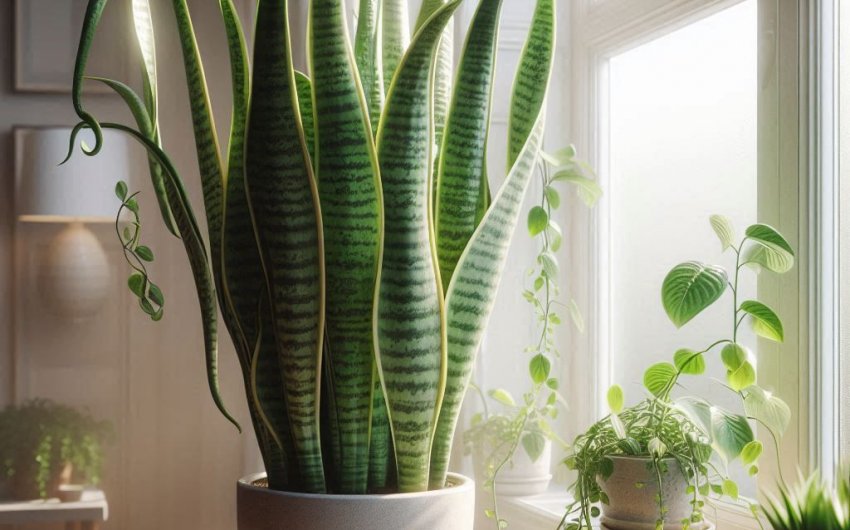
The snake plant (Sansevieria), also known as mother-in-law's tongue, is a popular houseplant renowned for its low maintenance and air-purifying properties. However, despite its hardy reputation, even this resilient plant can face some challenges. One common problem snake plant owners encounter is a drooping snake plant. If your snake plant’s once upright leaves are now sagging or leaning, don't worry — you’re not alone, and this issue can be remedied with the right approach.
In this guide, we’ll explore the causes behind drooping snake plants, how to prevent it from happening, and the steps to take to revive your plant. We’ll cover everything from watering practices, lighting conditions, and repotting to ensuring your snake plant is thriving once again.
1. Understanding Why Snake Plants Droop
To successfully fix a drooping snake plant, it's crucial to understand why it’s happening in the first place. Snake plants are native to arid regions, so they’re accustomed to infrequent watering and dry conditions. When something in their environment changes drastically, it can lead to problems like drooping or sagging leaves.
Common Causes of Drooping Snake Plants
Here are some of the most common reasons your snake plant may start to droop:
Overwatering – By far the most common cause of drooping in snake plants is excessive watering. The roots of the plant are not adapted to sit in wet soil for long periods, and doing so can lead to root rot.
Underwatering – On the flip side, too little water can also cause leaves to weaken and fall over. Though snake plants prefer dry conditions, they still require adequate hydration.
AdvertisementInadequate Lighting – Snake plants prefer bright, indirect light. If they don’t receive enough light, their leaves may lose rigidity and start to droop.
Temperature Stress – Snake plants thrive in moderate temperatures. Sudden fluctuations in temperature, especially exposure to cold drafts or very hot conditions, can stress the plant and cause drooping.
Poor Soil Quality – The type of potting soil used can play a role. Snake plants need well-draining soil, and soil that retains too much moisture can lead to drooping.
Pests or Disease – Although snake plants are generally resistant to pests, infestations by mealybugs or fungal infections could cause structural damage to the leaves.
By identifying the root cause, you’ll be better prepared to take corrective measures. Let’s dive deeper into how you can fix these problems.
2. Adjusting Your Watering Practices
Watering issues are the leading cause of a drooping snake plant, so it's essential to correct your watering habits. Whether you’re overwatering or underwatering, it’s vital to find the sweet spot that keeps your plant healthy.
How to Fix Overwatering
If you suspect overwatering, it’s crucial to act quickly to prevent further damage. First, check the soil by inserting your finger a couple of inches deep. If the soil feels soggy or smells foul, your plant is probably waterlogged.
Steps to Fix Overwatered Snake Plant:
Stop Watering: Immediately stop watering your snake plant. Allow the soil to dry out completely before watering again.
Check for Root Rot: Remove the plant from its planter and check the roots. If you find soft, black, or mushy roots, this indicates root rot.
Trim Affected Roots: Using a clean pair of pruning shears, trim away any rotting roots. Healthy roots should be firm and white.
Repot the Plant: After trimming, repot the snake plant in fresh, well-draining potting soil. Choose a pot with drainage holes to prevent future overwatering issues. You can find a range of well-draining pots here.
Water Sparingly: Once repotted, water the snake plant sparingly. Allow the soil to dry between waterings and avoid letting the plant sit in water.
How to Fix Underwatering
If your snake plant has been underwatered, you’ll notice dry, crispy leaf tips or a generally dehydrated appearance. Although snake plants are drought-tolerant, they still require periodic watering.
Steps to Fix Underwatered Snake Plant:
Soak the Soil: Slowly water the plant, ensuring the soil absorbs the water. If the soil is extremely dry, consider bottom-watering by placing the pot in a shallow dish of water and letting it soak for 15–20 minutes.
Regular Watering Schedule: Adjust your watering schedule to meet the needs of the plant. During the growing season (spring and summer), aim to water once every 2-4 weeks. During winter, reduce watering further. Always allow the top few inches of soil to dry out completely before watering.
Check Humidity Levels: While snake plants can tolerate low humidity, extremely dry air can exacerbate underwatering issues. You can consider using a humidifier in the room to help maintain a stable environment.
3. Improving Lighting Conditions
Lighting plays a significant role in the overall health of your snake plant. Although they are known to tolerate low-light conditions, they thrive best in bright, indirect sunlight. If your snake plant is drooping due to lack of light, here’s what you can do.
How to Fix Light-Related Drooping:
Relocate the Plant: Move the snake plant to a location that receives plenty of indirect sunlight. A spot near a north-facing or east-facing window usually works best.
Supplement with Artificial Light: If you live in a space that doesn’t get much natural light, consider using a grow light. LED grow lights, like those available here, can provide the necessary light intensity for your snake plant to regain its strength and upright appearance.
Rotate the Plant: Snake plants tend to lean toward the light source. Rotating your plant every few weeks can ensure even light exposure on all sides, preventing drooping in a particular direction.
4. Repotting Your Snake Plant
In some cases, a drooping snake plant might need to be repotted. This could be due to overcrowding in the pot, compacted soil, or root-bound conditions where the roots have no room to grow.
When to Repot Your Snake Plant:
- If the pot seems too small for the plant.
- If the soil is compacted or doesn’t drain well.
- If the roots are growing out of the drainage holes.
How to Repot a Snake Plant:
Choose the Right Pot: Pick a pot that is 1-2 inches larger in diameter than the current one. Make sure the pot has proper drainage holes to prevent overwatering issues. You can browse suitable pots here.
Prepare the Soil: Use a well-draining potting mix, ideally one formulated for succulents or cacti. You can find high-quality potting soil here.
Repot Carefully: Gently remove the snake plant from its current pot, shake off excess soil, and examine the roots. If the plant is root-bound, untangle the roots carefully. Place the plant in the new pot, fill in with fresh soil, and water lightly.
Aftercare: After repotting, avoid overwatering the plant and give it time to adjust to its new environment. Place it in an area with indirect sunlight and maintain a consistent watering schedule.
5. Managing Temperature and Humidity
Temperature fluctuations can also cause your snake plant to droop. Snake plants prefer temperatures between 60°F and 85°F (15°C to 29°C). Exposure to cold drafts, sudden drops in temperature, or placing the plant near heat sources can cause stress, leading to drooping.
How to Maintain Ideal Temperature:
Avoid Cold Drafts: Make sure your snake plant is not near drafty windows, air conditioners, or external doors that could expose it to cold air.
Keep Away from Heat Sources: Placing your plant too close to heating vents or radiators can dry out the plant too quickly. Maintain a moderate temperature around the plant and consider using a thermometer to monitor conditions.
Humidity: Although snake plants can tolerate a wide range of humidity levels, extremely dry conditions can cause the plant to lose moisture faster. You may want to invest in a humidifier if you notice dry air affecting your plant’s health. You can browse humidifiers here.
6. Handling Pests and Diseases
While snake plants are known for their resistance to pests, occasional infestations can happen. Mealybugs and spider mites are two common culprits that can cause dro
oping by feeding on the plant’s sap.
How to Get Rid of Pests:
Inspect the Plant: Look for small, white, cotton-like bugs (mealybugs) or fine webs (spider mites) on the leaves.
Wipe the Leaves: Use a damp cloth to wipe the leaves clean and remove pests. For more persistent infestations, use an insecticidal soap or neem oil spray to eliminate the pests. You can purchase insecticidal soap here.
Quarantine: If the infestation is severe, isolate the affected plant from your other houseplants to prevent the pests from spreading.
Disease Prevention:
Fungal diseases can also cause drooping, particularly when the plant is overwatered or kept in a humid environment for too long. Be sure to allow your snake plant’s soil to dry out between waterings and maintain good air circulation to prevent fungal issues. If you notice black spots or wilting, it could indicate a fungal infection, which can be treated with a fungicide available here.
7. Supporting Drooping Leaves
If the leaves of your snake plant are significantly drooping and need additional support while you address the underlying causes, you can prop them up temporarily.
How to Support Drooping Leaves:
Use a Stake: Gently tie the drooping leaves to a small stake using soft ties or plant twine. This will hold the leaves upright and prevent them from breaking while you work to improve the plant's health. You can find plant support stakes here.
Prune Severely Damaged Leaves: If some leaves are beyond repair and are severely drooping or damaged, prune them off using clean shears. Removing the damaged leaves allows the plant to focus its energy on healthier growth.
For more tips on caring for your snake plant, including detailed instructions on proper watering, light requirements, and pest control, check out our complete guide on snake plant care at our snake plant care guide.