
When is the Best Time to Prune Boysenberry Plants?
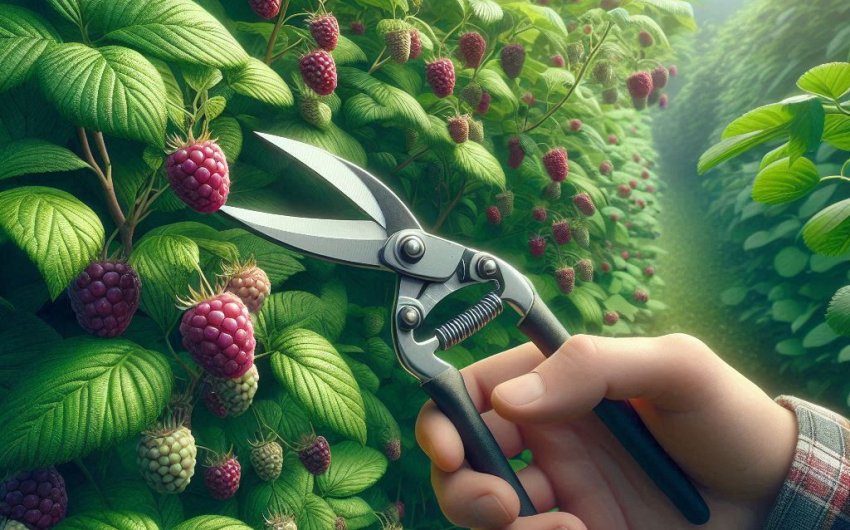
The best time to prune Boysenberry plants is immediately after they finish fruiting in late summer or early fall. This allows the plant to focus energy on developing new canes for next year's harvest and helps maintain plant health and vigor.
Why is Pruning Boysenberry Plants So Important?
Pruning Boysenberry plants is not just about tidiness; it's a vital practice that significantly impacts the health, productivity, and longevity of your berry patch. Without proper pruning, Boysenberries can quickly become an overgrown, unproductive mess.
Promotes Fruit Production
- Fruit on Old Wood: Boysenberries produce fruit on second-year canes (canes that grew the previous season). By removing old, unproductive canes and encouraging new growth, pruning ensures a continuous supply of fruiting wood for future harvests.
- Larger, Better Berries: Pruning helps direct the plant's energy into developing fewer, but larger and higher-quality berries, rather than scattering energy across too many unproductive canes.
Improves Plant Health and Vigor
- Air Circulation: Removing dense, overgrown canes improves air circulation within the plant. This reduces humidity, which in turn helps prevent fungal diseases like powdery mildew and rust that thrive in damp, stagnant conditions.
- Pest Control: Better airflow and less dense foliage also make the plant less inviting for pests that hide in thickets, and it makes it easier to spot and deal with any pest issues that do arise.
- Disease Prevention: Removing diseased or damaged canes prevents the spread of pathogens to healthy parts of the plant.
Manages Plant Size and Shape
- Containment: Boysenberries are vigorous growers and can quickly become unruly if not managed. Pruning helps control their size and spread, keeping them within their designated growing area, whether on a trellis or fence.
- Easier Harvesting: A well-pruned plant with an open structure makes harvesting the berries much easier, as you can reach the fruit without getting tangled in thorny canes.
Encourages New Cane Development
- Replacement Canes: Pruning stimulates the plant to produce strong, new primocanes (first-year canes) from the crown, which will become the fruiting canes for the following year. This ensures continuous productivity.
In summary, proper pruning is non-negotiable for maximizing your Boysenberry harvest and maintaining the overall health of your plants. It's the key to successful Boysenberry cultivation and ensures your plants remain a manageable and productive part of your garden.
What is the Boysenberry Cane Life Cycle?
Understanding the Boysenberry cane life cycle is absolutely fundamental to knowing when and how to prune them effectively. Boysenberries, like many brambles (including raspberries and blackberries), have a biennial (two-year) cane life cycle.
Year 1: Primocanes (Vegetative Growth)
- Emergence: In the spring, new canes emerge directly from the plant's crown (the base of the plant at soil level) or from its roots. These are called primocanes.
- Growth: Throughout their first growing season, primocanes are purely vegetative. They focus all their energy on growing long, strong, and tall. They do not produce any fruit in their first year.
- Bud Development: During late summer and fall, these primocanes develop flower buds that will eventually become berries in the following year.
Year 2: Floricanes (Fruiting and Dieback)
- Fruiting: In their second year, these primocanes (now called floricanes) will produce flowers and then a crop of delicious Boysenberries. This usually happens in late spring to mid-summer, depending on your climate.
- Completion of Cycle: Once the floricanes have finished fruiting, they have completed their life cycle. They will naturally begin to wither, turn brown, and die back. They will not produce fruit again.
- Energy Drain: If left on the plant, these spent floricanes can become a drain on the plant's energy, providing no further benefit and potentially harboring diseases.
Ongoing Cycle:
Every year, new primocanes emerge, and floricanes complete their fruiting cycle and die back. This continuous cycle means you always have both first-year (non-fruiting) and second-year (fruiting) canes on a mature Boysenberry plant. Your pruning strategy is built around removing the floricanes that have finished fruiting to make way for the new primocanes. This understanding is critical for successful Boysenberry pruning.
When Do Boysenberry Plants Typically Fruit?
Understanding the fruiting schedule of Boysenberry plants is key to timing your pruning efforts correctly. Boysenberries are generally summer-fruiting brambles.
Late Spring to Mid-Summer Harvest
- Peak Season: Boysenberries typically begin to ripen in late spring to mid-summer, depending on your specific climate and the variety of Boysenberry. In many regions, this means late June, July, and sometimes into early August.
- Ripeness Indicators: The berries will turn a deep, dark purplish-black when ripe. They should also feel soft and easily detach from the plant when gently pulled.
- Extended Harvest: Unlike some fruits that ripen all at once, Boysenberries often have an extended harvest period, with berries ripening progressively over several weeks on the same floricane.
Fruiting on Floricanes (Second-Year Canes)
- As discussed in the cane life cycle, the fruit is produced exclusively on floricanes – the canes that grew during the previous growing season (last year's primocanes). The new canes growing this season (this year's primocanes) will not bear fruit until next year.
The crucial takeaway for pruning is to wait until all the fruit has been harvested from a particular floricane. Once a cane has finished producing berries, its work is done, and it can be removed. This timing is directly linked to when you should prune Boysenberry plants for optimal health and future yields.
What is the Best Time of Year to Prune Boysenberry Plants?
The absolute best time of year to prune Boysenberry plants is immediately after their fruiting season ends. This typically falls in late summer or early fall, once all the berries have been harvested from the floricanes.
Why This Timing is Optimal:
- Identifies Spent Canes: Pruning after fruiting allows you to easily identify which canes (the floricanes) have produced berries and are now unproductive. These canes will often look a bit tired, woody, and may start to show signs of decline.
- Redirects Energy: By removing the spent floricanes, you immediately redirect the plant's energy. Instead of expending resources on canes that will die back anyway, the plant can now focus all its energy on strengthening the new primocanes that emerged this season. These primocanes are crucial, as they will be next year's fruit producers.
- Promotes New Growth: This post-harvest pruning encourages the new primocanes to grow stronger, thicker, and develop more robust buds over the fall and winter, setting them up for a bountiful harvest the following year.
- Disease Prevention: Removing dead or diseased wood promptly reduces the chance of pathogens overwintering on the plant.
- Easier Maintenance: Cleaning out the old canes also improves air circulation, making the plant less prone to disease and easier to manage heading into winter.
Avoid Pruning in Late Winter/Early Spring for Fruiting Canes:
While some pruning can happen in late winter, major structural pruning of Boysenberries should ideally be done right after harvest. Pruning too heavily in late winter or early spring carries the risk of accidentally removing floricanes that are destined to bear fruit that season, thereby reducing your potential harvest.
By timing your main pruning to late summer/early fall, you work with the plant's natural life cycle, ensuring maximum productivity and a healthy Boysenberry plant year after year.
How Do You Prune Boysenberry Plants After Fruiting? (Step-by-Step Guide)
Pruning Boysenberry plants after fruiting is a straightforward process once you understand the cane life cycle. Here's a step-by-step guide to help you achieve a healthy Boysenberry plant and ensure next year's harvest.
What You'll Need:
- Sharp Pruning Shears: Invest in good quality bypass pruners. Fiskars Bypass Pruning Shears are a popular choice.
- Loppers: For thicker canes. Fiskars PowerGear2 Lopper can handle tougher jobs.
- Gloves: Boysenberries have thorns, so sturdy gardening gloves are essential.
- Disinfectant: Rubbing alcohol or a 10% bleach solution to clean your tools.
The Steps:
Identify the Floricanes (Old Canes):
- Look for signs: These are the canes that produced fruit this season. They will likely be woody, brownish, and may have dead berry stems attached. They might also look less vigorous than the new green growth.
- Contrast: Compare them to the vibrant green, more flexible primocanes (new growth) that grew this year and have no signs of fruiting.
Cut Back All Floricanes to the Ground:
- No Hesitation: Once a cane has finished fruiting, it will never fruit again. There's no benefit to keeping it.
- Clean Cut: Using your pruning shears or loppers, cut these spent floricanes back as close to the ground as possible (within 1-2 inches). Make clean cuts to prevent jagged edges that can harbor disease.
Select the Strongest Primocanes (New Canes):
- Future Producers: These are your future fruiting canes. You want to choose the healthiest, thickest, and most vigorous primocanes.
- Quantity: Aim to keep about 6 to 8 of the strongest primocanes per plant (or per foot of row if you have a dense planting). This number can vary slightly based on the vigor of your specific plant and desired density.
- Remove Weak/Damaged Canes: Cut any thin, weak, spindly, diseased, or damaged primocanes back to the ground. Also remove any primocanes that are growing outside your trellising system or in undesirable locations.
Tip Prune (Optional but Recommended):
- Encourage Branching: For many Boysenberry varieties, tip pruning the selected primocanes can encourage them to produce lateral (side) branches. These lateral branches will bear more fruit next season.
- How to Tip Prune: Once the primocanes reach a height of about 5-6 feet (or the top of your trellis), snip off the very tip (the top 2-4 inches) to encourage lateral growth. You can also prune laterals back to about 12-18 inches if they are very long.
Clean Up:
- Remove All Debris: Collect and dispose of all pruned canes. This prevents potential diseases or pests from overwintering in the garden. Do not compost diseased material.
- Sanitize Tools: Always clean and disinfect your pruning tools before and after pruning to prevent the spread of diseases.
By following these steps, you'll effectively manage your Boysenberry plants, ensuring they remain productive and healthy year after year. This routine is the cornerstone of successful Boysenberry pruning.
What Tools Do You Need for Pruning Boysenberries?
Having the right tools is essential for making pruning Boysenberry plants easier, safer, and more effective. Given their vigorous growth and often thorny nature, you'll want sturdy, sharp equipment.
Essential Tools:
- Bypass Pruning Shears:
- Purpose: These are your go-to tool for cutting smaller canes and thinner primocanes (up to about 3/4 inch thick). Bypass pruners make clean cuts that heal well.
- Recommendation: Look for sharp, durable ones that fit comfortably in your hand. Felco F-2 Classic Manual Hand Pruner are a professional favorite.
- Loppers:
- Purpose: Loppers have long handles and provide more leverage, making them ideal for cutting thicker, older floricanes (often 1 inch or more in diameter) that your hand pruners can't manage.
- Recommendation: Choose a good quality bypass lopper. Corona DualCUT Bypass Lopper is a reliable choice.
- Sturdy Gardening Gloves:
- Purpose: Boysenberry canes can be quite thorny. Gloves will protect your hands from scratches and punctures.
- Recommendation: Opt for gloves made of leather, synthetic leather, or thick fabric that offer good protection and durability. Rose Pruning Gloves are often ideal as they cover forearms.
- Disinfectant (Rubbing Alcohol or Bleach Solution):
- Purpose: To clean your pruning tools before and after use, and between cuts if you suspect disease. This prevents the spread of pathogens.
- Method: A spray bottle of 70% isopropyl rubbing alcohol or a 10% bleach solution (1 part bleach to 9 parts water).
Optional but Helpful Tools:
- Hedge Shears: For quickly tidying up general growth, though not for precise cuts.
- Tarpaulin or Tarp: To lay on the ground to collect pruned canes for easier cleanup.
- Compost Bin/Yard Waste Bag: For disposing of pruned material.
Always ensure your tools are clean and sharp. Sharp tools make clean cuts that heal quickly, reducing stress on the Boysenberry plant and minimizing the risk of disease. Properly maintained tools are an investment in the long-term health of your Boysenberry patch.
What is the Difference Between Primocanes and Floricanes?
Understanding the difference between primocanes and floricanes is absolutely fundamental to effective Boysenberry pruning. These terms refer to the two distinct stages in the biennial life cycle of individual Boysenberry canes.
| Feature | Primocanes | Floricanes |
|---|---|---|
| Age | First-year canes | Second-year canes (these were primocanes last year) |
| Appearance | Typically greener, more flexible, and newer-looking. Can be lighter in color. | Often woodier, tougher, thicker, and browner than primocanes. May have remnants of old fruit stems. |
| Fruiting | Do NOT produce fruit. Their primary purpose in their first year is vegetative growth (stems and leaves). | Produce fruit. These are the canes that will flower and bear your Boysenberry crop. Once they fruit, their life cycle is complete. |
| When They Grow | Emerge from the ground (the crown) in spring and grow throughout the current growing season. | Were grown in the previous growing season. They overwintered and then produce fruit in the current growing season. |
| Fate After Fruiting | Will become floricanes next year and produce fruit. | Die back after fruiting. They will not produce fruit again and should be pruned out. C |
Why this distinction matters for pruning:
When you prune Boysenberry plants after harvest, your main goal is to remove all the floricanes that have just finished fruiting. These canes have completed their productive life. Simultaneously, you want to selectively keep the healthiest primocanes that grew this season, as these are the ones that will become next year's floricanes and produce your next crop.
Confusing the two types of canes can lead to accidentally removing the future fruiting wood (primocanes) or leaving unproductive old wood (floricanes) in place, both of which will negatively impact your Boysenberry yield. Knowing the difference is the bedrock of successful Boysenberry plant care.
How Does Trellising Affect Boysenberry Pruning?
Trellising significantly affects how you prune Boysenberry plants and manage their growth. Since Boysenberries are vigorous, sprawling plants, a support system is almost essential, and it dictates the structure you're aiming for during pruning.
Why Trellising is Important:
- Support: Boysenberry canes can grow quite long (often 10-20 feet) and would sprawl on the ground without support, making them prone to disease and difficult to harvest.
- Air Circulation: Lifting canes off the ground and spreading them out on a trellis improves air circulation, which helps prevent fungal diseases.
- Sunlight Exposure: Ensures all parts of the plant receive adequate sunlight, crucial for fruit development and ripening.
- Ease of Management: Makes pruning, harvesting, and pest inspection much simpler.
Common Trellising Systems and Pruning Implications:
Two-Wire Trellis (or T-Trellis):
- Structure: This is a popular system, using two horizontal wires stretched between posts, typically at heights of 3-4 feet and 5-6 feet.
- Pruning Impact: After harvest, you'll prune out the spent floricanes at the base. The newly growing primocanes are then trained along these wires. Often, the current year's primocanes are trained to one wire (e.g., the bottom wire), while the fruiting floricanes are on the other (e.g., the top wire), or they might be trained to opposite sides of the plant within the same two-wire system. This separation makes it easier to distinguish between the two types of canes during pruning.
Fan System / Wall Training:
- Structure: Canes are fanned out and tied to wires or a structure against a wall or fence.
- Pruning Impact: Similar to other systems, spent floricanes are removed. New primocanes are then selected and trained to fill the space, ensuring even light exposure and good airflow within the fan shape.
Pruning in Conjunction with Trellising:
- Training New Canes: As new primocanes grow, you'll need to gently guide and tie them to the trellis wires to ensure they grow in the desired direction and don't sprawl. Use soft ties that won't girdle the canes. Garden Plant Twist Ties are useful for this.
- Tip Pruning for Laterals: If your trellising system has a height limit (e.g., 6 feet), you might tip prune the primocanes once they reach that height. This encourages lateral branching, which can increase fruit production within your defined space. Laterals can also be pruned back to a manageable length (e.g., 12-18 inches) if they become too long.
- Maintaining Open Structure: The primary pruning goal, alongside removing spent floricanes, is to maintain an open structure on the trellis. This prevents overcrowding, ensures good air circulation, and makes future Boysenberry pruning and harvesting more efficient.
By integrating your pruning practices with your trellising system, you create a productive, easy-to-manage, and healthy Boysenberry plant that consistently yields a good harvest.
Can You Prune Boysenberry Plants in Late Winter or Early Spring?
While the main pruning for Boysenberry plants should ideally happen immediately after fruiting in late summer or early fall, some light pruning or tidying up can be done in late winter or very early spring (before new growth begins). However, it's crucial to understand the limitations of this timing.
What You CAN Do in Late Winter/Early Spring:
- Remove Any Missed Floricanes: If you missed any spent floricanes during your fall pruning, you can still cut them out at this time. They will be distinctly woody, dry, and often brittle compared to the live primocanes.
- Tidy Up and Shape: You can do some light tidying up, removing any dead, diseased, or damaged cane tips that might have occurred over winter.
- Thin Out Overcrowding: If you didn't thin your primocanes sufficiently in the fall, you can still thin out any excessively crowded or weak primocanes to ensure good air circulation and light penetration. Aim for your target of 6-8 strong primocanes per plant or per foot of row.
- Tip Prune Laterals (if not done in fall): If you desire more branching for increased yield, you can still tip prune the primocanes and cut back any long lateral branches, provided new growth hasn't fully begun.
What You Should AVOID Doing in Late Winter/Early Spring:
- Heavy Pruning of Primocanes: Avoid significant pruning of the live primocanes that grew last year. These are your fruiting canes for the upcoming season. If you cut them back too aggressively, you will be removing the wood that is set to produce berries, thereby drastically reducing your harvest.
Why Late Summer/Early Fall is Still Preferred for Main Pruning:
- Identification is Easier: It's much easier to differentiate between spent floricanes and active primocanes immediately after harvest. In late winter, without the visual cue of fruit, it can be harder for a novice to tell them apart.
- Energy Redirected Sooner: Pruning promptly after fruiting immediately directs the plant's energy into developing stronger primocanes for the next year. Waiting until late winter means the plant has spent extra energy on maintaining unproductive wood over the dormant season.
So, while a quick cleanup in late winter/early spring is acceptable, make sure your primary and most significant Boysenberry pruning occurs after the last berry has been picked. This ensures optimal plant health and maximizes future fruit production.
What Happens if You Don't Prune Boysenberry Plants?
Neglecting to prune Boysenberry plants can lead to a cascade of negative consequences, transforming a potentially productive berry patch into an unmanageable and less fruitful one. This is why understanding when to prune Boysenberry plants is so crucial.
Reduced Fruit Production
- One-Time Fruiting Canes: The most significant impact is on your harvest. Boysenberries fruit on second-year canes (floricanes), and these canes die after fruiting. If you don't remove them, they won't produce fruit again.
- Overcrowding: Unpruned plants become a tangled mess of old, unproductive canes and new growth. This overcrowding reduces the plant's ability to direct energy to developing new fruiting wood, leading to fewer and smaller berries.
Decreased Plant Health
- Poor Air Circulation: Dense, unpruned growth significantly restricts air circulation within the plant. This creates a humid, stagnant environment ideal for the development and spread of fungal diseases like powdery mildew, rust, and anthracnose.
- Pest Infestations: Thick, unkempt canes provide excellent hiding spots for pests. Reduced air circulation also makes the plant less resilient to pest attacks.
- Energy Drain: Old, spent canes are a drain on the plant's resources. The plant expends energy trying to maintain them instead of directing that energy to producing new, healthy primocanes and ripening fruit.
- Increased Disease Risk: Dead or diseased canes, if left on the plant, can harbor pathogens that can then infect healthy parts of the plant, further weakening it.
Unmanageable Growth
- Tangled Thickets: Boysenberries are vigorous growers. Without pruning, they quickly become an impenetrable, thorny thicket, making it incredibly difficult to navigate for harvesting or any other maintenance.
- Sprawling Habits: Canes will sprawl haphazardly, taking over valuable garden space and potentially shading out other plants.
- Difficult to Harvest: Reaching ripe berries within a dense, thorny tangle becomes a frustrating and often painful experience. Many berries will be missed or rot before they can be picked.
In summary, not pruning your Boysenberry plants leads to a decline in both productivity and plant health. It turns a valuable garden asset into a liability, emphasizing that proper and timely Boysenberry pruning is an essential part of successful cultivation.
How Do You Prepare Boysenberry Canes for Winter?
Preparing your Boysenberry plant for winter, especially after you've completed your post-fruiting pruning, is crucial for ensuring its survival through the cold months and setting it up for a successful harvest next year.
1. Complete Post-Fruiting Pruning:
- Remove Floricanes: As discussed, the first and most critical step is to have already removed all the spent floricanes (second-year canes that have fruited) immediately after harvest in late summer or early fall.
- Thin Primocanes: Select and thin the current season's primocanes (first-year canes) to your desired number (typically 6-8 per plant or per foot of row), removing weaker or overcrowded ones.
2. Train New Primocanes:
- Secure to Trellis: If your Boysenberry plants are on a trellis, gently secure the selected primocanes to the wires or support system. This prevents them from sprawling on the ground, where they would be more susceptible to cold damage, disease, and pests. Use soft ties like Garden Plant Twist Ties.
- Winter Dormancy Position: Some growers gently lay the canes down on the ground in colder climates or bundle them loosely for winter protection, though this depends on your hardiness zone.
3. Watering:
- Adequate Moisture Before Freeze: Ensure your Boysenberry plants are well-watered going into winter, especially if you live in a dry climate. A good deep watering before the first hard freeze helps the plant stay hydrated through dormancy.
- Avoid Waterlogging: However, make sure the soil is well-draining to prevent root rot, as soggy winter soil is detrimental.
4. Mulching:
- Protect the Crown: Apply a 2-4 inch layer of organic mulch around the base of the plant (the crown). Materials like straw, shredded leaves, or wood chips work well.
- Insulation: This mulch layer acts as an insulator, protecting the plant's shallow root system and crown from extreme temperature fluctuations and providing a moderate level of warmth.
- Weed Suppression: Mulch also helps suppress winter weeds.
5. Pest and Disease Check:
- Final Inspection: Before winter fully sets in, do a final inspection of your canes. Remove any remaining diseased leaves or canes.
- Cleanliness: Clean up any fallen leaves or debris around the base of the plant to eliminate potential hiding spots for pests and disease spores.
By taking these steps, you prepare your Boysenberry plant for a successful dormant period, ensuring it remains a healthy Boysenberry plant and is ready to produce another bountiful harvest when spring arrives.
What are Common Boysenberry Pruning Mistakes to Avoid?
Even with the right knowledge, it's easy to make mistakes when pruning Boysenberry plants. Avoiding these common errors will ensure your efforts lead to a healthy Boysenberry plant and a plentiful harvest.
Pruning at the Wrong Time:
- Mistake: Pruning heavily in late winter or early spring (before new growth) is the most common mistake. This often leads to removing the current year's fruiting wood (last year's primocanes), drastically reducing or eliminating your harvest.
- Solution: Stick to the golden rule: prune immediately after harvest in late summer/early fall.
Not Pruning at All:
- Mistake: Letting Boysenberries grow wild leads to an overgrown, unproductive, and disease-prone thicket.
- Solution: Pruning is non-negotiable for Boysenberry health and yield. Commit to regular, annual pruning.
Failing to Remove All Spent Canes:
- Mistake: Leaving old floricanes (which have already fruited) on the plant. These canes are unproductive and drain the plant's energy.
- Solution: Be diligent in identifying and cutting back all floricanes to the ground. They are easily recognizable as woody and brown after fruiting.
Not Thinning New Primocanes Enough:
- Mistake: Keeping too many new primocanes can lead to overcrowding, poor air circulation, and smaller fruit due to competition for resources.
- Solution: Selectively thin new primocanes, aiming for 6-8 of the strongest per plant (or per foot of row). This ensures adequate space and energy for next year's fruit.
Using Dull or Dirty Tools:
- Mistake: Dull tools make ragged cuts that are slow to heal, leaving the plant vulnerable to disease. Dirty tools can spread pathogens from one plant to another.
- Solution: Always use sharp, clean pruning shears and loppers. Disinfect them with rubbing alcohol or a bleach solution before and after pruning, and especially between cutting different plants or diseased canes.
Pruning Too Heavily on Primocanes (Beyond Tip Pruning):
- Mistake: Cutting back too much of the length of healthy primocanes that are destined to fruit next year.
- Solution: If tip pruning to encourage lateral branching, only snip the very tip (2-4 inches) or prune laterals to 12-18 inches. Do not remove large sections of primocanes unless they are weak, damaged, or growing in an undesirable direction.
Not Wearing Protective Gear:
- Mistake: Boysenberries have thorns. Pruning without gloves can lead to painful scratches and punctures.
- Solution: Always wear sturdy gardening gloves, preferably those that cover the forearms.
By being aware of these common pitfalls and actively working to avoid them, you'll ensure your Boysenberry pruning efforts are successful, leading to a consistently productive and vibrant berry patch.
How Does Boysenberry Pruning Maximize Yield?
The goal of Boysenberry pruning is not just to maintain a tidy plant; it's a strategic intervention specifically designed to maximize fruit yield year after year. Every cut serves a purpose in boosting your harvest.
1. Focusing Plant Energy
- Eliminating Waste: By removing the spent floricanes (the canes that have already fruited), you eliminate unproductive wood that would otherwise drain the plant's energy. The plant no longer expends resources on maintaining these dying canes.
- Redirecting to Production: This redirected energy is then channeled directly into two key areas:
- New Primocane Growth: It fuels the development of strong, vigorous primocanes for next year's harvest. Thicker, healthier primocanes mean more potential fruiting wood.
- Current Fruit Development: During the fruiting season, thinning out excess or weak canes allows the plant to focus its energy on ripening the existing berries, leading to larger, sweeter, and more abundant fruit.
2. Optimizing Light and Air Circulation
- Sunlight for Ripening: An open, well-pruned plant allows sunlight to penetrate deep into the canopy. This ensures that all developing berries receive adequate light for ripening evenly and developing full flavor. Berries hidden in dense foliage often remain smaller, less sweet, or rot.
- Disease Prevention (Indirect Yield Boost): Improved air circulation, a direct result of pruning, significantly reduces the humidity within the plant. This, in turn, minimizes the risk of fungal diseases (like botrytis or anthracnose) that can decimate your crop. A healthy plant is a productive plant.
3. Encouraging Lateral Branching (More Fruiting Points)
- Tip Pruning Strategy: For many Boysenberry varieties, tip pruning the young primocanes encourages them to produce lateral (side) branches.
- Increased Fruiting Surface: Each of these lateral branches can develop flower buds and produce fruit. More laterals mean significantly more potential fruiting points on each cane, directly contributing to a higher yield.
4. Managing Overcrowding
- Reduced Competition: Thinning out excess primocanes prevents overcrowding. When too many canes compete for limited water, nutrients, and light, all canes suffer, resulting in smaller berries and a reduced overall harvest. Keeping only the strongest canes ensures each one gets the resources it needs to be highly productive.
By understanding the vital role of pruning in channeling the plant's energy, optimizing its growing environment, and stimulating productive growth, you can see why knowing when to prune Boysenberry plants and how to do it correctly is paramount to achieving a truly bountiful harvest.