
When is the Best Time to Prune Huckleberry Plants?
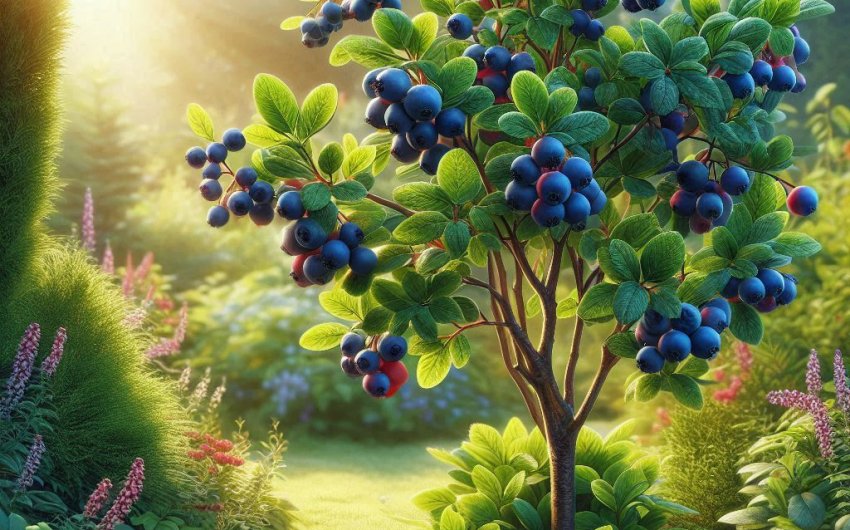
The best time to prune huckleberry plants is typically during their dormant season, in late winter or early spring, before new growth begins. This timing allows you to remove old, unproductive canes and shape the plant without sacrificing the current season's berries.
Why Prune Huckleberry Plants?
Pruning huckleberry plants might seem like an extra chore, but it's a vital part of maintaining their health, vigor, and berry production. Unlike some plants that can be left to their own devices, huckleberries benefit significantly from regular shaping and thinning.
Enhances Berry Production
- Removes Unproductive Canes: Huckleberry plants, similar to raspberries and blueberries, produce fruit on canes that are a specific age (typically second-year wood for many varieties). Pruning removes older, less productive, or spent canes, directing the plant's energy into new, vigorous growth that will bear fruit in subsequent seasons.
- Encourages New Growth: Cutting back old growth stimulates the plant to produce new shoots from the base or along existing canes. These new shoots will become the future fruit-bearing wood.
- Improves Berry Quality and Size: By thinning out overcrowded areas, the plant can put more energy into fewer, higher-quality berries, leading to larger and more flavorful fruit.
Improves Plant Health
- Increases Air Circulation: Dense, overgrown huckleberry bushes can have poor air circulation within their canopy. Pruning opens up the plant, allowing air to move freely through the branches. This significantly reduces the risk of fungal diseases like powdery mildew or various blights, which thrive in damp, stagnant conditions.
- Reduces Pest Habitat: Overcrowded plants can provide excellent hiding spots for pests. Pruning removes these dense areas, making the plant less appealing to pests and easier to inspect if problems arise.
- Removes Dead or Diseased Wood: Promptly removing any dead, damaged, or diseased branches prevents the spread of pathogens to healthy parts of the plant and improves the overall vigor of the bush.
- Rejuvenates Older Plants: Regular pruning helps to rejuvenate older, less productive huckleberry bushes, extending their productive lifespan.
Manages Plant Size and Shape
- Controls Spread: Many huckleberry varieties can grow quite large and sprawling. Pruning helps to manage their size and keep them within desirable bounds for your garden space.
- Maintains Aesthetic Appeal: A well-pruned huckleberry bush looks tidier and more intentional in the landscape, contributing positively to your garden's design.
- Easier Harvesting: Open, well-spaced canes make it much easier to reach and pick the berries during harvest season.
By understanding these benefits, it becomes clear that pruning is not just a chore but a key practice for a flourishing and productive huckleberry patch.
What is the Best Time of Year to Prune Huckleberry Plants?
The optimal time to prune huckleberry plants is during their dormant season, typically in late winter or very early spring, before the buds begin to swell and show signs of new growth. This timing is ideal for several reasons.
Why Dormant Season Pruning is Best
- Minimizes Stress: When the plant is dormant, its metabolic activity is at its lowest. Pruning during this period causes minimal stress to the plant compared to pruning during active growth.
- Clear Visibility: Without leaves, it's much easier to see the structure of the plant, identify old or unproductive canes, and make precise cuts. You can clearly distinguish between healthy wood and dead or diseased branches.
- Maximizes Berry Production: Huckleberries typically produce fruit on second-year wood. Pruning in late winter ensures that you are removing canes that have already fruited (and will not fruit again) while preserving the canes that will bear fruit in the upcoming season. If you prune too late (once buds are swelling), you risk cutting off flower buds and reducing your harvest.
- Reduced Disease Risk: While dormant pruning minimizes the risk of disease spread through open wounds, some experts recommend avoiding pruning during extremely wet periods to prevent fungal spores from entering fresh cuts.
Timing by Climate Zone
- Cold Climates (USDA Zones 3-5): Late February to March, just before the last hard frost and before buds break.
- Moderate Climates (USDA Zones 6-7): January to early March.
- Milder Climates (USDA Zones 8-9): December to February.
Always monitor your specific plants and local weather patterns. The key is to prune when the plant is fully dormant and has not yet started to push out new growth.
When to Avoid Pruning
- Summer/Fall: Avoid major pruning during the growing season (spring and summer) as this can remove potential berries and stress the plant. Light, corrective pruning (removing obviously dead or diseased branches) can be done anytime.
- Late Spring: This is when the plant is actively growing and setting fruit. Pruning now will significantly reduce your harvest.
- Just Before a Hard Freeze: Avoid making large cuts right before extreme cold weather, as new growth might be stimulated that won't harden off in time and could be damaged.
Sticking to dormant season pruning will give your huckleberry plants the best chance for health, vigor, and a bountiful harvest.
What Tools Do I Need for Pruning Huckleberry Plants?
Having the right tools is essential for effective and safe pruning. Using clean, sharp tools makes the job easier, healthier for the plant, and safer for you.
Essential Pruning Tools
- Bypass Pruners (Hand Pruners):
- Purpose: For cutting smaller branches and canes up to about 3/4 inch thick. Bypass pruners make clean, precise cuts.
- Type: Look for bypass (scissor-action) rather than anvil (blade against flat surface) pruners, as bypass pruners cause less crushing damage to plant tissue.
- Recommendation: A good quality, comfortable pair of Bypass Hand Pruners is invaluable.
- Loppers:
- Purpose: For cutting thicker canes and branches, typically up to 1 1/2 to 2 inches thick. Their long handles provide leverage.
- Type: Again, bypass loppers are generally preferred for cleaner cuts.
- Recommendation: A sturdy pair of Bypass Loppers will save your hands for larger cuts.
- Pruning Saw (Optional, for Very Mature Plants):
- Purpose: For removing very thick, old canes or branches that are too large for loppers.
- Recommendation: A folding hand saw with sharp teeth.
- Folding Pruning Saw
Safety and Hygiene Tools
- Gloves:
- Purpose: Protect your hands from thorns (if pruning thorny varieties), sharp branches, and sap.
- Recommendation: Durable gardening gloves or those specifically designed for pruning.
- Rubbing Alcohol (Isopropyl Alcohol) or Bleach Solution:
- Purpose: Crucial for sterilizing your tools. This prevents the spread of diseases from one plant to another, or from diseased parts of a huckleberry to healthy parts.
- How to Use: Wipe down or dip your pruner blades in alcohol (or a 10% bleach solution) before you start, and frequently throughout the pruning process, especially when moving between plants or if you suspect you've cut into diseased wood.
- Tarp or Wheelbarrow:
- Purpose: For collecting pruned branches and debris, making cleanup easier.
Always ensure your tools are sharp before you begin. Sharp tools make clean cuts, which heal faster and reduce stress on the plant. Dull tools can tear and damage plant tissue, leaving it vulnerable to disease.
What are the Different Types of Pruning for Huckleberry Plants?
Pruning huckleberry plants involves a few different types of cuts, each serving a specific purpose for health, productivity, and shape. Understanding these will help you make informed decisions when caring for your plants.
1. Renewal Pruning (The Most Important Type for Huckleberries)
This is the primary method for maintaining productive huckleberry plants, especially for varieties that produce fruit on second-year wood.
- Purpose: To remove old, spent canes and encourage the growth of vigorous new canes that will bear fruit in subsequent seasons. It rejuvenates the plant.
- When: During the dormant season (late winter/early spring).
- How: Identify canes that produced fruit the previous season (these will often look thicker, woodier, and may have lateral branches where fruit hung). Cut these floricanes all the way down to the ground.
- Simultaneously, identify strong, healthy new canes (primocanes) that grew the previous year. You will select a certain number of these (e.g., 6-10 per bush, depending on size) to keep for the upcoming season's harvest, removing any weak, spindly, or crowded primocanes.
- Why it's Crucial: Without renewal pruning, the plant would become a dense tangle of old, unproductive wood, leading to reduced yields and increased disease risk.
2. Thinning Pruning
This involves removing entire branches or canes back to their point of origin or to the main stem.
- Purpose: To improve air circulation, reduce overcrowding, and direct the plant's energy into remaining healthy growth.
- When: During the dormant season, as part of renewal pruning, or any time to remove diseased/damaged wood.
- How: Cut out any crossing, rubbing, or inward-growing branches that contribute to a dense canopy. Remove any spindly or weak new shoots that won't become productive.
3. Heading Back (or Reduction) Pruning
This involves cutting back the end of a cane or branch to a bud or side branch.
- Purpose: To control overall size, encourage bushier growth, or redirect growth. For huckleberries, it's often used sparingly on fruit-bearing canes to encourage lateral branching.
- When: Primarily during the dormant season, but sometimes lightly in summer to manage excessive growth.
- How: Cut back a cane to just above a healthy outward-facing bud or side shoot.
4. Deadheading / Tip Pruning (for specific reasons)
- Deadheading: Removing spent flowers. For huckleberries, this isn't typically done as they're grown for fruit, not flowers.
- Tip Pruning/Pinching: Removing just the very tip of a growing shoot. This can encourage bushier growth rather than vertical growth. For huckleberries, this is less common for fruit production but can be done to shape ornamental varieties.
5. Corrective Pruning
- Purpose: To remove any dead, diseased, or damaged wood.
- When: Can be done any time of year as soon as you spot an issue. Prompt removal prevents problems from spreading.
- How: Cut back to healthy wood, ensuring you make the cut into clean, green tissue. Sterilize your tools immediately after cutting diseased parts.
By understanding these different types of pruning and applying them at the correct times, you can effectively manage your huckleberry plants for optimal health and bountiful harvests.
How Do I Prune Huckleberry Plants Step-by-Step?
Pruning huckleberry plants is a straightforward process once you understand the goals. Follow these steps during the dormant season (late winter/early spring) for the best results.
Step-by-Step Pruning Guide
- Gather Your Tools and Sterilize:
- Ensure your bypass pruners, loppers, and pruning saw (if needed) are clean and sharp.
- Wipe down the blades with rubbing alcohol or dip in a 10% bleach solution before you start, and periodically throughout the process, especially if you move between plants or cut into diseased wood.
- Put on your gardening gloves.
- Identify and Remove Dead, Damaged, or Diseased Canes:
- Start by looking for any canes that are clearly dead (brittle, no sign of life), broken, or showing signs of disease (unusual spots, cankers, discolored areas).
- Cut these canes back to the ground level or to healthy wood. Make clean cuts.
- Dispose of diseased material in the trash, not your compost pile, to prevent spread. Re-sterilize tools.
- Identify and Remove Spent Canes (Floricanes):
- Huckleberries fruit on second-year wood (floricanes). These canes will have fruited the previous summer. They often look thicker, woodier, and may show signs of lateral branches where berries were. They may also be darker in color or show less vigor.
- Cut these spent floricanes back to the ground. Do not leave stubs.
- This is the core of renewal pruning and ensures the plant's energy is redirected to new, productive growth.
- Select and Thin New Canes (Primocanes):
- Now, look at the new canes (primocanes) that grew last year. These will be thinner and generally lighter in color than the old floricanes. These are the canes that will produce fruit this coming season.
- Select the strongest 6-10 primocanes per plant (adjust based on the mature size and vigor of your specific huckleberry variety). Choose canes that are well-spaced and vigorous.
- Remove any weak, spindly, or overcrowded primocanes at ground level. This thinning improves air circulation and ensures the remaining canes get adequate light and nutrients to produce large berries.
- Address Crossing or Rubbing Canes:
- Look for any remaining canes that are rubbing against each other or crossing through the center of the bush. These can create wounds where disease can enter and can hinder air circulation.
- Choose the healthier or better-positioned cane and remove the other, cutting it back to its origin.
- Shape and Height Reduction (Optional):
- If your huckleberry bush is getting too tall or wide, you can selectively cut back some of the chosen primocanes to a desirable height (e.g., 4-6 feet) or width. Make these cuts just above an outward-facing bud or lateral branch. This also encourages bushier growth.
- Clean Up:
- Collect all pruned branches and debris. Remove them from the garden to prevent them from harboring pests or diseases.
By following these steps annually during the dormant season, you will ensure your huckleberry plants remain healthy, productive, and manageable, leading to many seasons of delicious homegrown berries.