
How to Grow Cyperus Umbrella Houseplants?
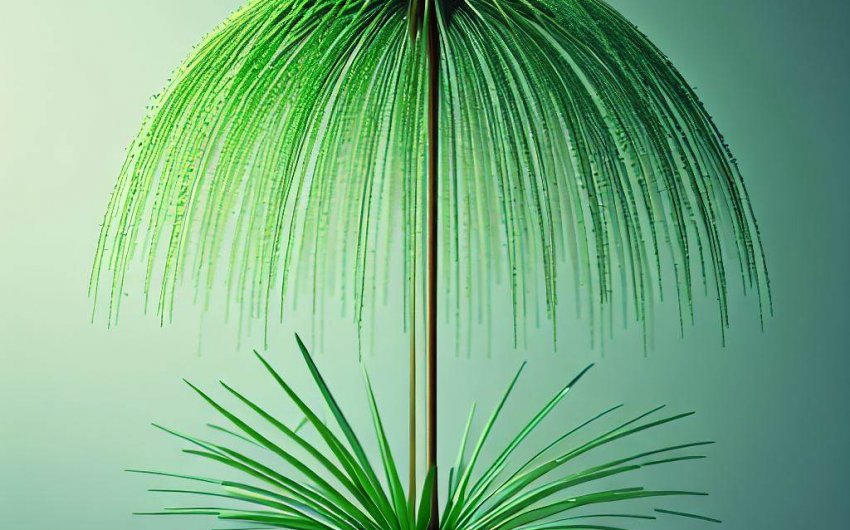
To grow Cyperus alternifolius, commonly known as Umbrella Plant or Umbrella Sedge, provide it with consistently wet to fully submerged roots, bright, indirect light, and warm temperatures. This water-loving plant is remarkably easy to care for, thriving in conditions that would typically cause other houseplants to rot.
What makes the Cyperus Umbrella Plant so distinctive?
The Cyperus alternifolius, or Umbrella Plant, is a striking herbaceous perennial known for its unique architectural form. Its most distinctive feature is its cluster of slender, leaf-like bracts that radiate outwards from the top of a stiff, upright stem, resembling the spokes of an open umbrella. These "umbrellas" provide a lush, tropical aesthetic, making it a popular choice for houseplants, ponds, and water gardens.
What are the key characteristics of an Umbrella Plant?
- Umbrella-like foliage: Stems are topped with a whorl of narrow, bright green, leaf-like bracts.
- Water-loving nature: Thrives in consistently wet soil and can even grow with its roots submerged in water.
- Upright growth habit: Grows in clumps of sturdy, erect stems.
- Small, greenish flowers: Produces inconspicuous flowers nestled within the center of the umbrella-like bracts.
- Rapid growth: Can grow quite quickly under optimal conditions.
Where does the Umbrella Plant naturally grow?
The Umbrella Plant is native to Madagascar, where it grows in wet, marshy areas, along riverbanks, and in shallow water. This natural habitat provides a strong clue to its care requirements: it thrives in conditions that are consistently moist or even fully saturated with water.
What kind of light does a Cyperus Umbrella Plant need?
The Cyperus Umbrella Plant thrives in bright, indirect light. While it can tolerate a range of light conditions, providing it with ample indirect light will ensure the most vigorous growth and vibrant green foliage.
Can Umbrella Plants tolerate low light?
While Cyperus alternifolius can survive in lower light, it will not flourish. In low light, you'll notice significantly slower growth, the stems may become leggy and weaker, and the overall plant may appear less dense and vibrant. For the best possible health and lush appearance, aim for brighter indirect light.
What happens if an Umbrella Plant gets too much direct sunlight?
Too much direct, harsh sunlight can be detrimental to an Umbrella Plant. While it appreciates bright conditions, intense, unfiltered sun can lead to leaf scorch, causing the delicate leaf-like bracts to turn yellow or brown and appear crispy. If placing your plant near a very sunny, south-facing window, ensure it's set back a few feet or diffused by a sheer curtain.
How much water should you give your Cyperus Umbrella Plant?
This is where the Umbrella Plant truly stands apart from most other houseplants. It is a bog plant, meaning it absolutely demands consistently wet soil and can even grow with its roots permanently submerged in water. This is the most crucial aspect of its care.
How do you water an Umbrella Plant correctly?
The best and easiest way to water an Umbrella Plant is the "tray method" or by standing it in water:
- Tray method: Place the potted Umbrella Plant in a saucer or decorative container filled with 1-2 inches of water. The plant will absorb water from the bottom as needed. Refill the tray as it dries out, ensuring the plant never truly dries out.
- Submerged pot: You can place the entire pot into a larger, watertight decorative container, ensuring the bottom few inches of the pot are always immersed in water.
- Top watering: If not using the tray method, water thoroughly and frequently from the top until water drains profusely from the bottom, never allowing the soil to dry out.
What are the signs of insufficient water?
- Drooping stems/bracts: The most immediate and dramatic sign. The "umbrellas" will wilt and droop downwards.
- Browning tips: If left dry for too long, the tips of the bracts may turn brown and crispy.
Can you overwater an Umbrella Plant?
It is nearly impossible to overwater an Umbrella Plant. Unlike most houseplants, which succumb to root rot in soggy soil, Cyperus alternifolius thrives in consistently wet conditions. In fact, consistently moist to saturated soil is exactly what it needs to flourish. The only time "overwatering" might be a problem is if the water is extremely stagnant and lacks oxygen, which is rare in typical houseplant setups.
What is the best potting mix for a Cyperus Umbrella Plant?
The potting mix for an Umbrella Plant should be designed to retain a lot of moisture, which is again, very different from most houseplants.
What ingredients should be in a good Umbrella Plant potting mix?
The ideal potting mix for Cyperus alternifolius should be heavy, moisture-retentive, and capable of staying wet without becoming overly dense.
- All-purpose potting soil: A good base.
- Peat moss: Excellent for retaining moisture and providing a slightly acidic environment.
- Heavy loam or even clay soil: Can be mixed in to create a heavier, more water-retentive medium.
- Sand (optional): A small amount of coarse sand can improve weight and some drainage, but avoid light, fast-draining mixes.
A simple mix of good quality potting soil with an extra scoop of peat moss will work well. You can also use a specialized aquatic potting mix if you intend to keep it fully submerged in a water garden.
Do Cyperus Umbrella Plants need high humidity?
Yes, Cyperus alternifolius originates from tropical, marshy environments, so it absolutely thrives in high humidity. While it can tolerate average household humidity, it will show its best growth and most vibrant foliage in consistently humid conditions.
How can you increase humidity for Umbrella Plants?
- Humidifier: Using a room humidifier is the most effective way to provide consistent humidity.
- Pebble trays: Although its pot is already in water (if using the tray method), additional pebble trays can boost ambient humidity.
- Grouping plants: Clustering several plants together creates a localized microclimate with higher humidity.
- Terrariums: They are excellent plants for large, open terrariums or paludariums (aquatic and terrestrial mixed habitats).
What is the ideal temperature range for a Cyperus Umbrella Plant?
A Cyperus Umbrella Plant prefers warm, consistent temperatures, reflecting its tropical origins. It thrives in temperatures between 65-80°F (18-27°C).
Can Umbrella Plants tolerate temperature fluctuations?
While some minor fluctuations are generally tolerated, sudden or extreme temperature drops can stress the plant. Avoid placing Cyperus alternifolius near drafty windows, air conditioning vents, or heating elements that can cause rapid changes in temperature. Prolonged exposure below 50°F (10°C) can cause chilling damage and stress.
How do you fertilize a Cyperus Umbrella Plant?
Cyperus alternifolius is not a heavy feeder, especially if grown in a rich, organic potting mix. However, it can benefit from light fertilization during its active growing season (spring and summer) to support its rapid growth. During fall and winter, when growth slows, reduce or stop fertilizing.
What kind of fertilizer should you use?
Use a balanced liquid houseplant fertilizer, such as a 10-10-10 or 20-20-20, diluted to half or even quarter strength. You can also use aquatic plant fertilizer spikes if the plant is grown in a water garden.
How often should you fertilize?
During spring and summer, fertilize your Umbrella Plant plant every 4-6 weeks with a diluted liquid fertilizer. Always apply fertilizer to already moist (or wet) soil to prevent any potential root burn.
When should you repot a Cyperus Umbrella Plant?
Cyperus alternifolius is a fast grower and can quickly fill its pot. You should generally repot your Umbrella Plant every year or when you notice signs it has become root-bound.
What are the signs an Umbrella Plant needs repotting?
- Roots growing out of drainage holes: A clear indicator the plant needs more space.
- Water running straight through quickly: Even for a bog plant, if water seems to rush through the soil, it means the roots have taken over the pot.
- Stunted growth: Despite good care, the plant's growth slows.
- Plant topples easily: The plant becomes top-heavy relative to its root system.
How do you repot an Umbrella Plant?
- Choose a slightly larger pot: Select a new pot that is only 1-2 inches larger in diameter than the current one. Ensure it has good drainage holes.
- Prepare the new pot: Add a layer of fresh, moisture-retentive potting mix (as described earlier) to the bottom.
- Remove the plant: Gently remove the Cyperus alternifolius from its old pot. It might be quite root-bound.
- Inspect roots: You can gently loosen any circling roots, but don't worry about damaging them too much, as this plant is very forgiving.
- Place and backfill: Center the plant in the new pot, ensuring it's at the same depth as it was previously. Fill around the roots with fresh potting mix, gently tamping it down.
- Water immediately: Water thoroughly after repotting and ensure it has its usual "wet feet."
How do you prune and propagate Cyperus Umbrella Plants?
Pruning your Cyperus alternifolius is mainly done to maintain its appearance by removing old or damaged stems. Propagation is incredibly easy and unique, often done from the very "umbrellas" themselves.
Why should you prune Umbrella Plants?
- Maintain appearance: Remove yellowing, browning, or dying stems to keep the plant looking fresh and vibrant.
- Encourage new growth: Pruning can stimulate the plant to produce new, healthy stems from the base.
- Prevent overcrowding: For very dense plants, thinning out some older stems can improve air circulation.
How do you prune Umbrella Plants?
- Use clean, sharp shears: Always use disinfected pruning shears or scissors.
- Cut at the base: Trim unwanted or dead stems at their base, close to the soil line.
- Remove entire stems: Focus on removing entire stems rather than just clipping off individual bracts.
How do you propagate Umbrella Plants from "umbrellas"?
This is one of the most fascinating and easy methods of propagation!
- Select a healthy "umbrella": Choose a healthy stem with a fully developed umbrella of bracts.
- Cut the stem: Cut the stem about 4-6 inches below the umbrella, ensuring no leaves are below the umbrella.
- Trim the "umbrella": Trim the bracts back by about half their length.
- Invert and submerge: Invert the umbrella (place it upside down) into a glass or container of water, ensuring the cut stem end and part of the trimmed bracts are submerged. The stem should point upwards, and the bracts point downwards into the water.
- Provide bright, indirect light: Place the container in a warm spot with bright, indirect light.
- Patience: Within a few weeks, you'll see new roots emerge from the center of the inverted umbrella, and a new green shoot will begin to grow upwards.
- Pot up: Once the roots are a few inches long and the new shoot is established, you can pot up the new plant in its own container with appropriate potting mix.
What are common problems when caring for Cyperus Umbrella Plants?
Even with their unique care requirements, Umbrella Plants are generally robust. Most problems stem from insufficient watering or light.
Why are my Umbrella Plant's stems turning yellow or brown?
- Underwatering: The most common cause. The plant is drying out.
- Solution: Increase watering frequency dramatically. Ensure the plant is constantly sitting in water.
- Low humidity: Can contribute to browning tips.
- Solution: Increase humidity around the plant.
- Too much direct sun: Can scorch leaves.
- Solution: Move to a location with bright, indirect light.
- Old age: Older stems will naturally yellow and die back as new ones emerge.
- Solution: Prune out old, dead stems.
What kind of pests affect Umbrella Plants?
Cyperus alternifolius is generally resistant to most pests. However, if stressed or in very dry conditions (which it hates), it can occasionally be bothered by common houseplant pests:
- Spider mites: Tiny pests that can cause stippling and fine webbing, especially in dry, low-humidity conditions.
How do you treat pests on Umbrella Plants?
- Isolate: Move the infested plant away from other plants immediately.
- Strong water spray: A strong spray of water from a sink or shower can dislodge spider mites. This plant loves water, so this is an excellent first step.
- Insecticidal soap: Spray the entire plant (top and bottom of leaves, stems) with a natural insecticidal soap. Repeat every 7-10 days until pests are gone.
- Increase humidity: Helps deter spider mites.
To successfully grow Cyperus Umbrella Plants as houseplants, you must embrace their unique love for water. Provide them with consistently wet roots, bright indirect light, warm temperatures, and a moisture-retentive potting mix. With these specific conditions met, your Umbrella Plant will thrive, bringing a striking, architectural, and wonderfully low-maintenance touch of the tropics to your indoor space.