
How to Grow a Red Banana Plant?
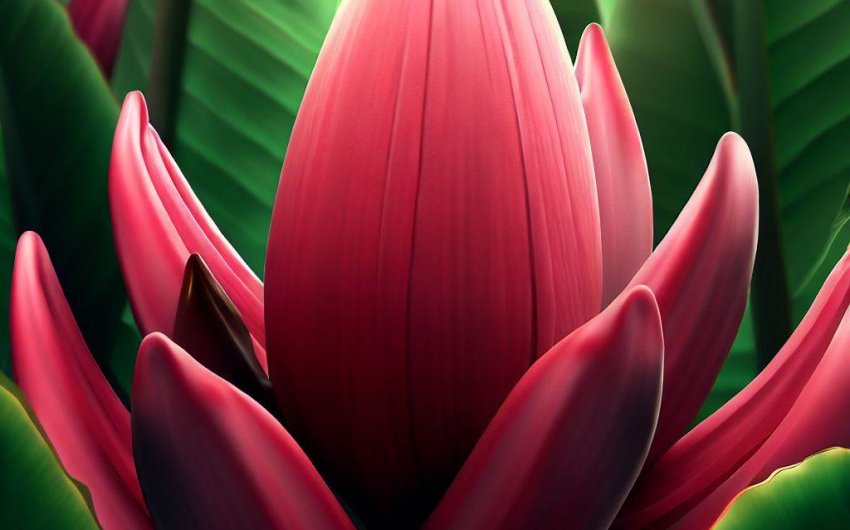
To grow a red banana plant, choose a location with full sun to partial shade and rich, consistently moist, well-draining soil. Plant rhizomes or pups in spring, ensuring high humidity and protection from cold temperatures for vigorous growth.
What is a red banana plant and why should I grow one?
A red banana plant typically refers to ornamental or edible banana varieties with strikingly reddish-purple stems, petioles (leaf stalks), and sometimes even reddish tints on the leaves. The most popular ornamental red banana is Ensete ventricosum 'Maurelii' (Abyssinian Red Banana), known for its massive, architectural leaves with a burgundy blush. While Musa acuminata 'Red Dacca' is an edible variety producing red-skinned fruit, the focus for home growers often leans towards the dramatic foliage of ornamental types. Growing one adds an unparalleled tropical flair and impressive scale to any garden or indoor space.
What are the main types of red banana plants?
When people talk about red banana plants, they are usually referring to one of two main categories: ornamental (for foliage) or edible (for fruit).
- Ornamental Red Banana (Ensete ventricosum 'Maurelii' - Abyssinian Red Banana):
- Appearance: This is the showstopper, prized for its enormous, paddle-shaped leaves (up to 10 feet long!) with a vibrant burgundy-red midrib and undersides, often spreading to the leaf surface. It forms a massive, upright central pseudostem (false stem) that can reach impressive heights.
- Growth Habit: It grows rapidly into a dramatic, architectural specimen. Unlike true bananas (Musa species), Ensete bananas generally do not produce edible fruit (or if they do, it's seedy and unpalatable) and typically do not produce suckers (pups) from the base. It usually flowers and fruits once at the end of its life cycle, then dies.
- Hardiness: Considered a tender perennial (USDA Zones 9-11), but its corm can be overwintered indoors in colder climates.
- Best for: Dramatic tropical foliage, large specimen plants.
- Edible Red Banana (Musa acuminata 'Red Dacca', also 'Red Cuban', 'Red Spanish'):
- Appearance: This is a true banana (Musa species) that produces delicious, sweet fruit with reddish-purple skin when ripe. The foliage is typically green, though young leaves might show some reddish tint.
- Growth Habit: Grows into a smaller to medium-sized tree, typically producing suckers (pups) that grow from the base.
- Hardiness: Also a tender perennial (USDA Zones 9-11), but can be successfully grown in containers and brought indoors.
- Best for: Unique edible red bananas.
For the purpose of this guide, we'll primarily focus on the care suitable for both ornamental and edible types, highlighting differences where necessary.
What are the benefits of growing a red banana plant?
Growing a red banana plant, especially the ornamental Ensete ventricosum 'Maurelii', offers unparalleled advantages for creating a tropical oasis.
- Dramatic Tropical Aesthetic: Their sheer size and bold, colorful foliage instantly create an exotic, lush, and tropical atmosphere in any garden or landscape. They are true architectural plants.
- Stunning Foliage Color: The striking burgundy-red coloration of 'Maurelii' is unmatched, providing a vibrant contrast to green foliage and adding a rich, warm tone to your plant palette.
- Impressive Scale: With leaves reaching up to 10 feet long and overall plant heights of 10-20 feet in a single season (in optimal conditions), they offer an incredible sense of scale that transforms a space.
- Fast Growing: These plants are incredibly fast growers. From a small corm or pup, you can achieve substantial size in a single growing season, making them very rewarding.
- Versatile Use:
- Specimen Plant: Perfect as a standalone focal point.
- Tropical Border: Anchor a mixed border with other tropicals like cannas, elephant ears, and coleus.
- Container Gardening: Excellent for large containers on patios or decks, allowing for easy overwintering in cold climates.
- Edible Fruit (for Musa varieties): If growing 'Red Dacca', you get to harvest unique, sweet red bananas.
- Low Maintenance (Once Established): While they have significant needs for water and fertilizer, they are generally free from major pest and disease issues once established.
- Unique Conversation Starter: Their unusual appearance is always a talking point and a source of fascination for visitors.
Whether for their spectacular foliage or unique fruit, red banana plants are a fantastic choice for adding a touch of the exotic to your backyard or home.
Where is the best place to grow a red banana plant?
Selecting the ideal location for your red banana plant is crucial for its vigorous growth and stunning display. These tropical beauties have specific requirements for sunlight, soil, and protection, especially in non-tropical climates.
What climate zones are ideal for red banana plants?
Red banana plants are tropical and subtropical, making them sensitive to cold.
- USDA Hardiness Zones 9-11: This is the primary range where red banana plants can be grown outdoors year-round.
- Zone 9: They may experience some dieback during colder winters but usually recover from the corm if well-mulched. Protection from hard freezes is highly recommended.
- Zones 10-11: Ideal, truly frost-free conditions where they thrive and reach their maximum potential.
- Colder Zones (Zones 8 and below): In colder zones, red banana plants must be grown as container plants that are moved indoors for winter, or their corms must be dug up and stored dormant.
- Avoid Frost: Both Ensete and Musa varieties are very sensitive to frost. Temperatures below 32°F (0°C) will cause foliage damage, and prolonged freezes can kill the plant or corm.
How much sunlight does a red banana plant need?
Red banana plants love bright light but can be sensitive to scorching in intense sun.
- Full Sun to Partial Shade: In most suitable climates, red banana plants prefer full sun (at least 6-8 hours of direct sunlight daily) for the fastest growth and best coloration.
- Afternoon Shade in Hot Climates: In very hot climates (e.g., zones 10-11 with extreme summer heat), some protection from the most intense afternoon sun (from 1 PM to 4 PM) can prevent leaf scorch and maintain leaf color. A location that receives morning sun and dappled afternoon shade is often ideal in these regions.
- Avoid Deep Shade: In deep shade, red banana plants will become leggy, grow slowly, and their vibrant red coloration will be significantly muted.
- Wind Protection: Their large leaves are easily torn by strong winds. Choose a location that offers some protection from prevailing winds, or be prepared for tattered leaves.
What kind of soil is best for red banana plants?
Red banana plants are heavy feeders and require exceptionally rich, moist, and well-draining soil.
- Rich, Organic Soil: They demand highly fertile soil. Amend your planting site or container mix with copious amounts of compost, aged manure, or other organic matter. This provides essential nutrients and improves soil structure.
- Consistently Moist but Well-Draining: This is crucial. The soil needs to retain moisture to keep the banana hydrated, but it must never become waterlogged or soggy, as this will cause root and corm rot. If you have heavy clay soil, extensive amendment with organic matter and possibly some coarse sand or perlite is necessary to improve drainage.
- Slightly Acidic to Neutral pH: Red banana plants generally prefer a soil pH between 6.0 and 7.0. A soil pH testing kit can help you determine your current soil acidity.
- Loamy Texture: A rich, loamy soil texture that allows for both good drainage and moisture retention is ideal.
Can I grow red banana plants in containers?
Yes, container growing is a fantastic and popular way to cultivate red banana plants, especially for gardeners outside tropical zones.
- Overwintering Solution: This is the primary benefit, allowing you to move tender plants indoors before frost.
- Portability: You can easily move the pot to optimize sun exposure or protect it from strong winds or excessive heat.
- Pot Size: Choose a very large, sturdy container. For mature plants, aim for at least 20-30 gallons (around 24-30 inches in diameter). Young plants can start in smaller pots and be repotted as they grow. Ensure the pot has ample drainage holes.
- Potting Mix: Use a high-quality, rich, well-draining potting mix. A good organic potting mix like Foxfarm Ocean Forest Potting Soil is excellent.
- Watering: Container-grown bananas will dry out much faster than those in the ground, requiring more frequent watering, often daily in hot weather.
By meticulously matching these specific requirements to your chosen planting spot, you'll provide the optimal environment for your red banana plant to flourish into a magnificent tropical specimen.
How do I plant a red banana plant?
Whether you're starting with a corm, a pup, or a nursery plant, proper planting techniques are essential for successful establishment and vigorous growth of your red banana plant. Attention to detail at this stage sets the foundation for a healthy tropical showpiece.
When is the best time to plant a red banana plant?
Timing your planting correctly is crucial, especially given the banana plant's tropical nature.
- Spring After Last Frost: The ideal time to plant red banana corms, pups, or nursery plants is in spring, after all danger of frost has passed and the soil has thoroughly warmed up. Nighttime temperatures should consistently stay above 50°F (10°C), and ideally, days should be warming into the 70s and 80s (20s-30s °C).
- Warm Soil is Key: Planting into warm soil stimulates faster root growth and reduces transplant shock.
- Avoid Fall/Winter: Do not plant in late fall or winter, as the cold will quickly kill tender new growth or rot dormant corms.
Step-by-step guide to planting a red banana corm or bare-root pup
If starting from a dormant corm or a bare-root pup (a separated offset from a mature plant), these steps are crucial.
- Prepare the Corm/Pup:
- Corm: Inspect the corm for any soft spots or rot; trim these away with a clean knife. If the corm is very large, you can cut it into sections, ensuring each section has at least one "eye" (growth bud). Allow cut surfaces to dry and "cure" for 1-2 days to prevent rot.
- Pup: If you have a bare-root pup, ensure it has some roots and a piece of the parent corm attached.
- Prepare the Hole/Pot:
- In-Ground: Dig a large hole that is twice as wide as the corm/pup and its root ball, and about 1.5 times as deep. This allows for plenty of amended soil.
- Container: Choose a large pot (at least 15-20 gallons for significant growth) with drainage holes. Fill it partially with a rich, well-draining potting mix.
- Amend Soil Generously: Mix the excavated soil (for in-ground planting) or potting mix with ample compost or aged manure (at least 1/3 to 1/2 organic matter by volume).
- Position the Corm/Pup:
- Place the corm or pup in the center of the hole or pot. The top of the corm or the base of the pup (where roots emerge) should be just level with or slightly below the soil surface (1-2 inches deep).
- Ensure any growth buds are facing upwards.
- Backfill and Firm: Carefully backfill the hole or pot with the amended soil, gently firming it around the corm/pup to remove air pockets. Avoid compacting too tightly.
- Water Thoroughly: Immediately after planting, give a deep, thorough watering. This helps settle the soil and provides essential moisture to kickstart growth.
- Mulch: Apply a 2-4 inch layer of organic mulch (like wood chips or shredded bark) around the planting site, keeping it a few inches away from the corm/base of the pup. Mulch helps retain moisture and moderates soil temperature.
Step-by-step guide to planting a nursery-potted red banana plant
Planting a nursery-potted banana is similar, but with less initial preparation of the plant itself.
- Prepare Site/Pot: Follow steps 2 and 3 from the corm/pup guide.
- Remove from Pot: Gently slide the banana plant out of its nursery pot. If it's root-bound, gently tease apart any circling roots at the bottom and sides to encourage outward growth.
- Position the Plant: Place the banana plant in the center of the hole or pot. The root collar (where the pseudostem meets the roots) should be level with the surrounding soil surface. Do not plant too deep.
- Backfill, Water, and Mulch: Follow steps 5, 6, and 7 from the corm/pup guide.
Initial care for new red banana plants
The first few weeks after planting are crucial for establishment.
- Consistent Moisture: Keep the soil consistently moist but not waterlogged. Check the soil daily, especially in hot weather. New plants are very sensitive to drying out.
- Protection: Protect new plants from strong winds (which can shred large leaves) and intense midday sun until they are well-established.
- Patience: Growth might be slow initially as the plant focuses on developing its root system. Once established, it will take off.
By diligently following these planting steps and providing consistent initial care, your red banana plant will establish itself vigorously, ready to transform your garden into a tropical paradise.
How do I care for my growing red banana plant?
Once established, your red banana plant will reward you with rapid, dramatic growth, but it requires consistent attention to watering, feeding, and protection to truly thrive. Meeting these needs will ensure a lush, vibrant tropical display.
How much water does a red banana plant need?
Water is a critical factor for red banana plants, especially due to their large leaves and rapid growth.
- Heavy Drinkers: Red banana plants are heavy drinkers and require abundant, consistent moisture. Their large leaves transpire (release water vapor) rapidly, especially in hot, sunny, or windy conditions.
- Consistently Moist Soil: The soil should be kept consistently moist but never soggy or waterlogged. Allow the top inch or two of soil to dry out slightly between waterings, but don't let it become completely bone dry.
- Watering Frequency:
- In-Ground: During warm, active growing periods, in-ground plants may need watering every 2-3 days, or even daily during heatwaves or droughts.
- Container Plants: Container-grown bananas will dry out much faster and may need watering daily, or even twice a day, during hot summer months.
- Deep Watering: When you water, do so deeply and thoroughly to ensure the entire root ball is saturated.
- Timing: Water in the early morning to allow foliage to dry before nightfall, reducing the risk of fungal issues.
- Monitor Soil Moisture: Regularly check soil moisture with your finger or a soil moisture meter.
- Signs of Underwatering: Leaves will wilt, turn dull green, and edges may brown and crisp. Growth will slow dramatically.
- Signs of Overwatering: Yellowing leaves, stunted growth, and soft, mushy stems are signs of root/corm rot.
How often should I fertilize a red banana plant?
Red banana plants are extremely heavy feeders due to their rapid growth and large foliage mass.
- Frequent Feeding: They require frequent, heavy fertilization during their active growing season (spring through fall).
- Fertilizer Type: Use a balanced, high-nitrogen granular fertilizer (e.g., 8-2-10 or 10-5-15) or a specialized "tropical plant" or "banana" fertilizer. Nitrogen promotes vigorous leafy growth.
- Application Frequency:
- In-Ground: Apply granular fertilizer every 4-6 weeks during the growing season.
- Container Plants: Fertilize more frequently, perhaps every 2-3 weeks, with a diluted liquid fertilizer or a controlled-release granular fertilizer, as nutrients leach out of pots faster.
- Organic Options: Supplement with generous applications of compost or aged manure around the drip line throughout the growing season. Liquid organic feeds like fish emulsion or compost tea can also be used every 2-3 weeks.
- Always Water In: Always water thoroughly after applying granular fertilizer to prevent root burn.
- Stop in Winter: Cease fertilization in late fall and winter when the plant's growth naturally slows or it enters dormancy.
How do I prune and maintain my red banana plant?
Pruning for red banana plants is primarily about removing damaged foliage and maintaining appearance.
- Remove Damaged/Dead Leaves: Regularly prune off any yellowing, brown, or tattered leaves. Use a sharp, clean knife or shears and cut as close to the pseudostem as possible without damaging it. This improves appearance and helps prevent fungal issues.
- Tattered Leaves: Banana leaves naturally tear and tatter in the wind. This is normal and doesn't harm the plant, but you can trim off severely torn sections for aesthetics.
- Suckers (for Musa edible varieties): If you have an edible Musa variety, it will produce suckers (pups) from the base.
- To Encourage Fruiting: Allow only 1-2 suckers to grow to replace the main plant after it fruits and dies. Remove others.
- To Propagate: You can separate healthy suckers for propagation.
- No Pruning of Pseudostem (for Ensete): The central pseudostem of Ensete bananas should generally not be pruned, as this is the main growing point.
- Repotting (Container Plants): Repot every 1-2 years as the plant grows, moving to a larger pot, or refresh the potting mix in the same pot.
What about pests and diseases?
Red banana plants are relatively robust, but some issues can arise.
- Pests:
- Spider Mites: Can be a problem, especially indoors or in hot, dry conditions. Look for fine webbing and tiny stippling on leaves.
- Solution: Increase humidity, spray with water, or use insecticidal soap.
- Aphids/Mealybugs: May appear on new growth.
- Solution: Blast with water, use insecticidal soap, or neem oil.
- Spider Mites: Can be a problem, especially indoors or in hot, dry conditions. Look for fine webbing and tiny stippling on leaves.
- Diseases:
- Root/Corm Rot: The biggest threat, caused by overwatering or poor drainage.
- Solution: Ensure excellent drainage and avoid soggy soil.
- Fungal Leaf Spots: Can occur in very humid conditions with poor air circulation.
- Solution: Improve air circulation, remove affected leaves, and avoid overhead watering.
- Root/Corm Rot: The biggest threat, caused by overwatering or poor drainage.
By providing ample water and nutrients, protecting from wind, and performing routine maintenance, your red banana plant will reward you with a magnificent and truly tropical presence in your garden.
How do I protect a red banana plant over winter?
For gardeners outside of USDA Zones 10-11, protecting a red banana plant over winter is essential for its survival. Depending on your climate and the type of banana, this involves either bringing the plant indoors or preparing its dormant corm for cold storage.
How do I overwinter container-grown red banana plants indoors?
This is the most common method for container-grown red banana plants in colder climates.
- Timing: Bring the plant indoors before the first hard frost, ideally when nighttime temperatures consistently drop below 50°F (10°C).
- Preparation:
- Inspect for Pests: Thoroughly inspect the plant (top and bottom of leaves, stems, soil surface) for any signs of pests. Treat any infestations before bringing it inside to avoid introducing them to your home.
- Pruning: You can prune off any heavily damaged or very large, older leaves to reduce the plant's size and make it easier to manage indoors. This will also reduce the surface area for pests.
- Indoor Location:
- Light: Place in the brightest possible location, ideally near a south-facing window or under a grow light. While growth will slow, some light helps prevent it from going completely dormant.
- Temperature: Maintain indoor temperatures above 50°F (10°C), preferably 60-70°F (15-21°C).
- Reduced Watering: Drastically reduce watering during winter. The plant's growth slows significantly, and it needs much less water. Allow the top several inches of soil to dry out completely between waterings. The goal is to keep it from completely drying out, but not to keep it moist. Overwatering indoors during winter is a common cause of rot.
- No Fertilizer: Do not fertilize during winter dormancy.
- Humidity: While growth is slower, some humidity can still be beneficial.
- Spring Transition: As spring approaches and outdoor temperatures warm, gradually increase watering and move the plant back outdoors after all danger of frost has passed, hardening it off over a week or two.
How do I overwinter dormant red banana corms in colder zones?
For in-ground plants in borderline zones (like USDA Zone 7-8 with good mulching) or if your container plant is too large to bring in whole, you can dig up and store the dormant corm.
- Timing: After the first light frost has blackened the leaves (usually late fall), but before a hard freeze penetrates the ground.
- Preparation:
- Cut Back Foliage: Cut the pseudostem (trunk) back to about 6-12 inches (15-30 cm) above the ground.
- Dig Up Corm: Carefully dig around the base of the plant, about 1 foot away from the trunk, to avoid damaging the corm and roots. Gently lift the entire corm from the ground.
- Clean and Inspect: Shake off excess soil. Inspect the corm for any signs of rot or damage; trim these away with a clean knife.
- Cure (Dry): Place the corm in a dry, well-ventilated location (e.g., garage, shed) for 1-2 weeks to allow the outer skin to dry and form a callus. This helps prevent rot during storage.
- Storage Conditions:
- Medium: Place the cured corm in a cardboard box, plastic tub, or mesh bag, surrounded by a slightly damp (not wet) medium like peat moss, vermiculite, sawdust, or dry soil. The medium should prevent total dehydration.
- Temperature: Store in a cool, dark, and dry, frost-free location where temperatures remain consistently between 40-55°F (4-13°C). An unheated basement, cool closet, or crawl space can work.
- Check Periodically: Throughout winter, check the corm periodically for signs of shriveling (too dry) or rot (too wet). Adjust moisture of the packing medium if needed.
- Spring Replanting: In spring, after all danger of frost has passed and the soil has warmed, replant the corm outdoors, following the steps for planting a corm.
What about in-ground protection for Zone 9?
In USDA Zone 9, in-ground red banana plants can often survive winter with good protection.
- Heavy Mulch: After the first frost has blackened the leaves, cut the pseudostem back to about 1-2 feet tall. Then, apply an incredibly thick layer (1-2 feet deep) of organic mulch (straw, shredded leaves, wood chips) directly over the cut pseudostem and surrounding ground. This insulates the corm. You can also cover the mulch with a tarp to keep it dry.
- Hope for the Best: In spring, remove the mulch as temperatures warm. New growth should emerge from the corm.
By choosing the appropriate overwintering method for your climate and diligently following these steps, you can successfully protect your red banana plant, allowing its spectacular tropical beauty to return year after year.