
Composting Benefits and Uses for Organic Mulches
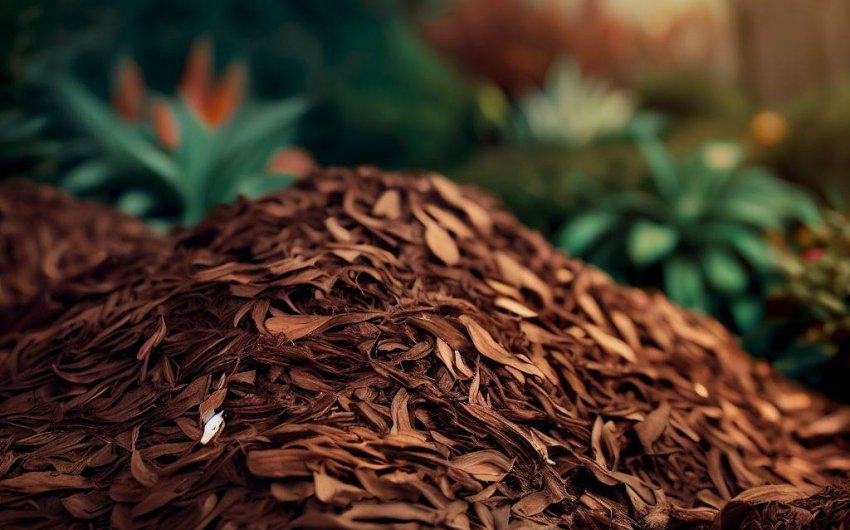
Composting offers immense benefits, transforming organic waste into nutrient-rich compost that significantly enhances soil health, plant growth, and environmental sustainability. When this finished compost is used as an organic mulch, it simultaneously conserves soil moisture, suppresses weeds, regulates soil temperature, and provides a slow-release supply of vital nutrients to garden plants.
What is composting and how does it create organic mulches?
Composting is a natural process where organic materials decompose under controlled conditions to create a dark, crumbly, earthy-smelling substance called compost or humus. This transformation is driven by microorganisms (bacteria, fungi) that break down kitchen scraps, yard waste, and other plant-based materials. When this finished compost is then spread over the soil surface, it functions as an organic mulch, providing multiple benefits.
What are the main components of a compost pile?
A successful compost pile relies on a balanced mix of "greens" and "browns," along with moisture and air.
- Greens (Nitrogen-rich): Fresh plant material, grass clippings, fruit and vegetable scraps, coffee grounds. These provide nitrogen for microbial growth.
- Browns (Carbon-rich): Dry leaves, shredded paper/cardboard, straw, wood chips, twigs. These provide carbon as an energy source for microbes and add bulk.
- Water: Keeps the microorganisms active, like a wrung-out sponge.
- Air: Essential for aerobic decomposition, preventing foul odors.
What are the significant benefits of composting for overall garden health?
Composting is foundational to organic gardening, offering a cascade of benefits that improve soil, nourish plants, and create a more resilient and sustainable garden ecosystem.
How does compost improve soil structure?
Compost has a profound positive impact on soil structure, making it more hospitable for plant roots and beneficial organisms.
- For clay soils: Compost acts as a "glue," binding small clay particles together to form larger aggregates. This increases pore space, which improves drainage and aeration, making heavy clay soils lighter and easier to work.
- For sandy soils: Compost's spongy texture significantly improves the water-holding capacity of sandy soils, preventing nutrients and moisture from leaching out too quickly. It also helps sandy soils clump together better.
- Reduces compaction: The improved structure makes soil less prone to compaction, allowing roots to penetrate more easily.
How does compost enrich soil with vital nutrients?
Compost is a slow-release, nutrient-rich powerhouse. It contains a diverse array of essential plant nutrients, both macronutrients (like nitrogen, phosphorus, and potassium) and micronutrients (like iron, manganese, zinc, and copper).
- Natural fertilizer: As microorganisms continue to break down organic matter, they gradually release these nutrients into plant-available forms, providing a steady, gentle supply without the risk of burning plants.
- Reduces reliance on synthetic fertilizers: Long-term use of compost can significantly reduce or eliminate the need for chemical fertilizers.
How does compost boost beneficial microbial activity?
Compost is teeming with a vibrant community of beneficial microorganisms, including bacteria, fungi, protozoa, and nematodes. When added to garden soil, these microbes:
- Enhance nutrient cycling: Actively convert nutrients into forms that plants can readily absorb.
- Suppress plant diseases: Many beneficial microbes compete with or actively inhibit harmful soil-borne pathogens, contributing to disease suppression.
- Improve root growth: Some microbes form symbiotic relationships with plant roots, enhancing their ability to take up nutrients and water.
What other benefits does composting offer?
- Balances soil pH: Finished compost generally has a near-neutral pH (around 6.5-7.5), which helps to buffer extreme soil pH levels (both highly acidic and highly alkaline soils), bringing them closer to the ideal range for most plants.
- Enhances water retention: Its sponge-like texture allows soil to hold more moisture, making your garden more resilient during dry spells and reducing your need for irrigation.
- Reduces waste: Composting diverts kitchen scraps and yard waste from landfills, significantly reducing your household's contribution to waste and methane emissions.
How does organic mulch benefit your garden plants?
Organic mulch is a protective layer of organic material spread over the soil surface. When that organic mulch is nutrient-rich compost, the benefits for your garden plants are multiplied.
How does organic mulch conserve soil moisture?
A layer of organic mulch significantly reduces water evaporation from the soil surface. By shielding the soil from direct sun and wind, it keeps the soil cooler and more hydrated. This means your plants need less frequent watering, conserving precious water resources and saving you time and effort. Using a soil moisture meter can help you see the difference.
How does organic mulch suppress weed growth?
A thick layer of organic mulch acts as a physical barrier that blocks sunlight from reaching weed seeds, preventing them from germinating. For any weed seeds that do manage to sprout, the mulch makes them easier to pull out because their roots don't penetrate as deeply into the soil. This drastically reduces weeding time.
How does organic mulch regulate soil temperature?
Organic mulch provides insulation for the soil, helping to regulate its temperature throughout the year.
- In summer: It keeps the soil cooler by shielding it from intense sun, protecting roots from overheating.
- In winter: It insulates the soil, protecting roots from extreme cold and minimizing damaging freeze-thaw cycles, which can cause frost heave.
What other benefits does organic mulch provide?
- Prevents soil erosion: A mulch layer protects the soil surface from the impact of heavy rain and wind, preventing erosion and keeping valuable topsoil in place.
- Reduces soil compaction: It cushions the soil from foot traffic and heavy rains, preventing compaction that can hinder root growth and water infiltration.
- Adds nutrients as it breaks down: As organic mulch slowly decomposes, it releases nutrients back into the soil, continuously enriching it. When using compost as mulch, this benefit is even more pronounced.
- Improves plant appearance: A uniform layer of mulch gives garden beds a tidy, finished look, highlighting your plants.
What types of organic mulches are best for your garden?
While finished compost is an excellent organic mulch, various other organic materials also offer benefits, and a combination can often be ideal.
What are popular organic mulches from yard waste?
- Shredded leaves: Excellent for retaining moisture and enriching soil as they decompose. They are often readily available and free. Shred them to prevent matting.
- Grass clippings: Good source of nitrogen. Apply in thin layers (no more than 1 inch at a time) to prevent matting and odor. Ensure they haven't been treated with herbicides.
- Wood chips/shredded bark: Long-lasting, good for weed suppression, and attractive. Decompose slowly, using some nitrogen from the soil initially, so ensure plants are well-fed. Many decorative landscape wood chips are available.
- Straw: Lightweight, good for vegetable gardens and around delicate plants. Excellent insulation and moisture retention. Ensure it's straw, not hay (which contains weed seeds).
What other organic mulches are commonly used?
- Pine needles: Slowly decompose, adding a slight acidity to the soil over time, making them ideal for acid-loving plants like blueberries and rhododendrons.
- Compost: As discussed, finished compost is an ideal mulch, providing nutrients, improving soil, and all the benefits of mulching.
- Composted manure: Well-aged, composted manure is rich in nutrients and organic matter, but ensure it's fully composted to avoid burning plants.
- Coco coir: A byproduct of coconuts, it retains water well and is lightweight. Available as coco coir blocks that expand with water.
How do you effectively apply compost as an organic mulch?
Applying compost as an organic mulch is a straightforward process, but a few key techniques ensure you get the maximum benefits without inadvertently harming your plants.
When is the best time to apply compost mulch?
The best time to apply compost as mulch is in spring, after the soil has warmed up but before weed seeds begin to actively germinate, or in fall, after most garden activity has ceased, to protect the soil over winter. You can also replenish mulch throughout the growing season as needed.
What are the steps for applying compost mulch?
- Prepare the area: Clear existing weeds from the area you plan to mulch. Ensure the soil beneath is moist (water if dry).
- Apply evenly: Spread a uniform layer of finished compost 2-4 inches thick over the soil surface.
- Keep away from stems/trunks: Crucially, leave a gap of several inches (2-6 inches depending on plant size) around the base of plant stems and tree trunks. Piling mulch directly against them can lead to rot, disease, and provide cover for pests.
- Extend to drip line: For trees and shrubs, extend the mulch out to the drip line (the edge of the canopy) to cover the entire root zone.
- Replenish: As compost slowly breaks down, its thickness will diminish. Replenish the layer annually or as needed to maintain the desired depth.
What are common mistakes to avoid when using organic mulches?
While mulching is largely beneficial, improper application can lead to problems that harm your plants and garden.
What are the most common mulching mistakes?
- Mulch volcanoes: Piling mulch high against the trunks of trees or stems of shrubs. This is a common and damaging mistake that can lead to:
- Bark rot: Constant moisture against the bark promotes decay.
- Pest infestation: Provides shelter for rodents and insects that can chew on bark.
- Adventitious roots: Encourages shallow, weak roots to grow into the mulch instead of the soil.
- Applying too thick: More than 4-6 inches of mulch can suffocate roots by blocking oxygen and retaining too much moisture, especially with dense materials.
- Applying too thin: A layer less than 2 inches thick won't effectively suppress weeds or retain moisture.
- Using diseased materials: Incorporating diseased plant material into compost (and then using it as mulch) can spread pathogens.
- Using uncomposted materials: Fresh grass clippings or uncomposted wood chips used as a thick layer can tie up nitrogen in the soil as they decompose, starving plants.
- Applying to dry soil: Mulch acts as a barrier; if the soil is dry when applied, it will keep it dry. Always water before mulching.
Can organic mulches attract pests?
While generally beneficial, certain organic mulches can occasionally attract pests under specific conditions:
- Slugs and snails: Thrive in moist, cool conditions, so heavy mulch can provide good habitat. Use caution in areas prone to these pests.
- Rodents: Thick, matted mulch (especially around tree trunks) can provide cover for mice or voles, allowing them to chew on bark unnoticed. This is another reason to keep mulch away from trunks.
- Termites: While wood mulch can attract termites, they prefer to build nests in the soil, not typically in mulch itself. Keep wood mulch away from house foundations.
Composting offers foundational benefits for creating nutrient-rich, humus-like material that vastly improves soil structure, fertility, and microbial life. When this finished compost is then employed as an organic mulch, it brings a dual advantage: simultaneously protecting soil moisture, suppressing weeds, and regulating temperature while continuously feeding your plants with slow-release nutrients, cementing its role as an indispensable practice for any thriving garden.