
How to Grow Ferns Indoors with Low Light?
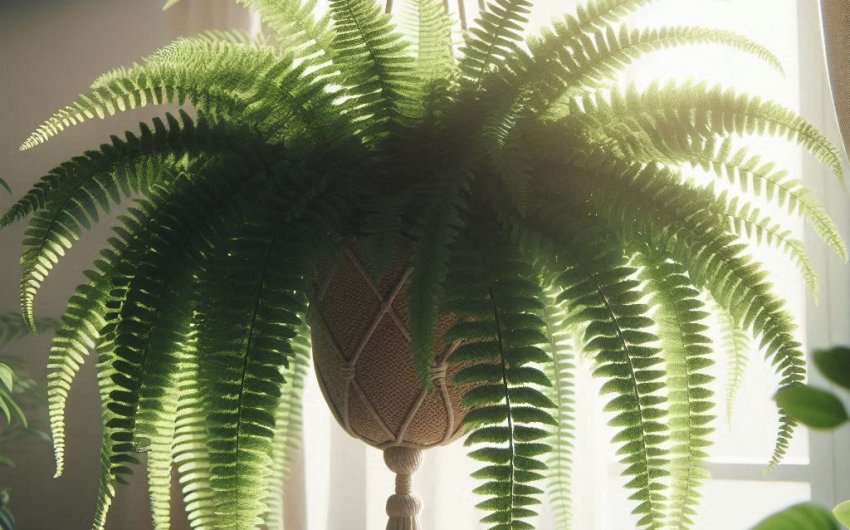
Ferns are some of the most captivating and lush indoor plants you can cultivate, especially in spaces that don't receive a lot of natural light. Known for their delicate fronds and natural elegance, ferns add a touch of greenery that can enhance any interior space. Fortunately, many fern varieties thrive in low light and require minimal maintenance. Here’s a comprehensive guide to growing ferns indoors with low light, ensuring that they remain healthy and vibrant year-round.
Why Choose Ferns for Low-Light Spaces?
Ferns are particularly well-suited for indoor environments where bright light may be lacking. Their natural habitat often includes the shaded forest floor, making them adept at surviving and flourishing in areas with limited sunlight. These plants also improve air quality by removing toxins and adding moisture to the air, making them ideal for indoor spaces such as offices and bathrooms.
Benefits of Growing Ferns Indoors
- Air purification: Ferns help filter and improve indoor air quality.
- Humidity control: They add moisture to the air, which is beneficial in dry environments.
- Aesthetic appeal: With their intricate fronds, ferns create a soothing and natural atmosphere.
Best Low-Light Fern Varieties for Indoor Growth
Not all ferns are created equal when it comes to thriving in low light. Choosing the right variety is crucial for success.
1. Boston Fern (Nephrolepis exaltata)
The Boston Fern is one of the most popular indoor ferns due to its tolerance for low light and ease of care. Its lush, arching fronds make it a favorite for hanging baskets and elevated planters.
Care Tip: Keep the Boston Fern in an area with indirect light and high humidity for the best growth.
2. Maidenhair Fern (Adiantum spp.)
Known for its delicate and lacy fronds, the Maidenhair Fern thrives in lower light conditions but needs consistent moisture.
Care Tip: Place the Maidenhair Fern near a humidifier or on a pebble tray to maintain its moisture levels.
3. Bird's Nest Fern (Asplenium nidus)
The Bird's Nest Fern has wide, leathery fronds that grow from a central rosette, making it an attractive option for low-light areas. This variety tolerates drier air better than other ferns.
Care Tip: Ensure that water does not collect in the center rosette to prevent rot.
4. Staghorn Fern (Platycerium spp.)
The Staghorn Fern has unique fronds that resemble antlers, giving it a striking appearance. It can grow well in low light as long as it receives occasional bright, indirect light.
Care Tip: Mount the Staghorn Fern on a wooden plaque for a natural display.
Setting Up the Perfect Environment for Indoor Ferns
Creating the right environment for your indoor ferns ensures they thrive even in low-light conditions. While ferns are forgiving, they still need a few specific conditions to maintain their lush appearance.
1. Light Requirements
While ferns can tolerate low light, it’s essential to provide some form of indirect light for optimal growth. Place your ferns in areas where they receive filtered or indirect light, such as near a north-facing window or a spot that gets diffused light through a sheer curtain.
Tip: If natural light is insufficient, consider using grow lights designed for low-light plants to supplement.
2. Temperature and Humidity
Ferns are native to tropical and subtropical environments, so they prefer temperatures between 60°F and 75°F (15°C to 24°C). They also thrive in high humidity, which can be a challenge indoors.
- Humidity levels: Maintain humidity levels around 50-70% for best results.
- Humidity solutions: Use a humidifier or place a tray filled with water and pebbles under the pot to increase humidity.
3. Potting and Soil Requirements
The right pot and soil can make a significant difference in the health of your ferns.
- Pots: Choose pots with drainage holes to prevent waterlogging.
- Soil: Use a potting mix that is rich in organic matter and has good drainage. Mixing peat moss with perlite can create the ideal environment for ferns.
Watering Your Indoor Ferns
Watering is one of the most crucial aspects of fern care, and it’s easy to get it wrong. Too little water can cause the leaves to dry out, while too much water can lead to root rot.
How to Water Ferns
- Consistent moisture: Keep the soil consistently moist but not soggy. Test the top inch of soil with your finger or use a moisture meter to determine if watering is needed.
- Watering schedule: Water more frequently in warmer months and reduce watering during the cooler months.
- Watering method: Use a watering can with a long spout to ensure water reaches the soil and doesn’t just wet the fronds.
Tip: Always use room-temperature water to avoid shocking the roots.
Fertilizing Indoor Ferns
Although ferns are not heavy feeders, they can benefit from occasional fertilization to promote growth and maintain their green color.
Choosing the Right Fertilizer
Use a balanced liquid fertilizer diluted to half-strength once a month during the growing season (spring and summer). Fertilize sparingly in the fall and winter months when growth slows down.
How to Apply Fertilizer
- Dilute properly: Over-fertilizing can burn the roots and damage the plant, so always dilute according to the manufacturer's instructions.
- Apply after watering: Fertilize only when the soil is moist to avoid root burn.
Pruning and Maintenance
Regular pruning and maintenance help keep ferns looking their best. Dead or damaged fronds not only look unattractive but can also hinder new growth.
Pruning Tips
- Use sharp scissors: Trim dead or yellowing fronds at the base using sharp pruning scissors.
- Avoid cutting healthy fronds: Only remove fronds that are fully brown or damaged.
Dusting and Cleaning
Dust can accumulate on the delicate fronds, blocking light and hindering growth. Gently clean the fronds with a soft plant duster or spray them with a light mist to remove dust.
Common Issues and Solutions
Ferns can be susceptible to certain problems, especially when grown indoors. Recognizing these issues early and addressing them can prevent further damage.
1. Brown Leaf Tips
Cause: Low humidity or inconsistent watering. Solution: Increase humidity with a humidifier and ensure you are watering consistently.
2. Yellowing Leaves
Cause: Overwatering or nutrient deficiencies. Solution: Check the soil with a moisture meter and adjust your watering routine. Fertilize with a diluted liquid fertilizer if necessary.
3. Wilting Fronds
Cause: Underwatering or exposure to direct sunlight. Solution: Move the fern to an area with indirect light and water thoroughly.
4. Pests
Ferns can occasionally attract pests like spider mites and mealybugs. If you notice pests, isolate the plant and treat it with insecticidal soap or neem oil.
Potting and Repotting Indoor Ferns
Ferns generally need repotting every 1-2 years or when they outgrow their containers. Repotting helps refresh the soil and gives the roots more space to expand.
When to Repot
- Signs of root-bound plants: If roots start to grow out of the drainage holes or the plant appears to be stunted, it’s time to repot.
- Spring: The best time to repot is in the spring when the plant is actively growing.
How to Repot
- Choose a new pot that is 1-2 inches larger in diameter than the current pot.
- Fill the bottom with a layer of potting soil mixed with perlite for drainage.
- Gently remove the fern from its current pot, being careful not to damage the roots.
- Place the fern in the new pot and fill in with soil around the roots.
- Water thoroughly and place in a spot with indirect light.
Tips for Growing Healthy Indoor Ferns in Low Light
1. Use Reflective Surfaces
Place a mirror or a light-colored wall near the fern to reflect available light and create a brighter environment.
2. Rotate Your Plant
Rotate your fern every few weeks to ensure that all sides receive an equal amount of light and grow evenly.
3. Group Plants Together
Grouping ferns with other indoor plants can create a microclimate that helps maintain higher humidity levels.
4. Use Pebble Trays
Place your fern pot on a tray filled with water and pebbles to naturally increase humidity as the water evaporates.
5. Avoid Drafts
Keep ferns away from vents, air conditioners, and drafty windows to maintain consistent temperature and humidity levels.
Creative Display Ideas for Indoor Ferns
Ferns can be more than just potted plants. Get creative with how you display them to add an artistic touch to your home.
1. Hanging Baskets
Use hanging baskets to suspend ferns from the ceiling or a shelf, allowing their fronds to cascade down.
2. Terrariums
Smaller fern varieties can be planted in glass terrariums to create a miniature jungle.
3. Wall Planters
Mount ferns on a vertical wall planter to create a living green wall.
4. Plant Stands
Elevate ferns using plant stands to add visual interest and make watering easier.
Essential Care Accessories for Indoor Ferns
Having the right tools and accessories can simplify fern care and keep your plants thriving.
1. Watering Can
A watering can with a long spout allows for precise watering.
2. Humidifier
Maintain optimal humidity with a humidifier to keep your ferns lush and healthy.
3. Pruning Shears
Keep a pair of pruning shears handy for trimming dead or damaged fronds.
4. Grow Lights
Supplement low light with grow lights to ensure your ferns receive enough illumination.
Ferns are adaptable and beautiful additions to any indoor space, even those with low light. With the right care and environment, they can thrive and add lush, green life to your home.