
How to Propagate Succulents in Water?
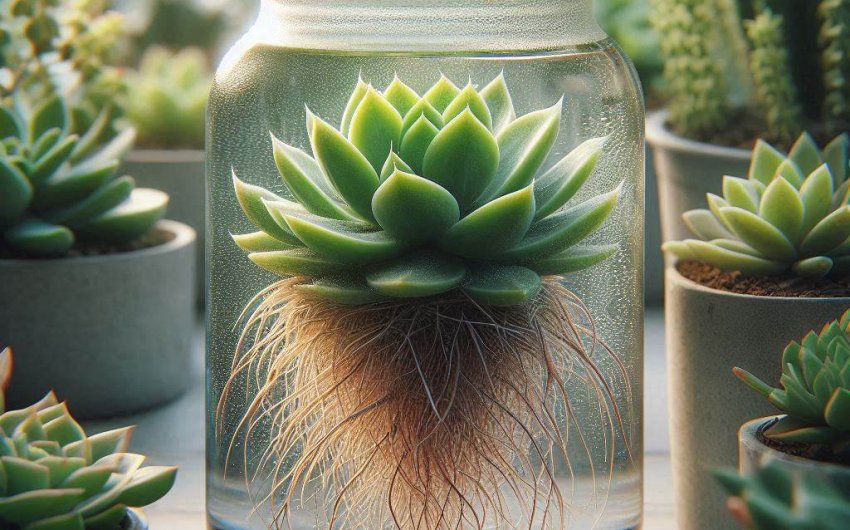
You can effectively propagate succulents in water by taking healthy cuttings, allowing them to callus, and then suspending their bases just above or in shallow water until roots emerge. While soil propagation is more traditional, water propagation offers a visible and often faster rooting process for many succulent varieties.
Why Propagate Succulents in Water?
While soil propagation is the classic method for succulents, water propagation has gained popularity due to its unique advantages. Understanding these benefits can help you decide if propagating succulents in water is the right approach for your next green project.
What are the Benefits of Water Propagation for Succulents?
- Visibility of Root Growth: This is the most compelling reason for many gardeners. You can directly observe the roots forming and growing, which is incredibly satisfying and helps you know exactly when to transfer to soil. This reduces the guesswork compared to buried cuttings.
- Potentially Faster Rooting: For some succulent varieties, rooting in water can be quicker than in soil, especially if environmental conditions (like humidity or warmth) are ideal.
- Reduced Risk of Rot (Counter-Intuitive, but True with Proper Technique): When done correctly (allowing callusing and only shallow water contact), water propagation can surprisingly reduce the initial risk of fungal rot compared to soil, where excess moisture can be hidden. The oxygen in the water (if fresh) can be more accessible.
- Easy to Maintain Moisture: No need to constantly check soil moisture. Just ensure the water level is consistent.
- Clean and Mess-Free: No soil means no mess on your countertops or tables, making it a clean indoor activity.
- Engaging for Beginners: The visual aspect and relative simplicity make it a fun and encouraging method for new succulent enthusiasts.
- Perfect for Long Stems: Ideal for leggy succulent stems that need a fresh start.
What Types of Succulents Propagate Well in Water?
While many succulents can be propagated by various methods, some types are particularly well-suited for propagating succulents in water. Knowing which varieties tend to succeed will improve your chances of success.
Succulent Varieties Ideal for Water Propagation
Succulents with thicker stems and larger leaves tend to do better with water propagation, as they have more stored moisture and a larger surface area for root development.
- Echeveria (Most Varieties):
- One of the most popular choices. Their rosette shape and sturdy leaves/stems take well to water rooting.
- Propagate from leaf cuttings (immerse just the very tip of the leaf base) or stem cuttings (suspend the bottom of the stem).
- Sedum (Stonecrop, particularly thicker-stemmed varieties like 'Burrito' or 'Donkey's Tail'):
- Many Sedum varieties root quickly in water from stem cuttings.
- The cascading nature of some varieties makes them easy to take cuttings from.
- Crassula (Jade Plants, especially Crassula ovata and its cultivars):
- Jade plants are incredibly resilient and root very reliably from stem cuttings in water.
- Even leaf cuttings can work, though they might be slower.
- Kalanchoe (e.g., Kalanchoe tomentosa 'Panda Plant', Kalanchoe luciae 'Flapjack'):
- Stem cuttings from these varieties often root readily in water.
- Pachyphytum:
- Similar to Echeveria, their plump leaves and stems can root in water.
- Graptopetalum / Graptoveria:
- These hybrids and individual genera often share similar propagation success rates with Echeveria.
- String of Pearls (Senecio rowleyanus) and String of Bananas (Senecio radicans):
- While more delicate, long strands can be rooted in water. Lay a section of the stem on top of shallow water, ensuring some nodes are submerged.
- Hylotelephium (formerly some Sedums, e.g., 'Autumn Joy'):
- Sturdier perennial succulents often root well from stem cuttings.
Succulents to be Cautious With (or avoid) for Water Propagation:
- Very Thin-Leaved Succulents: These tend to rot more easily or dry out too quickly before rooting.
- Cacti: Generally not recommended for water propagation, as they are highly susceptible to rot.
- Very Sensitive or Delicate Varieties: Some unique succulents might simply prefer the traditional dry callusing and soil method.
If you're unsure, it's always worth trying a small cutting as an experiment. The visual feedback of water propagation makes it easy to see if a particular variety is responding well.
What Supplies Do You Need to Propagate Succulents in Water?
Gathering the right supplies before you start will make the process of propagating succulents in water smooth and enjoyable. You likely have many of these items around your house already.
Essential Tools and Materials
- Healthy Succulent Cuttings:
- Obtain these from a mature, healthy parent plant. Look for a clean stem or a plump, intact leaf.
- Sharp, Clean Pruning Shears or Knife:
- Crucial for clean cuts! A clean cut reduces the risk of infection and rot. Sterilize your tool with rubbing alcohol before each use. You can find small pruning shears.
- Small Glass Jars, Vases, or Test Tubes:
- Size: Choose clear glass containers that are narrow enough at the top to hold the succulent cutting upright, allowing only the very bottom to touch or hover just above the water.
- Transparency: Clear glass allows you to monitor water levels and root development easily.
- Examples: Shot glasses, spice jars, empty jam jars, narrow vases, or dedicated propagation tubes.
- Clean Water:
- Tap water is usually fine. If your tap water is heavily chlorinated, let it sit out for 24 hours to allow the chlorine to dissipate. Room temperature water is best.
- Well-Draining Potting Mix (for later transplanting):
- A specialized succulent and cactus potting mix is essential for when your rooted cuttings are ready to move to soil. This mix is usually gritty and sandy.
- Small Pots (for later transplanting):
- Choose pots with excellent drainage holes, slightly larger than the root ball of your new plant. Terracotta is often preferred as it wicks away excess moisture.
Optional Supplies:
- Rooting Hormone: While not strictly necessary for succulents, a dab of rooting hormone powder on the callused end can sometimes speed up the process, even for water propagation.
- Pebbles or Marbles: Can be placed in the bottom of wider jars to help stabilize the cutting, ensuring it doesn't fall into the water. Ensure they don't block the cut end.
- Grow Light: If you don't have sufficient natural light, a small grow light can help encourage root growth and prevent leggy new growth.
How Do You Prepare Succulent Cuttings for Water Propagation?
Proper preparation of your succulent cuttings is the most critical step to prevent rot and ensure successful rooting when propagating succulents in water. Patience during the callusing phase is non-negotiable.
Step-by-Step Cutting Preparation
- Choose Healthy Cuttings:
- Select a healthy, mature stem or leaf from a vibrant parent plant. Avoid any parts that look diseased, damaged, or mushy.
- Stem Cuttings: Cut a section of stem about 2-4 inches long. If the stem has leaves attached, gently remove the bottom 1-2 inches of leaves to expose the bare stem. This is where roots will form.
- Leaf Cuttings: Gently twist or snap off a whole, plump leaf from the stem. Ensure the entire base of the leaf, including the little "callus point" where it joined the stem, is intact. If it tears, it won't root.
- Make Clean Cuts:
- Use sharp, clean pruning shears or a knife to make a crisp cut. Ragged edges are more prone to rot.
- Sterilize your tool with rubbing alcohol before each cut to prevent spreading disease.
- The Essential Callusing Process:
- Do NOT put fresh succulent cuttings directly into water! This is the quickest way to cause rot.
- Method: Lay the cuttings in a dry, well-ventilated area away from direct sunlight. A window sill (not too sunny), a counter, or a shallow tray works well.
- Purpose: The cut end needs to form a protective scab or "callus." This seals the wound, preventing water from entering and bacteria/fungi from causing rot.
- Duration: Callusing time varies based on succulent type, humidity, and temperature.
- Leaf Cuttings: 3-7 days.
- Stem Cuttings: 5-14 days (or even longer for very thick stems).
- Signs of Callusing: The cut end will appear dry, firm, and slightly hardened, sometimes with a slightly different color than the fresh cut. It should not be squishy or moist.
- Optional: Apply Rooting Hormone:
- Once the callus has formed, you can dip the callused end into a rooting hormone powder or gel. While not strictly necessary for succulents, it can sometimes encourage faster and more robust root development. You can find rooting hormone powder.
After proper callusing, your succulent cuttings are ready for their water propagation journey. This careful preparation vastly increases your chances of success.
How Do You Set Up Your Succulent Water Propagation System?
Once your succulent cuttings are callused, setting up the water propagation system correctly is crucial. The key is to ensure only the very base of the cutting is consistently exposed to water, not the entire stem.
Step-by-Step Setup for Water Propagation
- Choose the Right Container:
- Select small, clear glass containers (jars, vases, test tubes, narrow-necked bottles) that are appropriately sized for your cuttings.
- The opening should be narrow enough to support the cutting, or you can use a wider jar and create support.
- Prepare the Water:
- Fill the chosen container with clean, room-temperature water.
- If your tap water is highly chlorinated, let it sit out for 24 hours to allow the chlorine to dissipate.
- Position the Cutting(s):
- Stem Cuttings: Suspend the callused end of the stem so that it is either:
- Just hovering above the water surface (touching the humidity from the water, but not submerged). This is often the safest method to prevent rot.
- Submerged in very shallow water (only the bottom 1/4 inch or less of the stem is in the water).
- Leaf Cuttings: Position the callused base of the leaf so it just touches the water or hovers just above it. You can use plastic wrap stretched over the jar opening with a small hole for the leaf, or small wire mesh.
- Support: If the jar opening is too wide, use a piece of plastic wrap with a hole cut for the stem, or small pebbles at the bottom of the jar (ensuring they don't block the cut end from accessing water) to hold the cutting upright.
- Stem Cuttings: Suspend the callused end of the stem so that it is either:
- Place in Ideal Location:
- Place your propagation setup in a spot that receives bright, indirect light.
- Avoid direct, intense sunlight, as this can overheat the water and potentially cook your cuttings or promote algae growth.
- Maintain a consistent room temperature (around 65-75°F / 18-24°C) as extreme cold or heat can hinder rooting.
- Maintain Water Levels and Freshness:
- Replenish Water: Check the water level daily and top it off as needed to ensure the base of the cutting remains in contact with or near the water.
- Change Water: Change the water completely every 3-5 days (or whenever it looks cloudy) to keep it fresh and oxygenated, preventing bacterial or fungal growth. This is a very important step!
With the system properly set up and maintained, your succulent cuttings will be in the optimal environment for forming roots as you embark on propagating succulents in water.
How Do You Care for Succulent Cuttings During Water Propagation?
Proper care during the rooting phase is vital for successful propagating succulents in water. Consistent monitoring and maintaining a clean environment will ensure healthy root development.
Ongoing Care for Rooting Succulents
- Monitor Water Level Daily:
- Succulents absorb water, and water evaporates. Check the water level every day.
- Ensure the base of your cutting remains consistently just above or slightly submerged in the water. Top off with fresh, room-temperature water as needed.
- Change Water Frequently:
- Replace all the water in your jar every 3-5 days, or sooner if you notice it becoming cloudy, murky, or if algae starts to form.
- Fresh water ensures good oxygenation, which is crucial for root development and prevents bacterial/fungal issues.
- Observe for Root Growth:
- Patience is key! Rooting time varies greatly depending on the succulent type, environmental conditions, and the health of the cutting.
- Timeline: Roots can appear anywhere from 1-2 weeks to several weeks or even a month or two.
- Appearance: Look for tiny white or light-colored nubs first, which will then grow into longer, fibrous roots.
- Leaves on Stem Cuttings: For stem cuttings, new small leaves might also emerge from the top of the stem while roots are forming.
- New Plantlets on Leaf Cuttings: For leaf cuttings, you might see tiny new succulent plantlets forming at the callused end, sometimes before or alongside the roots.
- Check for Signs of Rot:
- While water propagation reduces rot risk if callused properly, it's still possible.
- Signs of Rot: Mushy, black, or foul-smelling parts on the cutting or in the water.
- Action: If you see rot, immediately remove the cutting from the water. Cut off all rotted portions with a sterile blade, re-callus the cutting for several days (or a week), and then restart the propagation process with fresh water and a clean jar. You might need to discard the cutting if rot is extensive.
- Maintain Bright, Indirect Light:
- Continue to keep the propagation setup in a location with bright, indirect light. This encourages healthy root development without scorching the delicate cutting.
- If new growth appears leggy (stretched and pale), it's a sign of insufficient light.
By diligently following these care steps, you will successfully root your succulent cuttings, bringing you closer to the rewarding experience of propagating succulents in water.
How Do You Transplant Water-Rooted Succulents to Soil?
Once your succulent cuttings have developed a healthy root system in water, the transition to soil is the final critical step. This ensures your newly rooted plants can thrive long-term.
Step-by-Step Transplanting Process
- Know When to Transplant:
- Wait until the roots are at least 1 inch long (2.5 cm), or ideally, 2-3 inches long (5-7.5 cm) and have developed some branching.
- Roots that are too short may struggle to establish in soil. Roots that are excessively long can become tangled and break easily during transplanting.
- Prepare the Pot:
- Choose a small pot, typically 2-4 inches in diameter, with excellent drainage holes. Terracotta pots are often preferred as they help prevent overwatering.
- Fill the pot with a specialized well-draining succulent and cactus potting mix. This mix is crucial for preventing root rot in soil. You can find succulent and cactus potting mix.
- Create a Planting Hole:
- Use your finger or a small stick to create a small depression or hole in the center of the potting mix, large enough to accommodate the roots without bending or breaking them.
- Carefully Transplant:
- Gently remove the rooted succulent cutting from the water. Be extremely careful not to damage the delicate new roots.
- Carefully lower the cutting into the prepared hole. Ensure all roots are positioned downwards and spread out as naturally as possible.
- Backfill around the roots with more potting mix, gently firming it down to secure the plant. The base of the stem (or the entire leaf base, for leaf cuttings) should be at soil level.
- Initial Watering (The "Dry" Period):
- Do NOT water immediately after transplanting. This is a common mistake and can lead to rot as the roots are still adjusting from water to soil.
- Allow the newly transplanted succulent to sit in its dry soil for 3-7 days. This gives any minor root damage a chance to heal and encourages the water roots to start seeking moisture in the soil.
- First Watering in Soil:
- After the initial dry period, water your newly potted succulent thoroughly until water drains from the bottom.
- Post-Transplant Care:
- Light: Place the potted succulent in bright, indirect light for the first 1-2 weeks as it adjusts. Gradually introduce it to stronger light.
- Watering Routine: Allow the soil to dry out completely between waterings. Use the "finger test" – stick your finger 1-2 inches deep; if it's dry, then water. Overwatering is still the biggest killer of succulents.
- Patience: It may take a week or two for the plant to fully acclimate to its new soil environment. Don't be alarmed by slight wilting initially.
This careful transition ensures the success of your efforts in propagating succulents in water and leads to thriving new plants.