
How to Use Banana Peels as Fertilizer?
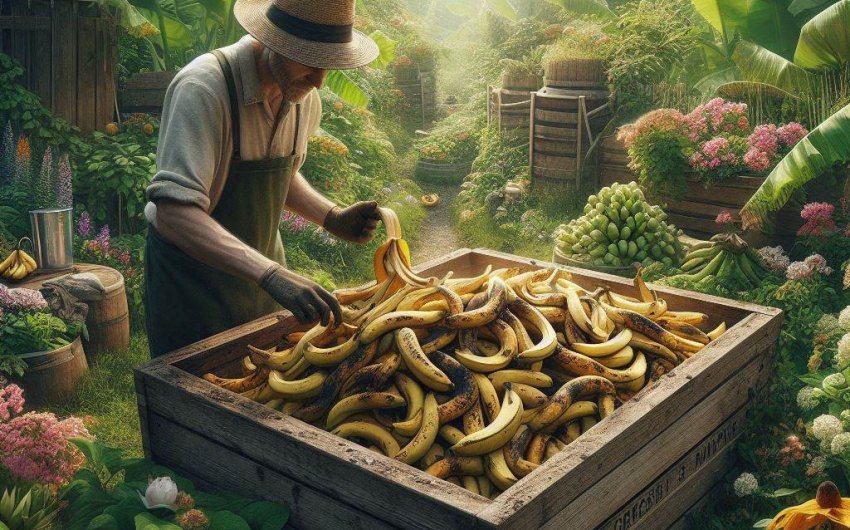
You can use banana peels as fertilizer by composting them, burying them directly in garden soil, making a banana peel tea, or drying and grinding them into a powder. These methods release valuable nutrients, particularly potassium, slowly into the soil, benefiting flowering and fruiting plants.
Why Are Banana Peels Good for Plants?
Banana peels are a fantastic natural fertilizer because they are rich in essential plant nutrients, especially potassium. While they contain small amounts of nitrogen and phosphorus, their real value lies in their high potassium content, making them particularly beneficial for certain stages of plant growth.
Key Nutrients in Banana Peels
- Potassium (K): This is the star nutrient in banana peels. Potassium is crucial for many plant functions, including:
- Flowering and Fruiting: It promotes stronger blooms and larger, healthier fruits and vegetables.
- Water Regulation: Helps plants absorb and retain water more efficiently, improving drought resistance.
- Disease Resistance: Strengthens cell walls, making plants more resilient to pests and diseases.
- Overall Plant Health: Supports photosynthesis and nutrient transport within the plant.
- Phosphorus (P): Present in smaller amounts, phosphorus is vital for:
- Root Development: Encourages strong, healthy root systems.
- Energy Transfer: Helps plants convert sunlight into usable energy.
- Seed and Flower Development: Supports the formation of seeds and flowers.
- Calcium (Ca): Though less abundant than potassium, calcium is important for:
- Cell Wall Structure: Contributes to strong plant cell walls.
- Overall Plant Strength: Helps prevent issues like blossom end rot in tomatoes and peppers.
- Magnesium (Mg): Also found in banana peels, magnesium is a key component of chlorophyll, meaning it's essential for:
- Photosynthesis: The process by which plants convert sunlight into energy.
- Vibrant Green Leaves: Helps maintain healthy green foliage.
- Trace Minerals: Banana peels also contain smaller amounts of other beneficial micronutrients like manganese, sodium, and sulfur, which contribute to overall plant health.
Benefits of Using Banana Peels as Fertilizer
- Natural and Organic: A chemical-free way to feed your plants, promoting sustainable gardening.
- Reduces Waste: Repurposes kitchen scraps, diverting them from landfills and turning them into a valuable resource.
- Slow-Release Nutrients: As they decompose, banana peels release nutrients gradually, providing a steady supply to your plants without the risk of "fertilizer burn" often associated with synthetic fertilizers.
- Attracts Beneficial Microbes: The organic matter in banana peels feeds soil microorganisms, which improve soil structure and nutrient availability.
- Cost-Effective: It's free! You're using something you'd otherwise discard.
What Plants Benefit Most from Banana Peel Fertilizer?
Given their high potassium content, banana peels are especially beneficial for plants that require a lot of potassium for flowering and fruiting. This makes them ideal for a wide variety of garden vegetables, fruits, and flowering plants.
Top Plants That Love Banana Peels
- Tomatoes: Excellent for promoting abundant, healthy fruit development and preventing blossom end rot (though calcium is the primary nutrient for BEP, general soil health from organic matter helps).
- Peppers: Similar to tomatoes, they benefit from the potassium boost for better yields.
- Roses: Encourages more vibrant and prolific blooms.
- Fruiting Shrubs: Blueberries, raspberries, and other berry plants can see improved fruit set and size.
- Flowering Annuals and Perennials: Petunias, marigolds, zinnias, impatiens, and many other flowers will produce more blossoms.
- Squash and Zucchini: Support the heavy demands of these prolific fruit producers.
- Root Vegetables: Carrots, potatoes, and other root crops can benefit from potassium for healthy root development.
- Houseplants (especially flowering ones): African violets, orchids, peace lilies, and other indoor bloomers can thrive with a potassium boost.
When to Use Banana Peels
Focus on applying banana peel fertilizer during periods of active flowering and fruiting. For example:
- At planting time: Bury pieces near young plants.
- During flowering: Side-dress established plants.
- When fruit is setting: Provide ongoing nutrient support.
While banana peels are great, remember they are not a complete, balanced fertilizer. They are best used as a supplement to a healthy soil regimen, possibly in conjunction with other organic amendments or a balanced fertilizer if your soil test indicates other deficiencies.
What Are the Different Ways to Use Banana Peels as Fertilizer?
There are several methods to turn your banana peels into valuable plant food, ranging from direct application to more refined preparations. The best method depends on your time, preference, and what you're fertilizing.
1. Direct Burial (Trenching or Chopping)
This is one of the simplest methods, great for garden beds and new plantings.
- Chopped Pieces: Chop fresh banana peels into small pieces (1/2 to 1 inch) to help them break down faster.
- How to Use:
- New Plantings: When planting new seedlings or plants, dig a hole, place a few chopped banana peel pieces at the bottom, cover with a thin layer of soil, and then plant your new addition.
- Established Plants: Dig a shallow trench or small holes (3-6 inches deep) around the drip line of an established plant (the outer edge of its leaves). Bury the chopped peels, then cover with soil.
- Benefits: Simple, no special equipment needed, slow-release nutrients.
- Drawbacks: Can attract pests if not buried deeply enough, decomposition takes time.
2. Composting Banana Peels
Composting is an excellent way to incorporate banana peels into a broader nutrient-rich amendment for your entire garden.
- Preparation: Simply add fresh or dried banana peels to your compost pile or bin. Chopping them up before adding will speed up decomposition.
- How to Use: Once the peels have fully broken down into finished compost, mix the compost into your garden beds, top-dress plants, or use it as a potting mix amendment.
- Benefits: Enhances overall soil health, provides a wide range of nutrients, less likely to attract pests.
- Drawbacks: Requires a compost system, takes longer for nutrients to become available.
3. Banana Peel Tea (Liquid Fertilizer)
Banana peel tea provides a fast-acting liquid nutrient boost, especially good for container plants and flowering plants.
- Method 1 (Soaking):
- Place 1-2 banana peels (fresh or dried) in a gallon jug or bucket.
- Fill with water.
- Let it sit for 24-48 hours (some gardeners let it steep for up to a week, but watch for odor).
- Strain out the peels and dilute the "tea" with an equal amount of fresh water before using.
- Method 2 (Boiling):
- Chop 1-2 banana peels.
- Boil them in a large pot with about 1 liter (4 cups) of water for 10-15 minutes.
- Let it cool completely.
- Strain out the peels.
- Dilute the concentrated tea (e.g., 1 part tea to 5-10 parts water) before applying.
- How to Use: Water your plants with the diluted banana peel tea. It can be used as a soil drench or a foliar spray (though use caution with foliar sprays, ensuring good air circulation to prevent fungal issues).
- Benefits: Fast nutrient delivery, good for houseplants and flowering plants, easy to apply.
- Drawbacks: Strong odor if steeped too long, requires more frequent application than solid methods.
4. Dried and Ground Banana Peel Powder
This method creates a convenient, storable, and relatively odorless fertilizer.
- Preparation:
- Clean: Rinse banana peels to remove any residue.
- Dry: Lay peels flat on a baking sheet. You can air dry them (takes several days), use a food dehydrator, or bake them in a very low oven (around 200°F / 90°C) until completely brittle (a few hours). Ensure they are totally dry to prevent mold.
- Grind: Once completely dry and crispy, break them into smaller pieces. Use a coffee grinder (dedicated for garden use), food processor, or even a mortar and pestle to grind them into a fine powder or small flakes.
- How to Use:
- Soil Amendment: Mix the powder directly into potting soil or garden beds before planting.
- Top Dressing: Sprinkle a small amount (e.g., 1 tablespoon per small plant, 1/4 cup for larger plants) around the base of established plants and gently scratch it into the topsoil. Water thoroughly after application.
- Benefits: Odorless, easy to store, slow-release, less likely to attract pests, convenient.
- Drawbacks: Requires a drying process, some equipment needed for grinding.
5. Banana Peel Vinegar
This is a more advanced method, creating a potassium-rich liquid fertilizer with a slightly acidic pH.
- Preparation:
- Chop banana peels into small pieces.
- Place them in a glass jar and cover with water (tap water is fine, but dechlorinated is better).
- Add a tablespoon of sugar or molasses to kickstart fermentation.
- Cover the jar loosely with a cloth or coffee filter (to allow air exchange but keep pests out) and secure with a rubber band.
- Let it ferment in a dark, cool place for 2-4 weeks. You'll see bubbles, and it will develop a vinegary smell.
- Strain out the solids.
- How to Use: Dilute the banana peel vinegar with water (e.g., 1 part vinegar to 10-20 parts water) and use it to water your plants.
- Benefits: Nutrient-rich, adds beneficial microbes, slightly acidic pH can benefit some plants.
- Drawbacks: Longer preparation time, distinct smell, requires monitoring during fermentation.
Always use caution and good hygiene, especially with methods involving fermentation, to avoid unwanted odors or mold.
What Are the Important Considerations When Using Banana Peels as Fertilizer?
While banana peels are a fantastic organic amendment, there are a few important considerations to ensure you use them effectively and safely in your garden.
1. Pesticide Residue
Conventionally grown bananas are often sprayed with pesticides. While rinsing helps, some residue may remain.
- Solution: Whenever possible, use organic banana peels to minimize introducing unwanted chemicals into your soil. If organic peels aren't available, thorough rinsing is still recommended.
2. Pest Attraction
Fresh banana peels can attract pests like fruit flies, gnats, raccoons, and other animals, especially if not buried properly.
- Solution:
- Bury Deeply: If burying peels directly, ensure they are at least 3-6 inches deep, and completely covered by soil.
- Chop Small: Smaller pieces decompose faster, reducing the time they might attract pests.
- Use Dried/Powdered: Dried or ground banana peels are much less attractive to pests.
- Compost Correctly: Ensure your compost pile is balanced and actively composting, which generates heat and speeds decomposition, minimizing pest issues.
3. Decomposition Time
Banana peels, like all organic matter, need time to break down before their nutrients become fully available to plants.
- Consider Timing: Direct burial is a slower method. Banana peel tea offers quicker nutrient release. Plan your application method based on your plant's immediate needs.
- Chop for Speed: Always chop peels into smaller pieces to accelerate decomposition.
4. Not a Complete Fertilizer
Banana peels are rich in potassium but provide only limited amounts of nitrogen and phosphorus. They also lack some other essential micronutrients.
- Supplement, Don't Replace: Banana peels should be seen as a supplementary fertilizer, particularly for potassium-hungry plants, rather than a standalone, all-purpose fertilizer.
- Balanced Nutrition: For overall plant health, especially for heavy feeders, you may still need to incorporate other organic amendments (like compost) or a balanced organic fertilizer to ensure your plants receive all necessary nutrients. A Soil Test Kit can help you understand your soil's overall nutrient profile.
5. Odor
Some methods, particularly steeping banana peels for tea, can produce a strong, sometimes unpleasant odor.
- Mitigation:
- Keep steeping containers sealed (but burp regularly if fermentation is happening) or in a well-ventilated area.
- Use the tea relatively quickly.
- Dried and ground methods are largely odorless.
6. Application Rate
While organic fertilizers are generally gentler, it's still possible to overdo it, especially with concentrated solutions like tea.
- Dilution is Key: Always dilute banana peel tea before applying it to plants.
- Moderate Amounts: Don't overload your garden with too many peels. A few per plant or a regular addition to your compost is sufficient. Observe your plants and adjust as needed.
By being mindful of these considerations, you can successfully integrate banana peels into your organic gardening routine, providing a natural and sustainable boost to your flowering and fruiting plants.