
How to Grow Lemongrass for Mosquito Repellent?
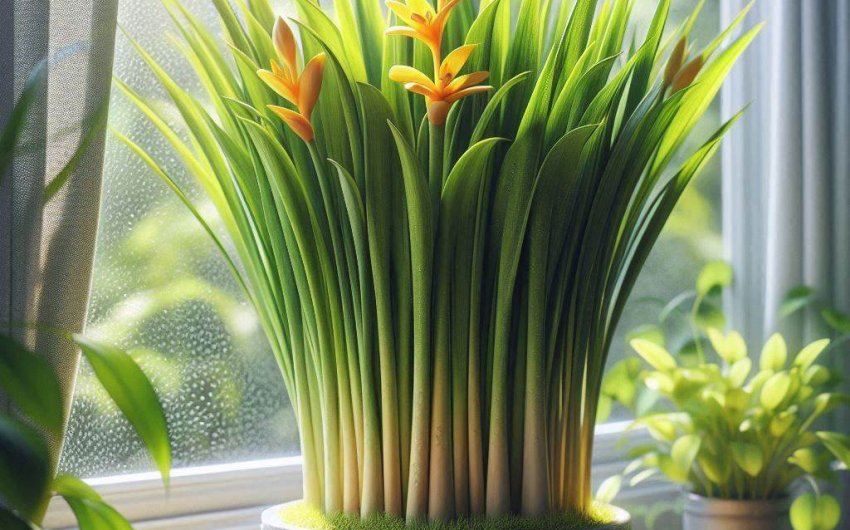
To grow lemongrass for mosquito repellent, select a sunny location with well-draining, rich soil and provide ample water. The key to its repellent properties lies in its natural oils, which are released when the leaves are bruised or crushed, offering a natural and aromatic deterrent against mosquitoes.
How Does Lemongrass Repel Mosquitoes?
Before diving into how to grow lemongrass for mosquito repellent, it's helpful to understand the science behind its effectiveness. Lemongrass isn't just a culinary herb; it's a natural powerhouse against biting insects, thanks to specific compounds it contains.
The Power of Citronella:
- Active Compound: The primary reason lemongrass is effective as a mosquito repellent is because it contains a high concentration of an essential oil called citronella.
- Citronella Grass: In fact, the citronella essential oil used in many commercial mosquito repellent products (like citronella candles and sprays) is actually derived from a specific species of lemongrass, Cymbopogon nardus or Cymbopogon winterianus, often referred to as Citronella Grass. The culinary lemongrass you commonly grow, Cymbopogon citratus, also contains citronella, though typically in slightly lower concentrations.
- Mechanism: Citronella works by masking the scents that mosquitoes use to locate their prey (like carbon dioxide and lactic acid from our breath and skin). It essentially confuses their olfactory receptors, making it harder for them to find you. It doesn't kill them, but it deters them from the immediate area.
How the Plant Releases the Repellent:
- Bruising/Crushing is Key: Unlike some repellent plants that release their scent simply by being present, lemongrass needs a little help. The citronella oil is stored within the plant's cells. To release the repellent properties, the leaves or stalks must be bruised, crushed, or rubbed.
- No Passive Repellent: Simply having a lemongrass plant sitting in your garden will offer very little mosquito protection on its own. You need to actively engage with the plant to release its aromatic compounds.
- Volatile Oils: Once released, citronella is a volatile oil, meaning it evaporates into the air, creating a scented barrier around you or the area.
Beyond Citronella: Other Benefits
- Pleasant Aroma: While mosquitoes hate it, most humans find the fresh, citrusy, lemon-like scent of lemongrass quite pleasant. This makes it a great natural alternative to synthetic repellents.
- Culinary Use: The same lemongrass you grow for mosquito repellent can also be used in your cooking, adding a delicious flavor to Asian-inspired dishes, teas, and soups. This dual functionality adds to its appeal.
Understanding that active release of citronella is necessary helps set realistic expectations for using lemongrass as a repellent and guides your strategies for how to grow lemongrass for mosquito repellent. It's a natural deterrent, but not a magical shield.
What are the Best Varieties of Lemongrass for Mosquito Repellent?
When you aim to grow lemongrass for mosquito repellent, it's helpful to know that there are different species, each with varying concentrations of the active repellent compound, citronella. While most commonly grown lemongrass contains citronella, some are more potent.
Here's a breakdown of the key types:
1. Culinary Lemongrass (Cymbopogon citratus)
- Description: This is the most common species grown for culinary purposes. It has wider, coarser blades and a distinctive swollen base (the "bulb" you use in cooking). It grows in dense clumps.
- Citronella Content: While primarily grown for its flavor, Cymbopogon citratus does contain citronella, as well as citral and geraniol, which also contribute to its mosquito-repelling properties. The concentration of citronella is generally lower than in dedicated "citronella grass" species.
- Pros for Repellent:
- Dual Purpose: You can use it for both cooking and mosquito repellent.
- Widely Available: Easy to find as plants, seeds, or even from grocery store stalks.
- Pleasant Aroma: Has a strong, fresh, lemony scent.
- Cons for Repellent: Might require more frequent bruising/crushing of leaves compared to other species to release sufficient repellent, due to lower citronella concentration.
- Overall: An excellent choice for the home gardener wanting a multi-functional plant.
2. Citronella Grass (Cymbopogon nardus or Cymbopogon winterianus)
- Description: This is the species from which the commercial citronella essential oil is primarily extracted. It typically has narrower, finer blades and forms a denser clump than culinary lemongrass. It may not have the distinct swollen bulb base that is prized for cooking.
- Citronella Content: Much higher concentration of citronella essential oil compared to Cymbopogon citratus.
- Pros for Repellent:
- More Potent Repellent: Designed specifically for its mosquito-repelling properties.
- Stronger Aroma: The scent, while still lemony, can be stronger and more reminiscent of a citronella candle.
- Cons for Repellent:
- Not Culinary: While technically non-toxic, it's not typically used for cooking due to its less appealing flavor profile and tougher texture compared to Cymbopogon citratus.
- Less Widely Available: You might need to seek out specialized nurseries or online suppliers for plants or seeds labeled specifically as "citronella grass" or Cymbopogon nardus/winterianus.
- Example: Citronella Grass Plant
3. Lemon Balm (Melissa officinalis)
- Description: While often confused due to its lemon scent, Lemon Balm is a member of the mint family, not true lemongrass. It has softer, rounded leaves and a sprawling growth habit.
- Citronella Content: Contains citral, citronellal, and geraniol, which are also found in lemongrass and contribute to its repellent properties.
- Pros for Repellent: Easy to grow, vigorous.
- Cons for Repellent: Can be invasive. Its repellent properties are generally milder than true lemongrass or citronella grass.
Which to Choose for Mosquito Repellent?
- For Dual Purpose (Culinary & Repellent): Go with Culinary Lemongrass (Cymbopogon citratus). It's versatile and readily available. You'll need to actively bruise the leaves.
- For Maximum Repellent Power: Seek out Citronella Grass (Cymbopogon nardus or Cymbopogon winterianus).
- A Mix: Many gardeners choose to plant both, utilizing the culinary lemongrass for cooking and casual rubbing, and reserving the citronella grass for more intense repellent needs.
Regardless of the variety, the principle remains the same: the leaves must be disturbed to release the compounds that help grow lemongrass for mosquito repellent.
How Do You Prepare the Site for Growing Lemongrass?
Proper site preparation is crucial for successfully learning how to grow lemongrass for mosquito repellent. Lemongrass thrives in conditions that mimic its tropical origins, so getting the light, soil, and drainage right is key.
1. Sunlight Requirements:
- Full Sun is Essential: Lemongrass is a sun-lover. For vigorous growth and the highest concentration of essential oils (which are key for its repellent properties), it needs at least 6-8 hours of direct sunlight per day.
- Warmth: It also thrives in warmth. A spot that receives consistent sunlight and possibly reflected heat (e.g., near a south-facing wall) is ideal.
- Avoid Shade: Inadequate sunlight will result in leggy, weak plants with less robust growth and potentially lower concentrations of repellent oils.
2. Soil Conditions:
- Well-Draining is Crucial: While lemongrass loves moisture, it absolutely despises soggy feet, which can lead to root rot. The soil must drain exceptionally well.
- Rich and Loamy: Lemongrass is a heavy feeder and prefers rich, fertile, loamy soil.
- pH Level: A slightly acidic to neutral soil pH (between 6.0 and 7.0) is generally ideal.
- Amend with Organic Matter:
- Compost: The best way to improve both drainage and fertility in most soils is to incorporate generous amounts of well-rotted compost into the planting area. Spread a 2-4 inch layer of compost over the soil surface and work it into the top 6-12 inches using a garden fork or tiller. Espoma Organic Garden Compost
- Aged Manure: Well-rotted manure also works wonderfully to enrich the soil.
- For Heavy Clay: Add compost and potentially some coarse sand or perlite to improve drainage.
- For Sandy Soil: Add lots of compost to improve water and nutrient retention.
3. Drainage Assessment:
- Test Drainage: If you're unsure about your soil's drainage, perform a quick test: dig a hole about 1 foot deep and 1 foot wide, fill it with water, and see how long it takes to drain. If it takes more than 1-2 hours, you need to amend heavily or consider alternatives.
- Raised Beds: If your garden has heavy clay soil or persistently poor drainage, planting lemongrass in raised garden beds is an excellent solution. This allows you to create a custom, well-draining, and fertile soil mix. A sturdy Cedar Raised Garden Bed can make a huge difference.
4. Location Considerations for Repellent Use:
- Proximity to Seating Areas: When planting for mosquito repellent, strategically place lemongrass near your outdoor seating areas, patios, decks, or entryways. This ensures that when you brush against or bruise the leaves, the citronella scent is released where it's most needed.
- Containers: If you don't have ideal in-ground conditions, or you want movable repellent power, consider growing lemongrass in large containers (at least 5-gallon capacity). This allows you to place them exactly where you need them and bring them indoors for winter.
By carefully preparing your site, focusing on ample sunlight and rich, well-draining soil, you provide the optimal conditions for lemongrass to thrive, setting the stage for successfully learning how to grow lemongrass for mosquito repellent.
How Do You Plant Lemongrass?
Once your site is prepared, the actual planting of lemongrass is straightforward. You can start from seed, from a nursery plant, or even from a stalk purchased at the grocery store. This flexibility makes learning how to grow lemongrass for mosquito repellent quite accessible.
1. Starting from Seed (Longer Process):
- Timing: Start seeds indoors 4-6 weeks before your last expected frost date, or direct sow outdoors after all danger of frost has passed and soil temperatures have warmed to at least 65°F (18°C).
- Seed Starting Mix: Use a well-draining seed starting mix in small pots or seed trays. Espoma Organic Seed Starter Mix
- Sowing: Sow seeds thinly on the surface and lightly cover with a thin layer of mix, as they need light to germinate.
- Germination: Keep moist. Germination can be slow and sporadic (10-20 days).
- Transplanting: Once seedlings are 4-6 inches tall and robust, harden them off for a week (gradually expose to outdoor conditions) before transplanting outdoors.
2. Starting from a Nursery Plant (Easiest Method):
- Timing: Plant outdoors after all danger of frost has passed and night temperatures are consistently above 50°F (10°C). Lemongrass loves warmth.
- Prepare Hole: Dig a hole twice as wide as the plant's root ball and just as deep.
- Planting: Gently remove the plant from its container. If roots are circling, gently tease them apart. Place the plant in the hole so the top of the root ball is level with the surrounding soil.
- Backfill: Backfill with your prepared, amended soil, gently firming around the base.
- Water In: Water thoroughly immediately after planting.
3. Starting from a Grocery Store Stalk (Cost-Effective & Fun):
This is a popular and very effective way to start culinary lemongrass.
- Select Stalks: Choose fresh, plump lemongrass stalks from the grocery store. Look for ones with a healthy, intact base (the root end) and a bit of green top.
- Trim: Cut off any dried or mushy ends. You can trim the top green leaves back to about 4-6 inches.
- Place in Water: Put the bottom 1-2 inches of the stalks in a glass or jar filled with fresh water. Ensure the water covers the very bottom white part.
- Sunny Spot: Place the glass in a warm, sunny spot (e.g., a windowsill).
- Change Water: Change the water every day or two to prevent mold.
- Root Development: In 1-2 weeks, you should see small roots emerging from the base of the stalk. You might also see new green growth from the top.
- Planting: Once roots are about 1-2 inches long, plant the stalks in pots filled with well-draining potting mix, or directly into your prepared garden bed if outdoor conditions are suitable. Bury the white part of the stalk, leaving the green growth above ground.
- Water: Keep consistently moist after planting.
4. Planting in the Garden:
- Spacing: Plant lemongrass clumps about 2-3 feet (60-90 cm) apart, as they grow into large, bushy plants.
- Containers: If planting in containers, choose large pots (at least 5-gallon capacity, or 12-14 inches in diameter) per plant, as lemongrass has an extensive root system. Ensure containers have excellent drainage holes.
5. Initial Watering:
- After planting, ensure the soil remains consistently moist (but not waterlogged) for the first few weeks to help the lemongrass establish its root system.
By selecting your preferred starting method and providing the necessary warmth and moisture during establishment, you'll be well on your way to a thriving lemongrass patch, ready to fulfill its role in how to grow lemongrass for mosquito repellent.
How Do You Care for Lemongrass for Mosquito Repellent?
Caring for lemongrass, especially when you want it robust enough to act as a mosquito repellent, involves ensuring it has optimal conditions for vigorous growth and essential oil production. Consistent care is crucial for learning how to grow lemongrass for mosquito repellent effectively.
1. Watering: Ample and Consistent Moisture
- Heavy Drinkers: Lemongrass loves water, especially during hot weather and in sandy soils. It needs consistent moisture to grow vigorously.
- Deep Watering: Water deeply and regularly, ensuring the soil is thoroughly moistened.
- Avoid Soggy Soil: While it loves water, it also needs excellent drainage. Never let the plant sit in standing water, as this leads to root rot. Ensure containers have drainage holes and that in-ground beds drain well.
- Check Soil: Check the top 1-2 inches of soil. If it feels dry, it's time to water.
2. Fertilizing: Moderate to Heavy Feeders
- Nutrient Demands: Lemongrass is a relatively heavy feeder due to its fast growth rate.
- Regular Feeding:
- In-Ground: Top-dress with 1-2 inches of compost or aged manure around the base of the plant once or twice during the growing season (spring and mid-summer).
- Containers: Liquid feed container-grown lemongrass every 2-4 weeks during the active growing season (spring to fall) with a balanced liquid fertilizer, diluted to half strength. Miracle-Gro All Purpose Plant Food Liquid
- Avoid Over-Fertilizing: Too much fertilizer can lead to excessive leafy growth at the expense of oil production or can cause nutrient burn.
3. Sunlight: Maximize Sun Exposure
- Full Sun is Best: Reiterate the need for at least 6-8 hours of direct sunlight. The more sun, the healthier the plant and the better the essential oil production.
4. Pruning and Harvesting for Repellent:
- Encourage Bushiness: Regularly prune or harvest leaves to encourage the plant to produce more stalks and fuller growth. You can prune off outer leaves or entire stalks from the base as needed.
- Harvesting for Repellent: To release the citronella oil for mosquito repellent, simply break off a leaf blade, bruise it, and rub it on exposed skin or nearby surfaces. The leaves themselves will continue to grow.
- For Culinary Use: Harvest entire stalks by cutting them at the soil line, or just above the base if you want them to regrow.
5. Pest and Disease Management:
- Generally Pest-Resistant: Lemongrass is generally quite pest-resistant due to its strong aromatic oils.
- Watch for Rust: Occasionally, fungal rust disease can occur, especially in humid conditions. Ensure good air circulation. Remove affected leaves.
- Organic Control: If any pests appear, use organic methods like a strong blast of water or insecticidal soap. Avoid chemical pesticides if you intend to use the plant for repellent or culinary purposes.
6. Winter Care (Cold Climates):
- Not Frost Hardy: Lemongrass is a tropical plant and is not frost hardy. It will die back with the first hard frost.
- Overwintering:
- Bring Indoors: If growing in containers, bring them indoors before the first frost. Place in a sunny window and reduce watering.
- Dig Up: If growing in-ground, you can dig up clumps before frost, cut back foliage, and store the root ball in a cool, dark, frost-free location (e.g., garage or basement) in a pot with slightly damp soil. Replant in spring after danger of frost has passed.
- Treat as Annual: In very cold climates, many gardeners simply treat lemongrass as an annual, replanting new stalks or plants each spring.
By providing consistent water, adequate nutrients, and plenty of sun, you'll ensure your lemongrass is vigorous and full of those essential oils, making it an effective natural solution for how to grow lemongrass for mosquito repellent.
How Do You Use Lemongrass as a Mosquito Repellent?
Once you've mastered how to grow lemongrass for mosquito repellent, the final step is knowing how to effectively utilize its natural properties to keep those pesky insects at bay. The key is in activating and strategically deploying its citronella-rich aroma.
1. Direct Application (Rubbing Leaves):
- Most Effective: This is the simplest and most direct way to use lemongrass as a repellent on your skin.
- How To:
- Break off a fresh leaf blade from your lemongrass plant.
- Bruise or crush the leaf thoroughly by rubbing it between your fingers or hands. This breaks the plant cells and releases the essential oils.
- Rub the crushed leaf directly onto exposed skin (arms, legs, neck). Avoid eyes or open wounds.
- Frequency: Reapply every 30-60 minutes, or as needed, as the scent will dissipate.
- Caution: Some individuals may have skin sensitivity. Test a small area first, especially if you have sensitive skin.
2. Strategic Placement of Plants:
- Patios and Decks: Place large potted lemongrass plants around the perimeter of your patio, deck, or outdoor seating areas. This creates a natural scented barrier.
- Pathways and Entryways: Plant lemongrass along walkways leading to your home or near entry doors. Brushing against them releases scent as people pass.
- Container Groupings: Group several lemongrass plants together in containers to create a denser concentration of scent.
3. Using Cut Stalks or Bunches:
- Table Centerpieces: Cut fresh stalks or bunches of lemongrass, bruise them, and place them in vases or decorative containers as centerpieces on outdoor tables.
- Crush and Distribute: You can also lightly crush several stalks and place them strategically around your outdoor living space. The more surface area exposed, the more scent is released.
4. DIY Lemongrass Spray (for Larger Areas):
While not as concentrated as essential oils, you can make a simple spray for clothing or outdoor surfaces.
- Ingredients:
- Fresh lemongrass leaves/stalks (about 1-2 cups chopped)
- Water (2-4 cups)
- Rubbing alcohol or witch hazel (optional, helps with preservation and dispersion)
- Instructions:
- Chop lemongrass finely to maximize surface area.
- Bring water to a boil, then remove from heat. Add chopped lemongrass.
- Steep for several hours or overnight, allowing the water to cool completely.
- Strain the liquid thoroughly, pressing the lemongrass to extract as much liquid as possible.
- Mix the strained lemongrass liquid with an equal part of rubbing alcohol or witch hazel (optional, but recommended for stability).
- Pour into a clean spray bottle.
- Use: Spray on outdoor furniture, curtains, or around the perimeter of your seating area. Avoid spraying directly on delicate fabrics that might stain. Test on a small area first.
- Storage: Store in the refrigerator for up to 1-2 weeks.
5. Burning Dried Lemongrass (Use with Caution):
- Some people dry lemongrass leaves and burn them like incense or in a fire pit. This releases the essential oils into the smoke, acting as a repellent.
- Caution: Always exercise extreme caution when using fire. Ensure good ventilation. Never leave burning material unattended. This is best done in an outdoor fire pit or designated burner.
Realistic Expectations:
- Not a Force Field: Lemongrass, like other natural repellents, is not a 100% effective force field. It offers a degree of protection and deterrence, but won't eliminate all mosquitoes, especially in heavily infested areas.
- Active Release Needed: Remember, the key is to actively bruise or crush the leaves to release the essential oils. Simply having the plant present offers minimal protection.
- Complementary Strategy: Use lemongrass as part of an integrated mosquito management strategy that also includes eliminating standing water (breeding sites), using screens, and wearing protective clothing.
By understanding how to effectively activate and strategically use your homegrown lemongrass, you can enjoy a more comfortable outdoor experience, making the most of your efforts in how to grow lemongrass for mosquito repellent.