
Best Tips for Starting a Winter Vegetable Garden
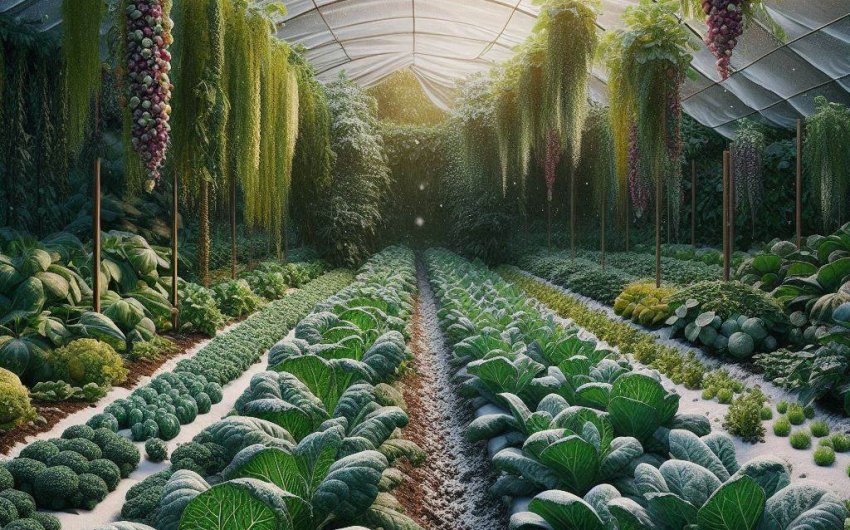
Starting a winter vegetable garden successfully requires strategic planning, focusing on cool-season crops, and providing adequate protection from cold temperatures. Key steps involve calculating fall planting dates, enriching soil, and utilizing season extension techniques to enjoy fresh produce even in colder months.
Why Grow a Winter Vegetable Garden?
The idea of a winter vegetable garden might sound daunting, especially if you live in a colder climate, but it offers a surprising array of benefits that extend your gardening season and provide fresh produce even when most other gardens are dormant. Discovering these advantages is one of the best tips for starting a winter vegetable garden.
1. Fresh Produce Year-Round
- Extended Harvest: The most obvious benefit is the ability to harvest fresh, nutritious vegetables well into the fall, winter, and even early spring. Imagine picking your own kale, spinach, or carrots in January!
- Superior Flavor: Many cool-season vegetables, especially leafy greens and root crops, actually develop a sweeter, more nuanced flavor after being exposed to a few frosts. The cold triggers the plant to convert starches into sugars, making them incredibly delicious.
- Reduced Grocery Bills: Growing your own food, even in winter, reduces your reliance on grocery stores and can significantly lower your food expenses, particularly for organic produce.
2. Enhanced Nutritional Value
- Peak Freshness: Vegetables harvested minutes before consumption retain more vitamins and nutrients than those that have traveled long distances and sat in storage.
- Variety in Diet: A winter garden can provide a diverse range of leafy greens and root vegetables, ensuring you maintain a varied and healthy diet even during months when fresh local produce is scarce.
3. Continuity in Gardening Enjoyment
- Beat the Winter Blues: For passionate gardeners, the end of the summer harvest can bring a sense of loss. A winter garden allows you to continue engaging with your plants, providing a therapeutic outdoor activity during the colder, darker months.
- Learning Opportunity: It's an excellent opportunity to learn new gardening techniques, especially around season extension and cold-hardy crops.
4. Improved Soil Health
- Living Roots: Keeping roots in the ground throughout the winter (even dormant ones) helps protect the soil structure from erosion and compaction caused by winter rains or snow.
- Nutrient Cycling: The roots of winter crops can continue to interact with soil microbes, keeping the soil ecosystem active.
- Ready for Spring: A winter garden can transition smoothly into spring planting, as the beds are already prepared and the soil is active.
5. Fewer Pests and Diseases
- Natural Pest Control: Colder temperatures naturally reduce pest activity. Many common summer garden pests (aphids, squash bugs, tomato hornworms) are inactive or absent during the winter, leading to fewer pest problems.
- Reduced Disease Pressure: Similarly, many common plant diseases (fungal blights, mildews) are less prevalent in cooler, drier winter conditions.
By embracing the unique opportunities a winter garden presents, you can unlock a season of fresh flavors, sustainable practices, and continued gardening joy, making it one of the best tips for starting a winter vegetable garden.
How Do You Choose the Right Location for a Winter Garden?
Selecting the ideal spot is one of the most critical best tips for starting a winter vegetable garden. Winter conditions, especially reduced sunlight and colder temperatures, mean that the perfect summer garden spot might not be optimal for winter crops.
1. Maximum Sunlight Exposure:
- Winter Sun is Weaker: In winter, the sun's angle is much lower, and daylight hours are shorter. What might be "full sun" in summer could become "partial shade" in winter.
- Seek South-Facing: The absolute best location is a south-facing spot that receives the maximum possible hours of direct sunlight. South-facing walls, fences, or even paved areas can reflect and retain heat, providing a microclimate beneficial for winter vegetables.
- Avoid Winter Shade: Look for anything that casts a long shadow in winter: tall buildings, evergreen trees, fences, or large sheds. These structures can block crucial low-angle winter sun.
- Observe Shadows: Spend a day or two in late fall/early winter observing how shadows fall across your garden. Mark the areas that receive the most uninterrupted sunlight throughout the day.
2. Protection from Cold and Wind:
- Shelter is Key: Winter vegetables, especially those grown without extensive protection, benefit greatly from sheltered locations.
- Natural Windbreaks: Walls, fences, evergreen hedges, or even the side of your house can act as natural windbreaks, protecting plants from harsh winter winds that cause desiccation and chill.
- Heat Retention: Hard surfaces like brick walls or pavement absorb solar radiation during the day and slowly release it at night, providing a slight warmth boost to nearby plants.
- Avoid Wind Tunnels: Steer clear of narrow passages between buildings where cold winds can funnel through and severely damage plants.
3. Good Drainage:
- Avoid Waterlogging: Winter typically brings more rain or snowmelt, and cold soil drains more slowly. Areas with poor drainage become waterlogged, leading to root rot, especially when plants are dormant or semi-dormant.
- Raised Beds: If your garden has heavy clay soil or poor drainage, raised garden beds are an excellent solution for a winter garden. They warm up faster in spring, drain better, and allow you to control the soil mix. A good sturdy raised bed like a Cedar Raised Garden Bed can make a huge difference.
- Soil Amendment: If gardening in-ground, ensure your soil is well-amended with organic matter to improve drainage.
4. Accessibility:
- Year-Round Access: Choose a spot that's easily accessible even when it's cold, wet, or snowy. You'll need to harvest, check on plants, and potentially adjust protection.
- Proximity to Home: A spot closer to your house can make quick harvesting trips more convenient and less of a chore.
By carefully evaluating these factors, you can select or create the perfect microclimate in your yard, significantly increasing your chances of success and maximizing the yield from your winter vegetable garden. This thoughtful site selection is a foundational piece among the best tips for starting a winter vegetable garden.
How Do You Prepare the Soil for Winter Vegetables?
Proper soil preparation is foundational for any successful garden, but it's especially critical for a winter vegetable garden. Cold, wet conditions can exacerbate existing soil problems, so providing an optimal root environment is one of the best tips for starting a winter vegetable garden.
1. Assess and Amend Existing Soil:
- Drainage Check: Winter gardens are prone to waterlogging due to increased precipitation and slower evaporation. Perform a drainage test: dig a 1-foot deep hole, fill with water, and see how long it takes to drain. If it takes more than 1-2 hours, your drainage needs significant improvement.
- Organic Matter is Key: This is the single most important amendment for winter gardens.
- Improves Drainage: For heavy clay soils, organic matter helps break up compaction, creating pore spaces for water to drain more efficiently and roots to breathe.
- Increases Water Retention: For sandy soils, organic matter acts like a sponge, helping to hold onto essential moisture and nutrients.
- Adds Nutrients: As it decomposes, organic matter slowly releases a steady supply of nutrients, crucial for plants that will be growing during colder, less active periods.
- Warms Soil: Dark-colored organic matter can also help absorb solar radiation, slightly warming the soil.
- Types of Organic Matter:
- Compost: Well-rotted compost is ideal. It's balanced and rich in beneficial microbes. Spread a 2-4 inch layer over your beds. You can buy good quality Organic Garden Compost.
- Aged Manure: Well-rotted cow, horse, or chicken manure provides nutrients and organic matter. Ensure it's fully aged to avoid burning plants.
- Leaf Mold: Decomposed leaves are excellent for improving soil structure and water retention.
- How to Incorporate: Work the organic matter into the top 6-12 inches of your existing soil using a garden fork or broadfork. Avoid heavy tilling, which can disrupt soil structure.
2. Consider Raised Beds:
- Superior Drainage: If you have persistently heavy, wet soil, raised garden beds are an exceptional solution for a winter garden. Their elevated nature ensures excellent drainage, preventing root rot.
- Warmer Soil: Raised beds warm up faster in spring and tend to stay slightly warmer than in-ground beds, giving your winter crops a slight advantage.
- Controlled Environment: You can fill raised beds with a custom, ideal soil mix.
- Filling Mix: Use a blend of good quality topsoil, compost, and possibly some perlite or coarse sand for extra drainage.
3. Nutrient Boost (Initial):
- While organic matter provides nutrients, a light application of a balanced, slow-release organic fertilizer at planting time can give your winter vegetables a good start, especially since nutrient cycling is slower in cold soil. Follow product instructions carefully. Espoma Garden-tone Organic Plant Food
4. pH Adjustment (If Necessary):
- Most winter vegetables prefer a slightly acidic to neutral pH (6.0-7.0). If your soil pH is outside this range, amend it accordingly. Add garden lime to raise pH (make it less acidic) or elemental sulfur to lower pH (make it more acidic). Always test your soil pH first.
By dedicating time to preparing rich, well-draining soil, you provide a robust foundation for your winter vegetables to thrive even in challenging conditions, making it a cornerstone among the best tips for starting a winter vegetable garden.
Which Vegetables Are Best for a Winter Garden?
Choosing the right crops is paramount for a successful winter vegetable garden. Not all vegetables can withstand cold temperatures; you need to select hardy varieties known for their tolerance to frost, cold soil, and shorter daylight hours. This careful selection is one of the best tips for starting a winter vegetable garden.
Here's a breakdown of the best vegetables for winter, categorized by their general cold tolerance:
I. Very Cold Hardy (Tolerate Hard Freezes, Down to 10-20°F / -12 to -7°C):
These vegetables can often survive uncovered in milder winter climates or with minimal protection in colder ones. Their flavor often improves with frost!
- Kale:
- Varieties: 'Winterbor', 'Red Russian', 'Lacinato' (Dinosaur).
- Notes: Extremely cold-tolerant. Leaves sweeten after frost. Can be harvested leaf by leaf.
- Collard Greens:
- Varieties: 'Vates', 'Georgia'.
- Notes: Very hardy, similar to kale.
- Spinach:
- Varieties: 'Tyee', 'Bloomsdale Long Standing'.
- Notes: Excellent for overwintering, provides early spring harvest. Can handle snow.
- Arugula:
- Varieties: Standard varieties often do well.
- Notes: Becomes sweeter in cold. Can self-seed.
- Mache (Corn Salad):
- Varieties: Standard varieties.
- Notes: Exceptionally cold hardy, grows well even in very cool temperatures. Has a mild, nutty flavor.
- Parsnips:
- Notes: Flavor significantly improves after a few hard frosts. Can be left in the ground all winter and harvested as needed.
- Carrots:
- Varieties: 'Danvers', 'Nantes', 'Chantenay'.
- Notes: Like parsnips, become sweeter after frost. Can be left in ground, mulched, and harvested as needed.
- Leeks:
- Notes: Very cold hardy. Can be left in the ground and harvested even through snow.
- Brussels Sprouts:
- Notes: Flavor develops best after a good frost. Long growing season, so plant early.
- Broccoli Raab (Rapini):
- Notes: More cold-tolerant than regular broccoli.
- Claytonia (Miner's Lettuce):
- Notes: Native to North America, incredibly cold hardy, self-seeds. Mild flavor.
II. Moderately Cold Hardy (Tolerate Light Freezes, Down to 25-30°F / -4 to -1°C, Benefit from Protection):
These usually need protection (row covers, cold frames) to get through hard freezes but can survive well in cool conditions.
- Lettuce:
- Varieties: 'Winter Density', 'Rouge d'Hiver', 'Arctic King', many loose-leaf varieties.
- Notes: Some varieties are much more cold-tolerant. Loose-leaf types are generally better than head lettuce for winter.
- Swiss Chard:
- Varieties: 'Bright Lights', 'Fordhook Giant'.
- Notes: Can often survive light freezes and bounce back.
- Beet Greens:
- Notes: While the roots can be stored, the greens are tender and do well with protection.
- Cabbage:
- Varieties: 'Copenhagen Market', 'Winter King'.
- Notes: Some varieties are quite cold hardy, especially late-season types.
- Kohlrabi:
- Notes: Can tolerate light frost.
- Mustard Greens:
- Notes: Some varieties are quite cold-tolerant and grow quickly.
- Radishes:
- Notes: Fast-growing, good for quick winter harvests.
III. Root Vegetables for Overwintering (Left in Ground, Harvest as Needed):
These prefer cool soil for storage and become sweeter.
- Beets:
- Turnips:
- Potatoes (some hardy types):
- Rutabagas:
Important Considerations for Variety Selection:
- Days to Maturity (DTM): Choose varieties with shorter DTM for fall planting to ensure they reach maturity before the deep cold sets in. However, for overwintering, DTM is less critical as growth slows.
- Local Climate: Always research what grows best in your specific USDA Hardiness Zone and microclimate. Talk to local gardeners!
- Seed vs. Transplant: Many winter crops are best sown directly, but others benefit from starting as transplants indoors.
By focusing on these resilient and delicious crops, you significantly increase your chances of a successful winter vegetable garden, a cornerstone among the best tips for starting a winter vegetable garden.
How Do You Time Your Planting for a Winter Garden?
Timing your planting correctly is one of the most crucial, yet often overlooked, of the best tips for starting a winter vegetable garden. Unlike spring planting (where you plant after the last frost), fall and winter planting revolves around the first expected frost date and the slowdown of plant growth in shorter days.
1. Know Your First Frost Date:
- Crucial Information: Find out your average first fall frost date for your specific region. This information is typically available from local university extension offices, gardening websites, or by searching online (e.g., "first frost date [your city, state]").
- Hard vs. Light Frost: Understand the difference between a light frost (temperatures dip briefly below 32°F / 0°C) and a hard freeze (temperatures remain below 32°F / 0°C for several hours, usually below 28°F / -2°C). Your plant choices and protection methods will depend on this.
2. Calculate "Days to Maturity" (DTM) Backwards:
- Standard DTM on Seed Packets: Most seed packets list "Days to Maturity" (DTM) from the date of planting to harvest.
- Winter Slowdown Factor: Crucially, DTM estimates are for optimal summer growing conditions. In fall and winter, plant growth slows significantly due to shorter daylight hours and cooler temperatures. This means the actual time from planting to harvest will be much longer.
- Rule of Thumb: Add 10-14 days to the stated DTM for seeds planted in late summer/early fall.
- For Winter Harvest: For plants you want to harvest through winter, you'll need to plant them even earlier, ensuring they reach near-mature size before the coldest weather truly sets in and growth virtually stops.
- Backwards Calculation:
- Determine the desired harvest date (or the date you want plants to be mature).
- Subtract the DTM from the seed packet (plus the winter slowdown factor).
- This gives you your ideal planting date.
3. General Planting Windows:
| Goal | Planting Window | Example Crops |
|---|---|---|
| Late Fall Harvest (before hard freeze) | 8-10 weeks before your average first hard freeze. This is for crops you want to harvest before truly cold weather arrives. | Loose-leaf lettuce, spinach, radishes, cilantro, mustard greens, bok choy. |
| Winter Harvest (with protection) | 10-16 weeks before your average first hard freeze. This allows plants to reach a good size before growth slows drastically. | Kale, collards, Swiss chard, carrots (for storing in ground), leeks, Brussels sprouts. These will "hold" in the garden and provide periodic harvests. |
| Early Spring Harvest (overwintering) | 4-6 weeks before your average first hard freeze. These plants establish as small seedlings, overwinter, and then surge with growth in early spring for a very early harvest. | Spinach, mache, winter-hardy lettuce varieties, garlic (planted in fall for next summer's harvest), some hardy onions. |
4. Successive Planting:
- For greens and root crops, make small successive plantings every 2-3 weeks in late summer/early fall. This ensures a continuous harvest rather than one big flush, and if one planting fails, you have others.
5. Transplants for a Head Start:
- For crops with longer DTMs or those you want to mature earlier in the cold season, starting seeds indoors and then transplanting hardened-off seedlings can give them a crucial head start.
Accurate timing is challenging but rewarding. It helps prevent wasted effort and ensures your winter vegetable garden is a productive extension of your growing season, making it a pivotal component of the best tips for starting a winter vegetable garden.
What Season Extension Techniques are Best for a Winter Garden?
Successfully growing a winter vegetable garden, especially in colder climates, often hinges on utilizing season extension techniques. These methods create microclimates that protect plants from harsh temperatures, allowing them to continue growing or survive dormancy. Implementing these techniques is one of the best tips for starting a winter vegetable garden.
1. Mulching:
- Purpose: Insulates the soil, moderates soil temperature, suppresses weeds, and retains moisture. It's crucial for root vegetables overwintering in the ground.
- Materials: Straw, shredded leaves, wood chips (for paths, not directly on plants).
- Application: Apply a thick layer (4-12 inches, depending on severity of cold) around plants and over root crops in late fall, after the ground has frozen (to deter rodents). This protects roots from deep freezes and allows for easier harvest.
2. Row Covers (Floating Row Covers):
- Purpose: Provides a few degrees of frost protection (typically 2-10°F or 1-6°C), traps heat, and offers a physical barrier against pests. They are lightweight and allow light, air, and water to pass through.
- Materials: Lightweight spun-bonded polyester fabric. Look for various weights – heavier weights provide more protection. Floating Row Cover Fabric
- Application: Drape directly over plants (or support with hoops for taller plants) and secure the edges firmly with soil, rocks, or Fabric Garden Staples to trap heat.
- Benefits: Versatile, easy to deploy and remove. Great for leafy greens.
3. Cold Frames:
- Purpose: A bottomless box with a transparent, sloped lid (often glass or polycarbonate) that acts like a mini-greenhouse. Provides significant protection from cold, wind, and snow, often extending the season by several weeks or months.
- Materials: Wood, bricks, straw bales for the base; old windows, polycarbonate sheets, or clear plastic for the lid. Wooden Cold Frame Kit
- Application: Place over a garden bed. The sloped lid faces south to maximize sun absorption. Vent on warm, sunny days to prevent overheating.
- Benefits: More durable protection, excellent for overwintering tender greens or getting a very early start in spring.
4. Cloches and Wall-o-Waters:
- Cloches: Individual bell-shaped covers (glass or plastic) that protect single plants from frost. Garden Cloche Dome
- Wall-o-Waters: Teepee-shaped structures made of connected tubes that are filled with water. The water absorbs heat during the day and releases it slowly at night, providing significant frost protection for individual plants. Excellent for getting an extremely early start with tomatoes or peppers, or protecting tender winter greens. Wall-o-Water Plant Protectors
- Benefits: Targeted protection for individual plants.
5. Greenhouses and Hoop Houses:
- Purpose: Provide the most extensive protection, allowing for year-round growing in many climates.
- Types: Ranging from small hobby greenhouses to large commercial hoop houses. Small Walk-in Greenhouse
- Benefits: Offers complete control over the growing environment.
- Considerations: Higher upfront cost, requires ventilation, watering, and potentially heating.
6. Smart Site Selection (as mentioned previously):
- Utilizing south-facing walls, fences, or microclimates with natural windbreaks can act as a form of "passive" season extension, augmenting your other efforts.
By combining the right crop choices with one or more of these season extension techniques, you can effectively overcome the challenges of winter weather and enjoy a productive winter vegetable garden, a truly invaluable piece of the best tips for starting a winter vegetable garden.
How Do You Water and Fertilize a Winter Garden?
Watering and fertilizing a winter vegetable garden is distinctly different from summer gardening. Due to slower growth and colder temperatures, plants have reduced needs, and overdoing it can be detrimental. Understanding these nuanced practices is one of the best tips for starting a winter vegetable garden.
I. Watering in Winter: Less is More
- Reduced Need: Plants grow much slower, transpiration is less due to lower temperatures and humidity, and soil evaporation is minimal. Therefore, winter vegetables require significantly less water than summer crops.
- Check Before Watering: Never water on a schedule. Always check the soil moisture first. Stick your finger 2-3 inches deep into the soil. If it feels moist, don't water. Only water when the soil feels mostly dry.
- Avoid Overwatering: This is the most critical rule. Cold, waterlogged soil can quickly lead to root rot, especially when plant metabolism is slow. Overwatering is a common killer of winter gardens.
- Timing: Water only on mild, sunny days, preferably in the morning. This allows any surface moisture on leaves to dry before temperatures drop in the evening, reducing the risk of fungal diseases.
- Deep but Infrequent: When you do water, water deeply enough to reach the roots, but then allow the soil to dry out well before the next watering.
- Protection Impact: If your plants are under row covers or in cold frames, they will receive less natural rainfall, so you'll need to monitor moisture inside these structures more carefully.
II. Fertilizing in Winter: Light and Organic
- Slower Nutrient Uptake: In colder soil, microbial activity slows down, meaning organic fertilizers break down more slowly, and plants absorb nutrients less efficiently.
- Less Demand: Winter vegetables, especially leafy greens, generally have lower nutrient demands than heavy-feeding summer fruiting plants.
- Initial Boost is Key: The most important fertilization for a winter garden happens during soil preparation in the fall (as discussed previously), by incorporating ample compost and potentially a slow-release organic granular fertilizer.
- Supplemental Feeding (If Needed):
- Signs of Deficiency: Only consider supplemental feeding if your plants show clear signs of nutrient deficiency (e.g., pale, stunted growth) and temperatures are mild enough for the plant to actively grow.
- Liquid Feed (Diluted): Use a diluted liquid organic fertilizer, such as fish emulsion or seaweed extract. Dilute it to half or even quarter strength.
- Timing: Apply only on mild days when the soil isn't frozen, and preferably when plants are actively growing (e.g., during warmer spells).
- Frequency: Very sparingly, perhaps once a month at most, or as needed based on plant appearance.
- Avoid Chemical Fertilizers: These can easily burn plants if over-applied and don't contribute to long-term soil health. Their nutrients can also leach out quickly in sandy soil or in conditions where plants aren't actively absorbing.
III. Mulching (Important for Moisture Retention and Warmth)
- Benefits: A good layer of organic mulch (straw, shredded leaves) applied in late fall is beneficial for winter gardens.
- Moisture Conservation: It helps retain any moisture in the soil, preventing it from drying out too quickly on sunny, windy winter days.
- Temperature Moderation: Insulates the soil, protecting roots from extreme cold and preventing temperature swings.
- Weed Suppression: Reduces competition for water and nutrients from winter weeds.
- Application: Apply 4-6 inches (or more for root crops) of mulch around your plants once temperatures consistently drop and the ground might lightly freeze. For root crops you intend to harvest through winter, a deep mulch layer (8-12 inches) helps prevent the soil from freezing solid, allowing for easier digging.
By adopting a "less is more" approach to watering and prioritizing initial soil health over frequent feeding, you ensure your winter vegetable garden receives the appropriate care, promoting healthy growth and successful harvests even in the cold. This careful management is a cornerstone of the best tips for starting a winter vegetable garden.
How Do You Harvest from a Winter Garden?
Harvesting from a winter vegetable garden is a unique and satisfying experience, often yielding produce with enhanced flavor due to cold exposure. Knowing how and when to harvest ensures you maximize your yield and keep your plants healthy for continued production. These techniques are among the best tips for starting a winter vegetable garden.
1. Harvest on Mild Days:
- Optimal Timing: The best time to harvest winter vegetables is on a mild, sunny day when temperatures are above freezing. This prevents damage to frozen leaves and allows the plant cells to be less brittle.
- Mid-Day Harvest: If you have row covers or cold frames, harvest in the middle of the day. This gives the plants time to rehydrate and warm up before the evening chill.
- Avoid Freezing: Never harvest greens when they are frozen solid, as this will damage the cell structure and turn them mushy upon thawing. Wait until they have thawed naturally.
2. "Cut and Come Again" for Leafy Greens:
- Sustained Harvest: Many winter greens (kale, spinach, lettuce, arugula, mustard greens) are perfect for the "cut and come again" method. This encourages the plant to produce more leaves, providing a continuous harvest over weeks or even months.
- How to Do It:
- Using clean, sharp scissors or a knife, harvest the outer, mature leaves first.
- Leave the central growing point and at least 3-4 inner leaves intact. This allows the plant to continue photosynthesizing and producing new growth.
- Benefits: Maximizes yield from individual plants and prolongs your harvest season.
3. Root Crops: Harvest as Needed:
- Natural Storage: Many root vegetables (carrots, parsnips, leeks, beets, turnips) can be left in the ground all winter long in many climates. The cold soil acts as a natural refrigerator, and frosts can even enhance their sweetness.
- Mulch for Easy Access: Apply a thick layer of mulch over the root crops in late fall. This prevents the soil from freezing solid, allowing you to dig them up as needed throughout the winter.
- Dig Carefully: Use a digging fork to loosen the soil around them carefully to avoid damaging the roots.
- Harvest Before Severe Freezes: In extremely cold climates, or before a prolonged, very deep freeze, it's safer to harvest all root crops that aren't protected in deeply mulched beds and store them indoors (e.g., in a root cellar or cool pantry).
4. Brussels Sprouts:
- Bottom Up: Harvest sprouts from the bottom of the stalk first as they mature.
- Remove Leaves: You can remove yellowing lower leaves to encourage growth of sprouts further up the stalk.
- Terminal Bud: Some gardeners "top" the plant by removing the terminal bud (the growing tip) in late fall to encourage the remaining sprouts to swell.
5. Clean and Store:
- Rinse Gently: After harvesting, gently rinse your vegetables under cool water.
- Dry Thoroughly: Ensure leafy greens are thoroughly dried before storage to prevent spoilage. A salad spinner is excellent for this.
- Refrigerate: Store fresh harvests in breathable bags or containers in the crisper drawer of your refrigerator.
6. Monitor for Pest/Disease Post-Harvest:
- While winter typically has fewer pests, always inspect your harvested produce and the plants for any signs of lingering issues. Remove any affected leaves.
By adopting these harvesting strategies, you can enjoy a continuous supply of fresh, flavorful produce from your winter vegetable garden, a delightful reward for embracing the best tips for starting a winter vegetable garden.