
How to Grow Organic Cucumbers Vertically in Small Spaces?
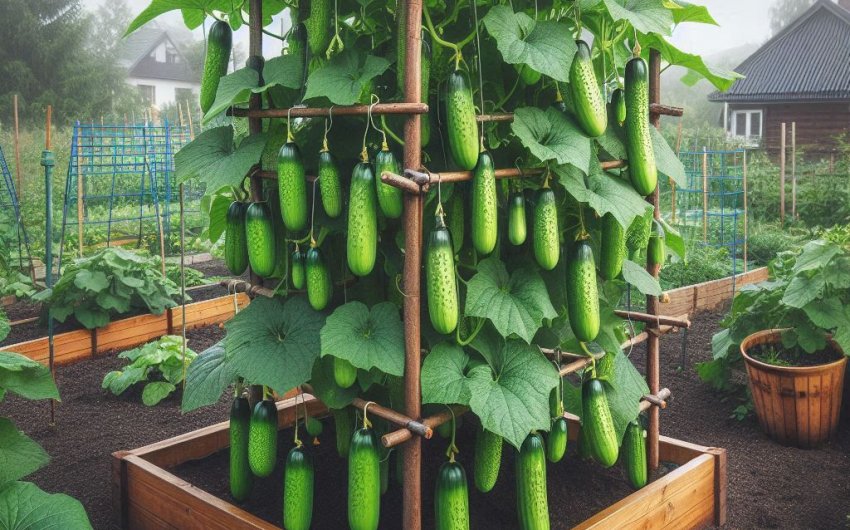
There's nothing quite like the crisp, refreshing taste of a homegrown cucumber, especially when it's fresh from your own organic garden. But if you're working with a small yard, a patio, or even a balcony, the sprawling vines of traditional cucumber plants can seem like a major obstacle. Good news! You can absolutely grow organic cucumbers vertically in small spaces, turning limited horizontal ground into abundant vertical harvests. This smart gardening technique not only saves space but also offers several benefits for healthier plants and easier harvests, all while sticking to your organic gardening principles. This guide will show you how to maximize your harvest, even in the tiniest of plots.
Why Go Vertical with Organic Cucumbers?
Growing cucumbers (and other vining plants) upwards offers surprising advantages beyond just saving space.
- Maximizes Space: This is the most obvious benefit. Instead of taking up square feet on the ground, your cucumbers use vertical air space.
- Healthier Plants:
- Improved Air Circulation: Lifting vines off the ground allows for better airflow around the leaves, which significantly reduces the risk of fungal diseases like powdery mildew, a common cucumber foe.
- Less Pest Pressure: Pests (like slugs) and soil-borne diseases have a harder time reaching plants when they are off the ground.
- Cleaner Fruit: Cucumbers growing off the ground stay clean and aren't susceptible to rot from sitting on damp soil.
- Easier Harvesting: No more bending and searching through dense foliage on the ground! Cucumbers hanging from a trellis are easy to spot and pick.
- More Attractive: A vertical wall of green foliage with hanging cucumbers can be a beautiful addition to any small space garden.
Step 1: Choosing the Right Organic Cucumber Variety
Not all cucumbers are created equal when it comes to vertical growing. You need varieties that are naturally vining and have good disease resistance for organic cultivation.
Ideal Organic Cucumber Varieties for Vertical Growing:
- Vining Varieties: Look for labels like "vining," "climbing," or simply without "bush" in their name. These naturally want to climb.
- Disease Resistance: This is crucial, especially for organic growers who avoid chemical fungicides. Look for varieties resistant to powdery mildew, downy mildew, and cucumber mosaic virus.
- Pickling vs. Slicing: Choose based on your culinary preference. Many varieties are good for both.
- Organic Seeds: Always start with certified organic cucumber seeds. This ensures your plants begin their lives without exposure to synthetic treatments. You can find excellent organic cucumber seeds from reputable suppliers.
Good Organic Vining Cucumber Choices:
- 'Marketmore 76': A reliable, popular slicing cucumber known for good disease resistance.
- 'Consistent': True to its name, a dependable producer of uniform slicing cucumbers.
- 'Armenian' (Yard Long Cucumber): Actually a melon, but used like a cucumber. Vining, very long, and often resistant to cucumber beetles.
- 'Burpee's Burpless': A classic burpless slicing type.
- 'Sweet Success' (Hybrid): A popular hybrid known for high yields and good disease resistance. If choosing hybrid, ensure it's organic hybrid seed.
Step 2: Selecting and Setting Up Your Vertical Support System
This is critical for success in growing cucumbers vertically. Install your support before planting.
Best Vertical Supports for Organic Cucumbers:
- Sturdy Trellises: The most common and effective choice. Look for something tall (at least 5-6 feet high, but 6-8 feet is better for vining types) and strong enough to hold the weight of mature vines and fruit.
- Materials: Wood, metal, or strong plastic mesh. A durable garden trellis can last many seasons.
- Placement: Place the trellis in your garden bed or container before planting your seeds or seedlings, ensuring it's firmly anchored.
- Cages: While often used for tomatoes, very tall, sturdy tomato cages (at least 5-6 feet) can work for some bushier vining cucumber varieties.
- Netting: Sturdy plastic or nylon cucumber netting strung between posts or frames.
- A-Frame Trellis: Excellent for small spaces as it provides two growing surfaces in a compact footprint. You can even grow bush beans on one side and cucumbers on the other.
- Walls/Fences: If you have a sturdy wall or fence, you can attach netting or wire for cucumbers to climb.
Important Considerations:
- Strength: Cucumber vines can get heavy, especially when loaded with fruit. Ensure your support is sturdy and well-anchored to withstand wind and the plant's weight.
- Height: The taller, the better for maximizing vertical space.
Step 3: Preparing the Soil for Organic Cucumbers (Heavy Feeders!)
Cucumbers are heavy feeders, meaning they need nutrient-rich soil to produce a bountiful harvest. They thrive in loose, well-drained soil with a slightly acidic to neutral pH (6.0-7.0).
The Foundation: Abundant Organic Matter
- Compost: Mix a generous amount of well-rotted organic compost into your planting area. Aim for 4-6 inches of compost mixed into the top 12-18 inches of soil (or into your container mix). Compost provides balanced, slow-release nutrients and is teeming with beneficial microbes. This is essential for robust organic cucumber growth. You can buy quality organic compost or easily make your own.
- Aged Manure: If available, incorporate well-rotted animal manure (aged at least 6-12 months). It's a fantastic nutrient source.
- Worm Castings: Add a few shovelfuls of organic worm castings to the planting hole or mix them into your bed. They provide gentle nutrients and boost microbial activity. You can find organic worm castings readily.
Soil pH Check:
A soil test is recommended. If your pH is outside the 6.0-7.0 range, you may need to adjust it.
- Too Acidic: Add dolomitic lime.
- Too Alkaline: Add elemental sulfur. Follow package directions carefully, as pH adjustments work slowly.
Step 4: Planting Your Organic Cucumbers
When to Plant:
- Cucumbers love warmth. Plant after all danger of frost has passed and soil temperatures are consistently above 60°F (15°C). Nighttime temperatures should also be consistently warm.
- You can start seeds indoors 3-4 weeks before your last frost date for an earlier harvest, but direct sowing is often preferred if your season is long enough, as cucumbers don't love root disturbance.
Planting Method:
- Direct Sow: Plant seeds 1 inch deep, 6-12 inches apart along the base of your trellis. Once they sprout, thin to 1 plant every 12 inches for maximum vertical production.
- Container Planting: For containers, plant 1-2 cucumber plants per 15-20 gallon pot, placing the vertical support directly in the pot.
Step 5: Training and Ongoing Care for Organic Cucumbers
Once planted, your cucumbers will need consistent care and training to climb effectively.
Training the Vines: Gently Guide Them Up!
- Early Guidance: Once vines are 6-12 inches long, gently guide them towards your trellis. Cucumbers have tendrils that will naturally grip.
- Tie as Needed: For heavier vines or if tendrils aren't gripping well, use soft ties (like strips of old pantyhose, twine, or soft plant ties) to loosely attach the main stem to the trellis every foot or so. A roll of soft plant ties is invaluable.
- Pruning (Optional): Some gardeners prune cucumber plants to encourage more fruit. You can trim off side shoots that don't produce flowers or fruit, or limit the number of main vines to improve air circulation.
Watering: Consistent Moisture is Non-Negotiable
This is incredibly important for organic cucumbers, especially when they're producing fruit. Inconsistent watering can lead to bitter fruit, misshapen fruit, or stressed plants prone to pests.
- Deep and Consistent: Water deeply and regularly, aiming for 1-2 inches of water per week (more in hot, dry weather). Ensure the water penetrates at least 6-8 inches deep.
- Avoid Overhead Watering: Watering the leaves encourages fungal diseases like powdery mildew. Use a drip irrigation system or soaker hoses to deliver water directly to the base of the plant.
- Mulch Heavily: A 2-4 inch layer of organic mulch (straw, shredded leaves, grass clippings) around your plants is essential. Mulch helps retain soil moisture, keeps roots cool, and suppresses weeds.
Fertilizing Organic Cucumbers with Natural Fertilizers
Cucumbers are heavy feeders and benefit from supplemental feeding throughout the season, even after initial soil preparation. Focus on natural fertilizers that release nutrients slowly.
- Compost (Ongoing): Top-dress around your cucumber plants with a few inches of organic compost every 4-6 weeks. Gently scratch it into the soil. This provides a balanced, slow-release feed.
- Alfalfa Meal: A fantastic, balanced organic fertilizer (around 2-1-2 NPK). It also contains natural growth hormones. Side-dress with 1/2 to 1 cup around each plant every 3-4 weeks once they start flowering. Gently scratch it in and water well.
- Fish Emulsion: A liquid organic fertilizer (often 5-1-1 NPK) that provides a quick nitrogen boost, along with other nutrients. Use diluted as a liquid feed every 2-3 weeks, especially when plants are young and when they start fruiting. Follow package directions for dilution.
- Worm Castings: Top-dress with a handful of worm castings around each plant for a gentle, continuous feed and microbial boost.
Step 6: Organic Pest and Disease Management for Cucumbers
Cucumbers can face a few common pest and disease challenges, but organic methods are highly effective, especially with vertical growing improving air circulation.
1. Cucumber Beetles: Major Threat
- Identification: Small (1/4 inch) beetles, either striped or spotted. They chew holes in leaves and can spread bacterial wilt (which causes plants to suddenly wilt and die).
- Organic Treatment:
- Row Covers: The most effective prevention. Cover young plants with a fine mesh floating row cover until they start to flower (then remove for pollination).
- Yellow Sticky Traps: Attract and trap adult beetles. Hang yellow sticky traps near plants.
- Hand-Picking: Inspect daily and pick off beetles.
- Companion Planting: Plant radishes as a trap crop, or tansy to deter them.
- Neem Oil: Can deter feeding.
2. Squash Bugs: Sap Suckers
- Identification: Flat, grayish-brown shield-shaped bugs found on leaves and stems. Lay clusters of shiny, reddish-brown eggs on undersides of leaves.
- Organic Treatment: Hand-picking adults, scraping off and destroying egg clusters, Neem oil for nymphs.
3. Aphids: Common Sap Suckers
- Identification: Small, soft-bodied insects clustering on new growth.
- Organic Treatment: Water blast, hand-squishing, attracting beneficial insects (ladybugs!), insecticidal soap, Neem oil. An organic insecticidal soap spray is effective.
4. Powdery Mildew: Fungal Disease
- Identification: White, powdery patches on leaves, especially in late summer.
- Organic Treatment:
- Prevention: Vertical growing greatly improves air circulation, reducing mildew. Choose resistant varieties. Avoid overhead watering.
- Neem Oil: Has fungicidal properties; can help prevent or slow spread.
- Baking Soda Spray: Mix 1 tablespoon baking soda, 1 tablespoon vegetable oil, and a few drops of mild liquid soap in a gallon of water. Spray infected leaves thoroughly.
Pollination Issues:
If your cucumbers are small and shriveling, it could be a pollination problem.
- Attract Pollinators: Ensure your garden attracts plenty of bees (plant bee-friendly flowers!).
- Hand Pollination: If needed, take a male flower (thin stem, no tiny fruit) and dab its pollen onto a female flower's sticky center (female flowers have a tiny cucumber at their base).
Step 7: Harvesting Organic Cucumbers
Once your plants are thriving, you'll be amazed at how quickly cucumbers grow!
- Harvest Often: Check your plants daily once they start producing. Cucumbers grow fast, and leaving large ones on the vine can reduce overall production.
- Size: Harvest when fruits are young and tender (size varies by variety).
- Use a Knife: Cut the stem cleanly rather than pulling, which can damage the vine.
Growing organic cucumbers vertically in small spaces is a brilliant strategy for maximizing your garden's potential. By providing strong support, building rich organic soil with natural fertilizers, giving consistent water, and implementing smart organic pest control, you'll enjoy an abundance of crisp, clean, and delicious cucumbers, even if you thought you didn't have enough room! Happy climbing and harvesting!