
How to Prevent Odors in Kitchen Compost Bins?
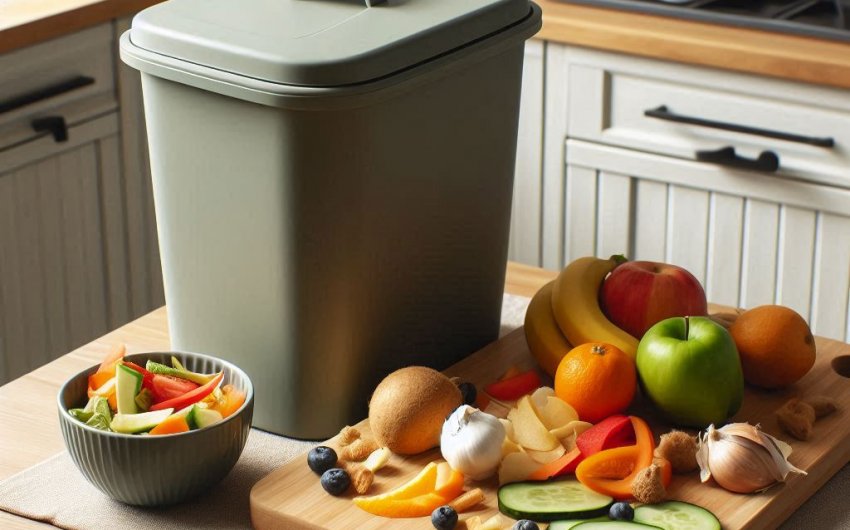
To prevent odors in kitchen compost bins, the most effective strategy is to manage moisture levels, ensure good airflow, and maintain a balanced mix of "greens" and "browns." A well-managed kitchen compost bin should not smell foul, making the composting process clean and convenient.
Why Do Kitchen Compost Bins Smell?
Understanding the root causes of unpleasant odors in your kitchen compost bin is the first step toward effective prevention. Odors typically signal an imbalance in the composting process.
Common Causes of Compost Bin Odors
- Anaerobic Decomposition: This is the primary culprit. When there's not enough oxygen in the bin, "bad" bacteria take over. These anaerobic microbes produce strong, foul-smelling gases like hydrogen sulfide (rotten eggs) and ammonia. This happens due to:
- Too much moisture: A soggy environment chokes out oxygen.
- Lack of airflow: The bin is too sealed, or materials are too compacted.
- Too many "greens": An excess of nitrogen-rich materials (like fruit and vegetable scraps) without enough carbon "browns" leads to rapid decomposition, often turning anaerobic.
- Presence of Unsuitable Materials: Certain items should never go into a kitchen compost bin meant for home composting, as they quickly rot and smell.
- Meat, bones, dairy products, and oily foods.
- Pet waste (can contain pathogens and strong odors).
- Infrequent Emptying: Allowing food scraps to sit too long, especially in warm conditions, simply gives them more time to break down and become smelly, even if conditions are otherwise good.
- Bin Design Flaws: Some bins might not be designed with adequate ventilation or have seals that aren't truly airtight, allowing smells to escape.
What is the Ideal Environment for Odor-Free Kitchen Composting?
An odor-free kitchen compost bin mimics the conditions of a healthy outdoor pile on a smaller scale. The goal is to encourage aerobic decomposition, which is largely odorless.
Key Factors for Odor Prevention
- Moisture Balance (Like a Wrung-Out Sponge):
- The compost materials should be consistently moist, but never soggy. Excess moisture leads to anaerobic conditions and smells.
- If your scraps are too wet, they'll create a bad smell.
- Good Airflow (Oxygen is King):
- Aerobic microbes need oxygen to thrive. Without it, the "bad" anaerobic microbes take over.
- This means selecting a bin with ventilation and possibly stirring contents.
- Balanced Carbon-to-Nitrogen (C:N) Ratio:
- This is the fundamental principle of composting. You need a good mix of "greens" (nitrogen-rich, like food scraps) and "browns" (carbon-rich, like dry leaves, shredded paper).
- Greens provide the fuel for rapid decomposition, while browns provide structure and prevent sliminess and strong odors.
- The ideal C:N ratio is around 25-30:1.
- Appropriate Temperature:
- While kitchen bins don't typically get as hot as outdoor piles, maintaining a consistent, moderate temperature (room temperature is fine) helps. Extreme heat can accelerate odor production if other conditions are off, and extreme cold can slow decomposition too much.
- Right Materials:
- Only add compostable items suitable for a kitchen bin. Excluding problem materials is a major step in odor prevention.
How Can You Choose the Best Kitchen Compost Bin to Prevent Odors?
The design of your kitchen compost bin plays a significant role in managing odors. Choosing the right type can set you up for success.
Features to Look for in an Odor-Preventing Bin
- Airtight Seal (with a Caveat):
- A tightly sealing lid is essential to contain any odors that do develop and to keep fruit flies out.
- However, true airtightness can sometimes hinder airflow. The best bins strike a balance.
- Look for a kitchen compost bin with a tight lid.
- Ventilation Holes (Aerobic Bins):
- Many successful bins incorporate small, strategic air holes or vents to allow oxygen in without letting odors out. This promotes aerobic decomposition.
- Some ceramic bins have a breathable ceramic lid or unglazed sections for this purpose.
- Charcoal Filters:
- Many modern kitchen compost bins come with a lid that contains a replaceable charcoal filter. These filters are excellent at absorbing odors before they can escape.
- Ensure the filters are readily available and replaced every 3-6 months, or when you notice smells returning. You can find compost bin charcoal filters.
- Material of the Bin:
- Stainless Steel: Durable, easy to clean, doesn't absorb odors, and often looks sleek. Many have charcoal filters. You can find a stainless steel kitchen compost bin.
- Ceramic/Crockery: Heavy, stable, and can be attractive. Many are designed to allow some airflow. Less prone to absorbing odors than plastic.
- Plastic: Affordable and lightweight. Choose sturdy, opaque plastic to block light (which can encourage mold growth) and ensure it has a good seal and/or filter. Avoid flimsy plastics that might retain odors over time.
- Bokashi Bins: These are different. They are designed to be airtight and ferment food scraps anaerobically. They usually have a spigot to drain "compost tea" (liquid). While they contain odors, the material inside smells very strong when exposed to air, so they're for pre-composting, not general countertop use.
Table: Common Kitchen Compost Bin Types for Odor Control
| Bin Type | Pros | Cons | Odor Control Features |
|---|---|---|---|
| Stainless Steel | Durable, stylish, easy to clean | Can be pricier | Tight lid, often includes charcoal filter |
| Ceramic/Crockery | Attractive, stable, breathable lids | Can be heavy, breakable, pricier | Breathable lid (some), tight seal |
| Plastic | Affordable, lightweight, many styles | Can absorb odors over time, less durable | Tight lid, often includes charcoal filter, varied ventilation |
| Bokashi | Digests all food scraps (even meat) | Odor when opened, requires specific bran | Airtight seal, designed for anaerobic fermentation |
How Can You Manage Materials to Eliminate Odors in Your Bin?
The type and balance of materials you add to your kitchen compost bin are critical in preventing unpleasant smells. This is where most odor problems originate and where simple habits make a huge difference.
Smart Material Management for Odor-Free Composting
- Master the Green-Brown Balance:
- "Greens" (Nitrogen-Rich): Food scraps (fruit and vegetable peels, coffee grounds, tea bags), fresh grass clippings (if you have them). These are moist and break down quickly, producing heat. Too many greens, especially wet ones, lead to anaerobic conditions and smell.
- "Browns" (Carbon-Rich): Dry leaves, shredded newspaper, paper towels, cardboard (torn into small pieces), sawdust (untreated), wood shavings. These add structure, absorb moisture, and provide carbon.
- The Golden Rule: Always add a layer of "browns" on top of "greens." This acts as a cover, absorbs moisture, and helps with odor. Aim for a 1:1 or 2:1 ratio of browns to greens by volume in your bin over time.
- Keep a Supply of Browns Handy: Store a small bag or container of shredded paper, dry leaves, or sawdust next to your compost bin for easy layering. You can shred cardboard with a paper shredder.
- Chop Up Larger Scraps:
- Smaller pieces break down faster. Cut large fruit rinds, vegetable stalks, and bread crusts into smaller chunks. This reduces the time they sit whole and potentially rot.
- Avoid Problematic Items:
- Meat, Fish, Bones, Dairy Products: These items decompose slowly, attract pests (flies, rodents), and create incredibly foul odors as they putrefy. Do NOT add these to your kitchen compost bin. They are generally only suitable for specialized, very hot outdoor composting systems or burial.
- Oils and Greases: They can turn rancid and create a greasy mess that repels beneficial microbes.
- Pet Waste: Risk of pathogens and very strong ammonia odors.
- Diseased Plant Material: Avoid adding if you suspect plant diseases, as they might spread.
- Drain Excess Moisture:
- If you're adding very wet items like watermelon rinds or juicy fruit, consider draining off excess liquid or patting them dry before adding them to the bin.
- Alternatively, immediately bury them under a thick layer of browns.
- Freeze Scraps (Optional):
- If you don't empty your bin frequently or have very odorous scraps (like onion peels), store them in a freezer bag or container in your freezer until collection day or until you're ready to transfer to your main compost pile. Freezing stops decomposition and odor production. You can find compost bags for freezing.
Table: Good and Bad Materials for Kitchen Compost Bins
| Good Materials (Greens) | Good Materials (Browns) | Avoid These Materials! |
|---|---|---|
| Fruit & vegetable scraps | Shredded newspaper/paper towels | Meat, fish, bones |
| Coffee grounds, tea bags | Cardboard (torn small) | Dairy products (milk, cheese, yogurt) |
| Eggshells (crushed) | Dry leaves | Oils, grease, fatty foods |
| Bread/pasta (small amounts, plain) | Sawdust (untreated) | Pet waste |
| Wilted flowers | Small wood shavings | Diseased plants |
What are the Best Practices for Maintaining an Odor-Free Compost Bin?
Consistent maintenance habits are key to keeping your kitchen compost bin smelling fresh. It's not just about what you put in, but how you manage it.
Regular Maintenance for Odor Prevention
- Empty Frequently:
- The most straightforward way to prevent odors is to empty your kitchen bin into your main outdoor compost pile or municipal composting service regularly.
- Aim for every 2-3 days, especially in warmer weather, or when the bin is full. Don't let scraps sit for weeks.
- Add Browns Every Time:
- Make it a habit to add a handful of shredded paper, dry leaves, or other "browns" every time you add "greens" (food scraps).
- This provides that essential carbon, absorbs moisture, and creates an immediate barrier against smells.
- Stir or Turn Contents (Optional but Helpful):
- If your bin allows, gently stir the contents every few days with a small spatula or spoon. This introduces oxygen and mixes the greens and browns, promoting aerobic decomposition.
- For bins with filters, you might not need to stir as much, but it still helps.
- Keep the Bin Clean:
- Every time you empty the bin, give it a quick rinse with warm, soapy water.
- For stainless steel or ceramic, a simple rinse is usually enough. For plastic, a wash with baking soda and water can help eliminate any lingering odors absorbed by the plastic.
- Ensure it's completely dry before adding new scraps to prevent a damp, smelly start.
- Replace Charcoal Filters:
- If your bin has a charcoal filter, replace it every 3-6 months, or sooner if you notice odors starting to escape. The charcoal loses its absorbent properties over time.
- Mark your calendar or set a reminder for filter changes.
- Location Matters:
- Keep your kitchen compost bin in a cool, dry place. Under the sink, on the counter away from direct sunlight, or in a pantry are good options.
- Avoid placing it near heat sources (like ovens or radiators) or in direct sunlight, which can accelerate decomposition and odor production.
- Consider a Larger Outdoor System:
- A kitchen bin is a temporary holding place. If you're serious about composting, invest in a robust outdoor compost bin or a compost tumbler for efficient breakdown of your collected kitchen scraps. The faster the main pile processes, the less time scraps sit in your kitchen.
What Are Natural Odor Absorbers You Can Add to Your Bin?
Even with the best practices, sometimes a little extra help is needed to ensure your kitchen compost bin stays completely odor-free. Natural absorbents can make a big difference.
Effective Natural Odor Fighters
These materials don't just mask odors; they absorb them or help balance the bin.
- Baking Soda:
- How to Use: Sprinkle a thin layer of baking soda over fresh scraps, especially if you're adding something potentially smelly like onion peels or citrus rinds.
- Benefit: Excellent at neutralizing odors and absorbing moisture. Use sparingly so it doesn't overly impact the pH of your eventual compost.
- Used Coffee Grounds:
- How to Use: Add a handful of fresh or used coffee grounds with each new batch of scraps.
- Benefit: They are highly absorbent, rich in nitrogen (balancing browns), and have a strong, pleasant odor that helps mask any less desirable smells. Many coffee shops give away used grounds for free.
- Shredded Newspaper/Cardboard:
- How to Use: This is your primary "brown" material. Always add a layer on top of your "greens."
- Benefit: Absorbs moisture and provides essential carbon. The dry paper acts as a physical barrier to smells.
- Sawdust (Untreated):
- How to Use: A small handful sprinkled over wet scraps.
- Benefit: Extremely absorbent and provides carbon. Ensure it's untreated wood only.
- Activated Charcoal (Compost Specific):
- How to Use: Some bins have built-in charcoal filters. You can also sprinkle a small amount of granular activated charcoal directly into the bin, though this can be messy.
- Benefit: Highly porous and effective at absorbing a wide range of odors. The filters are the most practical application for kitchen use.
- Citrus Peels:
- How to Use: While part of "greens," the strong aroma of citrus peels can temporarily mask other odors. Chop them into small pieces.
- Benefit: Aromatic, adds nitrogen. Be aware that large quantities of citrus can lower the pH of your compost over time, but in a kitchen bin it's usually negligible.
- Dried Herbs or Spices:
- How to Use: A sprinkle of dried herbs like lavender, mint, or cinnamon can add a pleasant scent.
- Benefit: Purely for masking odors, doesn't contribute significantly to the composting process.
By combining the right bin, smart material management, diligent maintenance, and the strategic use of natural odor absorbers, you can successfully prevent odors in kitchen compost bins, making your composting journey a fresh and enjoyable part of your daily routine.