
How to Fix a Compost Bin That’s Too Dry?
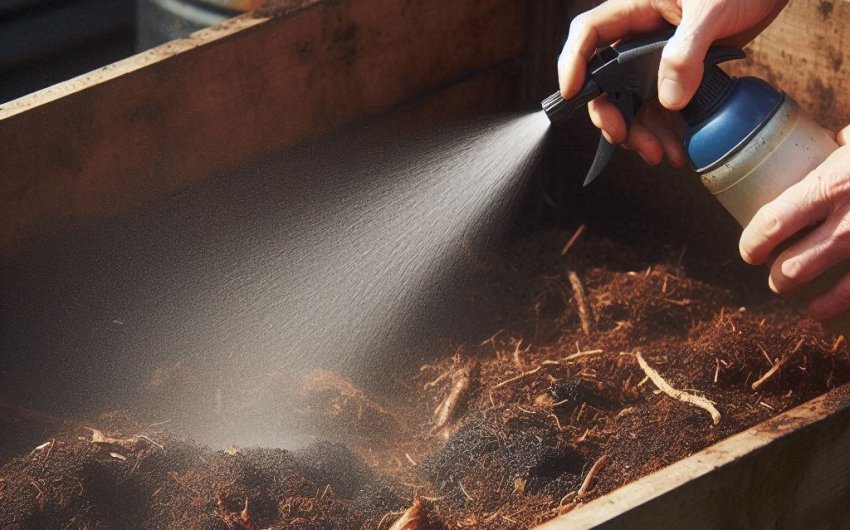
To fix a compost bin that's too dry, the most effective approach is to gradually add water while turning the pile, aiming for the moisture consistency of a wrung-out sponge. You'll also want to incorporate more "green" materials and improve moisture retention.
Why is a Dry Compost Bin a Problem?
A dry compost bin is a common issue for many composters, and it signals a slowdown, or even a complete halt, in the composting process. Understanding why moisture is so critical helps to appreciate the necessity of keeping your compost pile properly hydrated.
The Role of Moisture in Composting
Composting is a biological process driven by microscopic organisms like bacteria, fungi, and actinomycetes. These hardworking decomposers are responsible for breaking down organic materials into rich, dark compost. Like all living things, they need water to survive and thrive.
- Microbial Activity: Microbes require moisture to carry out their metabolic processes. They use water to transport nutrients, absorb food, and move around within the compost pile. Without sufficient water, their activity slows down dramatically or stops entirely.
- Decomposition: Water helps to soften organic materials, making them easier for microbes to break down. Dry materials are tough and resistant to decomposition. Think about how long a dry leaf lasts compared to a wet one.
- Temperature Regulation: While a hot compost pile needs oxygen, moisture also plays a role in regulating the internal temperature. Extremely dry piles won't heat up because microbial activity is limited.
Signs of a Dry Compost Bin
Identifying a dry compost bin is usually straightforward:
- No Heat: A healthy, active compost pile will generate heat. If you stick your hand into the center of the pile and feel no warmth, it's often a sign that the microbial activity has slowed due to lack of moisture (or oxygen).
- Slow or No Decomposition: Materials that were added weeks or months ago might still look largely unchanged. Decomposition will be extremely slow, or it might seem like nothing is happening at all.
- Dry, Crumbly Texture: The most obvious sign is the texture. If the materials feel dry, brittle, and crumbly when you squeeze a handful, or if they turn to dust, your pile is too dry.
- Lack of Odor (or a Dusty Smell): A healthy compost pile should have a pleasant, earthy smell. A dry pile might smell dusty or have no discernible odor at all. (Note: A bad smell usually indicates too much moisture and not enough oxygen).
Consequences of a Dry Compost Bin
- Stalled Composting: The primary problem is that the decomposition process grinds to a halt. Your materials won't break down into usable compost.
- Pest Issues: A dry, inactive pile can become a haven for pests that prefer undisturbed, dry environments, rather than the active, hot, and moist conditions of a healthy compost pile.
- Missed Opportunity: You're missing out on creating valuable organic matter for your garden.
Fixing a dry compost bin isn't just about adding water; it's about reawakening the army of microbes that will transform your kitchen scraps and yard waste into gardener's gold.
How Do I Rehydrate a Dry Compost Bin?
Rehydrating a dry compost bin is the most crucial step in getting it back to active decomposition. It's a straightforward process, but it requires patience and the right technique to ensure even moisture distribution without overdoing it.
The "Wring-Out Sponge" Rule
The golden rule for compost moisture is that the pile should feel like a wrung-out sponge. This means it should be consistently damp, but not soggy or dripping wet. When you squeeze a handful of material, a few drops of water should come out, but it shouldn't stream.
Step-by-Step Rehydration
- Gather Your Tools: You'll need a garden hose with a spray nozzle or a watering can, and a pitchfork or a compost aerator (like a Compost Crank) to turn the pile.
- Start Turning and Adding Water Gradually: Don't just dump a bucket of water on top. Water tends to run off the surface of dry materials or create wet pockets without truly saturating the interior.
- Method 1 (Best for Smaller Bins): Start removing layers of material from the top of your compost bin and set them aside. As you expose drier layers, lightly spray them with water. Once you have a damp layer, return some of the dry material from the side pile, spray it, and continue this layering and spraying process.
- Method 2 (For Larger Piles/Tumblers): If you have a larger pile, begin turning it with your pitchfork. As you turn each section, spray it lightly with water from the hose. The goal is to mix the dry material with the newly added water.
- Mix Thoroughly: As you add water, mix the compost thoroughly. This ensures the moisture is evenly distributed throughout the pile. Don't leave dry pockets.
- Test as You Go: Continually test the moisture level by grabbing a handful of material from various spots in the pile and squeezing it. If it feels dry, add a bit more water to that section and mix. If water streams out, you've added too much to that spot, and you'll need to add more dry "brown" materials and mix again.
- Don't Rush It: It might take a little time to get the entire pile rehydrated. Be patient and work section by section. Trying to do it too quickly can lead to uneven wetness.
- Seal and Monitor: Once the entire pile feels consistently like a wrung-out sponge, replace any cover you have on your compost bin. Monitor the pile over the next few days. If it was very dry, it might absorb the water slowly, and you might need a small top-up after a day or two.
Rehydrating an overly dry compost bin effectively kickstarts microbial activity, leading to a warmer, faster, and more efficient composting process.
How Can I Retain Moisture in My Compost Bin?
Once you've rehydrated a dry compost bin, the next challenge is to retain that moisture. Losing moisture too quickly means you'll constantly be rehydrating. Several strategies can help keep your compost consistently damp and active.
Use a Cover
- Purpose: A cover is one of the most effective ways to prevent moisture loss from the top of your compost bin, especially in hot, sunny, or windy conditions. It also keeps out excess rain, which can lead to sogginess.
- Materials:
- Plastic tarp: A simple, inexpensive plastic tarp works well. Just lay it over the top of the pile.
- Plywood: A piece of plywood cut to size can serve as a sturdy lid.
- Specialized lids: Many manufactured compost bins come with their own lids.
- Layers of material: A thick layer of straw, leaves, or even an old carpet can also act as an insulating cover.
- Placement: Ensure the cover fully overlaps the top of the compost pile to minimize evaporation.
Choose the Right Location
- Shade: Placing your compost bin in a partially shaded area of your yard can significantly reduce evaporation, especially during the hottest parts of the day. Avoid direct, all-day sun if possible.
- Wind Protection: Strong winds can dry out a compost pile rapidly. Placing your bin in a spot that's somewhat sheltered from prevailing winds (e.g., behind a shed, fence, or hedge) can help.
Balance Green and Brown Materials
- Brown Materials (Carbon): These are typically dry and absorbent, like straw, dry leaves, wood chips, and paper. While necessary for carbon, an excessive amount without enough "greens" or moisture will dry out your pile.
- Green Materials (Nitrogen): These are typically moist and rich in nitrogen, like fresh grass clippings, fruit and vegetable scraps, and coffee grounds. Incorporating more "greens" helps add natural moisture to the pile.
- Layering: When adding new materials, try to alternate layers of dry "browns" with moist "greens." This helps distribute moisture and nutrients evenly. For example, add a layer of kitchen scraps, then cover it with a layer of dry leaves or straw.
Incorporate Absorbent Materials
- Sawdust, Wood Chips, Shredded Paper/Cardboard: While these are "brown" materials, they can absorb and hold moisture, releasing it slowly over time. If your pile is consistently dry, adding more of these in moderation can help with moisture retention. Make sure they are consistently damp.
- Compost Tumblers: If you have a compost tumbler (like the Composter Tumbler Dual Chamber), its enclosed design naturally helps retain more moisture compared to an open bin.
Regular Turning and Monitoring
- Check Moisture During Turning: Every time you turn your compost pile, check its moisture level. If it's starting to feel dry, add a little water as you turn.
- Monitor in Dry Spells: Be extra vigilant about moisture during hot, dry, or windy weather periods. You might need to add water more frequently.
By implementing these strategies, you'll not only fix a dry compost bin but also maintain optimal moisture levels, leading to a continuously active and efficient composting process.
What's the Ideal Moisture Level for Composting?
Understanding the ideal moisture level is fundamental to successful composting. It's often described as the most critical factor, as it directly impacts the activity of the microorganisms that do all the work. The goal is to achieve the consistency of a wrung-out sponge, which translates to a specific range.
The "Wring-Out Sponge" Test
This is the most common and practical way to assess your compost bin's moisture.
- Grab a Handful: Reach into the center of your compost pile (or a few different spots) and grab a handful of material.
- Squeeze Firmly: Squeeze the material as hard as you can.
- Observe:
- Too Dry: If no water comes out and the material crumbles or feels dusty, it's too dry.
- Just Right: If a few drops of water trickle out, but the material holds its shape and is damp to the touch, it's perfect. This is the "wrung-out sponge" consistency.
- Too Wet: If water streams out or the material feels slimy and soggy, it's too wet.
Scientific Perspective: Moisture Content
From a more technical standpoint, the ideal moisture content for a compost pile is typically between 40% and 60% by weight.
- Below 40%: Microbial activity slows down significantly or ceases altogether. The pile will stop heating up, and decomposition will stall.
- Above 60%: The pile becomes waterlogged. This displaces oxygen, leading to anaerobic conditions. Anaerobic decomposition is very slow and produces foul, rotten odors.
Why the "Just Right" Balance Matters
- Microbial Happy Place: The wrung-out sponge level provides enough moisture for microbial life processes without drowning them. It allows for tiny films of water around each particle, where bacteria and fungi can thrive, while still leaving enough air pockets for essential oxygen.
- Efficient Decomposition: When moisture is at the optimal level, decomposition occurs quickly and efficiently. The pile heats up, materials break down rapidly, and you get finished compost sooner.
- Prevents Odor: By ensuring aerobic (oxygen-rich) conditions, the right moisture level prevents the putrid odors associated with anaerobic decomposition.
- Good Texture: Proper moisture helps bind the materials together, giving the compost a good texture and preventing it from becoming dusty or too loose.
Maintaining this optimal moisture level is an ongoing task, especially in open compost bins that are exposed to the elements. Regular monitoring and adjustments are key to a successful composting journey.
Can Different Compost Materials Affect Moisture Levels?
Absolutely. The types of materials you add to your compost bin have a significant impact on its overall moisture level. Understanding the roles of "green" and "brown" materials is crucial for maintaining the right balance and for fixing a compost bin that's too dry.
"Green" Materials (Nitrogen-Rich and Moist)
- Characteristics: These materials are generally fresh, moist, and high in nitrogen. They are the primary source of moisture in many compost piles.
- Examples:
- Fresh Grass Clippings: Very high in moisture and nitrogen. Can quickly make a pile too wet if added in large quantities all at once without enough browns.
- Fruit and Vegetable Scraps: High water content. Banana peels, melon rinds, and leafy greens contribute a lot of moisture.
- Coffee Grounds: Moist and nitrogen-rich.
- Manure: Also moist and nitrogen-rich.
- Impact on Moisture: Adding more "greens" will naturally increase the moisture content of your compost bin. If your bin is too dry, increasing the proportion of green materials is an excellent strategy.
"Brown" Materials (Carbon-Rich and Dry)
- Characteristics: These materials are typically dry, fibrous, and high in carbon. They provide structure and air pockets, but they also absorb moisture.
- Examples:
- Dry Leaves: A classic "brown" material. They are dry and will absorb water.
- Straw: Very absorbent and adds good bulk.
- Shredded Paper/Cardboard: Absorbs a lot of moisture.
- Wood Chips/Sawdust: Can absorb moisture, but also take a long time to break down.
- Impact on Moisture: Adding more "browns" will decrease the overall moisture content of your compost bin as they soak up water. If your pile is too wet, increasing browns is the solution. If your pile is too dry, you need to be mindful that adding more browns without also adding water will only make it drier.
Balancing Greens and Browns for Optimal Moisture
The ideal ratio of carbon (browns) to nitrogen (greens) is typically cited as 25-30 parts carbon to 1 part nitrogen (25-30:1 C:N ratio). However, from a practical moisture perspective:
- To Fix a Dry Pile:
- Add more moist "greens": Increase the quantity of kitchen scraps, fresh grass clippings (mix well to avoid matting), or fresh weeds.
- Add water simultaneously with "browns": If you're adding dry leaves or shredded paper, make sure to moisten them thoroughly as you add them. Don't just layer dry on dry.
- To Prevent Future Dryness:
- Layer thoughtfully: When adding new materials, alternate layers of "greens" and "browns." This helps distribute moisture and prevents large dry pockets or overly wet clumps.
- Predampen dry browns: If you're adding a large quantity of very dry material like straw or autumn leaves, it can be helpful to pre-wet them slightly before adding them to the pile.
By consciously managing the ratio and type of materials you add, you gain significant control over the moisture levels in your compost bin, making it easier to fix a compost bin that's too dry and keep it actively decomposing.
What Tools Are Best for Mixing a Dry Compost Bin?
When you have a compost bin that's too dry, effective mixing is paramount to ensure the added moisture is evenly distributed throughout the pile. Using the right tools makes this often-laborious task much easier and more efficient.
The Pitchfork (Compost Fork)
- Versatility: The classic garden pitchfork or a specialized compost fork is arguably the most versatile and essential tool for turning and mixing compost. Its tines allow you to aerate, lift, and mix materials effectively.
- Technique: When rehydrating, you'll use the pitchfork to lift and turn sections of the pile, spraying water onto the exposed dry material as you go. This ensures every part of the pile gets moistened.
- Considerations: Look for a sturdy pitchfork with strong tines. A long handle reduces back strain.
Compost Aerator (Compost Crank)
- Design: A compost aerator, often called a compost crank or compost auger, is a specialized tool designed specifically for turning and aerating compost in bins or piles. It typically has a long shaft with expandable fins or blades at the bottom.
- How it works: You push the aerator deep into the pile, twist the handle, and then pull it up. The fins expand, mixing and lifting the material.
- Benefits for Dry Bins: While not as effective as a pitchfork for a full turning, an aerator is great for spot-treating dry pockets or for quick, routine moisture checks and small water additions without dismantling the entire pile. It's especially useful for enclosed bins or tumblers where a pitchfork might not fit.
- Consider a Compost Crank for easy mixing.
Garden Hose with Spray Nozzle / Watering Can
- Watering Control: A garden hose with a spray nozzle allows for controlled, even application of water. A gentle shower setting is ideal to moisten without creating puddles.
- Watering Can: For smaller bins or precise spot-watering, a watering can (especially one with a "rose" or sprinkler head) provides gentle, consistent moisture.
- Importance: Directing water effectively while mixing is crucial for successful rehydration.
Shovel (Optional, for Pile Building/Moving)
- Limited Use for Mixing: While a shovel can be used to move large quantities of compost or to start a new pile, it's generally less effective than a pitchfork for mixing and aerating a working pile. It tends to compact materials rather than lifting and separating them.
- Best for: Scooping finished compost, or if you're completely dismantling and rebuilding a dry pile.
Gloves and Tarps (Support Tools)
- Gloves: Always wear durable gardening gloves when working with compost.
- Tarp: A tarp can be useful if you're removing materials from the bin to rehydrate them in layers. You can place the removed dry material on the tarp and then easily scoop it back into the bin after moistening.
The right combination of tools, particularly a good pitchfork and a garden hose with a nozzle, will make the task of rehydrating a dry compost bin much less daunting and more successful, ensuring your compost starts breaking down efficiently again.
How Often Should I Check My Compost Bin's Moisture?
Regularly checking your compost bin's moisture level is a crucial habit for successful composting. It's not a one-time fix but an ongoing monitoring process, similar to watering a houseplant. The frequency depends on several factors.
Factors Influencing Moisture Checks
- Weather Conditions:
- Hot, Dry, or Windy Weather: During these periods, evaporation is high, and your compost pile will dry out much faster. You might need to check the moisture every 2-3 days and add water if necessary.
- Cool, Humid, or Rainy Weather: In contrast, during cooler, humid, or rainy periods, your pile will retain moisture longer, and you might only need to check once a week or even less frequently, especially if it's covered.
- Compost Bin Type:
- Open Bins/Piles: Exposed to the elements, these tend to dry out faster. They require more frequent checks.
- Enclosed Bins/Tumblers: These retain moisture much better due to their design. You might only need to check every 1-2 weeks or when adding a significant amount of new material.
- Materials Added:
- High "Brown" Input: If you've recently added a large quantity of very dry "brown" materials like shredded paper or straw, the pile will likely become drier as these materials absorb moisture. Check more frequently.
- High "Green" Input: A large addition of very moist "green" materials like fresh grass clippings or wet food scraps will add significant moisture. You'll need to monitor to ensure it doesn't become too wet, but generally, it reduces the need to add water.
- Composting Stage:
- Active/Hot Composting: When your pile is actively heating up and breaking down rapidly, it uses more moisture and oxygen. It's more likely to dry out, so check more often.
- Curing/Maturing: Once the pile has cooled down and the materials are mostly broken down, it's entering a curing phase. At this point, moisture needs are lower, and you won't need to check as frequently.
General Recommendations for Checking Moisture
- Weekly Minimum: As a general rule of thumb, aim to check the moisture of your compost bin at least once a week. This allows you to catch dryness early.
- During Turning: Every time you turn your compost pile (which should ideally be every 1-2 weeks during the active phase), it's a perfect opportunity to check moisture levels throughout the pile and make adjustments.
- Before Adding New Dry Materials: If you're about to add a significant batch of dry leaves or wood chips, check the pile's moisture. If it's already on the drier side, add water with the new materials.
By integrating regular moisture checks into your composting routine, you'll ensure your compost bin remains at its optimal hydration level, leading to efficient decomposition and preventing it from becoming too dry. This proactive approach will save you time and effort in the long run.