
How to Store Finished Compost for Future Use?
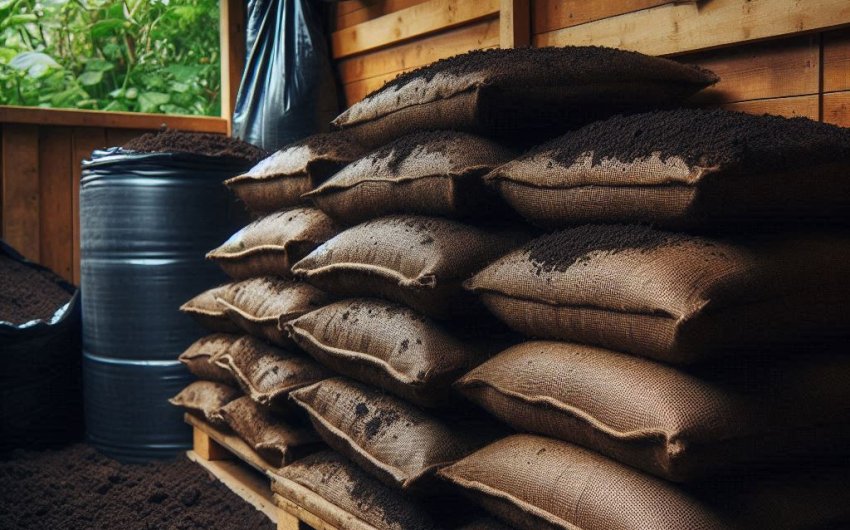
To store finished compost for future use, ensure it is fully mature, then maintain optimal moisture levels (damp but not wet) and good aeration in a protected, shaded location. Proper storage methods, such as bins, bags, or piles, prevent nutrient loss, maintain beneficial microbial activity, and keep your "black gold" ready for enriching your garden.
Why is Proper Compost Storage Important?
After all your hard work collecting scraps, turning your pile, and waiting patiently, you've finally got a batch of beautiful, dark, crumbly finished compost. But the journey isn't quite over. Learning how to store finished compost for future use is just as important as the composting process itself. Proper compost storage is crucial for maintaining its quality, potency, and usability, ensuring your "black gold" delivers maximum benefits to your garden.
1. Preserving Nutrient Content
Finished compost is packed with essential nutrients that plants need to thrive (Nitrogen, Phosphorus, Potassium, micronutrients). Improper storage can lead to the loss of these valuable compounds.
- Leaching: If compost gets waterlogged, especially by heavy rain, soluble nutrients can be washed out of the pile. This is particularly true for nitrogen, which can leach away as nitrates.
- Volatilization: Nitrogen can also be lost to the atmosphere as ammonia gas if the compost dries out too much and undergoes certain microbial processes.
- Degradation: While mature compost is stable, prolonged exposure to extreme conditions can still lead to some breakdown or alteration of beneficial compounds.
- The Fix: Keeping compost at the right moisture level and protected from excessive rain preserves its nutrient profile, ensuring your plants receive the full benefit.
2. Maintaining Beneficial Microbial Life
Finished compost is a living, breathing ecosystem, teeming with billions of beneficial microorganisms (bacteria, fungi, protozoa). These microbes are essential for healthy soil and plant growth.
- Nutrient Cycling: Microbes are responsible for breaking down organic matter further and converting nutrients into forms that plants can readily absorb.
- Disease Suppression: A diverse and robust microbial community in compost can help suppress soil-borne diseases by outcompeting harmful pathogens.
- Soil Structure: Their activities help create good soil structure, improving aeration and water retention.
- The Fix: Proper storage conditions (optimal moisture, some air, moderate temperature) ensure these crucial microbial populations remain alive and active, ready to get to work when incorporated into your garden soil. If compost dries out completely or becomes anaerobic, many beneficial microbes will die off.
3. Preventing Contamination and Pest Issues
Leaving finished compost exposed or improperly contained can lead to unwanted problems.
- Weed Seeds: Wind-blown weed seeds can easily land on exposed compost, germinate, and sprout, turning your valuable amendment into a weed patch before you even use it.
- Pests: Uncovered compost can attract rodents or insects looking for shelter or residual food scraps.
- Contaminants: Runoff from other areas or airborne pollutants can contaminate exposed compost.
- The Fix: Covering and properly containing your compost minimizes these risks, ensuring a clean, pure product for your garden.
4. Ensuring Ease of Use
Well-stored compost is simply easier to manage and apply.
- Workability: Compost that maintains its ideal moisture content (like a wrung-out sponge) is easy to shovel, spread, and mix into soil. Overly dry compost becomes dusty and hard to handle, while waterlogged compost is heavy and clumpy.
- Accessibility: Storing compost in a convenient location makes it readily available for top-dressing, amending planting holes, or mixing potting soil.
- The Fix: Proper storage keeps your compost in its ideal, crumbly, and ready-to-use state.
5. Optimizing Garden Productivity
Ultimately, proper compost storage directly contributes to the success of your garden.
- Healthy Plants: By preserving nutrients and microbes, you provide your plants with the best possible foundation for strong, healthy growth.
- Higher Yields: Healthy plants are more productive, leading to more abundant and higher-quality harvests.
- Reduced Reliance on External Inputs: Maximizing the potency of your homegrown compost reduces the need for purchasing other soil amendments or synthetic fertilizers.
In essence, storing finished compost for future use is an integral part of the composting cycle. It protects your investment of time and effort, ensuring that your valuable "black gold" remains potent, vibrant, and ready to nourish your garden whenever it's needed.
What Are the Characteristics of Truly Finished Compost?
Before you even think about how to store finished compost for future use, it's absolutely crucial to ensure your compost is, in fact, truly finished. Applying immature or unfinished compost to your garden can actually harm your plants rather than help them. Recognizing the characteristics of mature compost is key to successful storage and application.
1. Color and Texture
- Dark Brown to Black: Truly finished compost will have a uniform dark brown to almost black color. This indicates that the organic matter has largely broken down.
- Crumbly and Friable: It should have a loose, crumbly texture, resembling rich, dark soil. It should not be clumpy or compacted. If you squeeze a handful, it should barely hold together and then easily fall apart when poked.
- Uniformity: There should be no recognizable pieces of original food scraps, leaves, or grass clippings. Any large pieces you see (e.g., wood chips) are intentionally slow-to-decompose "browns" or indicate the compost needs more time.
2. Smell
- Earthy and Pleasant: The smell of finished compost is one of its most reliable indicators. It should have a fresh, rich, earthy smell, reminiscent of forest floor or fresh soil after rain. It should be pleasant to sniff.
- No Foul Odors: There should be no sour, rotten, ammonia, sulfur, or putrid smells. Foul odors indicate anaerobic decomposition (lack of oxygen) or that the compost is still in an active, breaking-down phase and is not yet finished. If it smells bad, it needs more turning and aeration.
3. Temperature
- Cool to the Touch: An active compost pile (one that is still breaking down significantly) will be warm or even hot (up to 140-160°F or 60-70°C) in the center. Finished compost, however, should be cool to the touch throughout the pile.
- Why it Matters: A consistently cool temperature indicates that the intense microbial activity of the breakdown phase has subsided, and the compost has stabilized. Applying hot compost can actually "burn" plant roots.
4. Moisture Content
- Like a Wrung-Out Sponge: Finished compost should be damp, but not wet or soggy. If you squeeze a handful, only a drop or two of water should emerge, or none at all. It should never be dripping.
- Why it Matters: Too wet and it's prone to anaerobic conditions. Too dry and microbial activity stops. The ideal moisture content allows the beneficial microbes to remain active without being waterlogged.
5. Absence of Original Materials
- Unrecognizable: As mentioned, you shouldn't be able to identify original food scraps (banana peels, vegetable cores), grass clippings, or fresh leaves. These materials should have completely decomposed.
- Exception: Woody material (twigs, larger wood chips) takes much longer to break down. If you included them, some larger pieces might remain. You can screen the compost to remove these if desired.
6. Worms (Presence of Red Wigglers)
- Indicator: If you are vermicomposting, or if your outdoor compost pile has been working correctly, you should see plenty of Red Wigglers or other composting worms actively working in the active layers. However, in finished compost, the worms will often have migrated away (to search for new food) or be less abundant in truly finished sections, as the readily available food source has diminished. Their presence indicates a healthy, active pile, but their relative absence in the finished portion is a sign of completion.
The Germination Test (For Ultimate Confirmation)
If you're unsure if your compost is fully mature and won't harm plants, perform a simple germination test.
- Potting Mix: Fill two small pots: one with 100% of your suspect compost, and one with a known good potting mix (control).
- Plant Seeds: Plant a few fast-germinating seeds (like radish or lettuce) in each pot.
- Observe: Water regularly. If the seeds in the compost sprout as quickly and grow as vigorously as those in the control pot, your compost is likely finished. If germination is poor, slow, or seedlings look weak/deformed, your compost is still too "hot" or immature and needs more time.
By evaluating these characteristics, you can confidently determine if your compost has truly become the "black gold" your garden needs before proceeding to store finished compost for future use.
What is the Ideal Moisture Level for Storing Finished Compost?
Maintaining the ideal moisture level is one of the most critical factors when learning how to store finished compost for future use. Too wet, and it risks becoming anaerobic and losing nutrients. Too dry, and beneficial microbial activity slows, and it becomes dusty and harder to use. The goal is to keep it consistently damp but not soggy.
The "Wrung-Out Sponge" Analogy
This is the most common and accurate way to describe the perfect moisture level for finished compost:
- Feel: Take a handful of compost and squeeze it firmly in your fist.
- Ideal Result: Only a drop or two of water should emerge, or none at all. The compost should feel consistently damp, like a well-wrung-out sponge, and clump together slightly, then easily crumble apart when poked.
- Too Wet: If water streams out or it feels squishy and saturated, it's too wet. This promotes anaerobic conditions, which can lead to foul odors, loss of nitrogen (as ammonia gas), and the death of beneficial aerobic microbes.
- Too Dry: If it feels dusty, doesn't clump at all, or water immediately repels off it, it's too dry. Microbial activity will slow down or cease, and the compost will be less effective when applied.
Why Ideal Moisture Matters for Storage
- Preserves Microbial Activity: The beneficial microorganisms in your finished compost need moisture to survive and remain active. If the compost dries out completely, many of these microbes will die or go dormant, making the compost less "alive" and beneficial when you finally use it.
- Prevents Nutrient Leaching: While it needs to be damp, it should never be waterlogged. Excess water can leach valuable soluble nutrients (especially nitrates) out of the compost, washing them away and reducing the compost's fertility.
- Prevents Anaerobic Conditions: Overly wet compost (especially if it also lacks aeration) can go anaerobic. This not only causes unpleasant smells but also leads to the loss of nitrogen as gas and the production of compounds harmful to plants.
- Maintains Workability: Compost with the right moisture content is easy to scoop, spread, and mix into garden beds or potting mixes. Dry compost is dusty and hard to handle; wet compost is heavy, clumpy, and difficult to spread evenly.
- Minimizes Weed Seed Germination: While some weed seeds might get in, maintaining a consistent, moderate moisture level within the compost itself generally doesn't encourage excessive germination in storage. Too wet or too dry can be problematic.
How to Maintain Ideal Moisture During Storage
- Location: Store compost in a shaded area. Direct sunlight and wind can quickly dry out uncovered compost.
- Covering:
- Tarps/Plastic Sheeting: If storing in an open pile or large bin, cover it with a tarp or plastic sheeting to protect it from excessive rain (preventing waterlogging and leaching) and from drying out too quickly due to sun and wind. Ensure some air circulation to prevent total anaerobiosis.
- Breathable Bags: If using bags, breathable options (like burlap or woven polypropylene bags) are better than completely airtight plastic for long-term storage, as they allow for some air exchange while preventing excessive drying.
- Adding Moisture (If Dry): If your compost does dry out, simply moisten it lightly with a garden hose or watering can, turning it as you add water to ensure even saturation. Then re-cover it.
- Checking Regularly: Especially if storing for an extended period, periodically check the moisture content of your stored compost.
By diligently maintaining the "wrung-out sponge" moisture level, you ensure your finished compost remains a vibrant, nutrient-rich, and easy-to-use resource, ready to nourish your garden whenever you are. This critical step in how to store finished compost for future use directly impacts its effectiveness.
What Are the Best Containers and Locations for Storing Finished Compost?
Once you have beautiful, nutrient-rich finished compost, choosing the best containers and locations for storing it is essential for preserving its quality and making it readily accessible for future use. The right storage method prevents nutrient loss, maintains beneficial microbial activity, and keeps your compost free from contaminants.
1. Dedicated Storage Bins or Bays
This is an excellent option for larger quantities of finished compost, especially if you have a continuous composting system.
- Types:
- Multi-Bin System: If you have a three-bin composting system, the third bin is often designated for finished compost. This allows you to have one bin for active composting, one for curing, and one for finished material.
- Dedicated Storage Bay: A simple enclosed bay made from wood, wire mesh, or concrete blocks can serve as a storage area.
- Large Plastic Bins: Large, durable plastic bins with lids can also work.
- Advantages:
- Organized: Keeps your composting area tidy.
- Protected: Offers protection from excessive rain, sun, and wind.
- Aesthetic: Looks more professional than a loose pile.
- Easy Access: Easy to scoop out compost when needed.
- Key Considerations:
- Drainage: Ensure the base of the bin allows for some drainage but prevents excess water from pooling.
- Ventilation: Good airflow around the stored compost is still beneficial to prevent it from going anaerobic if it gets too wet.
- Cover: Always cover the top of the bin or bay with a lid, tarp, or breathable sheeting to maintain moisture and prevent weed seeds/pests.
2. Large Tarps or Plastic Sheeting
For gardeners with large volumes of finished compost or those who don't have dedicated bins, a heavy-duty tarp is a practical solution.
- How To: Pile your finished compost in a mound. Cover the entire pile securely with a durable, dark-colored tarp or heavy-duty plastic sheeting. Secure the edges with rocks, bricks, or stakes to prevent wind from blowing it off.
- Advantages:
- Cost-Effective: Very inexpensive solution.
- Flexible: Can accommodate varying quantities of compost.
- Good Protection: Effectively shields compost from rain and sun.
- Disadvantages:
- Less Aesthetic: Can look messy compared to a bin.
- Pest Vulnerability: While a secured tarp helps, clever rodents might still find a way in if the pile is very attractive or not fully finished.
- Key Considerations: Ensure the tarp is heavy enough not to tear easily. Check periodically to ensure the pile isn't getting too wet (if water is pooling on the tarp) or too dry underneath.
3. Large, Heavy-Duty Bags
For smaller quantities of finished compost or for ease of transport to different garden areas.
- Types:
- Woven Polypropylene Bags: Durable, breathable "contractor bags" or bulk garden bags. These allow for some air exchange while preventing excessive drying. You can find Heavy Duty Garden Bags.
- Burlap Sacks: Natural, breathable, but less durable than woven plastic.
- Avoid: Do not use regular black garbage bags for long-term storage, as they are often airtight, which can lead to anaerobic conditions and unpleasant odors. If you must use them, poke a few small holes for ventilation.
- Advantages:
- Portability: Easy to move compost to different beds or for sharing.
- Space-Saving: Can be stacked or placed in smaller corners.
- Disadvantages: Can be cumbersome for very large quantities.
- Key Considerations: Ensure bags are not overfilled. Keep them tied or secured.
Ideal Locations for Storage
The chosen location for storing your finished compost should ideally provide:
- Shade:
- Why: Direct sunlight can dry out compost too quickly, killing beneficial microbes and potentially oxidizing nutrients.
- Location: Under a tree, behind a shed, or in a naturally shaded corner of the yard.
- Protection from Excessive Rain:
- Why: Waterlogging leaches nutrients and creates anaerobic conditions.
- Location: Under an overhang, covered patio, or beneath a well-secured tarp. Avoid low-lying areas where water collects.
- Good Airflow (but not excessively windy):
- Why: While mature compost doesn't need constant turning, some air exchange is beneficial for the microbes.
- Location: Avoid completely enclosed, unventilated spaces where condensation can build up (unless using specific airtight Bokashi methods).
- Convenience:
- Proximity: Store the compost reasonably close to where you'll be using it in your garden. This minimizes transport effort.
- Accessibility: Ensure you can easily access the stored compost with a shovel or wheelbarrow.
By carefully considering both the type of container and the storage location, you can effectively store finished compost for future use, ensuring it remains a potent and valuable resource for your garden for months or even years.