
How to Use Shredded Paper in Composting Effectively?
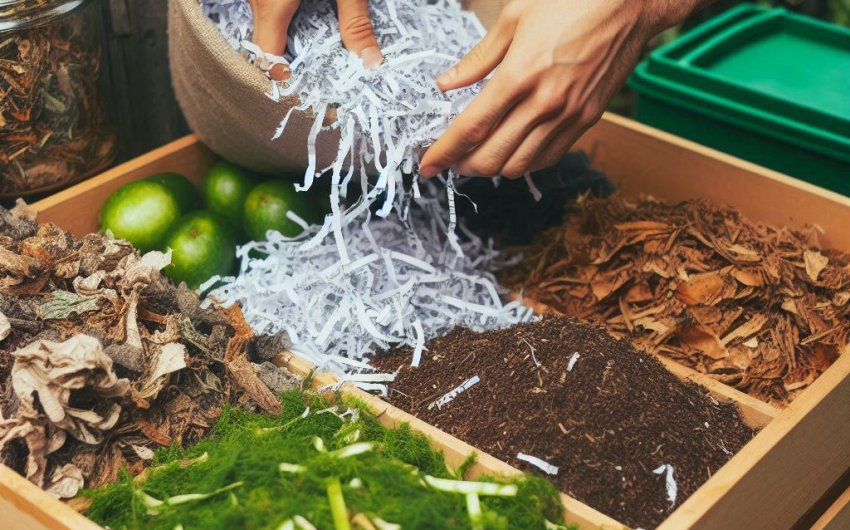
If you're like many households, you probably have a mountain of paper piling up, especially after bills and junk mail arrive. While recycling is a good option, did you know that shredded paper is also a fantastic addition to your compost bin? It's a readily available, free resource that can greatly benefit your compost pile and, ultimately, your garden. But knowing how to use shredded paper in composting effectively is key to turning it into valuable "black gold" without causing issues. This guide will clarify the do's and don'ts, ensuring your compost thrives.
Why Use Shredded Paper in Composting?
Shredded paper is often overlooked, but it plays a vital role in creating balanced and healthy compost.
1. Excellent "Brown" Material (Carbon Source)
- Carbon for Compost: Paper is made from wood pulp, making it a rich source of carbon. In composting, carbon-rich materials are called "browns."
- Balance is Key: Compost needs a precise balance of carbon and nitrogen ("greens," like food scraps and grass clippings) for optimal decomposition. Shredded paper helps achieve and maintain this crucial carbon-to-nitrogen (C:N) ratio. Without enough browns, your compost can become a smelly, soggy mess.
2. Adds Structure and Airflow
- Prevents Compaction: Shredded paper, especially when fluffed up, creates air pockets within your compost pile. This is essential for aerobic decomposition, the process performed by oxygen-loving microbes that breaks down organic matter quickly and without unpleasant odors.
- Reduces "Sliminess": It helps prevent dense, wet clumps of food scraps or grass clippings from forming, which can restrict airflow.
3. Absorbs Excess Moisture
- Sponge Effect: Shredded paper is highly absorbent. This makes it an excellent addition if your compost pile tends to be too wet (e.g., from rainy weather or too many juicy food scraps). It soaks up excess moisture, helping to maintain the ideal dampness (like a wrung-out sponge).
4. Eco-Friendly Disposal
- Waste Diversion: Composting shredded paper (especially paper that can't be recycled easily due to shredding) diverts a significant amount of household waste from landfills. This reduces your environmental footprint.
- Alternative to Recycling (Sometimes): While recycling is generally preferred for clean, unshredded paper, shredded paper is often difficult for recycling facilities to process (it jams machinery or falls through sorting screens). Composting becomes an excellent alternative in such cases.
5. Free and Abundant Resource
- You're likely already generating shredded paper from home offices or personal document shredding. It's a continuous, free supply of a valuable compost ingredient.
What Kind of Shredded Paper Can You Compost?
Not all paper is suitable for composting. It's important to differentiate.
YES, You Can Compost:
- Plain White or Brown Paper: Office paper, junk mail, newspaper (black and white print is best), paper towels, paper napkins, toilet paper rolls, paper towel rolls.
- Corrugated Cardboard: (When shredded) A fantastic compost brown. Remove tape and labels first.
- Non-Glossy Paper Bags: Brown paper bags from groceries or lunch bags.
- Egg Cartons: (Paper/cardboard type, not styrofoam).
NO, You Should NOT Compost (or use with extreme caution):
- Glossy or Shiny Paper: Magazines, brochures, shiny junk mail, photos, some coated paper bags. These often have clay, plastic, or metallic coatings that won't break down or can introduce harmful substances.
- Heavily Printed/Colored Paper: While most modern inks are soy-based, heavily colored or glossy prints might contain heavier metals or petroleum-based inks that you don't want in your compost. Stick to plain brown or black-and-white printed paper.
- Thermal Paper: Receipts (especially long ones) are often made of thermal paper, which contains BPA or BPS, chemicals you don't want in your compost.
- Self-Adhesive Labels: The sticky backing won't break down.
- Waxed Paper: Such as bakery wrappers or certain food packaging. The wax coating prevents decomposition.
- Laminated Paper: Contains plastic that won't break down.
Rule of Thumb: If it's plain, dull, tears easily, and doesn't have obvious plastic/wax coatings, it's generally good to compost. When in doubt, leave it out.
Preparing Shredded Paper for Composting: Key Steps
Getting your paper ready ensures it breaks down quickly and without issues.
1. Shred It! (Small Pieces are Best)
- Why? Large pieces of paper or whole sheets can mat together in the compost pile, creating dense layers that block airflow and slow down decomposition. Shredding increases the surface area exposed to microbes.
- How: Use a cross-cut paper shredder for ideal small pieces. You can also tear larger sheets by hand. The finer the shred, the faster it will break down.
2. Moisten It! (Crucial for Dry Paper)
- Why? Dry paper takes a long time to absorb moisture from the compost pile, making it slow to decompose. Microbes need water to do their work.
- How:
- Spray: Lightly mist shredded paper with water before adding it to your compost pile.
- Layer with Wet Greens: The most effective method is to layer shredded paper directly with very wet "greens" (like fresh grass clippings or juicy food scraps). The moisture from the greens will help wet the paper as you turn the pile.
- Don't Soak: Avoid completely soaking the paper, as it can become a soggy, airless mess. Just get it damp.
How to Use Shredded Paper in Composting Effectively: Best Practices
Now that your paper is prepped, here's how to integrate it into your compost pile for maximum benefit.
1. Master the Greens-to-Browns Ratio (With Shredded Paper as a "Brown")
- Balance is Key: This is the most important principle in composting. You need roughly 2-3 parts browns (including shredded paper) to 1 part greens by volume.
- Too Much Paper: If you add too much shredded paper without enough "greens" (nitrogen) and moisture, your compost pile will be carbon-heavy, dry, and decompose very slowly.
- Layering Technique: This is where shredded paper shines. Use it as a layer between your "green" additions.
- Add a layer of food scraps or grass clippings ("greens").
- Then add a generous layer of moistened shredded paper ("browns").
- Repeat this pattern. This ensures good mixing and airflow.
2. Bury All Food Scraps (Under a Layer of Paper!)
- Pest and Odor Control: Exposed food scraps attract fruit flies, ants, and sometimes even larger pests. They can also create odors.
- How: After adding any kitchen waste to your compost bin, immediately cover it with a layer of moistened shredded paper (and other browns if you have them). This acts as a natural "lid," suppressing odors and deterring pests.
3. Ensure Excellent Aeration (Turning)
- Oxygen is Life: Microbes need oxygen for efficient, odor-free decomposition. Shredded paper helps create structure, but it can also compact.
- Regular Turning: Turn your compost pile (or spin your compost tumbler) regularly – every few days for hot composting, or at least once a week for slower methods. This introduces fresh air, mixes the materials, and helps break up any matted paper.
4. Monitor Overall Moisture
- Ideal Dampness: Even though shredded paper helps absorb excess moisture, ensure the overall compost pile maintains that "wrung-out sponge" feel.
- Adjust as Needed: If the pile gets too dry, add water as you turn. If it's too wet, add more dry shredded paper (or other browns) and turn vigorously.
5. Hot Composting is Ideal
- Speed: For the fastest breakdown of shredded paper (and everything else), aim for a hot compost pile (reaching 130-160°F or 55-70°C). The high temperatures accelerate the decomposition process significantly.
- Particle Size Helps: Shredding the paper into small pieces greatly assists in achieving and maintaining these hot temperatures.
Shredded Paper in Different Composting Systems
1. Traditional Compost Bins/Piles
- Ideal for Layering: Shredded paper is excellent for layering in these systems.
- Easy to Bury: It's easy to pull back a layer, add scraps, and then cover with paper.
- Requires Manual Turning: You'll need a pitchfork or compost aerator to mix it.
2. Compost Tumblers
- Convenience: Shredded paper works very well in tumblers. Its light texture mixes easily when spun.
- Absorption: Particularly useful if you add a lot of wet food scraps, as the paper absorbs excess liquid.
- A compost tumbler makes frequent turning easy.
3. Vermicomposting (Worm Bins)
- Excellent Bedding: Shredded paper (especially newspaper or plain office paper) is one of the best bedding materials for a worm compost bin. It provides carbon, absorbs moisture, and offers a comfortable habitat for the worms.
- How-to: Mix shredded paper with other bedding materials (like coir or aged compost). Keep it damp. Red wigglers will eat the paper along with your food scraps.
- Avoid Glossy/Colored Paper: Be particularly strict about avoiding glossy or heavily colored paper in worm bins.
- A worm compost bin is perfect for this.
Troubleshooting Common Paper Problems
- Problem: Paper is Matting into a Solid Block:
- Cause: Not shredded enough, too wet, or not turned/mixed properly.
- Fix: Ensure paper is shredded into small pieces. Add more coarser "browns" (like dry leaves or straw) to prevent compaction. Turn more frequently, breaking up any matted clumps.
- Problem: Compost is Dry/Not Breaking Down:
- Cause: Too much shredded paper (carbon) relative to "greens" (nitrogen), or not enough moisture overall.
- Fix: Add more fresh "greens" (grass clippings, food scraps). Add water until the pile is damp. Turn to mix.
- Problem: Compost is Smelly:
- Cause: Too wet, not enough oxygen.
- Fix: This means you have too many "greens" or not enough dry paper! Add more dry shredded paper (or other dry browns) and turn vigorously to introduce air and help absorb excess moisture.
Using shredded paper in composting effectively is a simple yet powerful way to enhance your compost pile. By treating it as the valuable "brown" material it is, shredding it, moistening it, and incorporating it properly into a balanced and aerated compost system, you can easily transform your office waste into rich, nutrient-dense "black gold" for your garden. It's a win for your plants, your wallet, and the planet!