
What Are the Pros and Cons of Trench Composting?
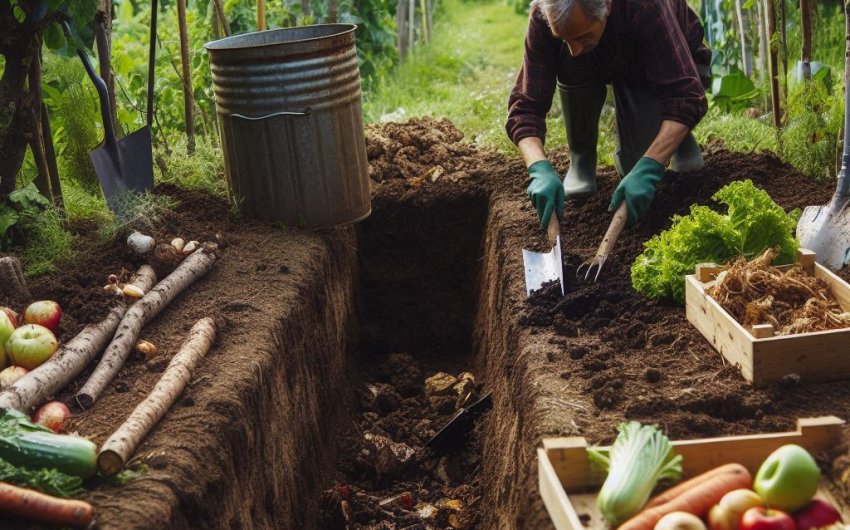
Composting is a cornerstone of sustainable gardening, transforming kitchen scraps and yard waste into nutrient-rich "black gold" for your plants. While many gardeners are familiar with compost bins and piles, there's another fascinating and often overlooked method: trench composting. This technique involves burying organic materials directly into your garden beds. It might sound unconventional, but trench composting offers unique advantages, particularly for certain gardening situations. However, like any method, it comes with its own set of drawbacks. Understanding the pros and cons of trench composting will help you decide if this hidden gem is the right fit for your garden.
What is Trench Composting?
Trench composting (also known as "in-situ composting" or "dig and dump" composting) is the practice of burying organic kitchen and garden waste directly into the soil where it will decompose. Instead of building an external compost pile or bin, you dig a trench or hole, add your compostable materials, and cover them back up with soil. The decomposition then occurs underground, enriching the soil directly in your garden.
Pros of Trench Composting
Trench composting offers several compelling advantages, especially for gardeners looking for simplicity and direct soil improvement.
1. Extremely Simple and Low Effort
- No Turning: You don't need to turn a compost pile or aerate it. Once you bury the materials, nature does the rest. This is a huge time-saver compared to hot composting.
- No Compost Bin Needed: You don't need to buy, build, or maintain a physical compost bin or tumbler. Your garden bed itself acts as the compost "bin." This is great for those with limited space or budget.
- Direct Soil Enrichment: The decomposing materials release nutrients directly into the surrounding soil, right where your plant roots can access them. This makes it an incredibly efficient way to improve specific garden beds.
- Improves Soil Structure (Directly): As the buried organic matter breaks down, it directly improves soil structure, aeration, and drainage in that immediate area. This is especially beneficial for heavy clay soils or sandy soils.
- No Odors (Almost!): Because the materials are buried, most decomposition odors are contained underground, making it a very discreet method. This is a big plus for urban gardens or those concerned about smells.
- Deters Pests: Since food scraps are covered, they are generally less attractive to flies, rodents, and other scavengers that might be drawn to an exposed compost pile.
- Weed Suppression: Digging a trench temporarily disrupts weed growth in that area.
2. Discreet and Aesthetic
- Hidden Process: The composting process is completely hidden from view. Your garden looks tidy, without a visible compost pile. This is perfect for small yards or gardens where aesthetics are a high priority.
3. Provides Immediate Soil Aeration
- The act of digging the trench itself helps to aerate and loosen the soil, improving its overall structure before the compost even starts working.
4. Continuous Soil Building
- You can continually enrich your garden beds by rotating where you bury materials, creating a long-term soil improvement plan.
Cons of Trench Composting
Despite its advantages, trench composting also has notable drawbacks that might make it unsuitable for some situations.
1. Limited Material Capacity
- Small Volumes Only: Trench composting is best for handling small amounts of food scraps and very soft plant waste. It's not practical for large volumes of yard waste like autumn leaves, large branches, or grass clippings from a whole lawn. You'd be digging trenches all day!
- Slow Decomposition for Tougher Materials: Woody stems, tough fibrous materials (like corn cobs, large broccoli stalks), or large chunks of material will break down very slowly underground due to limited oxygen.
2. Relies on Anaerobic/Semi-Anaerobic Conditions (Often)
- Lack of Oxygen: Buried materials have limited access to oxygen, meaning decomposition is often slower and may become anaerobic (which can produce unpleasant smells if the trench is opened, or if too much "green" material is buried).
- No "Hot" Composting: You cannot achieve the high temperatures of a hot compost pile with trench composting. This means:
- Weed Seeds May Survive: Weed seeds will not be reliably killed by heat, so you risk introducing weeds to your garden beds.
- Pathogens May Survive: Harmful bacteria (like E. coli) and plant disease pathogens will not be killed by heat. This makes it unsuitable for diseased plant material or potentially contaminated food waste (e.g., meat).
3. Attraction of Certain Pests (Sometimes)
- While usually good for deterring flies and surface pests, if you bury highly attractive food scraps (like meat or dairy – though generally avoided in trench composting), it can attract burrowing animals like rats, raccoons, or even your own pets digging up the freshly buried material.
4. Disturbs Garden Beds (Physical Effort)
- Digging Required: You constantly need to dig trenches or holes. This can be hard work, especially in compacted or rocky soil.
- Disruption: Regularly digging in active garden beds can disturb plant roots, especially if you're not careful where you dig.
5. Not Suitable for All Materials
- No Meat/Dairy/Oils: Best to avoid these entirely due to odor and pest issues.
- No Diseased Plants: Risk of spreading disease.
- No Weed Seeds/Persistent Roots: High risk of spreading weeds.
- No Treated Wood/Chemicals: Avoid anything that might leach toxins into your soil.
6. Uneven Nutrient Distribution (Potentially)
- While it enriches the soil directly, the nutrients might be concentrated in very specific localized spots rather than evenly distributed throughout the bed.
7. Requires Planning and Rotation
- You can't just keep burying materials in the same spot. You need to rotate your trench locations throughout your garden beds to allow areas to fully decompose and integrate before re-using them for planting or digging.
How to Do Trench Composting Effectively
If the pros outweigh the cons for your needs, here's how to do it right.
Step 1: Choose Your Spot Wisely
- Between Rows: Ideal for vegetable gardens, burying material between rows of future crops or between existing crops that are relatively far apart.
- Around Perennials/Shrubs: Bury material around the drip line of established perennial plants or shrubs, ensuring you don't disturb their main root ball.
- New Beds: Perfect for enriching soil before planting a new garden bed.
- Rotate: Plan to rotate your trench locations. Don't bury materials in the same spot repeatedly without allowing for full decomposition.
Step 2: Dig the Trench or Hole
- Depth: Dig a trench or hole that is 8-12 inches (20-30 cm) deep. This is deep enough to effectively bury most materials and prevent odors or pest access.
- Width/Length: The width and length depend on the amount of material you're burying. A common size might be 1 foot (30 cm) wide and 2-3 feet (60-90 cm) long, or simply individual holes.
Step 3: Add Your Materials
- What to Add: Focus on easily decomposable "greens":
- Fruit and vegetable scraps (peels, cores, wilted produce)
- Coffee grounds and tea bags (paper filter is fine)
- Crushed eggshells
- Small amounts of soft green plant trimmings (if weed-free and disease-free)
- Chop Small: Always chop your materials into smaller pieces (1-2 inches or 2.5-5 cm). This greatly speeds up decomposition, especially in the limited oxygen environment underground.
- Balance with Browns (If Possible): If you have any readily available shredded newspaper, dry leaves, or sawdust, mix a small amount in with your "greens" before burying. This helps balance the C:N ratio and reduces odors. However, the soil itself acts as a significant "brown."
- Avoid: Meat, dairy, oily foods, diseased plants, weeds with seeds, persistent perennial roots.
Step 4: Cover It Up!
- Bury Completely: Cover the added organic matter completely with the soil you dug out. Ensure no food scraps are visible on the surface.
- Mound Slightly: If you've added a lot of material, you might need to create a slight mound over the trench, as the material will settle as it decomposes.
- Optional Mulch: You can add a layer of organic mulch (straw, wood chips) over the buried trench to further suppress weeds and retain moisture.
Step 5: Wait and Plant
- Decomposition Time: Depending on the materials, soil conditions, and temperature, decomposition can take anywhere from a few weeks to several months. Smaller pieces in warmer, active soil will break down faster.
- Planting: Ideally, wait a few weeks or months (especially for larger amounts of green waste) before planting directly over a freshly buried trench. This allows the initial rapid decomposition (which can temporarily tie up nitrogen) to subside. For light amounts of material, you can often plant immediately around the trench.
Complementary Composting Methods
Trench composting doesn't have to be your only composting method. It works wonderfully in combination with other techniques:
- Use it for Food Scraps: Continue to use a traditional compost bin or tumbler for larger volumes of yard waste and materials that need hot composting (like leaves, woody stems, and any weeds with seeds). Use trench composting specifically for your daily kitchen scraps.
- Sheet Composting (Lasagna Gardening): This method involves layering materials directly on the soil surface to create new beds. It's similar in principle but less disruptive than trenching. You can then dig individual holes for trench composting within your sheet-composted beds.
Understanding the pros and cons of trench composting empowers you to make an informed decision for your garden. It's a fantastic, low-effort way to directly enrich your soil and manage small amounts of organic waste, particularly for discreet and targeted soil improvement. While it doesn't replace the benefits of hot composting, it's a valuable tool in any gardener's sustainable arsenal, helping you nurture your soil from the ground up.