
How to Save an Overwatered Monstera Plant?
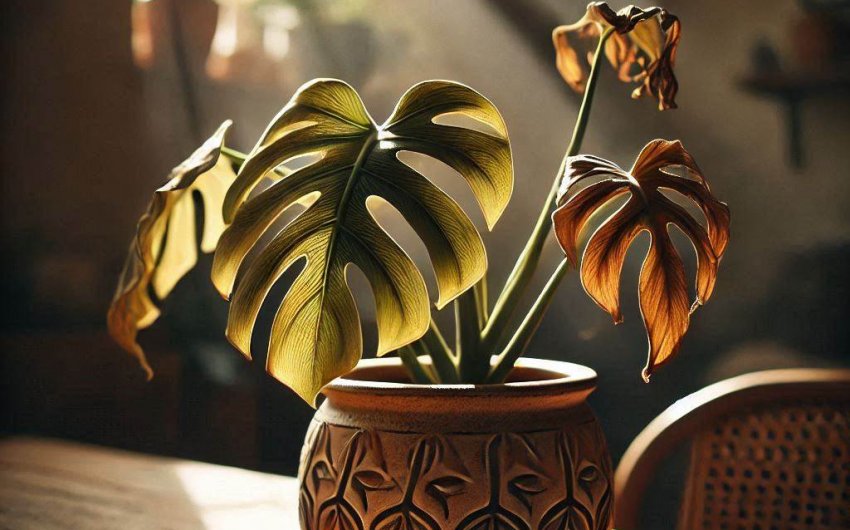
Seeing your usually vibrant Monstera plant begin to droop, yellow, or show other signs of distress can be a cause for concern, and more often than not, the culprit is too much kindness in the form of overwatering. Learning how to save an overwatered Monstera plant is a critical skill for any houseplant enthusiast, as these popular aroids are particularly sensitive to soggy soil conditions. Fortunately, with prompt action and the right steps, you can often bring your beloved plant back from the brink, restoring its lush foliage and iconic splits. It involves a careful process of assessment, root rehabilitation, and adjusting your future care routine to prevent a relapse.
Why is overwatering so harmful to a Monstera plant?
Understanding the detrimental effects of overwatering on your Monstera plant is the first step in learning how to save an overwatered Monstera plant. These tropical beauties are often mistaken for needing constant moisture, but their natural habitat provides crucial clues to their true watering preferences.
What happens to Monstera roots when overwatered?
In their native rainforest environments, Monsteras are epiphytes or hemi-epiphytes. This means they naturally climb trees, often starting on the forest floor and then growing upwards, clinging with their aerial roots. While their terrestrial roots absorb some water and nutrients from the thin layer of organic matter on the forest floor, they are accustomed to excellent drainage and aeration. They are not built for perpetually wet soil.
When a Monstera is overwatered in a pot, several critical problems occur at the root level:
- Oxygen Deprivation: Plant roots, just like humans, need oxygen to breathe and function properly. When the soil is constantly saturated with water, all the tiny air pockets in the potting mix get filled with water, effectively drowning the roots. Without oxygen, root cells cannot perform respiration – the process that converts stored energy into a usable form for growth and nutrient uptake.
- Root Rot: This is the most common and devastating consequence of overwatering. When roots are starved of oxygen, they begin to die. This creates an ideal breeding ground for harmful anaerobic bacteria and fungi that thrive in oxygen-deprived, wet environments. These pathogens attack the compromised roots, causing them to turn soft, mushy, black, or brown, and emit a foul odor. Once root rot sets in, the roots lose their ability to absorb water and nutrients, even if they are present in the soil.
- Nutrient Lockout: Even before visible root rot, consistently waterlogged soil can lead to a condition called nutrient lockout. This means that even if nutrients are present in the soil, the roots cannot effectively absorb them due to poor aeration and unhealthy soil chemistry. The plant essentially starves, even with fertilizer available.
What are the visible signs of an overwatered Monstera plant?
Recognizing the symptoms of overwatering is crucial for early intervention. While some signs can be confusingly similar to underwatering, certain combinations usually point to too much moisture.
- Yellowing Leaves: This is one of the most common signs. Leaves, especially older ones lower on the plant, will start to turn yellow. Unlike underwatering (where leaves might yellow and then crisp), overwatered leaves usually remain soft and might feel squishy.
- Drooping or Wilting Leaves (with wet soil): This is the tricky one. Both overwatering and underwatering can cause leaves to droop. However, if the leaves are drooping and the soil is clearly wet or soggy, it's a strong indicator of overwatering. The roots are rotting and can no longer transport water to the leaves, even though water is abundant in the soil.
- Brown or Black Spots on Leaves: Small, dark brown or black spots, often surrounded by a yellow halo, can appear on the leaves. These are frequently signs of fungal infections that thrive in damp conditions and are related to root rot.
- Mushy Stems or Base: The most severe sign of overwatering is when the stem or the base of the plant feels soft, mushy, or squishy to the touch. This indicates that the rot has spread from the roots into the stem itself, making recovery much more challenging.
- Foul Odor from Soil: If you smell a decaying, musty, or sour odor coming from the potting mix, it's a clear sign of anaerobic bacteria and root rot.
- Stunted Growth or No New Growth: An overwatered Monstera will struggle to produce new leaves or its growth will be very slow and weak. New leaves might also be unusually small or distorted.
- Fungus Gnats: These tiny, annoying black flies hovering around your plant or the soil surface are often a symptom of persistently wet potting mix, as their larvae thrive in moist, decaying organic matter.
If you observe a combination of these symptoms, especially yellowing leaves with wet soil and any mushy stems, it's time to act quickly to learn how to save an overwatered Monstera plant.
What is the step-by-step process to save an overwatered Monstera plant?
Saving an overwatered Monstera plant requires immediate and decisive action. Following these steps carefully will give your plant the best chance of recovery.
Step 1: Immediately stop watering and unpot the plant.
This is the most critical first step. As soon as you suspect overwatering, cease all watering.
- Remove from Pot: Gently remove the Monstera from its pot. Be very careful, as the root ball might be fragile due to rot. If the plant is large, you might need to lay the pot on its side and gently slide the plant out.
Step 2: Assess the roots and remove any rotten parts.
This step is crucial for stopping the spread of rot.
- Remove Excess Soil: Gently shake off as much of the old, wet potting mix as possible from the roots. You can also gently rinse the roots under lukewarm running water to better see them.
- Identify Healthy vs. Rotten Roots:
- Healthy roots: Will typically be firm, light-colored (white or tan), and pliable.
- Rotten roots: Will appear mushy, slimy, black, brown, or completely disintegrated. They might also have a foul, sulfuric odor.
- Prune Rotten Roots: Using a pair of clean, sharp sterilized pruning shears or scissors (sterilize with rubbing alcohol or a bleach solution before and after use), cut away all the rotten, mushy roots. Cut back to healthy, firm root tissue. It's better to remove too much rotten material than too little. If almost all the roots are rotten, you might have very little left, but that's okay – it's better to save what's healthy.
- Inspect Stem Base: While you're at it, inspect the very base of the stem where it meets the roots. If the stem itself is soft or mushy, you might need to cut it back until you reach firm, healthy stem tissue. If the rot has spread extensively into the main stem, the plant might be unsalvageable through this method, and you may need to resort to propagation (see Step 6).
Step 3: Let the roots air dry.
This step is essential for allowing any remaining moisture to evaporate and for the pruned roots to callus (form a protective layer) before repotting.
- Place on Absorbent Surface: Lay the Monstera on a few layers of newspaper, paper towels, or a clean cloth in a shaded, well-ventilated area. Do not place it in direct sunlight, which can shock or dehydrate the exposed roots too quickly.
- Drying Time: Allow the roots to air dry for several hours, or even overnight, depending on the severity of the wetness and the humidity in your environment. You want the roots to feel dry to the touch and any cut surfaces to have formed a dry callus. This minimizes the risk of rot returning after repotting.
Step 4: Repot into fresh, well-draining soil and a clean pot.
This provides a healthy new environment for your recovering Monstera.
- Choose the Right Pot:
- Drainage Holes: Always use a pot with adequate drainage holes. This is non-negotiable for Monsteras.
- Size: Choose a pot that is only slightly larger than the remaining healthy root ball. Going too large can lead to excess soil holding too much moisture, re-creating the overwatering problem. If you had to cut back a lot of roots, you might even need to repot into a smaller pot.
- Cleanliness: Use a clean pot. If reusing the old pot, wash it thoroughly with soap and water, and even sterilize it with a diluted bleach solution (1 part bleach to 9 parts water) to kill any remaining fungus or bacteria.
- Use the Right Soil Mix: Monsteras thrive in a chunky, airy, and well-draining potting mix. A standard indoor potting mix is often too dense and holds too much water.
- DIY Mix: A good DIY mix might consist of equal parts high-quality potting mix, perlite (for drainage and aeration), and orchid bark or coco coir chunks (for chunkiness and aeration). Some also add a bit of worm castings for nutrients.
- Pre-made Mixes: Look for aroid potting mixes or chunky mixes designed for Monsteras or other epiphytic plants.
- Repotting: Add a layer of your new mix to the bottom of the pot. Center the Monstera, then backfill around the roots with the fresh mix, gently firming it down. Avoid packing it too tightly, as this reduces aeration.
Step 5: Post-repotting care and recovery.
The period immediately after repotting is critical for recovery.
- Do Not Water Immediately: Do NOT water your freshly repotted Monstera for at least 3-7 days. This allows any damaged roots to further heal and reduces the risk of new rot developing. The plant is under stress, and fresh water too soon can exacerbate the problem.
- Location: Place the recovering Monstera in a spot with bright, indirect light. Avoid direct sun, which can be too intense for a stressed plant, and avoid very low light, which will prevent it from recovering.
- Humidity: Higher humidity can be beneficial for a stressed plant, as it reduces water loss through the leaves. Consider placing it near a humidifier or on a humidity tray.
- First Watering (After Recovery Period): After the initial dry period (3-7 days), check the soil moisture. If it feels dry, give it a thorough, deep watering, allowing water to drain completely from the bottom.
- Patience: Recovery takes time. Don't expect immediate results. It might take weeks or even months for the Monstera to show signs of new, healthy growth. Avoid fertilizing during this recovery period, as it can stress the roots further.
- Pruning Yellow Leaves: While your Monstera is recovering, it's normal for some of the yellowed or damaged leaves to continue to decline. You can prune these off as they yellow completely or turn crispy, as they won't recover and the plant will expend energy trying to sustain them.
Step 6: Consider propagating healthy cuttings (if rot is severe).
If your Monstera's main stem or root system is too far gone due to rot, don't despair! You might still be able to save parts of the plant through propagation.
- Take Cuttings: Look for healthy sections of the stem that show no signs of rot. Each cutting should have at least one node (the bump on the stem where a leaf or aerial root emerges) and ideally one or two leaves.
- Propagate in Water or Sphagnum Moss: Place the cuttings in a clear glass of water (ensuring at least one node is submerged) or in moist sphagnum moss. Keep them in a warm spot with bright, indirect light.
- Patience for Roots: Roots should start to form in a few weeks to a few months. Once roots are a few inches long, you can pot the new plantlets into a well-draining Monstera mix. This effectively gives you a fresh start.
By following these detailed steps, you maximize your chances of knowing how to save an overwatered Monstera plant and bringing it back to health.
How can I prevent overwatering my Monstera plant in the future?
Successfully saving an overwatered Monstera plant is a victory, but the ultimate goal is to prevent the problem from recurring. Adjusting your watering habits and optimizing the plant's environment are key to ensuring your Monstera thrives and never experiences the stress of overwatering again.
What are the golden rules of Monstera watering?
- Water Only When Dry: This is the most important rule. Never water on a schedule (e.g., "every Sunday"). Instead, physically check the soil moisture. Stick your finger 2-3 inches deep into the potting mix. For a Monstera, wait until the top 2-3 inches of soil are completely dry to the touch. For larger pots or during cooler, darker months, allow the soil to dry out even deeper, sometimes almost completely through the pot.
- Use a Skewer Test: If you're unsure, insert a wooden skewer or chopstick all the way to the bottom of the pot. Leave it for 10-15 minutes. If it comes out clean and dry, it's time to water. If it's damp or has soil particles sticking to it, wait.
- Thorough Soaking, Then Thorough Draining: When you do water, water deeply and thoroughly until water freely drains from the bottom of the pot. Then, ensure all excess water has drained away. Never let your Monstera sit in standing water in its saucer. Dump out any collected water within 15-30 minutes.
- Adjust Seasonally: Your Monstera will need significantly less water in the fall and winter months compared to spring and summer. As light levels drop and temperatures cool (especially if your home gets cooler), the plant's growth slows down, and it uses much less water. Adjust your watering frequency accordingly.
- Consider Pot Weight: Over time, you'll learn to judge the weight of your Monstera's pot. A dry pot will feel noticeably lighter than a wet one. This is a reliable indicator once you get the hang of it.
How do I ensure proper drainage and aeration?
Optimal soil and pot choice are your primary defenses against overwatering.
- Use the Right Potting Mix: Always use a chunky, airy, and well-draining potting mix for Monsteras. Avoid dense, peat-heavy general-purpose potting soils. A good mix will be composed of components like potting mix, perlite, and orchid bark or coco coir chunks. You can also find specialized aroid mixes that are perfect.
- Pots with Drainage Holes: This cannot be stressed enough. A pot must have drainage holes. If you want to use a decorative pot without holes, place the Monstera in a slightly smaller nursery pot with drainage holes inside the decorative one. This allows you to remove the inner pot for watering and proper drainage.
- Avoid Over-Potting: Do not put your Monstera in a pot that is too large for its root system. Excess soil around the roots will hold too much moisture, increasing the risk of overwatering. Repot only when the plant is root-bound, usually every 1-2 years, and only go up one pot size.
What about environmental factors?
The environment in your home plays a significant role in how quickly soil dries out.
- Light Exposure: Brighter, indirect light leads to more vigorous growth and faster water consumption. If your Monstera is in a lower light spot, it will need less frequent watering. Ensure your Monstera receives bright, indirect light for optimal health and to help the soil dry out properly.
- Temperature: Warmer temperatures increase evaporation from the soil and water usage by the plant. In cooler conditions, soil will stay wet longer.
- Humidity and Air Circulation: While Monsteras appreciate humidity, very high humidity combined with poor air circulation can slow down soil drying. Ensure good airflow around your plant. If your plant is tucked into a corner, consider moving it or occasionally running a fan in the room for gentle air movement.
By implementing these preventative measures, you'll develop a keen understanding of your Monstera's needs, avoiding the pitfalls of excess moisture, and ensuring you never have to ask again, "How to save an overwatered Monstera plant?" Instead, you'll be enjoying a thriving, magnificent specimen.