
What Causes Yellow Leaves on My Pothos Plant?
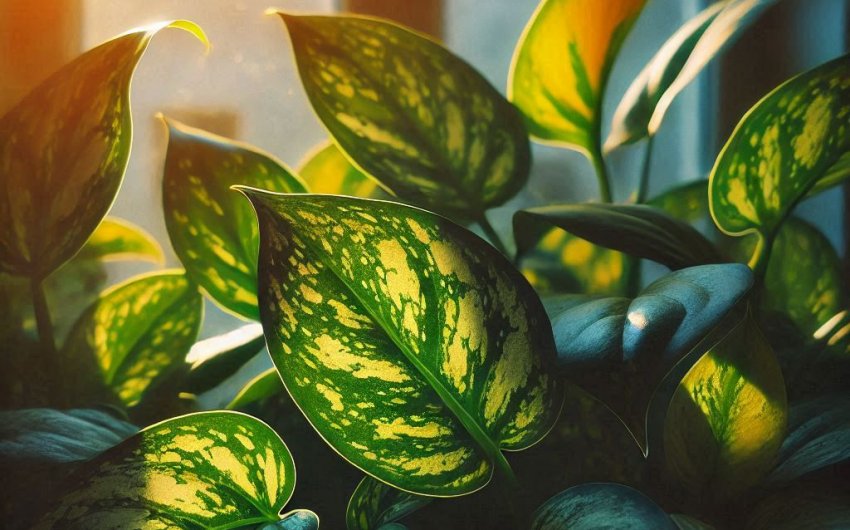
Discovering what causes yellow leaves on my Pothos plant is a common concern for houseplant enthusiasts, as this popular, easy-care vine occasionally signals distress through its foliage. While a few yellow leaves can be a normal part of its life cycle, widespread discoloration often indicates an underlying issue with its environment or care. Understanding these potential causes helps diagnose the problem and implement effective solutions to restore your plant's vibrant green.
Is Yellowing Pothos Leaves Always a Problem?
Before diving into potential issues, it's important to understand that not all yellowing Pothos leaves indicate a major problem. Sometimes, a little yellowing is perfectly natural.
- Normal Aging: As a Pothos plant grows and matures, its older leaves, typically those closest to the soil at the base of the stems, will naturally yellow and eventually fall off. This is part of the plant's life cycle, where it sheds older foliage to redirect energy to new growth. If only a few bottom leaves are yellowing, and the rest of the plant looks healthy and is producing new growth, it's usually nothing to worry about.
- Acclimation to a New Environment: When you bring a new Pothos home or move an existing one to a significantly different location, it might experience a brief period of shock. During this time, it's not uncommon for a few leaves to yellow as the plant adjusts to new light, temperature, or humidity levels. This should subside once the plant settles in.
- Minor Stress: A very brief period of slight underwatering or overwatering that is quickly corrected might result in a single yellow leaf as a temporary signal, rather than a prolonged issue.
However, if you notice a significant number of leaves turning yellow, if the yellowing is affecting new growth, or if it's accompanied by other symptoms like wilting, brown spots, or stunted growth, then it's time to investigate the common causes.
What Causes Yellow Pothos Leaves Related to Watering?
Incorrect watering practices are by far the most common culprits behind yellow leaves on a Pothos plant. Both too much and too little water can cause stress, leading to discoloration.
Overwatering (Too Much Water)
This is the most frequent reason for yellowing Pothos leaves and can be more damaging than underwatering.
- How it Happens: When a Pothos is overwatered, its roots sit in soggy soil that lacks oxygen. Roots need oxygen to function and absorb nutrients.
- Mechanism of Damage: Lack of oxygen causes the roots to essentially "drown" and begin to rot (root rot). Damaged roots cannot effectively absorb water and nutrients, leading to dehydration and nutrient deficiency in the foliage, even though the soil is wet.
- Symptoms:
- Yellowing: Leaves turn a uniform yellow, often starting from the bottom of the plant.
- Mushy Stems/Leaves: Stems might feel soft or mushy, and leaves can become limp and develop a mushy texture.
- Black/Brown Spots: Dark, mushy spots on leaves can indicate advanced root rot.
- Stagnant Water/Odor: The soil may remain wet for extended periods, and you might notice a foul, musty odor from the pot.
- Solution for Overwatering:
- Check Soil Moisture: Always check the soil before watering. Stick your finger 2-3 inches deep into the soil. Only water when the top 2-3 inches feel dry.
- Ensure Drainage: Make sure your pot has adequate drainage holes. If it doesn't, repot into a container with holes.
- Empty Saucer: Never let the pot sit in standing water in its saucer. Empty excess water promptly after watering.
- Repot (Severe Cases): If root rot is suspected (mushy, smelly roots), gently remove the plant from its pot, trim off any rotten, dark, mushy roots, and repot into fresh, well-draining potting mix for houseplants. Avoid watering for a few days to allow roots to heal.
Underwatering (Too Little Water)
While less common to cause widespread yellowing on Pothos, prolonged underwatering can also lead to discolored leaves.
- How it Happens: The plant doesn't receive enough water to transport nutrients and maintain cell turgor (firmness).
- Mechanism of Damage: Cells in the leaves lose water, causing them to wilt and eventually dry out.
- Symptoms:
- Yellowing and Browning: Leaves yellow, often turning crispy and brown, particularly at the edges or tips.
- Crispy Texture: Leaves feel dry and brittle.
- Drooping: The entire plant looks limp and droopy.
- Shrunken Soil: The potting mix may pull away from the sides of the pot.
- Solution for Underwatering:
- Consistent Watering: Water thoroughly when the top 2-3 inches of soil are dry.
- Deep Soak: If the soil is extremely dry and hydrophobic (repels water), try the "bottom watering" method. Place the potted plant in a sink or tray filled with 1-2 inches of water and let it soak from the bottom for 30 minutes to an hour, or until the top of the soil feels moist.
- Adjust Schedule: Create a consistent watering routine based on your plant's needs and environmental conditions (season, humidity, pot size).
| Symptom | Likely Cause | Solution |
|---|---|---|
| Uniform yellow, mushy leaves | Overwatering | Check drainage, let soil dry, repot if root rot |
| Yellow, crispy leaves/edges | Underwatering | Water deeply and consistently, bottom water if needed |
What Causes Yellow Pothos Leaves Related to Light?
Light levels play a significant role in the health and coloration of your Pothos. Too much or too little light can lead to stress, manifesting as yellow leaves on your Pothos plant.
Too Little Light
Pothos are often touted as low-light plants, and while they can tolerate low light, they don't necessarily thrive in it.
- How it Happens: In insufficient light, the plant cannot perform enough photosynthesis to create the energy it needs.
- Mechanism of Damage: To conserve energy, the plant will shed older leaves that aren't producing enough food, causing them to yellow and drop. New growth may be sparse, small, or leggy (stretched out with long gaps between leaves).
- Symptoms:
- Overall Pale/Yellowish Cast: The entire plant might look paler green or yellowish, not just individual leaves.
- Yellowing and Dropping of Older Leaves: Leaves at the base of the stems turn yellow and fall off.
- Leggy Growth: Stems become long and spindly with widely spaced leaves.
- Loss of Variegation: Variegated Pothos varieties (like 'Marble Queen' or 'Golden') may lose their white or yellow patterns and revert to solid green.
- Solution for Too Little Light:
- Move to Brighter Spot: Relocate your Pothos to a location with bright, indirect light. This means a spot near a window (north or east-facing is ideal, or a south/west-facing window with sheer curtains).
- Avoid Direct Sun: While they need bright light, direct, harsh afternoon sun can scorch the leaves, so indirect light is best.
- Supplemental Lighting: If natural light is limited, consider using a grow light for houseplants, especially during winter months.
Too Much Direct Light (Sunburn)
While Pothos loves bright light, intense, direct sunlight, especially through a window, can be too much.
- How it Happens: Direct, unfiltered sun can cause the leaves to overheat and literally burn.
- Mechanism of Damage: Chlorophyll (the green pigment) breaks down, leading to discoloration.
- Symptoms:
- Yellowing with White/Brown Patches: Leaves develop bleached-out yellow spots or patches that can turn brown and crispy. This often appears on the leaves most directly exposed to the sun.
- Crispy Edges/Tips: Leaves may become dry and brittle, particularly at the edges.
- Overall Fading: The vibrant green might appear faded.
- Solution for Too Much Light:
- Move to Shaded Spot: Relocate your Pothos further away from the window or to a spot with filtered light.
- Sheer Curtains: Use sheer curtains to diffuse intense sunlight.
- Monitor: Keep an eye on the leaves after moving to ensure the yellowing doesn't worsen or develop into other problems.
| Symptom | Likely Cause | Solution |
|---|---|---|
| Pale yellowing, leggy, dull variegation | Too little light | Move to bright, indirect light; consider grow light |
| Yellow/white patches, crispy tips | Too much direct light | Move to a shadier spot; filter direct sun |
What Causes Yellow Pothos Leaves Related to Nutrients?
Nutrient imbalances or deficiencies can also contribute to yellowing leaves on your Pothos plant, although this is less common than watering issues if you use a good quality potting mix and fertilize occasionally.
Nutrient Deficiency
- How it Happens: Over time, especially in older potting mix or if the plant hasn't been fertilized, essential nutrients in the soil can become depleted.
- Mechanism of Damage: Without adequate nutrients, the plant cannot produce chlorophyll efficiently or maintain healthy cell function.
- Specific Deficiencies and Symptoms:
- Nitrogen (N) Deficiency: The most common. Causes older leaves (starting from the bottom) to turn a uniform pale green or yellow. The veins may remain slightly greener at first. This is because nitrogen is a mobile nutrient, meaning the plant will move it from older leaves to support new growth.
- Magnesium (Mg) or Iron (Fe) Deficiency: Less common in Pothos. Can cause interveinal chlorosis, where the tissue between the leaf veins turns yellow, but the veins themselves remain green. Often seen in new growth first if iron, or older leaves if magnesium.
- Solution for Nutrient Deficiency:
- Regular Fertilization: Feed your Pothos with a balanced liquid houseplant fertilizer during the growing season (spring and summer), typically once every 2-4 weeks. Follow the product's dilution instructions carefully; it's better to under-fertilize than over-fertilize.
- Repotting: If your Pothos hasn't been repotted in 2-3 years, the potting mix may be depleted of nutrients and compacted. Repotting into fresh potting mix for Pothos provides a fresh supply of nutrients.
Nutrient Excess (Over-Fertilization)
- How it Happens: Applying too much fertilizer, or fertilizing too frequently, can lead to a buildup of salts in the soil.
- Mechanism of Damage: High salt concentrations can draw moisture out of the roots, effectively dehydrating the plant and causing root burn. This mimics symptoms of underwatering.
- Symptoms:
- Yellowing and Browning Leaf Tips/Edges: Leaves turn yellow, often with crispy brown tips and edges.
- Stunted Growth: Overall growth slows down.
- White Crust on Soil: A visible white crust of salt buildup on the soil surface or pot rim.
- Solution for Nutrient Excess:
- Flush the Soil: Place the pot in a sink and slowly pour a large volume of lukewarm water through the soil (at least 2-3 times the volume of the pot) until it drains out. This helps leach out excess salts.
- Reduce Fertilizing: Temporarily stop fertilizing, and resume at a reduced frequency or dilution rate.
- Follow Instructions: Always stick to the recommended dilution and frequency on your fertilizer product.
| Symptom | Likely Cause | Solution |
|---|---|---|
| Older leaves pale/yellow, veins remain green | Nitrogen deficiency | Regular balanced fertilization; repotting |
| Yellow between green veins (new or old) | Magnesium/Iron deficiency | Specific nutrient supplement, check pH |
| Yellowing with crispy brown tips/edges | Nutrient excess | Flush soil, reduce fertilizing |
What Other Environmental Factors Cause Yellow Pothos Leaves?
Beyond water, light, and nutrients, several other environmental factors can stress your Pothos and result in yellowing leaves. These often relate to temperature, humidity, and the overall plant environment.
Temperature Stress
Pothos plants prefer stable, warm temperatures. Sudden or extreme temperature changes can cause leaves to yellow.
- Cold Drafts:
- How it Happens: Exposure to cold air from open windows, doors, or air conditioning vents, especially during winter.
- Symptoms: Leaves turn yellow, often with dark or black spots, and may become mushy. Usually affects leaves closest to the draft.
- Solution: Move the plant away from drafty locations. Keep temperatures above 50°F (10°C).
- Extreme Heat:
- How it Happens: Very high temperatures (above 85°F or 30°C) combined with low humidity can stress the plant.
- Symptoms: Leaves may yellow, wilt, and develop crispy edges. Can be confused with underwatering.
- Solution: Ensure good air circulation. If indoors, avoid placing directly above heat vents.
Humidity Levels
Pothos are tropical plants and appreciate moderate to high humidity. Very low humidity can cause issues, especially in heated homes during winter.
- Low Humidity:
- How it Happens: Dry air causes leaves to lose moisture too quickly through transpiration.
- Symptoms: Yellowing, crispy leaf edges or tips, and sometimes overall dullness. Can also make the plant more susceptible to spider mites.
- Solution:
- Humidifier: Use a room humidifier near your plant.
- Pebble Tray: Place the pot on a pebble tray filled with water (ensure the pot isn't sitting directly in water).
- Group Plants: Grouping plants together increases local humidity.
- Mist lightly (less effective): Misting provides only temporary humidity, but a regular light mist can help.
Pot Size and Root Bound Issues
The size of the pot your Pothos is in directly affects its root health and access to resources.
- Root Bound:
- How it Happens: When a plant outgrows its pot, the roots become densely packed, circling the inside of the pot. There's not enough soil to hold adequate water or nutrients.
- Symptoms:
- Yellowing Leaves: Often a general yellowing, and the plant appears to dry out very quickly despite regular watering.
- Slowed Growth: Overall plant growth stagnates.
- Roots Visible: Roots may be growing out of the drainage holes or visible on top of the soil.
- Solution: Repot into a slightly larger pot (only 1-2 inches wider in diameter) using fresh, well-draining potting mix. Gently loosen circling roots before repotting.
Pests and Diseases
While less common as a primary cause of widespread yellowing compared to watering or light, pest infestations and diseases can cause localized yellowing or overall decline.
- Pests:
- Spider Mites: Cause tiny yellow or white speckles (stippling) on leaves, often on the undersides, accompanied by fine webbing.
- Mealybugs: Look like white, cottony masses, often in leaf axils (where leaf meets stem). Cause yellowing, distorted growth.
- Scale Insects: Small, hard, brown or black bumps on stems and leaves. Cause yellowing, stunted growth, sticky honeydew.
- Solution: Inspect your plant regularly (especially leaf undersides). Treat with insecticidal soap or neem oil as appropriate.
- Root Rot (Fungal): Often linked to overwatering, as discussed, but is a disease caused by fungi that thrive in anaerobic (oxygen-lacking) conditions.
- Symptoms: Uniform yellowing, mushy stems, wilting despite wet soil, blackening roots.
- Solution: Improve drainage, repot, trim rotten roots, and ensure proper watering practices.
| Symptom | Likely Cause | Solution |
|---|---|---|
| Yellowing, mushy leaves (localized) | Cold drafts | Move away from drafts |
| Yellow, crispy tips/edges | Low humidity/High heat | Increase humidity, move from heat sources |
| General yellowing, fast drying soil | Root bound | Repot into slightly larger container |
| Speckled yellowing, webbing | Spider mites | Treat with insecticidal soap/neem oil, increase humidity |
By systematically checking these various environmental factors, you can effectively diagnose and solve what causes yellow leaves on my Pothos plant, helping it return to its vibrant, healthy state.