
How to Use Grass Clippings in Composting Correctly?
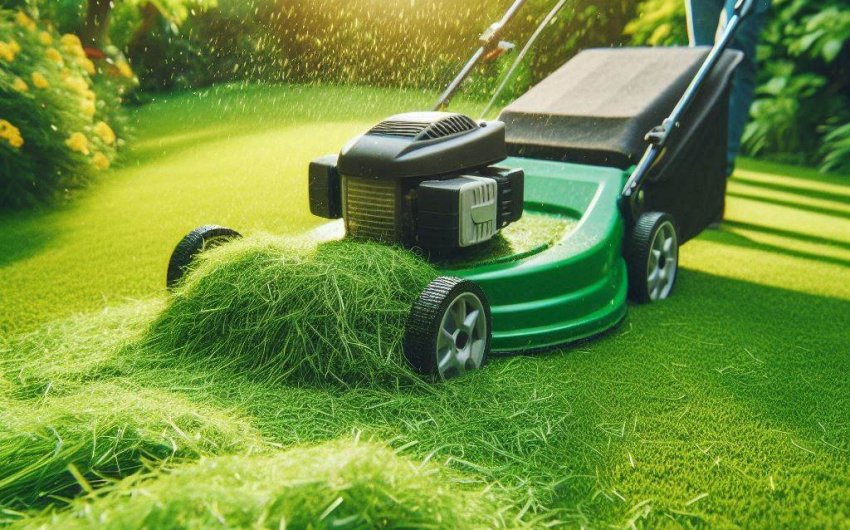
If you have a lawn, you know that mowing creates a lot of grass clippings. For many, these clippings go straight into the trash or a yard waste bin, destined for the landfill. But did you know that grass clippings are a fantastic, free resource for your compost pile? They are packed with nutrients and can really speed up the composting process. However, if you don't use them correctly, they can turn your compost pile into a smelly, slimy mess. Learning how to use grass clippings in composting correctly is key to turning this common yard waste into "black gold" for your garden, without any unpleasant surprises.
Why Grass Clippings are Composting Gold (and a little tricky)
Grass clippings are a true powerhouse for composting. They are considered a "green" material, and here's why they're so valuable:
High in Nitrogen
This is their superpower! Grass clippings are very high in nitrogen. Nitrogen is a key nutrient for the microbes that do all the hard work in your compost pile. These tiny workers need nitrogen to grow and multiply, which in turn helps break down all the other materials. Nitrogen also helps heat up your compost pile, speeding up decomposition.
Readily Available and Free
If you have a lawn, you have an endless supply of grass clippings every week or two during the growing season. They're a completely free source of valuable material for your compost.
Breaks Down Quickly
Because grass clippings are soft and have a high moisture content, they break down quite rapidly in a well-managed compost pile. This helps the overall composting process move along quickly.
The Tricky Part: The "Slimy Mat" Effect
While their benefits are great, grass clippings also come with a common problem if not managed correctly:
- Matting and Compacting: When you add a thick layer of fresh, wet grass clippings to a compost pile, they tend to compact down into a dense, slimy, oxygen-depriving mat.
- Lack of Air (Anaerobic Conditions): This mat blocks air (oxygen) from getting into the pile. The microbes that work best with oxygen (aerobic microbes) start to die off, and microbes that work without oxygen (anaerobic microbes) take over.
- Smell: These anaerobic microbes produce strong, unpleasant odors, often like rotten eggs or ammonia. This is a sign that your compost pile is going "sour" and isn't working efficiently.
- Slower Decomposition: While grass can break down quickly, if it becomes an anaerobic mat, the overall decomposition of the pile slows down significantly, and the quality of the compost suffers.
So, the goal is to harness the nitrogen and speed of grass clippings without letting them become a smelly, compacted mess.
The Golden Rule: Balance Your Greens and Browns
The most important concept in composting, especially when using grass clippings, is the carbon-to-nitrogen ratio (C:N ratio).
- Greens: These are materials high in nitrogen and moisture. Examples include grass clippings, fresh kitchen scraps (fruit and vegetable peels), coffee grounds, and fresh manure. They tend to be fast-decomposing.
- Browns: These are materials high in carbon and tend to be dry. Examples include dry leaves, straw, wood chips, shredded paper, cardboard, and sawdust. They provide structure and help with air circulation.
For a healthy, hot, fast-decomposing compost pile, you generally want a C:N ratio of around 25-30 parts carbon to 1 part nitrogen. Since grass clippings are so high in nitrogen ("greens"), you need to balance them with plenty of carbon-rich "browns." A good rule of thumb for volume is roughly 1 part green to 2 or 3 parts brown.
Methods for Using Grass Clippings in Composting
Here's how to integrate grass clippings into your compost pile like a pro, avoiding those common pitfalls.
Method 1: The Layering Method (Most Common and Recommended)
This is the classic approach for backyard compost piles and bins. It's simple and effective.
- How to do it:
- Start with Browns: Begin your pile with a layer of coarser "brown" materials like chopped leaves, straw, or wood chips. This helps with drainage and air circulation at the bottom.
- Add a Thin Layer of Grass Clippings: Spread a relatively thin layer (no more than 2-4 inches thick) of fresh grass clippings over the browns.
- Cover with a Thick Layer of Browns: Immediately cover the grass clippings with a layer of "browns" that is at least twice as thick as your grass layer. This is the crucial step! This prevents the grass from matting, absorbs excess moisture, and adds carbon.
- Repeat: Continue layering – thin grass, thick browns, thin kitchen scraps, thick browns, etc. Think of it like a lasagna.
- Moisture and Turning: Keep the pile as damp as a wrung-out sponge. Turn the pile regularly (once a week or every few days) to mix the materials, add oxygen, and ensure even decomposition. A compost aerator can make this easier.
- Benefits: Prevents matting and odors, balances C:N ratio, promotes aerobic decomposition, and creates good air flow.
- Best for: Any type of open compost pile, bin, or tumbler.
Method 2: Pre-Drying Grass Clippings
If you have a lot of grass clippings at once and not enough browns to immediately layer with them, you can dry them out first.
- How to do it:
- Spread fresh grass clippings out in a thin layer on a tarp, concrete driveway, or even a section of your lawn.
- Let them dry in the sun for a day or two, turning them occasionally with a rake, until they become crispy and brown, almost like hay.
- Once dry, they can be stored in bags or a dry corner and used as a "brown" material in your compost pile. They'll have a higher carbon content once dried.
- Benefits: Turns a "green" into a "brown" material, making it easier to balance your pile. You can store them for later use.
- Drawbacks: Takes extra time and space for drying.
- Best for: When you have a large flush of grass clippings and a shortage of dry brown materials.
Method 3: Mixing Heavily Before Adding
If you have a large open pile or bin, you can sometimes mix grass clippings with other materials before adding them to the pile.
- How to do it:
- On a tarp or concrete surface, combine your fresh grass clippings with a significant amount of dry brown materials (shredded leaves, straw, wood chips).
- Use a pitchfork or shovel to thoroughly mix them together, ensuring no large clumps of grass remain.
- Add this pre-mixed blend to your compost pile.
- Benefits: Ensures even distribution and aeration from the start.
- Drawbacks: Can be labor-intensive for large amounts.
- Best for: When you're adding a large amount of grass at once, or when you want to ensure perfect mixing.
Method 4: Grass Clippings in a Tumbler
Compost tumblers are excellent for mixing materials and getting good aeration, making them suitable for grass clippings.
- How to do it:
- Add a thin layer of grass clippings.
- Immediately add a larger volume of dry browns (shredded cardboard, dry leaves, wood chips).
- Add any other food scraps.
- Tumble the bin frequently (daily or every few days) to ensure thorough mixing and aeration.
- Benefits: Easier turning, sealed design can help retain heat, and quicker decomposition.
- Drawbacks: Can still go anaerobic if too much grass is added without enough browns or if not tumbled frequently. Tumblers can be expensive. A good compost tumbler is a good investment.
Things to AVOID When Composting Grass Clippings
Just as important as knowing what to do, is knowing what not to do.
1. Don't Add Thick Layers of Wet Grass Clippings Alone
This is the cardinal sin of composting with grass clippings. It's what leads to the slimy, smelly, anaerobic mess. Always mix or layer them with browns.
2. Avoid Grass Clippings from Chemically Treated Lawns
If your lawn has been treated with herbicides (weed killers) or pesticides, it's best to avoid adding those grass clippings to your compost pile, especially if you plan to use the compost on edible plants. These chemicals can persist in the compost and harm your plants. Wait at least a few weeks or a few mowings after chemical application before collecting clippings, or just avoid them entirely if you're concerned.
3. Don't Compost Grass with Lots of Weeds (Especially Seeding Weeds)
If your lawn is full of weeds that have gone to seed, those seeds can survive a cool compost pile and spread to your garden. If you're doing hot composting (where the pile consistently reaches 130-160°F or 54-71°C), the heat should kill most weed seeds. However, if your pile isn't consistently hot, it's safer to avoid adding a lot of seeding weeds.
4. Don't Add Too Much at Once
Even with proper layering, an overwhelming amount of grass clippings can still cause issues. If you have a massive amount from a large mowing, spread it out over several additions, or dry some first.
Tips for Success with Grass Clippings
- Chop or Shred: Smaller pieces break down faster. If your mower has a mulching function, let it do its work! Otherwise, chop up larger clumps with a shovel or fork before adding.
- Keep Browns Handy: Always have a good supply of carbon-rich materials near your compost bin. Store bags of dry leaves or straw so you can grab them easily whenever you add fresh grass. A leaf shredder can help you prepare your browns efficiently.
- Monitor Moisture: Fresh grass clippings are very wet. If your compost pile becomes too wet, add more dry browns. If it's too dry, decomposition will slow down.
- Turn Frequently: Especially after adding grass clippings. This is critical for getting oxygen into the pile and preventing matting. A compost thermometer can help you see how turning affects the heat.
- Know Your Compost Goals: If you're aiming for quick, hot compost, grass clippings are your best friend when used correctly. If you have a slow, passive compost pile, use grass clippings sparingly and in very thin layers.
- Consider Leaving Clippings on the Lawn: For many, the easiest way to handle grass clippings is to simply leave them on the lawn after mowing. If you mow frequently (cutting no more than 1/3 of the blade length at a time), the clippings are short enough to fall between the grass blades and quickly break down, returning nutrients to your lawn. This is called "grasscycling" and it's a great practice if your lawn doesn't need to be perfectly pristine or if you're not trying to build a compost pile.
Grass clippings are an incredibly valuable resource for any home composter. By understanding their properties (high nitrogen, high moisture) and applying the simple principle of balancing them with carbon-rich "brown" materials, you can harness their power to create rich, healthy compost quickly and without unpleasant odors. So, next time you mow, don't bag those clippings for the landfill – put them to work for your garden!