
Can You Compost Pet Waste Safely?
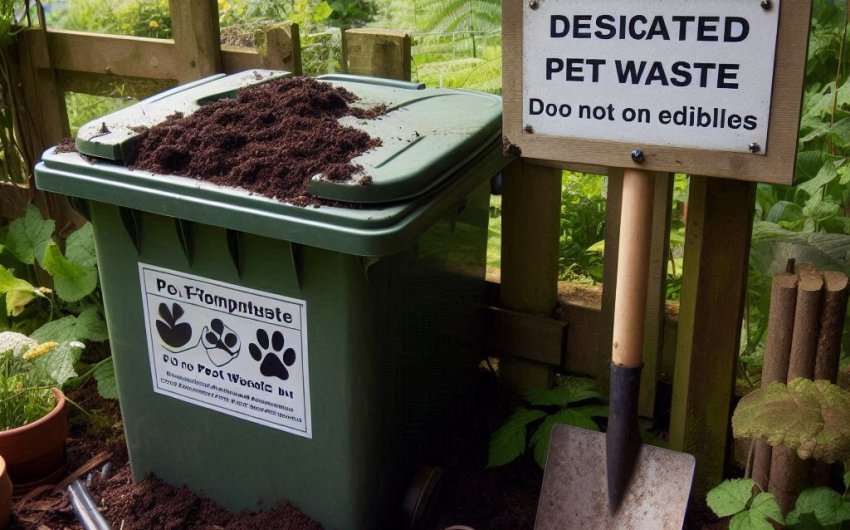
As pet owners, we generate a lot of waste – mostly pet waste. If you have a dog or an outdoor cat, you know exactly what we're talking about! All that poop adds up. Landfills are overflowing, and simply bagging it and throwing it away doesn't feel very environmentally friendly. So, the question naturally comes up: Can you compost pet waste safely? The short answer is yes, but it comes with some very important "buts." This isn't your regular garden compost pile, and there are significant safety rules you must follow to avoid spreading diseases.
The Big "Why Not?" (And Why We Still Want To)
Most general composting guides will tell you NOT to put pet waste in your regular backyard compost pile. And for very good reasons:
Pathogen Risk
This is the biggest and most serious concern. Pet waste, especially from dogs and cats, can contain harmful pathogens (germs) that can make humans very sick. These include:
- Bacteria: Like Salmonella and E. coli.
- Parasites: Such as roundworms, hookworms, tapeworms, and Giardia.
- Viruses: Like parvovirus.
- Toxoplasma gondii: This is especially dangerous in cat waste and can cause toxoplasmosis, which is a serious risk for pregnant women and people with weakened immune systems.
If these pathogens survive the composting process, they can contaminate your garden soil, your vegetables, and ultimately, you and your family. This is why the general advice is to avoid it.
Odor and Pest Attraction
Just like with meat scraps, pet waste can be quite smelly, especially if it doesn't break down quickly or if your compost pile isn't managed well. This odor can attract flies, rodents (rats, mice), and other scavengers like raccoons and opossums, which you definitely don't want near your home or garden.
Slower Decomposition
Unlike easily digestible kitchen scraps, pet waste can take a bit longer to break down, especially if it's not managed in a specific hot composting system.
The Big "How To" (Safely Composting Pet Waste)
Despite the risks, it is possible to compost pet waste safely. The key is to:
- Use a dedicated system. Never mix it with your regular food waste or garden compost.
- Ensure hot composting. The pile must reach high temperatures to kill pathogens.
- Know where to use the finished compost. It should never be used on edible plants.
Method 1: The Dedicated Pet Waste Composter (Digester)
This is the most common and safest method for home use. These systems are specifically designed for pet waste and resemble a small, buried septic system.
- What it is: A specialized container, often made of plastic, that is mostly buried in the ground. It usually has an open bottom, allowing the waste to interact with soil microbes and drain away liquid.
- How it works:
- Install: Dig a hole in a well-drained, sunny part of your yard, away from vegetable gardens, water sources, and drains. Bury the unit according to the instructions, leaving only the lid above ground.
- Add waste: Collect your pet waste (scoop it up with a shovel or use compostable bags) and drop it into the unit. Remove any plastic bags if you used them to collect.
- Add water: Follow the instructions for your specific digester, but generally, you add a small amount of water (a gallon or two) every few days or after adding a lot of waste. This helps the waste break down.
- Add a digester enzyme/starter: To help the waste break down faster and smell less, you'll need to add a specialized pet waste digester enzyme or starter solution. This contains beneficial bacteria and enzymes that accelerate decomposition.
- Let it work: The waste breaks down slowly over time into a liquid that is absorbed into the soil.
- Benefits:
- Low effort: Once set up, it's very easy to use.
- No smells: Because it's buried and uses digester enzymes, odors are minimal.
- Pest-free: The sealed, buried system keeps pests out.
- No actual "compost" to handle: The waste simply disappears into the soil.
- Drawbacks:
- Requires proper placement and drainage.
- Can only handle a certain amount of waste, not ideal for multiple large dogs.
- Not suitable for clay soils that drain poorly.
- You don't get a finished compost product.
- Best for: Most dog owners who want an easy, hands-off way to deal with dog waste. Brands like the Doggie Dooley Pet Waste Disposal System are popular options.
Method 2: Hot Composting in a Dedicated Bin
This method is more involved but allows you to create an actual finished compost product from pet waste. It must be a hot pile, and it must be kept separate from any compost for edible plants.
- What you need:
- A dedicated, secure compost bin: This should be separate from your regular garden compost. It needs a secure lid to keep animals out. A tumbler compost bin can work well here as it's sealed and easy to turn.
- High carbon materials (browns): Lots of sawdust, wood chips, shredded paper, straw, or dry leaves. You'll need more browns than usual for pet waste due to its high nitrogen content.
- A compost thermometer: Absolutely essential for monitoring temperatures. A compost thermometer helps ensure you hit the pathogen-killing temperatures.
- A turning tool: A compost aerator or pitchfork.
- How it works (The Recipe for Safety):
- Build a good base: Start your dedicated bin with a thick layer (6-12 inches) of carbon-rich "brown" materials.
- Add pet waste: Add a layer of pet waste.
- Add a thick layer of browns: This is crucial. For every 1 part pet waste, add at least 2-3 parts (by volume) of high-carbon material like sawdust or wood chips. This helps with odor, absorption, and balancing the carbon-to-nitrogen ratio. Bury the waste completely.
- Add water (if needed): The pile should be damp like a wrung-out sponge. If it's too dry, add a little water as you turn.
- Turn regularly: Turn the pile every few days (ideally 2-3 times a week). This introduces oxygen and ensures the entire pile heats up evenly.
- Monitor temperature: Use your compost thermometer. The pile must reach at least 140°F (60°C) and ideally stay between 140°F and 160°F (60°C - 71°C) for at least 5 consecutive days (or longer, up to 3 weeks). This is the temperature range that kills most harmful pathogens. If it doesn't get hot, you need more browns or more turning.
- Cure (Rest) for a long time: Even after the hot phase, the compost needs to sit and "cure" for at least 6-12 months (some experts recommend up to 2 years). This extended curing period further ensures any remaining pathogens die off and the material fully matures.
- Benefits:
- You get a useful compost product.
- Handles more waste than a digester.
- Drawbacks:
- Requires a lot of attention and monitoring.
- You need a steady supply of carbon materials.
- The curing time is very long.
- Still carries a small risk if not managed perfectly.
- Best for: Experienced composters with a strong understanding of hot composting and a reliable supply of carbon materials, who are committed to strict safety protocols.
Method 3: Trench Composting (The Easiest & Safest "Compost" for Pet Waste)
This is a simple and effective method for small amounts of pet waste, especially if you have a non-edible part of your yard.
- How it works:
- Dig a hole: Dig a small hole or trench in a designated area of your garden that will never be used for edible plants. A depth of 12-18 inches is good.
- Add waste: Drop the pet waste into the hole.
- Cover: Immediately cover the waste with at least 8-12 inches of soil.
- Repeat: When you have more waste, dig a new hole, or add to the same trench and cover again.
- Benefits:
- Very safe: The soil acts as a powerful filter and a home for microbes that break down the waste. The waste is buried, preventing odors and pests.
- Simple: Requires no special equipment beyond a shovel.
- No risk of spreading pathogens to edibles: Because it's never used for food plants.
- Drawbacks:
- You don't get a finished compost product to spread around.
- Requires digging holes.
- Not suitable for very large amounts of waste.
- Best for: Most home pet owners who want a very low-risk way to dispose of pet waste without putting it in the trash.
Where NOT to Use Pet Waste Compost
This is the MOST IMPORTANT rule:
NEVER use compost made from dog or cat waste on: vegetable gardens, fruit trees, herb beds, or any plants that produce food for human or animal consumption.
Why? Because even with hot composting, there's a small but significant risk that some pathogens (especially parasite eggs) might survive. Using this compost on edibles creates a direct pathway for these pathogens to get into your food.
Where CAN you use it?
- Ornamental flower beds: Use it around non-edible flowers, shrubs, and trees.
- Lawn amendment: Spread it thinly on your lawn.
- Trees and perennial beds: Use it around established trees or in dedicated perennial borders.
- Shrub plantings: Great for landscaping shrubs.
When handling finished pet waste compost, always wear gloves and wash your hands thoroughly afterward.
Other Important Considerations
Pet Diet
The diet of your pet can affect the waste. Pets on a raw meat diet might have a higher pathogen load. Consider this when deciding if you want to compost their waste.
Worming and Vet Care
Regular deworming and veterinary check-ups for your pets can reduce the parasite load in their waste, though it doesn't eliminate the need for safe composting practices.
What About Pet Bedding and Litter?
- Non-clumping, natural cat litter (wood shavings, paper pellets): If soaked with urine, this can be added to your dedicated pet waste compost pile or even a regular hot compost pile (minus the poop). If it has feces, treat it like pet waste.
- Clumping cat litter (clay-based): Absolutely NOT compostable. It contains bentonite clay and chemical additives that will not break down and can harm your garden.
- Puppy pads/diapers: NO. These contain plastics and chemicals and are not compostable.
- Shredded newspaper bedding (from small animals like rabbits/hamsters): This is generally fine for a regular compost pile, especially if the animals are herbivores and healthy. The waste from these animals is usually lower risk.
Compostable Pet Waste Bags
If you use bags to pick up waste, make sure they are certified compostable pet waste bags. These are made from plant-based materials and will break down in a hot compost system or specialized digester. Regular plastic bags will not. A compostable dog poop bag can make collection easier.
Is It Worth the Effort?
For many people, the dedicated pet waste digester (Method 1) is the easiest and safest option to reduce landfill waste. For those with multiple pets or a strong desire to create a finished product, the hot composting method (Method 2) is possible but requires significant dedication to safety. The trench method (Method 3) is a great simple alternative for small amounts.
Ultimately, deciding whether to compost pet waste depends on your comfort level with the risks, your dedication to following safety protocols, and your specific garden setup. If you are ever in doubt, or if you have a vulnerable person in your household (pregnant women, young children, immunocompromised individuals), it's always safest to bag and dispose of pet waste in the trash. But for those willing to learn and apply the proper techniques, it can be a rewarding way to manage pet waste more sustainably.