
How to Make Bokashi Compost Indoors with Ease?
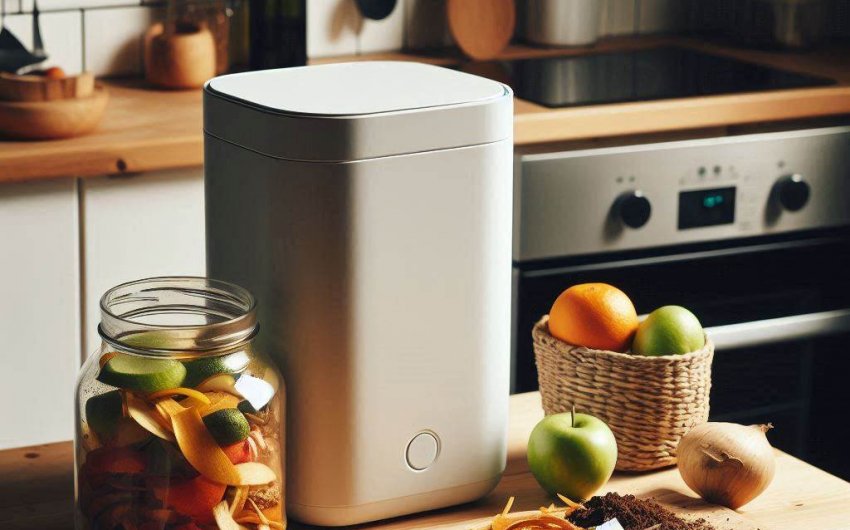
Want to compost your food scraps, even meat and dairy, without smells or pests? And do it all inside your home? Then Bokashi composting might be your new favorite thing! Unlike traditional composting, which is about breaking down organic matter, Bokashi is about fermenting it. This process makes it super easy to handle all kinds of kitchen waste indoors. If you've been hesitant about composting because of space, smells, or what you can put in, learning how to make Bokashi compost indoors with ease is a game-changer. It's clean, efficient, and incredibly simple.
What is Bokashi Composting?
Let's clear up some common ideas first. Bokashi is not traditional composting. It's a special way of fermenting food waste using a mix of beneficial microbes. Think of it like making sauerkraut or yogurt, but for your kitchen scraps.
Here's the main difference:
- Traditional Composting: Breaks down materials using oxygen. It usually creates heat and a finished product that looks like dark soil. It can be slow and picky about what you add (no meat or dairy usually).
- Bokashi Composting: Ferments materials without oxygen. It uses a specific blend of microbes called Effective Microorganisms (EM), usually mixed into a bran. The food scraps don't actually break down much in the Bokashi bin itself. Instead, they get pickled, which stops them from rotting and smelling bad. Once fermented, this "pre-compost" is then buried in the soil or added to a regular compost pile to finish breaking down very quickly.
Key Benefits of Bokashi Indoors
- Compost All Food Scraps: Yes, even meat, bones, fish, dairy, cooked food, citrus, and oils! This is a huge advantage over traditional composting.
- No Smells: Because it's a sealed, anaerobic (no oxygen) fermentation process, there are almost no bad odors. You might notice a slightly sweet, pickly, or yeasty smell, but it's not unpleasant.
- Pest-Free: No smells means no flies, rodents, or other pests trying to get into your bin. Perfect for indoor use.
- Fast: The fermentation part only takes about 2-4 weeks. Once buried, the fermented material breaks down rapidly in the soil.
- Nutrient Retention: The fermentation process actually helps keep more nutrients in the food waste compared to traditional composting, making it better for your garden.
- Compost Tea: You get a liquid "Bokashi tea" that can be used as a liquid fertilizer or drain cleaner.
What You Need to Get Started
Setting up your Bokashi system is straightforward. You don't need much.
1. Bokashi Bin(s)
This is the heart of your system. A proper Bokashi bin is essential.
- Airtight: It must be airtight. This is crucial for the anaerobic fermentation process.
- Drainage: Most Bokashi bins have a spigot at the bottom to drain off the "Bokashi tea" (also called leachate). This liquid is normal and needs to be drained regularly.
- Size: Standard bins are usually 5-gallon (19-liter) capacity. Many people use two bins: one filling up, one fermenting.
- Where to Buy: You can buy a Bokashi kitchen composter kit online or at some garden centers.
2. Bokashi Bran (Bokashi Starter)
This is the special ingredient. Bokashi bran is typically wheat bran (or rice hulls, sawdust, etc.) that has been inoculated with the Effective Microorganisms (EM) and then dried. It's these EM microbes that do the fermenting work.
- Where to Buy: You can buy Bokashi bran online. It usually comes in bags and lasts a long time if stored in a cool, dry place.
3. Food Scraps
This is what you're composting!
- All food waste: Cooked or raw, meat, fish, dairy, bones (small ones will soften), fruits, vegetables, coffee grounds, tea bags, bread, pasta, sauces, citrus peels.
- Avoid: Large liquids (like milk, juice, or soups poured in directly), paper (unless it's just a tiny bit), plastics, or anything that isn't food.
4. A Small Scraper or Compacting Tool
Something to press down the food scraps to remove air and compact them in the bin. A potato masher or a sturdy spatula works fine. Many Bokashi bins come with a tool for this.
Step-by-Step Guide: Making Bokashi Compost Indoors
This process is remarkably simple. Follow these steps for success:
Step 1: Prepare Your Bin
- Make sure your Bokashi bin is clean and the spigot is closed.
- Add a layer of bran: Sprinkle a generous handful (about 1-2 tablespoons, or more for larger bins) of Bokashi bran at the bottom of the bin. This gives a good start to the fermentation process.
Step 2: Add Food Scraps
- Collect your scraps: Keep a small container in your kitchen for daily food scraps.
- Chop them up: The smaller the pieces, the faster they will ferment. Aim for pieces no larger than your thumb.
- Add a layer: Once you have a reasonable amount (a cup or two), add it to the Bokashi bin. Spread it out evenly.
Step 3: Sprinkle More Bokashi Bran
- Cover the scraps: Sprinkle another layer of Bokashi bran over the newly added food scraps. The amount depends on the type of food.
- For common fruit and veggie scraps: about 1 tablespoon per layer.
- For meat, fish, dairy, or fatty foods: use a bit more bran (2-3 tablespoons or even more). These items need extra microbes to break down properly and prevent odors.
- If you're unsure, it's always better to use a little more bran than not enough.
Step 4: Press Down and Seal
- Remove air: Use your scraper or compacting tool to press down firmly on the food scraps. This pushes out any trapped air, which is vital for the anaerobic process. Less air means better fermentation and fewer problems.
- Seal the lid: Close the lid of the Bokashi bin tightly. It must be airtight! This keeps oxygen out and helps the microbes thrive.
Step 5: Repeat Daily
- Keep adding layers of food scraps, sprinkling bran, pressing down, and sealing the lid until your Bokashi bin is full.
- Consistency is key: Try to add food scraps at least once a day or every other day to keep the process active. Don't leave the bin open for too long.
Step 6: Drain the Bokashi Tea
- Regularly: Every 1-3 days, depending on how much food waste you're adding and its moisture content, open the spigot at the bottom of the bin and drain the "Bokashi tea."
- What it looks like: This liquid should be yellowish-brown and might have a slightly sweet, yeasty, or sour smell. If it's dark and smells foul or rotten, something is wrong (usually too much liquid, or not enough bran).
- How to use it:
- Fertilizer: Dilute the tea with water (usually 1 part tea to 100 parts water, or 1:50 for strong plants) and use it to water your indoor or outdoor plants. It's a fantastic liquid feed!
- Drain Cleaner: Undiluted, it can help clean and deodorize drains, pipes, and septic systems due to the beneficial microbes. Just pour it down.
- Don't skip this: Leaving too much liquid in the bin can disrupt the fermentation and lead to bad smells.
Step 7: The Fermentation Period (When the Bin is Full)
- Once your Bokashi bin is full, seal it tightly and put it aside for 2-4 weeks to ferment.
- Ideal location: Store it indoors, in a warm, dark place (like under the sink, in a pantry, or in a laundry room). Avoid direct sunlight or very cold spots.
- Crucial Step: Do NOT open the lid during this period, except to drain any tea. Opening it introduces oxygen and can ruin the process.
- What happens: During this time, the microbes continue their work, pickling the food scraps. You might notice the sides of the bin swelling a little, or some white, harmless mold forming on the surface (this is good!). Black or green mold means something went wrong (too much oxygen, not enough bran).
Step 8: Bury or Compost the Fermented Material
After 2-4 weeks, your Bokashi pre-compost is ready for its next step. It will still look largely like the food scraps you put in, but it will be pickled and have a distinctive, sour smell.
- Burial (Best Method for Home Gardeners):
- Dig a trench or hole in your garden or raised bed, about 8-12 inches deep.
- Empty the fermented Bokashi material into the hole.
- Cover it with at least 6-8 inches of soil.
- You can plant on top of it after about 1-2 weeks (for light feeders) or 2-4 weeks (for heavy feeders). The fermented material breaks down very quickly in the soil, usually within a few weeks to a couple of months, becoming nutrient-rich compost.
- Why this works: The soil microbes and earthworms love the pre-digested food and will quickly break it down, releasing all those good nutrients.
- Adding to a Traditional Compost Pile:
- Dig a deep pit in your traditional compost pile.
- Bury the Bokashi material deep inside, covering it with at least 8-12 inches of other compost materials.
- Benefits: The Bokashi material supercharges your traditional compost pile, helping it heat up faster and breaking down materials more efficiently. It also ensures those tricky items like meat and dairy break down safely.
Troubleshooting Common Bokashi Issues
Bokashi is pretty forgiving, but sometimes things go wrong.
Bad Odor (Rotten/Ammonia Smell)
- Cause: Too much liquid in the bin, not enough Bokashi bran added, or too much oxygen getting in (lid not sealed properly, or opened too often).
- Solution:
- Drain all the liquid immediately.
- Add a generous amount of fresh Bokashi bran to the top layer.
- Press down firmly to remove air.
- Make sure the lid is sealed tightly.
- If it's really bad, you might have to empty the bin and start over, burying the failed batch deep in the garden.
Green or Black Mold
- Cause: Too much oxygen getting into the bin. White mold is good and normal, but green or black mold means spoilage.
- Solution: Unfortunately, if you see green or black mold, the batch is likely ruined. It needs to be buried deeply in the garden or discarded, as it won't be beneficial. Clean the bin thoroughly before starting a new batch.
No Bokashi Tea / Too Dry
- Cause: Not enough moisture in the food scraps being added, or the bin isn't full yet (liquid accumulates over time).
- Solution: Don't worry too much about it. If your food scraps are mostly dry materials (like bread or dry cereals), you might not get a lot of tea. The fermentation can still happen effectively. Just make sure you're using enough bran. If you really want more tea, you can add a tiny bit of water to very dry scraps.
Pests
- Cause: This should almost never happen indoors with a properly sealed Bokashi bin. If you have pests, it means the bin isn't sealed tightly, or you're leaving it open too long.
- Solution: Check your lid seal. Ensure you close it immediately after adding scraps. If the problem persists, ensure your bin is truly airtight.
Advanced Bokashi Tips
- Two Bin System: As mentioned, having two Bokashi bins makes the process smooth. While one bin is fermenting for 2-4 weeks, you can start filling the second one. This ensures a continuous cycle.
- Drainage Tray: Some DIY Bokashi setups use two buckets, one inside the other with holes drilled in the top one, so the liquid drains to the bottom one, away from the food. Purchased bins usually have this built-in.
- Buy Quality Bran: The effectiveness of your Bokashi depends heavily on the quality and freshness of your bran. Buy from a reputable source, like a Bokashi Starter Kit, and store it according to instructions.
- Consistency: Try to add food scraps at regular intervals to maintain the fermentation environment.
- Seasonal considerations: In colder climates, if you can't bury the material in your garden during winter, you can store the fermented Bokashi material in sealed containers or bags until spring.
Bokashi composting offers an incredibly simple, odor-free, and pest-free way to manage almost all your kitchen waste indoors. It's a fantastic solution for apartment dwellers, those with small yards, or anyone who wants to take their composting to the next level. By following these easy steps, you'll be turning your food scraps into valuable garden nourishment with ease.