
How to Add Compost to Your Garden Beds Properly?
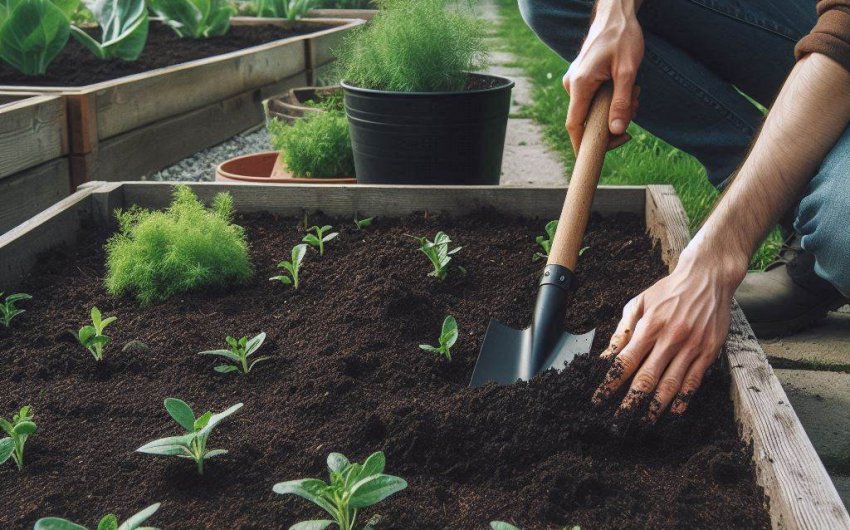
You've done the hard work! You've collected kitchen scraps, diligently turned your compost pile, and waited patiently. Now you have a beautiful pile of finished, rich compost, often called "black gold." But how do you use it? Just dumping it on top of your garden beds isn't always the best approach. Knowing how to add compost to your garden beds properly is just as important as making it. The right way to add compost can make a huge difference in how well your plants grow, how healthy your soil becomes, and how much work you save yourself in the long run.
Why Compost is So Good for Your Garden
Before we dive into the "how," let's quickly remember the "why." Compost is not just a fertilizer; it's a soil conditioner. It does amazing things for your garden:
- Improves Soil Structure: If you have heavy clay soil, compost helps break up those dense clumps, making it easier for roots to grow and for water to drain. If you have sandy soil, compost acts like a sponge, helping it hold onto water and nutrients that would otherwise wash away.
- Feeds the Soil Life: Compost is packed with beneficial microbes, fungi, and earthworms. These tiny workers are essential for a healthy garden. They break down organic matter, release nutrients, and create a strong "soil food web."
- Provides Nutrients Slowly: Unlike chemical fertilizers that give a quick burst of nutrients, compost releases nutrients slowly over time. This creates a steady food supply for your plants, reducing the risk of over-fertilization.
- Boosts Water Retention: Thanks to its spongy nature, compost helps your soil absorb and hold onto more water, meaning you might not have to water as often.
- Balances pH: Over time, compost helps bring the soil pH closer to a neutral level, which is ideal for most plants.
- Suppresses Diseases: A healthy, biologically active soil, enriched with compost, is more resilient to plant diseases.
Clearly, adding compost is one of the best things you can do for your garden. Now, let’s get to the best ways to apply it.
When to Add Compost to Your Garden
Timing is important when it comes to adding compost.
Spring Application
This is often the most popular time. Adding compost in spring gives your plants a great start to the growing season.
- Before Planting: If you're starting a new garden bed or planting annuals, spring is ideal for mixing compost into the soil.
- As a Top-Dressing: For perennial plants, trees, and shrubs, spring is a good time to spread a layer of compost around their base.
Fall Application
Many experienced gardeners swear by fall composting.
- "Winter Blanket": Spreading compost in the fall acts like a protective blanket for your garden beds. It feeds the soil microbes through the winter, and by spring, the nutrients are perfectly available for new plants.
- Reduces Spring Work: When spring arrives, your beds are already enriched and ready for planting, saving you time.
- Soil Improvement: The winter rains and snow help work the compost deeper into the soil.
Anytime Application (Maintenance)
You don't have to wait for spring or fall. You can add compost anytime your garden needs a boost, especially around hungry plants or if your soil looks tired.
- Mid-Season Boost: Some gardeners add a lighter layer of compost mid-season around heavy feeders like tomatoes, corn, or squash.
- Container Plants: Potted plants use up nutrients faster. Top-dress them with compost every few months.
How to Prepare Your Compost for Application
Before you start spreading, a little preparation can make your compost even more effective.
Sifting Your Compost (Optional but Recommended)
For most garden bed applications, you don't have to sift your compost. However, if you want a finer product, especially for potting mixes, seed starting, or top-dressing delicate plants, sifting is a great idea.
- Why Sift? Sifting removes any larger, still-decomposing chunks (like twigs, corn cobs, or stubborn avocado pits) and gives you a uniform, fine material.
- How to Sift: Use a compost sifter (also called a compost screen). You can buy one like a compost sifter or make one by nailing hardware cloth (a sturdy wire mesh, often 1/2-inch or 1-inch openings) to a simple wooden frame. Place the sifter over a wheelbarrow or tarp and shovel your compost onto it, shaking it through.
- What to do with the "rejects": Any larger pieces that don't go through the screen can be tossed back into your active compost pile to break down further. This recycles them and makes sure nothing goes to waste.
Ensuring Readiness
Remember the tests from the previous article? Before you add compost to your beds, make sure it's:
- Dark and Earthy: Uniform dark brown or black.
- Crumbly: Falls apart easily in your hand.
- Smells Good: Like fresh forest soil, not sour or rotten.
- Cool: No longer giving off heat.
- No Recognizable Food Scraps: Unless you're okay with partially broken down items in specific applications.
Methods for Adding Compost to Garden Beds
There are several ways to apply compost, and the best method depends on your goals, the type of garden bed, and your plants.
1. Mixing into the Soil (Amending New Beds or Before Planting)
This is the most common method for new garden beds or when preparing beds for new plantings (like annual vegetables).
- When to do it: In spring before planting, or in fall after harvesting.
- How much to add: Aim for a 2-4 inch layer of compost over the entire bed. If your soil is very poor, you can go up to 6 inches for the first application.
How to apply:
- Clear the bed: Remove any weeds or old plant debris.
- Spread the compost: Evenly spread the 2-4 inch layer of finished compost over the surface of your garden bed.
- Incorporate: Use a garden fork or shovel to gently mix the compost into the top 6-12 inches of your existing soil. You don't need to dig really deep or "turn" the soil completely upside down (which can harm soil structure). The goal is to blend it. If you're in a no-till situation, just spread it and let the worms and rain do the work.
- Level and Plant: Smooth out the bed, and you're ready to plant!
Benefits: Directly improves the entire root zone of your plants, boosting soil structure, drainage, and nutrient availability from the start.
2. Top-Dressing (Existing Plants and Perennial Beds)
Top-dressing means spreading a layer of compost on the surface of the soil, around existing plants, rather than mixing it in. This is excellent for perennial beds, shrubs, trees, and established vegetable gardens.
- When to do it: Spring, when plants are just waking up, or fall, to feed the soil over winter. Can also be done mid-season for a boost.
- How much to add: A 1/2-inch to 1-inch layer is usually enough for maintenance. For very hungry plants or poor soil, you can go up to 2 inches.
- How to apply:
- Prepare the area: Gently pull back any mulch if present. Remove any large weeds around the plants.
- Spread the compost: Evenly sprinkle the desired layer of compost around the base of your plants. Make sure to keep it a few inches away from the plant stems or tree trunks to prevent rot.
- Re-mulch (optional): If you use mulch, replace it on top of the compost. The mulch will help protect the compost and prevent weeds.
- Benefits: Feeds plants slowly, improves soil structure without disturbing roots, suppresses weeds, and conserves moisture. Earthworms will gradually pull the compost down into the soil.
3. Side-Dressing (Targeted Feeding)
Side-dressing is similar to top-dressing but focuses on individual, hungry plants.
- When to do it: During the growing season when plants are actively producing (e.g., tomatoes, squash, corn, peppers).
- How much to add: A handful or two per plant, depending on its size.
- How to apply:
- Create a small furrow: Gently make a shallow groove (about 1-2 inches deep) around the base of the plant, a few inches away from the main stem.
- Add compost: Place a thin layer of compost in the furrow.
- Cover: Gently cover the compost with soil.
- Water: Water thoroughly to help nutrients seep down.
- Benefits: Provides a quick nutrient boost directly to the roots of specific plants that need extra food.
4. Layering in Raised Beds (Lasagna Gardening)
If you're building a new raised garden bed or doing a major overhaul, the "lasagna gardening" method is a fantastic way to use large amounts of compost and other organic materials.
- How it works: You build up layers of "greens" (nitrogen-rich materials like kitchen scraps, grass clippings, fresh manure) and "browns" (carbon-rich materials like cardboard, newspapers, dry leaves, straw). Finished compost is used throughout these layers or as the final top layer.
- How to use compost here:
- Bottom Layer: You can put a layer of finished compost directly on the ground before starting your layers.
- Between Layers: A thin layer of compost between different "green" and "brown" layers can act as an inoculant, speeding up decomposition.
- Top Layer: A final 4-6 inch layer of finished compost is ideal for planting directly into.
- Benefits: Creates a highly fertile, no-dig bed from scratch. Uses up a lot of organic waste.
5. Incorporating into Potting Mixes
Finished, sifted compost is a fantastic ingredient for homemade potting mixes.
- How to do it: A common ratio is 1 part finished compost to 1 part perlite or vermiculite, and 1 part coir or peat moss. You can adjust this based on your plants' needs. For example, 1 part compost, 1 part perlite, 1 part topsoil works well for general purpose.
- Benefits: Adds nutrients, improves drainage, and provides beneficial microbes for container plants.
6. Making Compost Tea
While not directly adding solid compost to beds, making compost tea and applying it to plants is an excellent way to transfer the benefits of compost to your garden.
- How to make it: Steep finished compost in water (preferably non-chlorinated) for 24-48 hours. You can use a dedicated compost tea brewer or a simple bucket and burlap bag.
- How to apply: Dilute the "tea" (often 1 part tea to 10 parts water) and use it to water your plants or spray it directly on their leaves (foliar feeding).
- Benefits: Provides a quick dose of liquid nutrients and beneficial microbes directly to plants.
Important Considerations and Tips
To get the most out of your compost and avoid common pitfalls:
Don't Overdo It
While compost is wonderful, more isn't always better. Adding too much at once, especially unfinished compost, can lead to problems. A consistent, moderate application (1-2 inches annually) is usually more beneficial than a massive dump every few years.
Work With Your Soil
Before adding compost, observe your existing soil.
- Heavy Clay: Needs more compost, which you can lightly dig in.
- Sandy Soil: Also benefits greatly from compost to improve water retention.
- Loamy Soil: May need less frequent additions.
Water After Application
Always water your garden beds after applying compost, especially if you've top-dressed. This helps settle the compost, prevents it from blowing away, and helps integrate it into the existing soil, making nutrients available to plants.
Avoid Compacting the Soil
When spreading compost, try not to walk directly on your garden beds. Use pathways or spread from the edge to avoid compacting the soil, which negates the benefits of compost. A garden kneeler can make this more comfortable.
Don't Bury It Too Deep
While mixing compost into the top layers is good, don't bury it too deep (e.g., more than 12 inches). Most of the beneficial soil life and root activity happens in the top layers of soil. Compost needs oxygen to continue its work, and burying it too deep can lead to anaerobic conditions.
Don't Over-Till
If you want to maintain a healthy soil structure and not disturb the existing soil food web, limit tilling. For established beds, simply top-dressing is often sufficient. The worms and other soil organisms will do the work of pulling the compost down into the soil for you. If your soil is very compacted or you're starting a new bed, a light initial incorporation is fine.
Consider a Wheelbarrow or Cart
Moving a lot of compost can be heavy work. A good garden wheelbarrow or garden cart can save your back and make the job much easier.
Protect from Erosion
If applying a thick layer of compost to a sloped area, consider adding a layer of mulch on top to prevent it from washing away during heavy rains.
Properly adding compost to your garden beds is not just about spreading it around. It's about understanding your soil's needs, timing your applications, and using the right techniques to maximize the benefits of this incredible natural resource. By following these guidelines, you'll ensure your plants get the best possible start and continue to thrive in a truly healthy, living soil. Happy gardening with your "black gold"!