
How to Water Your Lawn Without Wasting Water?
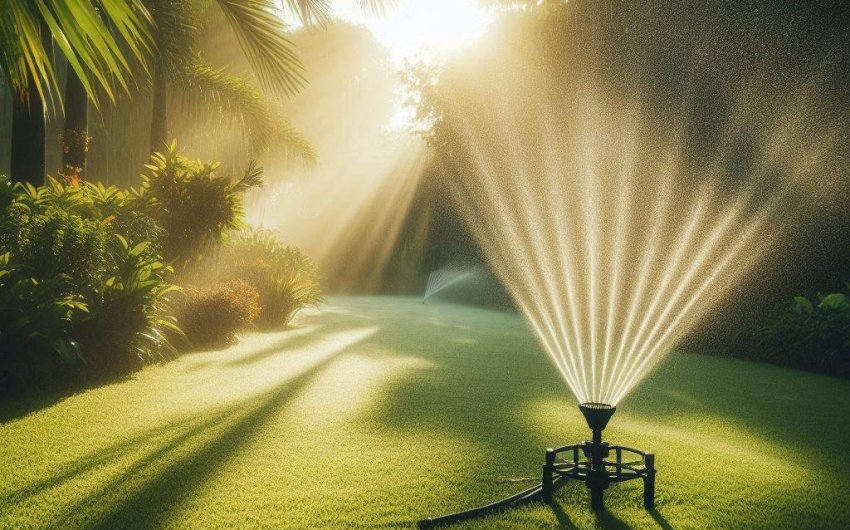
A lush, green lawn is a classic element of many homes, providing a beautiful space for recreation, relaxation, and curb appeal. However, maintaining that vibrant turf, especially during hot, dry spells, often requires significant watering. In an era where water conservation is increasingly vital, both for environmental sustainability and managing utility bills, the traditional approach of simply "turning on the sprinklers" can feel wasteful. The good news is that achieving a healthy lawn and practicing smart water use are not mutually exclusive.
Learning how to water your lawn without wasting water is a skill that benefits your turf, your wallet, and the planet. It’s about shifting from mindless irrigation to a mindful strategy that understands your lawn's true needs, utilizes efficient technologies, and leverages cultural practices to build a more drought-resilient landscape. By adopting these water-wise lawn care tips, you can ensure your grass receives the hydration it needs to thrive while minimizing runoff, evaporation, and unnecessary consumption, proving that a beautiful lawn can indeed coexist with responsible resource management.
Why is Water Conservation Important for Lawns?
Beyond the obvious environmental reasons, water conservation in lawn care offers direct benefits to your grass and your wallet.
How Does Water Waste Impact the Environment?
- Depletes Resources: Fresh water is a finite resource. Excessive outdoor watering, especially for lawns, puts a strain on local water supplies, particularly in drought-prone regions.
- Energy Consumption: Pumping, treating, and delivering water consumes significant amounts of energy, contributing to carbon emissions.
- Water Pollution: Runoff from over-watered lawns can carry fertilizers and pesticides into storm drains, rivers, and lakes, leading to eutrophication (algae blooms) and harming aquatic ecosystems.
- Increased Runoff: When lawns are overwatered, the soil cannot absorb all the water, leading to runoff that can erode soil and carry pollutants.
Does Wasting Water Cost Me Money?
Yes, absolutely. Every drop of water you use (and waste) costs you money.
- Higher Water Bills: Excessive watering directly translates to higher monthly water bills, sometimes dramatically so during peak irrigation seasons.
- Increased Energy Bills: If you have a well or a pump for irrigation, running it longer than necessary also increases your electricity bill.
- Wasted Products: When water runs off, it can carry away expensive fertilizers and pesticides, meaning you're losing product and money.
- Cost of Repair: Overwatering can lead to disease, compaction, and general lawn decline, potentially incurring costs for repairs, reseeding, or even full lawn replacement.
How Does Overwatering Harm My Lawn?
Paradoxically, giving your lawn too much water can be just as damaging as too little.
- Shallow Roots: Constant, shallow watering encourages grass roots to stay near the surface. These shallow roots are highly vulnerable to drought, heat stress, and disease, making the lawn weaker.
- Nutrient Leaching: Excess water washes away essential nutrients from the root zone, making them unavailable to the grass and leading to a weaker lawn that is more susceptible to disease.
- Soil Compaction: Overly wet soil can become compacted, reducing air pockets vital for root growth and microbial activity.
- Fungal Diseases: Prolonged wetness in the soil and on grass blades creates ideal conditions for many common fungal lawn diseases (e.g., brown patch, dollar spot, Pythium blight), leading to unsightly brown spots and decline.
- Weed Growth: Some weeds thrive in overly wet conditions, competing with your grass.
How Do I Know When My Lawn Needs Water?
Forget rigid schedules! The absolute best way to water your lawn is by observing its signs and checking the soil.
The "Footprint Test": A Simple Indicator
This easy test is a good visual indicator of your lawn's thirst.
- How to Do It: Walk across your lawn.
- What to Look For:
- If your footprints largely disappear quickly, your lawn is likely well-hydrated.
- If your footprints remain clearly visible for a while (because the grass blades aren't springing back up), your lawn is starting to stress and likely needs water.
What are the Visual Signs of a Thirsty Lawn?
Your grass will tell you when it's thirsty if you know what to look for.
- Dull, Bluish-Green Color: A well-hydrated lawn is typically a vibrant green. As it starts to stress from lack of water, its color will dull and take on a grayish or bluish-green tint.
- Wilting/Curling Blades: Grass blades will begin to wilt, curl inward, or fold along their length. This reduces the surface area exposed to the sun, a natural defense mechanism to conserve water.
- Lack of Springiness: As in the footprint test, grass blades will lose their turgor (stiffness) and won't bounce back after being stepped on.
How Can I Check Soil Moisture Directly?
This is the most accurate way to determine if your lawn truly needs water.
- Screwdriver Test: Push a long screwdriver or a sturdy piece of wire into the lawn. It should push in easily through the grass and top few inches of soil if it's moist. If it's difficult to push in, the soil is dry.
- Soil Probe: A soil probe for lawns can extract a core sample, allowing you to visually inspect the soil's moisture content to a depth of 6-8 inches.
- Soil Moisture Meter: A soil moisture meter for lawns can give you a digital reading of the moisture level at different depths.
What are the Best Watering Practices to Avoid Waste?
Watering smart is about how and when you apply water, not just how much.
How Important is Deep and Infrequent Watering?
This is the golden rule for efficient and effective lawn watering.
- Encourages Deep Roots: When you water deeply (applying about 1 inch of water), the moisture penetrates far down into the soil. This encourages grass roots to grow deep to reach that water. Deep roots make the lawn much more drought tolerant and resilient to heat stress.
- Avoids Shallow Roots: Frequent, shallow watering keeps only the top few inches of soil moist. This trains grass roots to stay shallow, making them highly vulnerable to drying out and to surface-feeding pests.
- Frequency: The frequency depends on your climate, soil type, and grass type. In hot, dry weather, deep watering might be needed 1-3 times a week. In cooler periods, every 1-2 weeks, or even less, might be enough. Always check the grass signs first.
When is the Best Time of Day to Water?
- Early Morning (Ideal): The best time to water your lawn is between 4 AM and 9 AM (or before 10 AM).
- Reduced Evaporation: Temperatures are cooler, and winds are typically calmer, minimizing water loss due to evaporation.
- Allows for Drying: The grass blades have time to dry off in the morning sun, which is crucial for preventing fungal diseases.
- Avoid Midday: Never water in the middle of the day. Most of the water will evaporate before it reaches the roots, leading to significant waste.
- Avoid Evening/Night: Watering in the evening or at night is also not ideal. The water will sit on the grass blades all night, creating a damp environment that encourages the growth of many fungal diseases.
How Much Water Does My Lawn Actually Need?
A general guideline is about 1 inch of water per week (either from rain or irrigation) for most established lawns during the active growing season.
- How to Measure:
- Rain Gauge: Place a rain gauge in your yard to track natural rainfall. Subtract this from the 1 inch per week.
- Tuna Cans/Rain Gauges in Sprinkler Zone: Place several empty tuna cans (or small rain gauges) in different spots within your sprinkler's watering zone. Turn on the sprinkler and time how long it takes to collect 1 inch of water in the cans. This will tell you how long to run your sprinkler for a deep watering session.
- Soil Type Matters:
- Sandy Soil: Drains quickly, may need less water per application but more frequent applications.
- Clay Soil: Drains slowly, can hold more water per application but needs less frequent applications. Water slowly to prevent runoff.
What is the "Cycle and Soak" Method for Sloped Areas?
For lawns with slopes or very compacted soil, the soil may not absorb water fast enough, leading to runoff.
- How to Do It: Instead of watering for one long period until you reach 1 inch, break it into shorter cycles. Water for 10-15 minutes, then wait an hour or two (or even longer) to let the water soak in. Repeat this 2-3 times until you've applied the desired 1 inch of water.
- Benefits: Prevents runoff, ensures water penetrates deeply, and reduces waste. A lawn watering timer can be programmed for this.
What Efficient Irrigation Systems Can Save Water?
Upgrading your watering tools can significantly reduce water waste.
What are Smart Irrigation Controllers?
These advanced controllers go beyond simple timers.
- Weather-Based: They connect to local weather stations or use on-site weather sensors to adjust watering schedules automatically based on real-time weather conditions (rain, temperature, humidity, wind). If it rained, they skip a watering cycle.
- Soil Moisture Sensors: Some controllers integrate with soil moisture sensors placed in your lawn. They only water when the soil moisture level drops below a set threshold.
- Benefits: Dramatically reduce water waste by eliminating unnecessary watering. Optimize watering for plant health. Can be controlled via smartphone apps.
- Cost: Higher upfront cost, but significant long-term water savings.
How Do Drip Irrigation and Soaker Hoses Work for Lawns?
While primarily used for garden beds, these systems can be adapted for certain lawn areas or specific patches.
- Targeted Delivery: They deliver water slowly and directly to the root zone, minimizing water loss from evaporation and runoff.
- Drip Irrigation: Uses a network of small tubes with emitters that drip water precisely onto the soil. Best for specific planting areas or irregular-shaped zones.
- Soaker Hoses: Porous hoses that slowly weep water along their entire length. Can be laid out in rows for targeted watering.
- Benefits: Extremely efficient, little to no water waste.
- Limitations: Less practical for large, open lawn areas. More suited for garden beds or perimeter planting around turf. A soaker hose kit is effective for small areas.
What are Efficient Sprinkler Heads?
Even standard sprinkler systems can be made more efficient.
- Matched Precipitation Rate (MPR): Ensure all sprinkler heads within a zone apply water at a similar rate. Mixing different types of heads in one zone leads to overwatering in some areas and underwatering in others.
- Nozzle Efficiency: Use efficient sprinkler nozzles designed to apply water more evenly and with larger droplets (less susceptible to wind drift). Rotary nozzles are often more efficient than traditional spray nozzles for larger areas.
- Head Placement: Ensure proper head-to-head coverage to avoid dry spots and overwatered areas. Overlapping coverage is key.
- Regular Maintenance: Check sprinkler heads regularly for clogs, damage, or misdirection. Adjust as needed to avoid watering pavement or driveways. A sprinkler adjustment tool is handy.
Should I Consider Rainwater Harvesting?
Yes, collecting rainwater is an excellent sustainable practice.
- Free Water: Rainwater is free and naturally pure (no chlorine or minerals).
- Reduces Tap Water Use: Reduces your reliance on municipal water supplies for irrigation.
- How to Harvest: Install a rain barrel connected to a downspout. Use the collected water for hand-watering or connect it to a small pump for irrigation.
- Benefits: Environmentally friendly, saves money, provides soft water beneficial for plants.
What Cultural Practices Contribute to Water-Wise Lawns?
Beyond irrigation systems, basic lawn care practices can significantly reduce your lawn's water needs.
How Does Proper Mowing Height Affect Water Needs?
- Taller Grass, Deeper Roots: As discussed previously, mowing your grass at a taller height (3-4 inches or more) encourages deeper, more resilient root systems. These deep roots can access moisture deeper in the soil, making the lawn naturally more drought tolerant.
- Shades Soil: Taller grass blades help shade the soil surface, reducing water evaporation directly from the soil.
- Reduced Stress: Taller grass is less stressed, leading to healthier turf that requires less water.
What is the Importance of Mulch Mowing?
- Returns Nutrients and Moisture: When you mulch mow (leave finely chopped grass clippings on the lawn), these clippings act as a natural, thin layer of mulch.
- Reduces Evaporation: This thin layer of clippings helps to shade the soil surface and reduce water evaporation, keeping the soil moist for longer.
- Feeds Soil: Clippings decompose, returning valuable nutrients to the soil and feeding beneficial microorganisms, which improve soil health and water retention over time. A mulching lawn mower is ideal.
How Does Improving Soil Health Save Water?
Healthy soil is a water-efficient soil.
- Organic Matter: Adding organic matter (like compost) to your lawn soil significantly improves its ability to retain water. Organic matter acts like a sponge, holding water and releasing it slowly to plant roots.
- Improved Structure: Organic matter also improves soil structure, making it less compacted, which allows water to penetrate more easily rather than running off.
- Aeration: Regular aeration helps alleviate soil compaction, allowing water (and air) to reach deep into the root zone. An aeration tool for compacted lawns is essential.
What About Choosing Drought-Tolerant Grasses?
- Adaptation: Selecting grass varieties that are naturally adapted to drier conditions can significantly reduce your lawn's water needs.
- Warm-Season Grasses: Many warm-season grasses (e.g., Zoysia grass, Bermuda grass, Buffalo grass) are more drought tolerant than cool-season grasses, as they naturally go dormant (turn brown) during prolonged dry spells and green up when water returns.
- Cool-Season Grasses: Some cool-season grasses (e.g., Tall Fescue) have better drought tolerance than others (e.g., Kentucky Bluegrass, Perennial Ryegrass).
- Native Grasses: Consider replacing traditional turf grass with native grasses or groundcovers that require less water. A bag of drought-tolerant grass seed can be a great investment.
What Are Some Myths and Advanced Strategies?
Dispelling common myths and considering more advanced approaches can further enhance your water conservation efforts.
Myth: A Lawn Needs Water Every Day.
- Truth: No! This is a major cause of water waste and unhealthy lawns. Daily, shallow watering encourages shallow roots and promotes fungal diseases. Remember: deep and infrequent.
Myth: Brown Lawn Means it's Dead.
- Truth: Not necessarily. Many grass types, especially warm-season grasses, will go dormant (turn brown and stop growing) during prolonged drought to conserve energy. They are not dead and will typically green up again when sufficient water returns. You can choose to let your lawn go dormant during a drought to save significant amounts of water.
What is Hydrozoning?
Hydrozoning is a design principle that groups plants with similar water needs together.
- Efficient Watering: This allows you to apply water efficiently to each zone, ensuring water-loving plants get enough without overwatering drought-tolerant ones.
- Lawn Areas: For lawns, this might mean separating areas that receive more sun or less shade into different watering zones.
- Beyond Lawn: More broadly, it means placing your lawn (which is typically high-water use) in a separate zone from drought-tolerant garden beds, allowing you to irrigate each appropriately.
How Can I Convert Some Lawn to Xeriscape?
For ultimate water savings, consider reducing your lawn area.
- Reduce Turf Footprint: Replace thirsty turf grass with xeriscape principles – planting drought-tolerant native plants, mulched garden beds, permeable pathways, or hardscapes.
- Benefits: Dramatically reduces water consumption, lowers maintenance needs (mowing, fertilizing), and creates a more diverse and pollinator-friendly landscape. A bag of native plant seeds for low water can transform a patch of lawn.
By adopting these smart water conservation strategies, you can cultivate a beautiful, resilient lawn that contributes to a healthier environment and a more sustainable home, proving that green grass and green practices go hand in hand.