
How to Use Coffee Grounds in Composting Successfully?
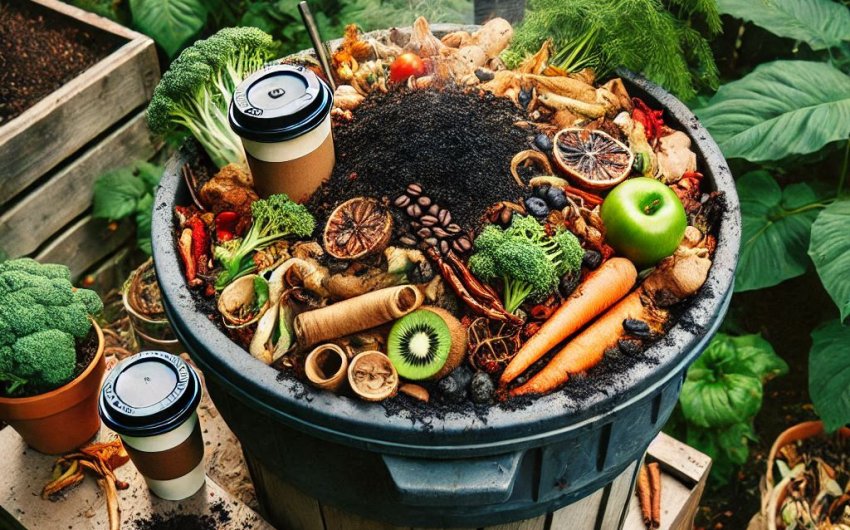
You brew your morning coffee, savoring the rich aroma, and then, without a second thought, the used coffee grounds go into the trash. For many, this daily ritual ends with a valuable resource being discarded. But for the savvy gardener, those humble coffee grounds are "black gold" in disguise, eager to be transformed into nutrient-rich compost that will supercharge your garden.
Successfully integrating coffee grounds into composting is a clever and eco-friendly way to recycle kitchen waste, enriching your soil while reducing landfill contributions. It's a simple act that turns a daily habit into a powerful tool for cultivating a thriving garden. Understanding the unique properties of coffee grounds and how to use them correctly will unlock their full potential in your compost pile.
Why Use Coffee Grounds in Composting?
Adding coffee grounds to composting is one of the easiest and most beneficial ways to enhance your compost pile and enrich your garden soil. They're more than just waste; they're a concentrated source of valuable elements that support the entire decomposition process and the subsequent health of your plants.
Understanding the specific advantages of coffee grounds highlights why they're such a popular and effective addition to any DIY composting system.
Rich in Nitrogen ("Green" Material)
Despite their brown appearance, coffee grounds are surprisingly rich in nitrogen, making them a valuable "green" material in your compost pile. This is one of their most significant contributions.
- Nitrogen Content: Used coffee grounds typically have a Carbon-to-Nitrogen (C:N) ratio of about 20:1, which puts them firmly in the "green" category. This means they are an excellent source of nitrogen, which is a crucial nutrient for the microorganisms that drive decomposition.
- Fuel for Microbes: Nitrogen is essential for the growth and reproduction of the bacteria and fungi that break down organic matter in the compost pile. It acts as their protein source. A good supply of nitrogen helps your pile heat up (if hot composting) and decompose quickly.
- Balancing "Browns": Coffee grounds are perfect for balancing "brown" (carbon-rich) materials like dry leaves, shredded cardboard, or wood chips. Without enough "greens" (nitrogen), a compost pile will be very slow and cold. Coffee grounds provide that necessary nitrogen boost.
- Nutrient for Plants: As they decompose in the compost pile, the nitrogen (along with other nutrients) in the coffee grounds becomes available to plants when the finished compost is applied to the garden. Nitrogen is vital for lush, green leafy growth in plants.
By adding nitrogen-rich coffee grounds, you effectively fuel the decomposition process, speed up compost creation, and provide a valuable nutrient source for your future garden.
Adds Organic Matter and Improves Soil Structure
Beyond being a nitrogen source, coffee grounds contribute significantly to adding organic matter and directly improving soil structure when incorporated into compost and then applied to your garden beds.
- Organic Matter Content: Coffee grounds are entirely organic matter. When they decompose in the compost pile and are then added to the garden soil, they contribute to the soil organic matter content.
- Enhances Soil Structure:
- For Clay Soils: The fine, granular texture of coffee grounds helps break up dense, heavy clay soils. They create larger pore spaces that improve drainage and aeration, preventing compaction and root rot.
- For Sandy Soils: In sandy soils, the organic matter from coffee grounds helps bind the loose sand particles together, improving the soil's ability to retain water and nutrients that would otherwise quickly wash away.
- Overall Friability: Ultimately, coffee grounds help make soil more friable (crumbly and easy to work), which is ideal for healthy root growth.
- Boosts Water Retention: Like other organic matter, coffee grounds improve the soil's capacity to hold water. They act like tiny sponges, making the soil more efficient at retaining moisture and reducing the need for frequent watering.
- Aids Aeration: The texture also promotes good aeration in the compost pile itself if mixed well, and in the finished soil, ensuring roots get enough oxygen.
By adding coffee grounds, you're not just providing nutrients; you're building a healthier, more workable soil structure that benefits plant growth for years to come.
Attracts Earthworms and Microbes
Coffee grounds are a feast for the soil food web. Adding them to your compost pile (and subsequently to your garden) actively attracts earthworms and microbes, significantly boosting the biological activity in your soil.
- Earthworm Magnet: Earthworms absolutely love coffee grounds. They consume the grounds, further breaking down the organic matter and producing highly beneficial worm castings (worm poop), which are packed with readily available nutrients. Earthworms also aerate the soil as they burrow, improving drainage and airflow.
- Feeds Microorganisms: The complex carbohydrates and compounds in coffee grounds provide a rich food source for a diverse array of beneficial bacteria and fungi in your compost pile and garden soil. These microbes are the primary drivers of decomposition and nutrient cycling.
- Enhances Microbial Activity: By providing a readily digestible food source, coffee grounds stimulate and increase the population and activity of these beneficial microbes, leading to a more vibrant and efficient soil ecosystem.
- Nutrient Cycling: The increased microbial activity accelerates the natural nutrient cycling processes in the soil, converting nutrients into forms that plants can easily absorb.
- Disease Suppression (Indirect): A thriving microbial community can also help suppress harmful soil-borne pathogens by outcompeting them or producing beneficial compounds.
- Beneficial Fungi: Coffee grounds are known to be a good medium for certain beneficial fungi, including some types of mycorrhizal fungi, which form symbiotic relationships with plant roots to improve nutrient uptake.
By strategically using coffee grounds, you're fostering a bustling, healthy soil food web that works tirelessly to enrich your soil and support your plants from the ground up.
Repels Pests and Deterring Odors (Subtle Benefits)
While not their primary function, coffee grounds offer subtle benefits in repelling pests and deterring odors when used correctly in composting and the garden.
- Pest Repellent (Subtle):
- Slugs and Snails: The abrasive texture and acidity of coffee grounds can act as a deterrent for soft-bodied pests like slugs and snails. A ring of dry coffee grounds around vulnerable plants might discourage them from crossing.
- Ants: The strong scent of coffee grounds is sometimes said to deter ants by disrupting their scent trails.
- Cat Deterrent: Some gardeners use coffee grounds (mixed with citrus peels) to deter neighborhood cats from using garden beds as litter boxes.
- Caution: These repellent effects are often anecdotal and might be temporary. They are not a substitute for active pest control but can be a small contributing factor.
- Odor Deterrent in Compost (When Balanced):
- Methane/Ammonia Reduction: When coffee grounds are properly balanced with "browns" and kept aerated, their nitrogen contributes to efficient aerobic decomposition, which prevents the production of foul-smelling methane and ammonia that arise from anaerobic conditions (rotting without oxygen).
- Masking Effect: The strong, pleasant aroma of coffee grounds can temporarily mask other less desirable odors in a newly built compost pile as it starts to heat up.
- Fungus Gnat Control (Top Dressing): For houseplants, a thin layer of dry coffee grounds on the soil surface can sometimes help deter fungus gnats by providing an inhospitable top layer for their larvae.
While these benefits are secondary to their nutrient and soil-building properties, the subtle pest repellent and odor deterring qualities of coffee grounds add to their overall appeal as a compost additive.
How to Use Coffee Grounds in Composting Successfully?
To unlock the full potential of coffee grounds in composting, it's essential to use them successfully. This means understanding their classification, avoiding common pitfalls, and integrating them effectively into your compost pile.
A little knowledge goes a long way in turning this daily waste into garden gold.
1. Classify as a "Green" Material
Despite their brown color, the most important rule for using coffee grounds in composting successfully is to classify them as a "green" material. This guides their proper balance in your compost pile.
- Nitrogen-Rich: As mentioned, used coffee grounds are surprisingly high in nitrogen (with a C:N ratio around 20:1). This puts them in the same category as fresh grass clippings, fruit and vegetable scraps, and other moist, nitrogen-rich materials.
- Fuel for Microbes: Their high nitrogen content makes them a great activator for your compost pile, fueling the rapid growth and activity of the microorganisms that drive decomposition.
- Balance with "Browns": Because they are "greens," they need to be balanced with a larger proportion of "brown" (carbon-rich) materials like dry leaves, shredded cardboard, wood chips, or straw.
- Ideal Ratio: Aim for roughly 2-3 parts "browns" to 1 part "greens" by volume. So, for every scoop of coffee grounds, add 2-3 scoops of dry leaves or shredded paper.
- Avoid Overloading: Don't add huge amounts of coffee grounds without balancing them with "browns." Too many "greens" (including coffee grounds) can lead to a smelly, anaerobic (lacking oxygen) pile.
- Don't Confuse with Dry Materials: Some beginners mistake their color for a "brown." Treating them as a dry, carbon-rich material will throw off your C:N ratio and lead to a cold, slow, or smelly pile.
By correctly classifying coffee grounds as a "green" material, you set yourself up for building a balanced, efficient, and odor-free compost pile.
2. Mix Them In (Don't Clump)
When adding coffee grounds to your compost pile, it's essential to mix them in and don't let them clump. This ensures proper aeration and even decomposition.
- Why Mixing is Important:
- Prevents Anaerobic Pockets: Coffee grounds are fine and can pack down easily, especially when wet. If left in a thick, dense layer or large clump, they can become anaerobic, lacking oxygen, which leads to slow decomposition and unpleasant odors.
- Even Nutrient Distribution: Mixing them throughout the pile ensures their nitrogen and moisture are evenly distributed, fueling microbial activity throughout the entire batch.
- Optimal Aeration: Spreading them out among coarser "brown" materials helps maintain the crucial air pockets within the compost pile.
- How to Mix Them In:
- Sprinkle and Layer: The best way is to add coffee grounds in thin layers, sprinkling them over a layer of "browns" (e.g., dry leaves or shredded newspaper).
- Turn with Other Materials: If you have a larger quantity, add them when you are turning your compost pile. As you turn, mix them thoroughly with the other "greens" and "browns."
- Avoid Large Dumps: Don't just dump a large, wet blob of coffee grounds into the pile. Break it up and spread it out.
- Consider Filters: If you use paper coffee filters, you can toss them in with the grounds. They are "browns" and add some carbon to help balance the nitrogen in the grounds.
Mixing coffee grounds in (and not letting them clump) ensures efficient decomposition, good aeration, and prevents common compost problems like odors and slow breakdown.
3. Balance with "Browns" for Optimal C:N Ratio
Since coffee grounds are a "green" (nitrogen-rich) material, it is absolutely crucial to balance them with "browns" for an optimal C:N ratio. This is the key to fast, hot, and odor-free composting.
- The Golden Ratio: The ideal Carbon-to-Nitrogen (C:N) ratio for rapid, hot composting is generally between 25:1 to 30:1.
- Coffee Grounds as "Greens": Their ratio (approx. 20:1) means they are very effective at driving decomposition, but if there aren't enough "browns" to go with them, your pile will become too rich in nitrogen.
- Signs of Imbalance (Too Many Greens/Coffee Grounds):
- Ammonia Smell: A pungent, often strong ammonia-like odor. This indicates excess nitrogen escaping as gas.
- Slimy/Soggy: The pile may feel wet, dense, and slimy, lacking aeration.
- Slow to Heat/Decompose: Paradoxically, too much nitrogen can sometimes stall a hot pile if there isn't enough carbon for microbes to "eat" as energy.
- Adding Browns: For every small batch of coffee grounds you add, try to add at least twice the volume of dry, carbon-rich materials.
- Excellent "Browns" for Balance: Dry leaves, shredded newspaper, corrugated cardboard (torn into small pieces), straw, small wood chips (untreated), or dried plant stalks.
- The "Lasagna" Method: Many composters like to build their piles in layers, often referred to as the "lasagna" method. A layer of browns, then a layer of greens (coffee grounds can be part of this!), then more browns, and so on.
- Turn and Aerate: After adding new materials, especially a batch of coffee grounds, turn the pile well to mix everything thoroughly and introduce oxygen.
By conscientiously balancing coffee grounds with "browns", you create the perfect nutritional environment for your microorganisms, ensuring your compost pile efficiently turns into nutrient-rich green gold.
4. Monitor Moisture Levels
Proper moisture levels are essential for composting, and monitoring moisture levels in your pile, especially with the addition of often wet coffee grounds, is critical.
- The "Wring-Out Sponge" Rule: The ideal moisture level for a compost pile should feel like a wrung-out sponge – damp, but not soggy or dripping wet.
- Coffee Grounds and Moisture: Used coffee grounds are typically quite moist. While this is good for adding hydration to a dry pile, if you add too many at once without adequate dry "browns" to absorb their moisture, they can contribute to a pile becoming too wet.
- Why Moisture is Key:
- Microbial Activity: Microbes need water to live, move, and break down organic matter.
- Nutrient Transport: Water dissolves nutrients, making them accessible to microbes and eventually plants.
- Signs of Too Wet Pile:
- Foul Odors: Rotting, sulfur, or sour smells (anaerobic decomposition).
- Slimy Texture: Materials feel heavy and squishy.
- Lack of Airflow: The pile may compact easily.
- Fix: Add more dry "browns" (shredded cardboard, dry leaves, straw) to absorb excess moisture. Turn the pile vigorously to introduce oxygen and help it dry out.
- Signs of Too Dry Pile:
- Slow/No Decomposition: The pile will cool down or never heat up.
- Dusty/Brittle Material: Materials feel dry and crispy.
- Fix: Add water, ideally as you turn the pile to ensure even saturation. Adding fresh, moist "greens" (like more coffee grounds!) can also help.
Regularly monitoring moisture levels and adjusting with "browns" if too wet, or water/greens if too dry, is crucial for successful composting, especially when incorporating moist coffee grounds.
5. Consider a Designated Kitchen Compost Bin
For busy households, especially those consuming a lot of coffee, a designated kitchen compost bin is a simple yet invaluable tool for successfully collecting coffee grounds and other food scraps.
- Convenience: Having a small, easily accessible bin right on your kitchen counter or under the sink makes it incredibly convenient to collect coffee grounds (and vegetable/fruit scraps) as you cook or clean up. This encourages consistent collection rather than tossing them in the trash.
- Odor Control: A good kitchen compost bin will have a tight-fitting lid, often with a charcoal filter, to prevent odors from escaping between transfers to your main compost pile. This is essential, especially for coffee grounds which can quickly develop a sour smell if left exposed.
- Hygiene: Keeps your kitchen tidy and clean, preventing pests like fruit flies (though you'll want to empty it frequently).
- Material: Look for bins made from stainless steel, ceramic, or sturdy plastic that are easy to clean.
- Size: Choose a size that suits your daily kitchen waste volume, but plan to empty it into your outdoor compost pile every day or two.
- Examples: A popular choice is a stainless steel kitchen compost bin with charcoal filter or a smaller ceramic compost crock.
A designated kitchen compost bin streamlines the collection process, making it effortless to gather those valuable coffee grounds and other food scraps for your DIY composting system, contributing to a truly thriving garden.
Beyond the Compost Pile: Other Garden Uses for Coffee Grounds
While composting is the best way to utilize coffee grounds for comprehensive soil health and nutrient cycling, there are a few other garden uses for coffee grounds that offer direct benefits, though often with a bit more caution.
These alternative uses can complement your composting efforts and address specific gardening needs.
1. Direct Application as Soil Amendment (Lightly)
You can directly apply coffee grounds as a soil amendment to your garden, but it's crucial to do so lightly and with caution.
- How to Apply:
- Sprinkle Thinly: Spread a very thin layer (no more than 1/2 inch) of used coffee grounds directly onto the soil surface around plants or in garden beds.
- Gently Rake/Water In: Lightly scratch the grounds into the top inch of soil or water them in immediately.
- Avoid Piling: Never pile thick layers of fresh coffee grounds around plants. This can create a dense, suffocating barrier that repels water, promotes anaerobic conditions, and can temporarily leach nitrogen from the soil as they break down.
- Benefits (Direct Application):
- Nitrogen Boost: Provides a mild, slow-release nitrogen boost to plants.
- Improved Soil Structure: Gradually adds organic matter and improves drainage/aeration as they are worked into the soil by worms and microbes.
- Pest Deterrent (Subtle): Might deter slugs, snails, and ants due to abrasive texture and scent.
- Considerations:
- Acidity Myth: While fresh coffee grounds are acidic, used grounds are much closer to neutral pH (typically 6.5-6.8). They won't significantly change your soil pH unless applied in truly massive quantities over time. Don't rely on them to acidify your soil for acid-loving plants.
- Nitrogen Drawdown: As fresh coffee grounds break down directly in the soil, microorganisms can temporarily use up available soil nitrogen (nitrogen "rob") for their decomposition process. This is why it's better to compost them first for larger amounts, or apply very thinly.
For best results and safety, composting coffee grounds is generally preferred, but direct, light application as a soil amendment can be beneficial in moderation.
2. Liquid Fertilizer (Coffee Tea)
You can brew a liquid fertilizer (often called coffee tea) from coffee grounds to provide a mild, quick nutrient boost to your plants.
- How to Make it:
- Soak Grounds: Place 1-2 cups of used coffee grounds in a 5-gallon bucket of water.
- Steep: Let them steep for 1-2 days, stirring occasionally.
- Strain: Strain the liquid to remove the grounds (you can add the strained grounds to your compost pile).
- How to Apply:
- Dilute: Dilute the "coffee tea" with plain water until it looks like weak tea.
- Water Plants: Use this diluted solution to water your plants at the base.
- Foliar Spray: You can also use it as a gentle foliar spray (spraying leaves) in the early morning or late afternoon.
- Benefits:
- Mild Nutrient Boost: Provides a gentle, soluble source of nitrogen and other trace nutrients.
- Microbial Boost: Contains some beneficial microbes that can benefit the soil food web.
- Quick Uptake: Nutrients are readily available for plant absorption.
- Considerations: This is a very mild fertilizer and shouldn't replace a complete fertilizing program or regular compost applications.
Making liquid fertilizer from coffee grounds is a simple DIY hack to give your plants a quick, natural pick-me-up.
3. Pest Deterrent (Slugs, Snails, Cats)
As mentioned, coffee grounds can act as a pest deterrent for certain unwelcome garden visitors, primarily due to their texture and scent.
- Slugs and Snails:
- Mechanism: The abrasive texture of dry coffee grounds is irritating to the soft bodies of slugs and snails, making it difficult and uncomfortable for them to crawl over. Some believe the caffeine or acidity also acts as a deterrent.
- Application: Create a continuous ring of dry coffee grounds (about 1-2 inches wide) around the base of vulnerable plants (e.g., hostas, young seedlings, lettuce).
- Effectiveness: Needs to be reapplied after rain or heavy watering as the grounds lose their abrasiveness when wet. It's not a guaranteed solution but can be a helpful barrier.
- Cats (Deterrent from digging):
- Mechanism: The strong aroma of coffee grounds is often disliked by cats, discouraging them from using garden beds as litter boxes.
- Application: Sprinkle used coffee grounds directly onto the soil surface in areas where cats are a problem. Some gardeners mix them with citrus peels for added effect.
- Ants:
- Mechanism: The strong scent of coffee grounds can sometimes disrupt ant scent trails, making them avoid an area.
- Application: Sprinkle coffee grounds near ant nests or along pathways where ants are a nuisance.
- Considerations: The effectiveness of coffee grounds as a pest deterrent can vary and is often temporary. They are best used as part of an integrated pest management strategy rather than a sole solution.
While not a magic bullet, using coffee grounds as a pest deterrent can be a useful, eco-friendly DIY hack for specific problems in your garden.