
Can You Compost Cooked Food? Best Practices Explained?
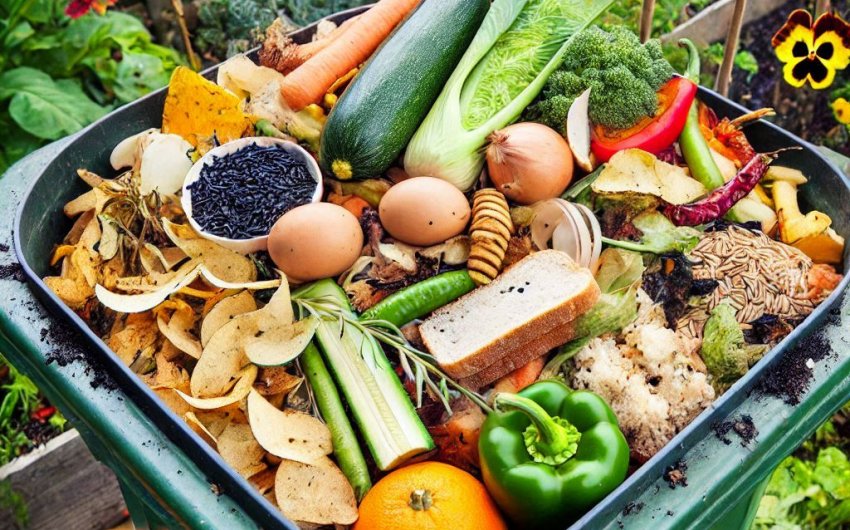
You diligently collect your vegetable peels, coffee grounds, and fallen leaves, tossing them into your compost bin with the satisfaction of a sustainable gardener. But then, after a meal, you're left with leftover pasta, a few spoonfuls of cooked rice, or some uneaten roasted vegetables. A question often arises: can you compost cooked food? For many home composters, the answer has traditionally been a cautious "no," citing concerns about pests and odors.
However, the world of composting is evolving, and with the right knowledge and best practices, the answer is a resounding "yes!" Composting cooked food is not only possible but also a fantastic way to divert even more organic waste from landfills, turning a broader range of kitchen scraps into valuable "black gold" for your garden. It requires a bit more care than raw vegetable scraps, but the benefits for a truly comprehensive composting system are well worth the effort.
Why is Composting Cooked Food a Common Question?
The question "can you compost cooked food?" is one of the most frequently asked in the composting world. This common query stems from understandable concerns that have long shaped the traditional advice given to home composters. These concerns, while valid for certain composting systems, often lead to the unnecessary discarding of valuable organic matter.
Understanding why composting cooked food is a common question reveals the potential challenges and highlights the need for specific best practices to make it successful.
Concerns About Pests
One of the biggest reasons composting cooked food is often viewed with caution is genuine concerns about pests. Traditional compost piles, especially open heaps or basic bins, are indeed vulnerable to attracting unwelcome visitors if not managed correctly.
- Rodents (Rats, Mice, Raccoons): These are the primary concern. Cooked food (especially meat, dairy, and fatty items) is highly attractive to rodents and other scavenging animals. They are drawn by the smell and the promise of an easy meal. If they find a reliable food source in your compost pile, they can quickly become a significant nuisance, multiply, and potentially spread diseases.
- Flies (House Flies, Fruit Flies): Cooked food, particularly sugary or decaying scraps, can attract various types of flies. Flies lay eggs, and these eggs hatch into maggots, which can be an unpleasant sight in a compost pile and further spread bacteria.
- Ants: While less problematic, cooked food (especially those high in fats or sugars) can attract colonies of ants.
- Unpleasant Sight: Beyond the direct damage or health risks, visible pests in a compost pile are simply off-putting and can make composting less appealing to homeowners.
- Neighbor Complaints: Pests and associated odors can also lead to complaints from neighbors, which no one wants.
These concerns about pests are valid, making secure composting methods and diligent management crucial when including cooked food waste.
Concerns About Odors
Another major reason for hesitation about composting cooked food is legitimate concerns about odors. Improperly managed cooked food can create very unpleasant smells in a compost pile, turning it into a source of nuisance rather than a valuable garden asset.
- Anaerobic Decomposition: When food waste (especially rich, dense, and moist cooked food) is added in large clumps or if the compost pile lacks sufficient oxygen (aeration), it can become anaerobic. In anaerobic conditions, a different set of microorganisms break down the organic matter, producing noxious gases like methane (rotten egg smell), hydrogen sulfide, and ammonia.
- Fats and Oils: Cooked food often contains fats and oils. These can turn rancid and produce strong, unpleasant odors as they decompose slowly. They can also coat other compost materials, hindering proper aerobic decomposition.
- Meat and Dairy: Meat and dairy products are particularly notorious for producing foul odors as they rot, even in seemingly well-aerated piles, due to their specific chemical composition.
- Attracting Pests (Again): Strong odors not only bother humans but also act as a powerful attractant for pests like rodents and flies, exacerbating the pest problem.
- Neighborhood Nuisance: Foul-smelling compost piles can lead to complaints from neighbors, which can sour relations and even lead to local authority intervention.
The potential for odors due to anaerobic decomposition and the breakdown of specific food waste components makes composting cooked food a common question, necessitating careful management to keep things smelling fresh and earthy.
Slower Decomposition (Fats and Proteins)
Cooked food, particularly items rich in fats and proteins, tends to have a slower decomposition rate compared to raw fruit and vegetable scraps. This is another reason for caution and careful management.
- Fats and Oils: These are complex molecules that are harder for microorganisms to break down efficiently. They decompose slowly and can coat other compost materials, creating an impermeable layer that blocks oxygen and slows down the overall decomposition of the pile. This can lead to anaerobic pockets.
- Proteins (Meat and Dairy): While proteins do decompose, their breakdown can be complex and produce more volatile compounds (contributing to odors) if not managed in an aerobic environment. In smaller, cooler home compost piles, they break down slowly and can attract unwanted scavengers.
- Density: Cooked food can often be quite dense and moist, lacking the airiness and structure that "brown" materials provide. If added in large clumps, it can quickly reduce aeration in the pile.
- Microbial Preferences: While microbes will eventually break down fats and proteins, the specific microorganisms that handle these might thrive in different conditions than those that rapidly break down cellulose (plant matter). A hot, active compost pile with diverse microbial life is best equipped for this.
The slower decomposition of fats and proteins means these materials require specific management techniques (like burying deep, controlling ratios, and ensuring high temperatures) to avoid issues in a compost pile.
Potential for Pathogens (Meat and Dairy)
For home composters, the potential for pathogens (disease-causing bacteria or viruses) in composting meat and dairy is a significant concern, leading to strict recommendations to avoid these items in backyard bins.
- Harmful Bacteria: Raw or cooked meat and dairy products can contain harmful bacteria such as Salmonella, E. coli, Listeria, or Campylobacter.
- Incomplete Killing in Home Systems: A well-managed "hot" compost pile can reach temperatures (130-160°F or 55-70°C) high enough to kill most harmful pathogens. However, many home compost piles do not consistently reach or maintain these temperatures throughout the entire pile. Cooler areas or uneven mixing can allow pathogens to survive.
- Risk of Transfer: If pathogens survive in the finished compost, there's a risk of transferring them to edible garden plants, or to humans/pets through direct contact or contaminated produce.
- Commercial Composting vs. Home Composting: Commercial composting facilities (used by municipalities or large-scale farms) use highly controlled processes, including forced aeration and regular turning, to ensure the entire pile reaches and maintains pathogen-killing temperatures for a specified duration. This is why they can often accept a broader range of food waste, including meat and dairy. For typical home composters, it's generally best to avoid these items due to the reduced control over temperatures and thorough decomposition.
The potential for pathogens makes composting meat and dairy a cautious undertaking for home gardeners, advocating for their exclusion unless using specialized, high-temperature composting methods.
Can You Compost Cooked Food? (Yes, With Best Practices!)
The answer to "can you compost cooked food?" is a resounding yes, but with the crucial caveat: with best practices explained. For home composters, this typically means limiting certain items and focusing on specific techniques that manage the challenges of cooked food waste. For larger-scale or more specialized systems, the possibilities expand.
It's about being informed and strategic to turn all your valuable organic matter into "black gold" for your garden, rather than sending it to a landfill.
Best Practices for Home Composting Cooked Food
For typical home composting setups (bins, open piles, tumblers), adhering to these best practices for home composting cooked food is crucial to avoid pests, odors, and issues. The key is moderation and meticulous management.
- 1. Limit Meat, Dairy, and Excess Oils/Fats:
- Recommendation: For most home compost piles, it's still generally recommended to avoid or strictly limit meat, bones, fish, and dairy products. These are the biggest attractants for rodents and flies, produce the worst odors, and pose the highest pathogen risk if your pile doesn't consistently reach hot temperatures throughout.
- If You Must (Very Small Amounts): If you occasionally add a very small piece of cooked meat or a few greasy crumbs, ensure it's buried immediately and deeply, and your pile is consistently hot. But it's often safer to exclude them.
- Oils/Fats: Excess cooking oils or large amounts of greasy foods (e.g., bacon grease, very fatty meat scraps) should also be avoided or strictly limited as they slow decomposition and attract pests.
- 2. Break Down Large Pieces:
- How: Chop or break down large pieces of cooked food waste (e.g., leftover potatoes, large vegetable chunks) into smaller bits.
- Why: Smaller pieces decompose faster and integrate better into the pile, preventing dense clumps that can lead to anaerobic conditions.
- 3. Bury Deeply in the Pile:
- How: When adding any cooked food waste (even vegetable scraps), dig a hole or create a depression deep within your compost pile. Place the food waste at the bottom of the hole.
- Cover Completely: Immediately cover the food waste with at least 8-12 inches (20-30 cm) of "brown" material (dry leaves, straw, shredded paper/cardboard) and/or already actively decomposing compost.
- Why: This masks odors, hides the food waste from pests (rodents, flies), and ensures it's exposed to the hottest, most active part of the pile.
- 4. Balance with "Browns" (Crucial for Odor/Pest Control):
- Ratio: Since cooked food is typically a "green" (moist, nitrogen-rich) material, always balance it with a generous amount of "brown" (dry, carbon-rich) materials. Aim for 2-3 parts browns to 1 part greens by volume.
- Why: "Browns" absorb excess moisture (preventing sogginess and odors), provide structure for aeration (preventing anaerobic conditions), and act as a physical barrier.
- 5. Maintain Moisture and Aeration (Turn Regularly):
- Moisture: Keep the pile damp like a wrung-out sponge. If too dry, decomposition slows. If too wet (especially with cooked food), it goes anaerobic.
- Aeration: Turn your compost pile regularly (ideally every few days for a hot pile, or at least once a week for moderate decomposition). This introduces oxygen and mixes materials.
- Why: Consistent aeration is the primary defense against odors and ensures efficient decomposition, which is especially important with dense cooked food.
- 6. Consider a Pest-Proof Composter:
- Types: For peace of mind, especially if you plan to compost cooked food regularly, invest in a pest-proof compost tumbler or a sturdy, sealed compost bin with a solid bottom and lid. This provides a physical barrier against rodents and other scavengers.
- 7. Hot Composting (Ideal but Challenging):
- Goal: If possible, aim for a "hot" compost pile that consistently reaches temperatures of 130-160°F (55-70°C).
- Why: High temperatures rapidly break down cooked food, kill most weed seeds, and more effectively kill pathogens.
- Requirements: Requires a larger pile (at least 3x3x3 ft), proper C:N ratio, consistent moisture, and frequent turning. A compost thermometer can help monitor this.
By diligently following these best practices, you can successfully and hygienically compost cooked food in your home compost system.
Foods That Are Safe to Compost (Generally)
When it comes to composting cooked food at home, certain categories are generally safe to compost with the practices mentioned above, as they pose lower risks for pests, odors, and decomposition issues.
- Cooked Fruits and Vegetables:
- Examples: Leftover cooked vegetables (broccoli, carrots, potatoes, rice, pasta), fruit peels, fruit rinds, applesauce, pureed vegetable soups (no meat broth or dairy).
- Why Safe: These are essentially the same as raw fruit and vegetable scraps, but cooked. They are relatively easy to break down and don't attract scavenging pests as strongly as meat/dairy.
- Best Practice: Still bury deeply and balance with browns.
- Cooked Grains:
- Examples: Cooked rice, pasta, bread (stale, crumbled), oatmeal, cereal (plain, unsweetened).
- Why Safe: These are carbon-rich (though often moist) and break down well.
- Best Practice: Avoid large clumps. Bury deeply and balance with browns. Avoid very large amounts of bread, as it can mold superficially.
- Coffee Grounds and Filters:
- Examples: Used coffee grounds and paper filters.
- Why Safe: High in nitrogen (a "green"), good texture, and break down quickly. Already mentioned in another blog post, they are excellent compost ingredients.
- Best Practice: Mix in well, don't let them clump.
- Tea Bags and Loose Tea Leaves:
- Examples: Used tea bags (remove plastic staples/strings) and loose tea leaves.
- Why Safe: Similar to coffee grounds, they are "greens" and break down easily.
- Eggshells:
- Examples: Cooked eggshells.
- Why Safe: Provide calcium. Break down slowly but are beneficial.
- Best Practice: Rinse them clean and crush them into small pieces to speed decomposition.
These foods that are generally safe to compost provide a broad range of kitchen waste you can confidently add to your properly managed compost pile.
Foods to Avoid Composting (Generally for Home Systems)
Even with best practices, there are certain foods to avoid composting in typical home composting systems due to high risks of pests, strong odors, or slow decomposition.
- Meat and Fish (Cooked or Raw):
- Examples: Leftover chicken, beef, pork, fish, bones (including small chicken bones), skin, gravy.
- Why Avoid: High attractiveness to rodents, flies, and other scavengers. Produce very strong, putrid odors. Higher risk of pathogens not being killed in home piles.
- Dairy Products:
- Examples: Cheese, yogurt, milk, butter, sour cream.
- Why Avoid: Attracts pests, creates strong odors as they spoil and break down, and can harbor pathogens.
- Fats and Oils (Large Amounts):
- Examples: Cooking oil, butter, lard, very greasy sauces, bacon grease.
- Why Avoid: Attracts pests, can go rancid and smell terrible, slow down decomposition by coating other materials and creating anaerobic conditions.
- Pet Waste:
- Examples: Dog or cat feces.
- Why Avoid: Contain pathogens that can be harmful to humans and are not reliably killed in home compost piles. Attracts flies and pests.
- Diseased Plants:
- Examples: Leaves with powdery mildew, stems with blight, plants with specific fungal spots.
- Why Avoid: Pathogens can survive the composting process (if not consistently hot enough) and reinfect your garden when you use the finished compost.
- Ashes from Charcoal or Treated Wood:
- Examples: BBQ briquette ash, ash from chemically treated lumber.
- Why Avoid: Can contain harmful chemicals or heavy metals that shouldn't go into your garden soil.
- Walnuts:
- Examples: Black walnut shells or leaves.
- Why Avoid: Black walnuts contain juglone, a chemical that can inhibit the growth of some plants (allelopathy).
Sticking to foods to avoid composting will significantly reduce potential problems and ensure your DIY compost is safe, effective, and pleasant to manage.
Specialized Composting Methods for All Food Waste
For those who want to compost all food waste, including meat, dairy, and oils, specialized composting methods are available. These methods typically involve stricter containment or unique decomposition processes.
- 1. Bokashi Composting:
- How it Works: Not true composting, but a fermentation process. Food waste (including meat, dairy, cooked food) is packed tightly into an airtight bin with Bokashi bran (bran inoculated with beneficial microorganisms). It ferments the waste, pickling it and preventing putrefaction.
- Result: The fermented waste is then buried in a garden or added to a regular compost pile, where it rapidly breaks down without attracting pests.
- Pros: Can handle ALL food waste; reduces odors quickly; relatively compact.
- Cons: Requires a separate burial step or integration into traditional composting; Bokashi bran needs to be purchased. A Bokashi composting kit is a great solution.
- 2. Vermicomposting (Worm Composting) (Limited):
- How it Works: Uses specialized composting worms (red wigglers) in a worm bin to break down organic matter.
- Cooked Food Capability: Can handle small amounts of cooked food waste that is not meat, dairy, or overly greasy. Cooked vegetables, fruit scraps, and plain grains are generally fine.
- Pros: Produces incredibly rich worm castings; compact; can be done indoors.
- Cons: Cannot handle meat/dairy/oils; volume is limited; sensitive to temperature and overfeeding. A vermicomposting worm bin is a compact way to compost.
- 3. Hot, Large-Scale Composting (for Very Dedicated/Large Yards):
- How it Works: This refers to meticulously managed compost piles that are consistently large (at least 3x3x3 feet), have optimal C:N ratios, are kept consistently moist, and are turned very frequently to maintain high temperatures (130-160°F / 55-70°C) throughout the entire pile.
- Cooked Food Capability: Can handle meat and dairy if maintained perfectly, as the sustained high temperatures can kill pathogens and accelerate decomposition to manage odors and pests.
- Pros: Can truly handle all organic food waste.
- Cons: Very labor-intensive; requires significant commitment, knowledge, and monitoring (with a compost thermometer). Not practical for most home gardeners.
- 4. Commercial Composting Services:
- How it Works: You collect food waste in designated bins, and a service picks it up for processing at a large, industrial facility.
- Cooked Food Capability: Many commercial composting services (but not all!) accept cooked food, meat, and dairy because their large-scale processes are designed to handle and sanitize these materials.
- Pros: Most convenient option for large volumes of all food waste; professional pathogen and odor control.
- Cons: Requires service availability in your area; typically has a fee.
For most home gardeners, Bokashi or sticking to primarily plant-based cooked food in a well-managed regular compost pile are the most practical solutions for composting cooked food safely and successfully.